Newsletters


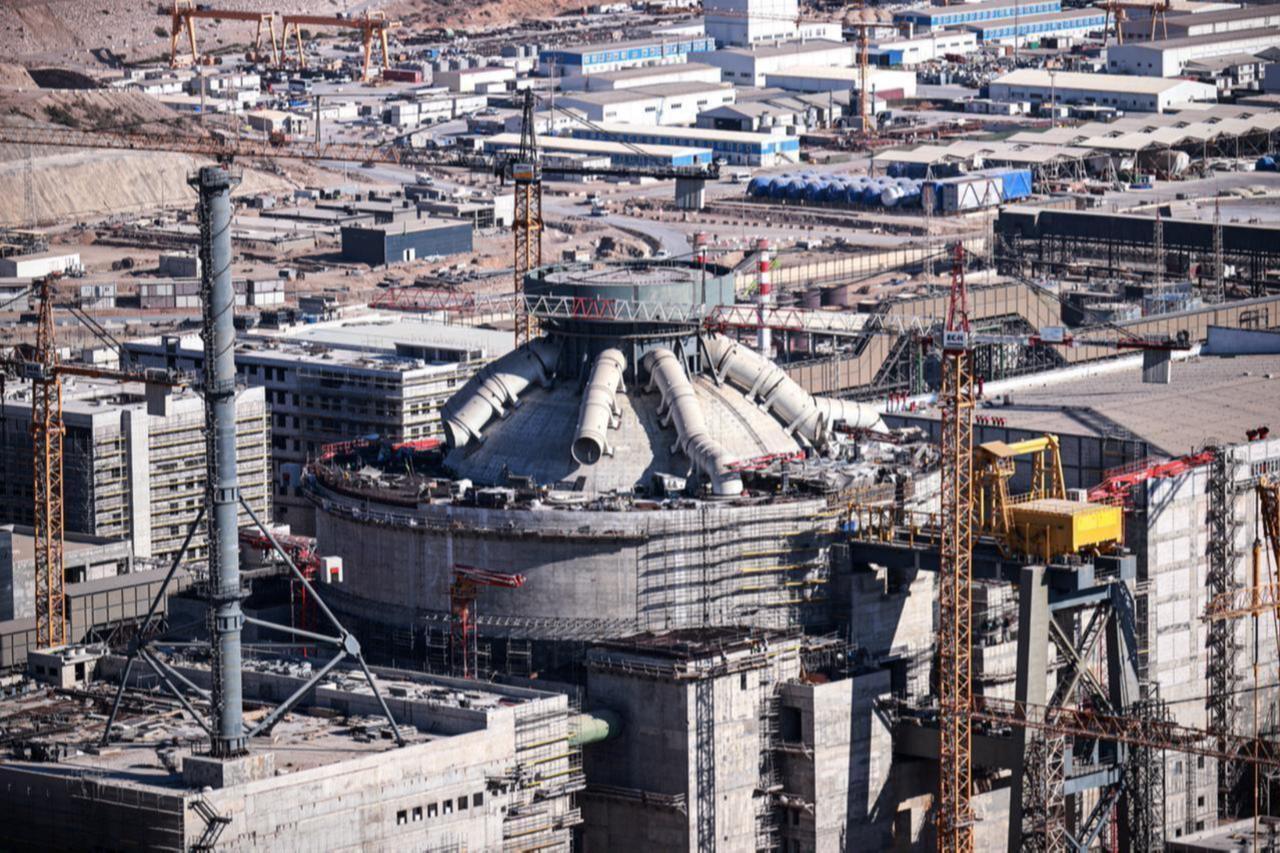


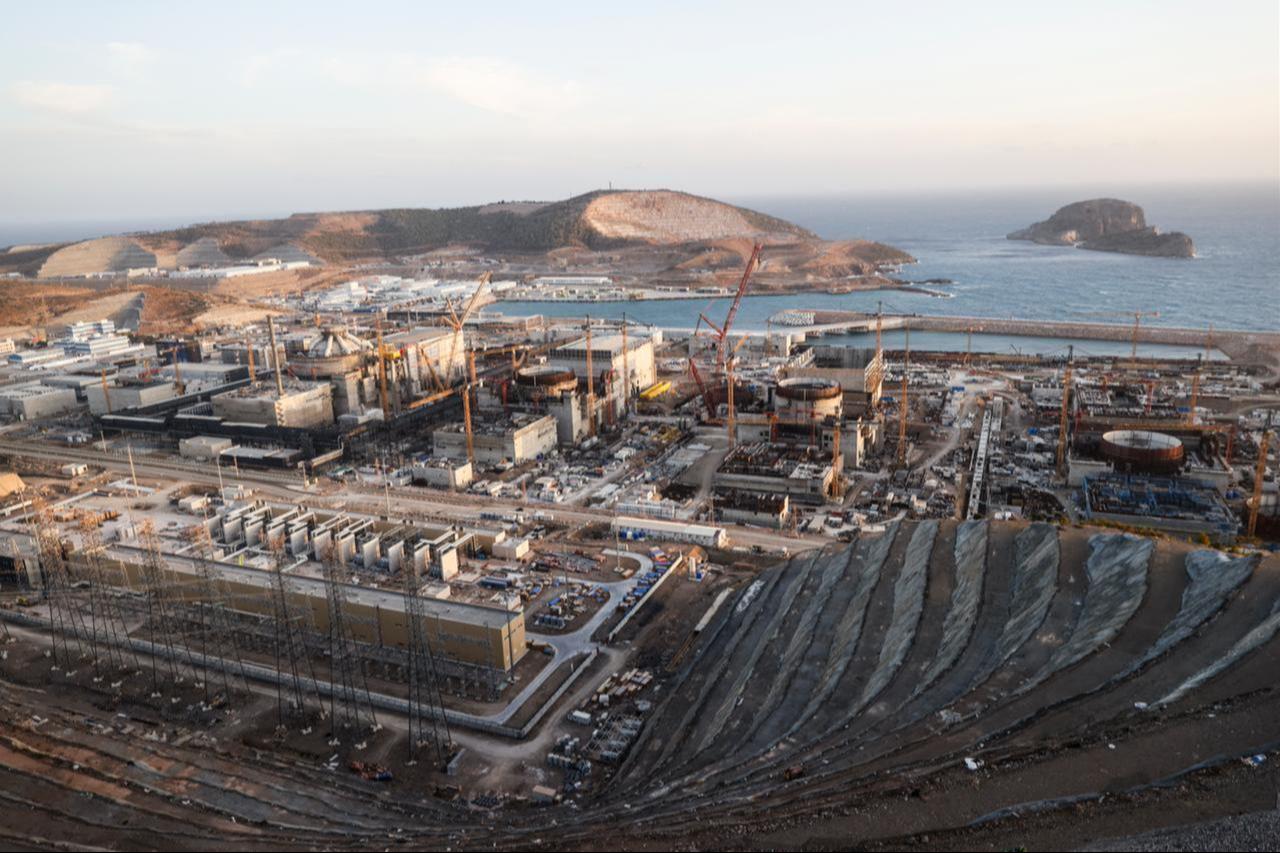
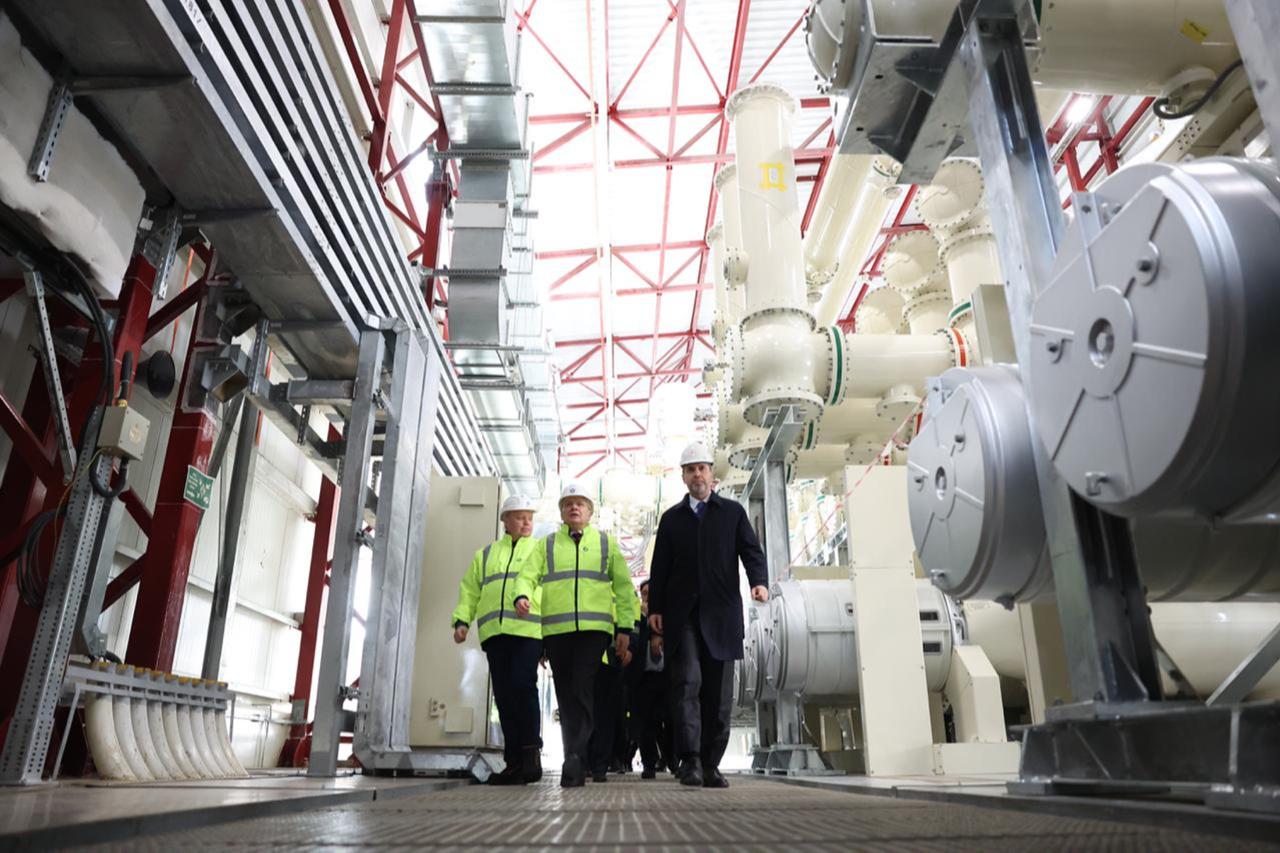
The Akkuyu Nuclear Power Plant is expected to be a “game changer” for Türkiye and will integrate the country into the global nuclear energy industry, according to the head of the World Nuclear Association.
Speaking to Anadolu Agency on the sidelines of the World Economic Forum Annual Meeting in Davos, World Nuclear Association Director General Sama Bilbao y Leon said Akkuyu Nuclear Power Plant is Türkiye’s first nuclear energy project and will make the country part of the global nuclear industry.
Bilbao y Leon recalled that the first unit of the plant is expected to come online this year and said Akkuyu will play a significant role in Türkiye’s electricity generation.
She added that the project is also driving a strong localization process, allowing industrial players, manufacturing companies and a qualified workforce in Türkiye to assume important roles within the global nuclear sector.
She said the project is expected to have positive economic effects not only at the local and national level but also across a wide region including Europe, the Middle East and North Africa, noting Türkiye’s position at the intersection of multiple continents.

Bilbao y Leon said the World Nuclear Association’s recently published Global Nuclear Outlook report projects that global nuclear energy capacity will more than triple by 2050, exceeding 1,400 gigawatts.
She said China, the United States, France, Russia and India are expected to lead this growth, while many other countries are planning nuclear projects at varying capacities.
She stressed that realizing these projects will require appropriate policies, industrial strategies, financing tools and accelerated regulatory frameworks, as well as strengthened supply chains and qualified employment.
Bilbao y Leon said even if the projected capacity is achieved, nuclear energy is expected to maintain its roughly 10% share of global electricity generation, as global electricity demand continues to rise, including demand driven by artificial intelligence and electrification.
Commenting on remarks by German Chancellor Friedrich Merz describing Germany’s nuclear phase-out as a strategic mistake, Bilbao y Leon said Germany had shut down well-performing nuclear power plants.
She noted that most European countries continue to operate nuclear power plants, with some extending their operational lifespans.
While Europe has not experienced a large-scale loss of nuclear capacity, she said the region has lost time as well as industrial capability and supply chain capacity.
Bilbao y Leon said Europe needs to partially rebuild this capacity to take advantage of current opportunities in nuclear energy, adding that while countries such as China and South Korea are currently ahead, it is still possible for Europe to catch up.
According to World Nuclear Association data, around 400 gigawatts of nuclear energy capacity is currently operating across 31 countries, accounting for 9% of global electricity generation.
Based on government plans and targets, including lifetime extensions of existing reactors to 80 years and the construction of planned and proposed reactors, global nuclear capacity is projected to reach 1,446 gigawatts by 2050.


 Set as preferred source
 Set as preferred source


 1 min read
 1 min read