Newsletters


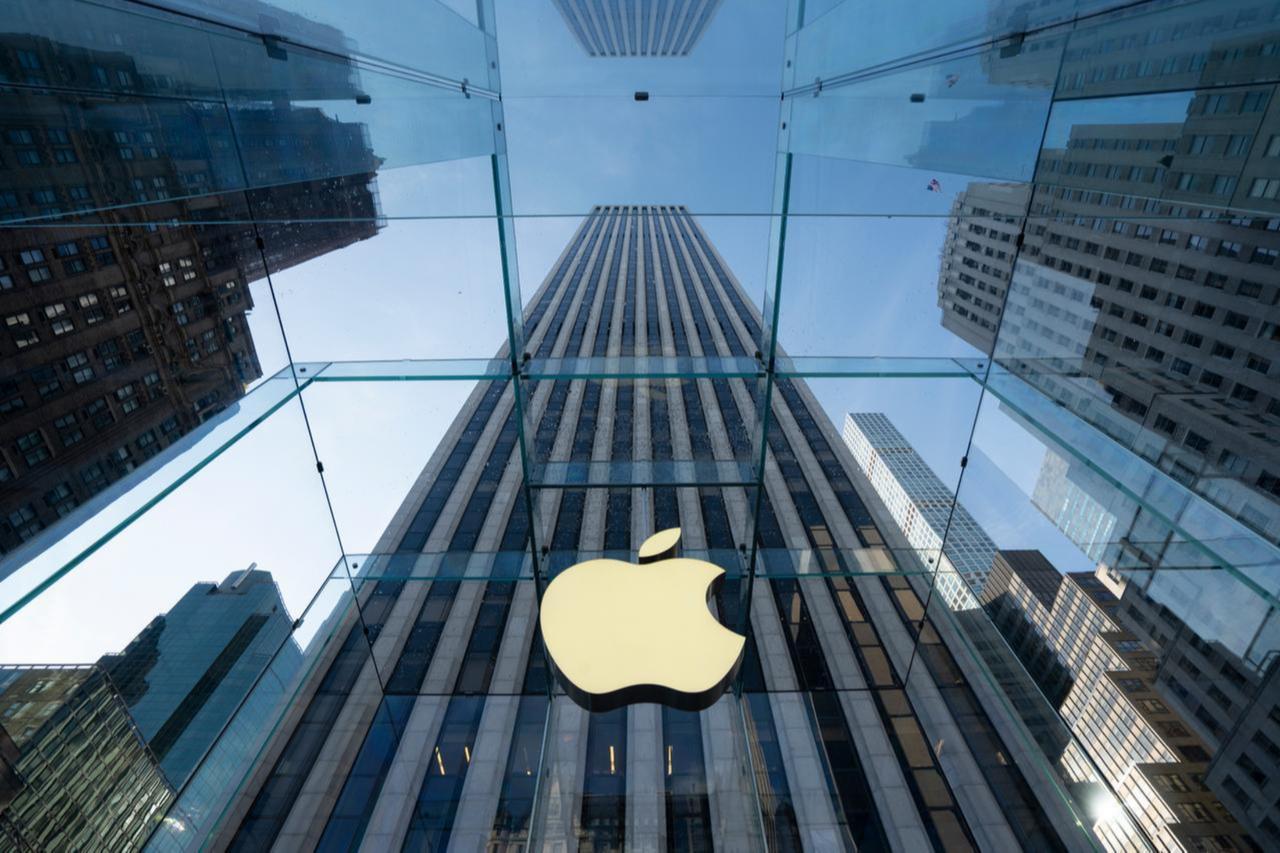


Tim Cook will leave his role as the chief executive officer of Apple on September 1, 2026.
This announcement marks the conclusion of a 15-year tenure that transformed the technology manufacturer into a $4 trillion financial powerhouse.
Cook will transition to the position of executive chairman of the board of directors. John Ternus, who currently serves as the senior vice president of hardware engineering, will succeed him as the leader of the world’s most profitable publicly traded company.
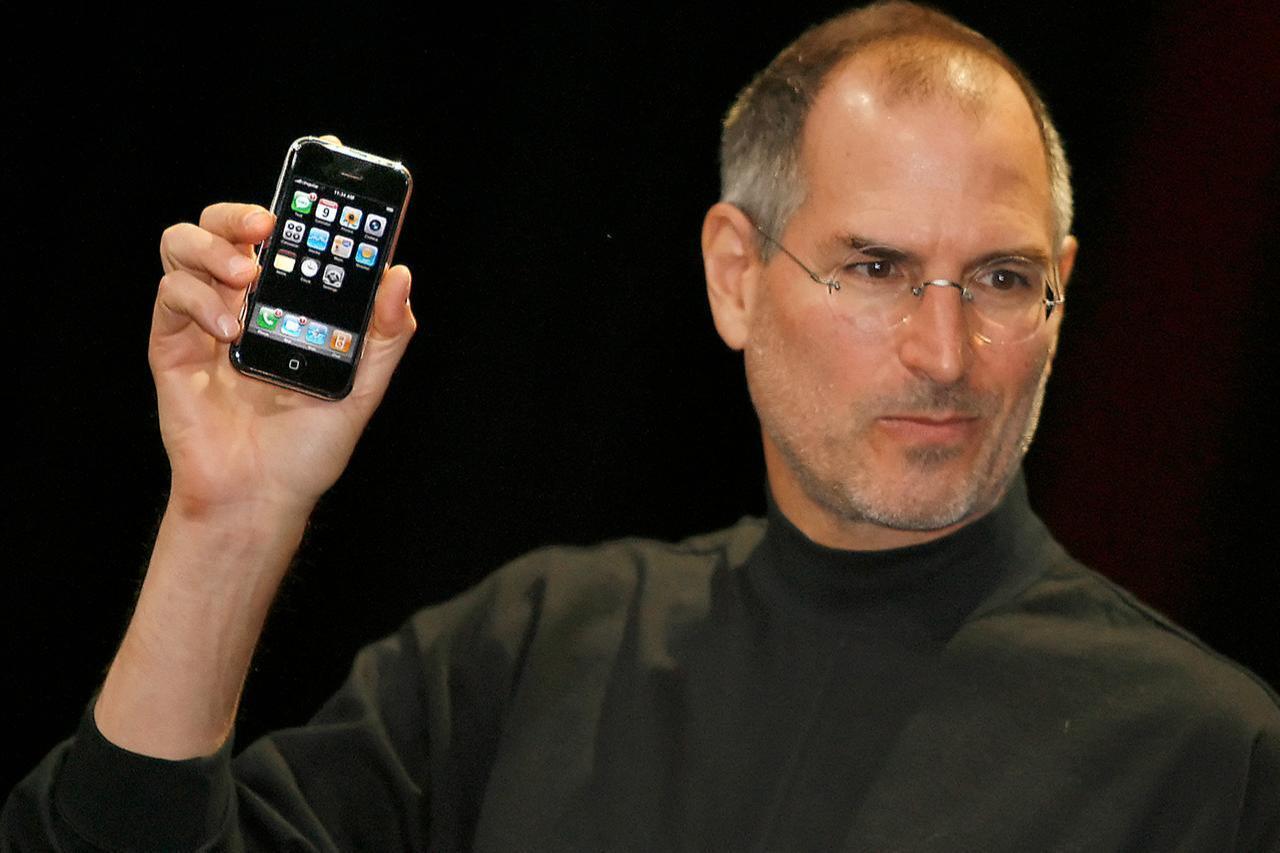
Cook first joined the organization in 1998 to repair a disastrous supply chain. He became the permanent CEO in 2011, just weeks before the death of co-founder Steve Jobs. Many observers questioned whether a logistical expert could follow a visionary like Jobs.
Cook answered those doubts by quadrupling the annual revenue and building a massive ecosystem of connected devices. He described his leadership as the "greatest privilege of my life" in a public letter to fans.
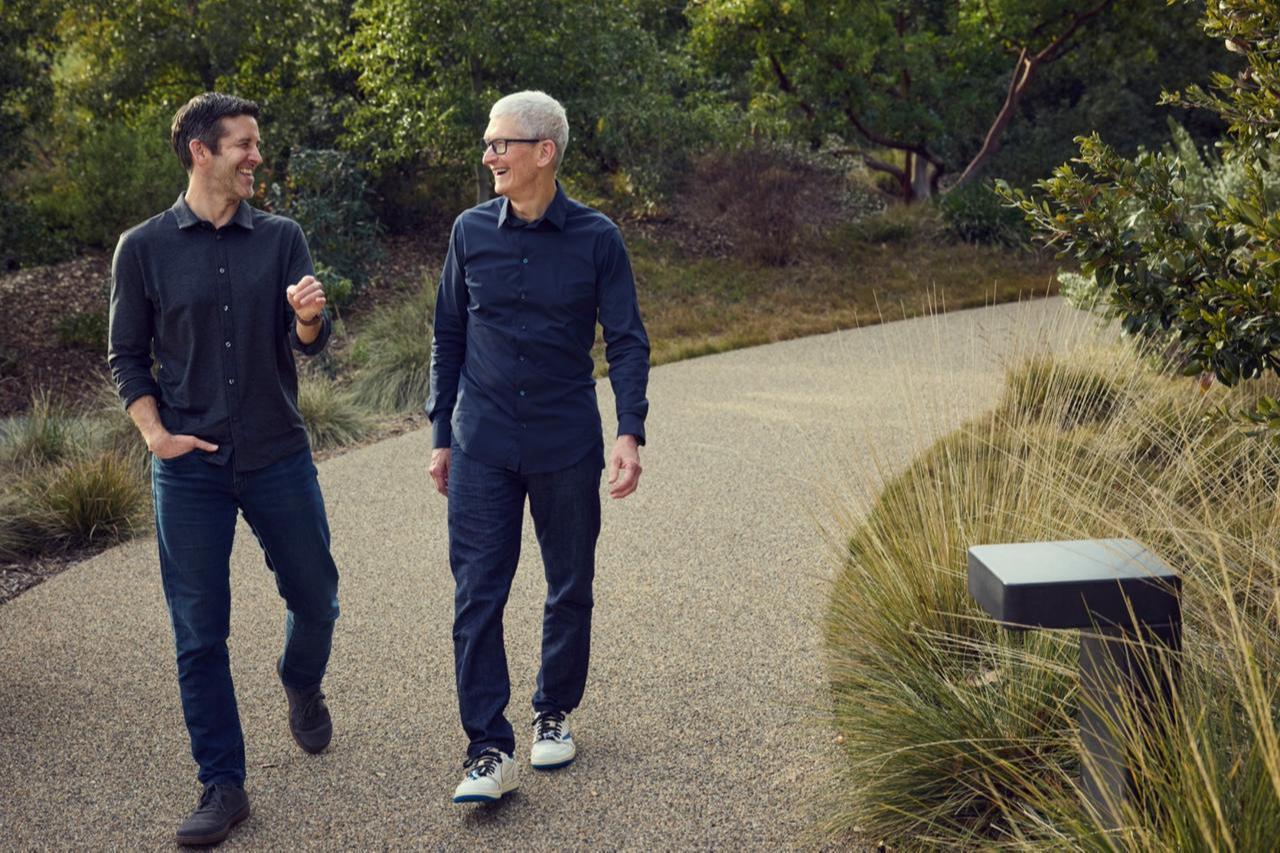

John Ternus is a 25-year company veteran who joined the product design team in 2001.
The 51-year-old engineer studied at the University of Pennsylvania and briefly worked at a virtual reality startup before arriving at Apple. He played a central role in the development of the iPhone, iPad, and Mac.
Analysts widely credit him with overseeing the successful transition to Apple’s proprietary silicon chips, which caused Mac sales to surge after the company moved away from Intel processors in 2020.
His management style reminds many insiders of the calm demeanor favored by Cook. He lacks the volatile charisma of Steve Jobs but possesses a deep understanding of the mechanical components that define the brand.
Cook praised his successor on Monday. "John Ternus has the mind of an engineer, the soul of an innovator, and the heart to lead with integrity and with honor," Cook stated. Ternus said he feels humbled to step into the role and promised to lead with the values that define the company.
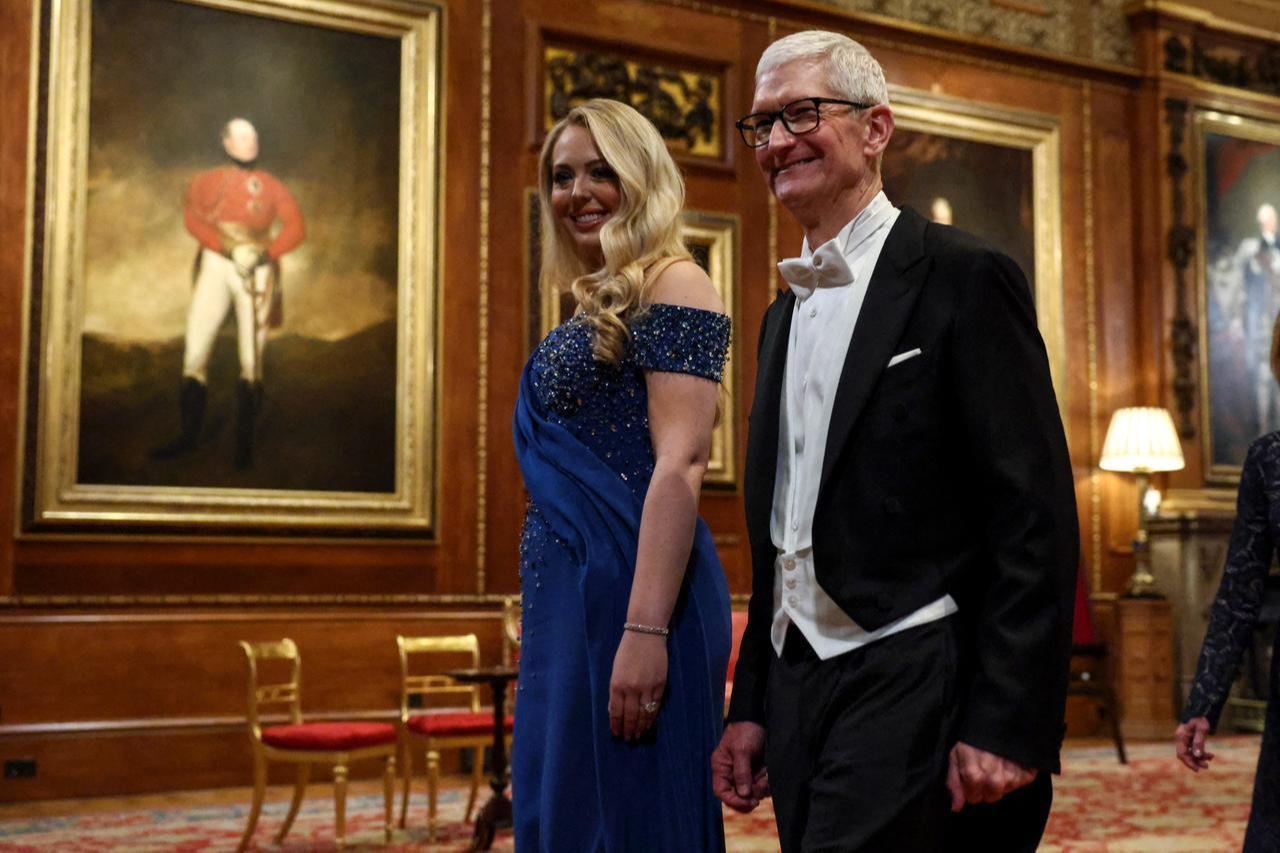
Cook turned a disruptive Silicon Valley startup into a stable heavyweight that habitually delivers for consumers worldwide.
He expanded the business beyond hardware by launching profitable subscription services. These products now generate a significant portion of the company’s total earnings.
Cook’s tenure by the numbers:
This financial success came through a methodical focus on operations and market share. Cook launched the Apple Watch and AirPods, creating entirely new categories for the business. He also navigated significant social milestones.
He became the first CEO of a Fortune 500 company to publicly come out in 2014. Public observers hailed his announcement as a welcome moment for role models in the tech industry.
Ternus takes control during a period of significant upheaval in the tech sector.
The company currently faces pressure to match the progress of peers in the artificial intelligence revolution. Apple has lagged in this area and recently turned to Google to power features for its virtual assistant, Siri. Shareholders continue to demand better integration of generative technology into the core product line.
Supply chain dependency remains another critical vulnerability for the new leader. Apple spent decades focusing on China as its primary manufacturing base. The company is now attempting to diversify its operations, but experts like Jason Snell suggest this transition will take a very long time.
Ternus must manage these geopolitical risks while avoiding the hardware missteps that occurred late in the Cook era. Recent challenges include the lackluster consumer response to the $3,500 Vision Pro headset and the cancellation of a $10 billion self-driving car project.
Ternus must now prove that his engineering background can sustain the innovation required to keep Apple at the top of the global market for the next decade.


 Set as preferred source
 Set as preferred source



 1 min read