Newsletters





Turkish courts issued 247 bankruptcy rulings in 2025, representing an 87% year-over-year increase and the highest annual total on record, according to data compiled from official judicial announcements.
The sharp rise in bankruptcies came alongside a broader escalation in concordatum activity, a court-supervised debt restructuring process under Turkish commercial law, used by companies seeking creditor protection amid ongoing financing pressures.
Once a concordatum request is accepted, the court grants a temporary protection period during which the company must submit a feasible repayment plan to maintain creditor protection.
The period can be followed by a final protection phase, during which the restructuring proposal is evaluated. If approved through a ratification ruling, the plan becomes binding for all creditors, enabling the company to continue operating while repaying debts under court supervision.
The number of concordatum filings, which provide temporary relief from creditor actions, rose 63% from 2024 to 2,817, the highest level recorded since the legal framework was established in 2018.
The figure also exceeded the combined total of filings from 2022, 2023, and 2024, which stood at 2,646, according to data compiled by business-focused ekonomim.com.

Courts granted 1,708 final protection orders during the year, up 107% from 2024, while rejections of restructuring plans rose 108% to 1,460 cases.
In contrast, ratification rulings, which make debt plans legally binding on creditors, climbed only 13% to 129 approvals.
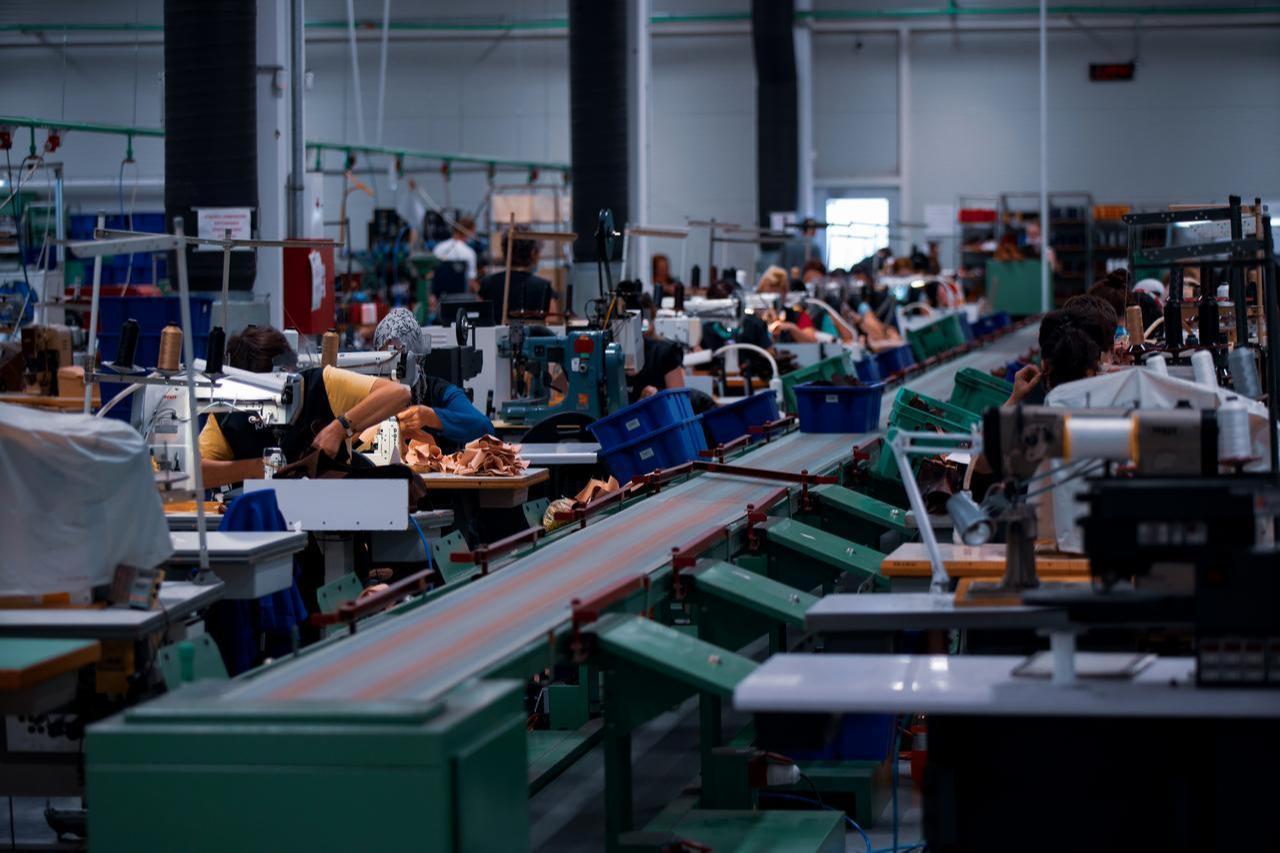
In the sectoral breakdown, the textile and apparel industry, burdened by rising costs as a labor-intensive sector, saw the most concordatum activity in 2025, with courts issuing 177 temporary protection decisions for textile-related firms.
Including applications from footwear, carpet, bag, yarn, and leather producers, filings across the broader textile and ready-wear category reached 234.
The construction sector followed with 134 filings, while metal manufacturers accounted for 84. Fruit and vegetable wholesalers and food producers filed 58 and 56 cases, respectively.


 Set as preferred source
 Set as preferred source


 1 min read

 1 min read