Newsletters




The U.S. Department of Justice (DOJ) is reportedly examining Binance's handling of transactions potentially linked to Iran, opening a new U.S. investigation into the world's largest cryptocurrency exchange.
Prosecutors are looking into whether Binance failed to block trading that could have breached U.S. sanctions on Iran and whether the exchange knowingly permitted the activity, people familiar with the matter told Bloomberg.
The Manhattan U.S. Attorney's Office is handling the investigation, with the DOJ's Criminal Division in Washington also involved. The investigation remains at an early stage, and a Justice Department inquiry does not necessarily lead to criminal charges, the report added.
In a statement, Binance said it takes sanctions compliance seriously and works with law enforcement on investigations involving suspicious activity. "We fully cooperate with law enforcement, and we remain committed to rooting out and shutting down bad actors."
The investigation adds another layer to the U.S. government's scrutiny of Binance, which has already faced major enforcement action.
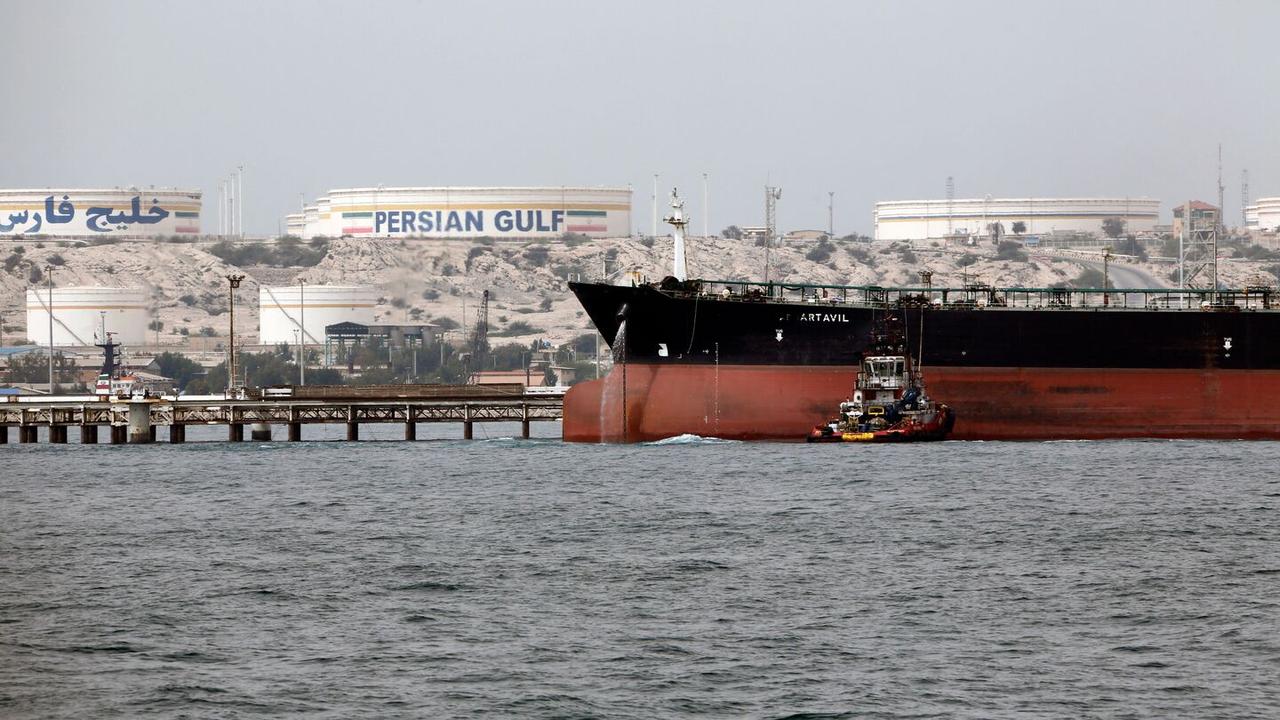
Earlier this month, federal prosecutors in Manhattan sought the forfeiture of $61 million in cryptocurrency that they allege came from black-market Iranian oil sales and was moved through a network of digital wallets.
The DOJ said the broader network had handled more than $1.5 billion in proceeds from Iranian oil sales, with two Chinese companies allegedly using Binance trading accounts to launder some of the funds. Binance was not accused of wrongdoing in the forfeiture case.

In 2023, Binance pleaded guilty to violating U.S. financial and sanctions rules and agreed to pay $4.3 billion in penalties and forfeiture. The company also agreed to strengthen its compliance program and retain an independent monitor for three years.
Binance founder and then-CEO Changpeng Zhao separately pleaded guilty to causing the company to fail to maintain an effective anti-money laundering program. He stepped down as CEO as part of the resolution.
The DOJ said Binance had allowed more than $898 million in trades between U.S. users and users ordinarily resident in Iran between January 2018 and May 2022.
Iran has developed a sizeable cryptocurrency market as sanctions and limited access to the international financial system constrain traditional cross-border banking.
Blockchain intelligence firm TRM Labs estimates that Iran recorded about $10 billion in cryptocurrency activity in 2025, including inbound and outbound flows. Illicit activity was overwhelmingly concentrated in stablecoins, particularly USDT, while ordinary Iranians also use digital assets to protect their savings from currency instability.


 Set as preferred source
 Set as preferred source


 1 min read
 1 min read