Newsletters


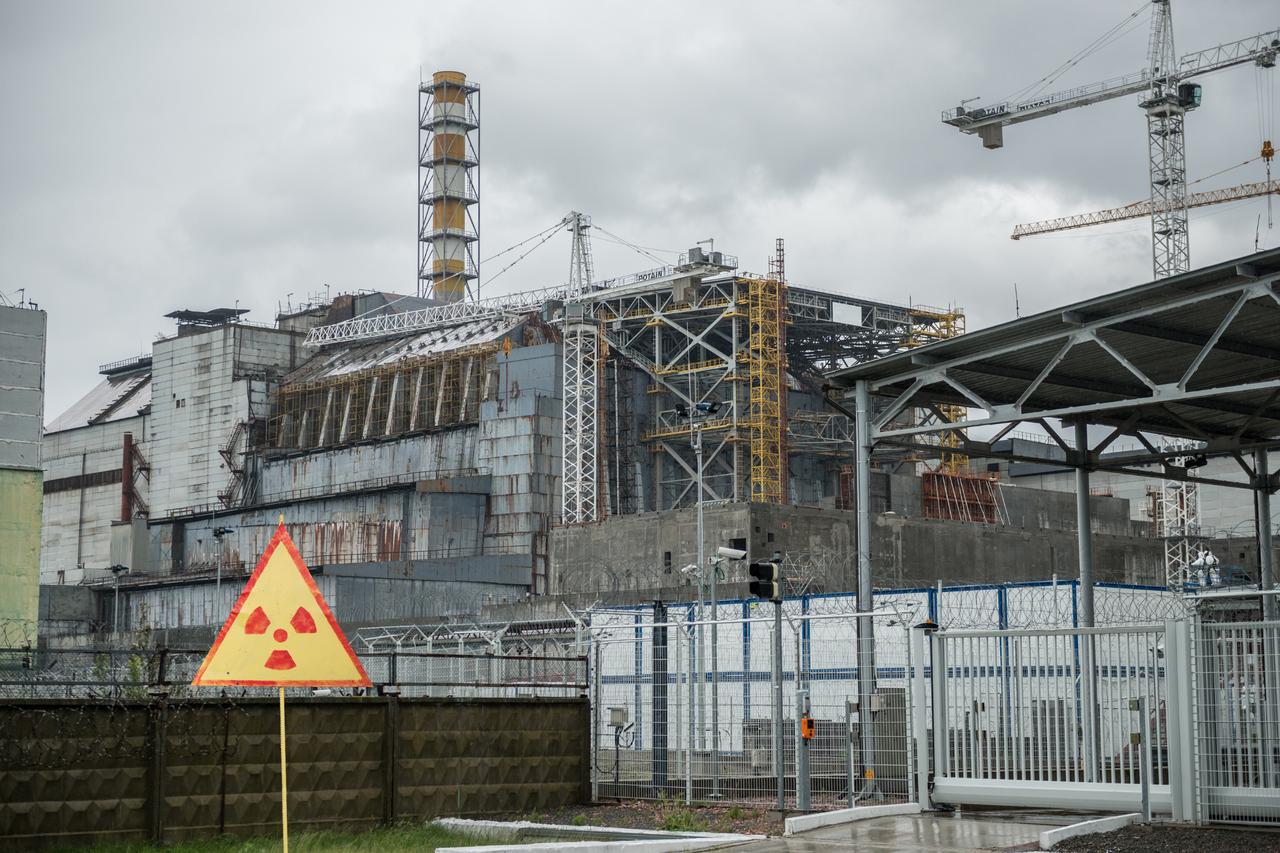


Forty years after the Chernobyl disaster, authorities in Türkiye are emphasizing preparedness, early warning systems, and coordinated response plans as concerns over nuclear risks resurface amid ongoing regional conflicts, according to a report by BBC Turkish.
The 1986 explosion at the fourth reactor released radiation estimated to be around 50 times greater than the atomic bomb dropped on Hiroshima in 1945, spreading radioactive clouds across multiple countries.
Decades later, some areas around the plant still carry dangerous radiation levels, with long-term deaths linked to the disaster estimated at around 200,000.
Recent attacks on nuclear-related infrastructure in conflict zones such as Ukraine and Iran have renewed attention on the risks, even as experts underline that modern safety systems have significantly reduced the likelihood of a similar catastrophe.
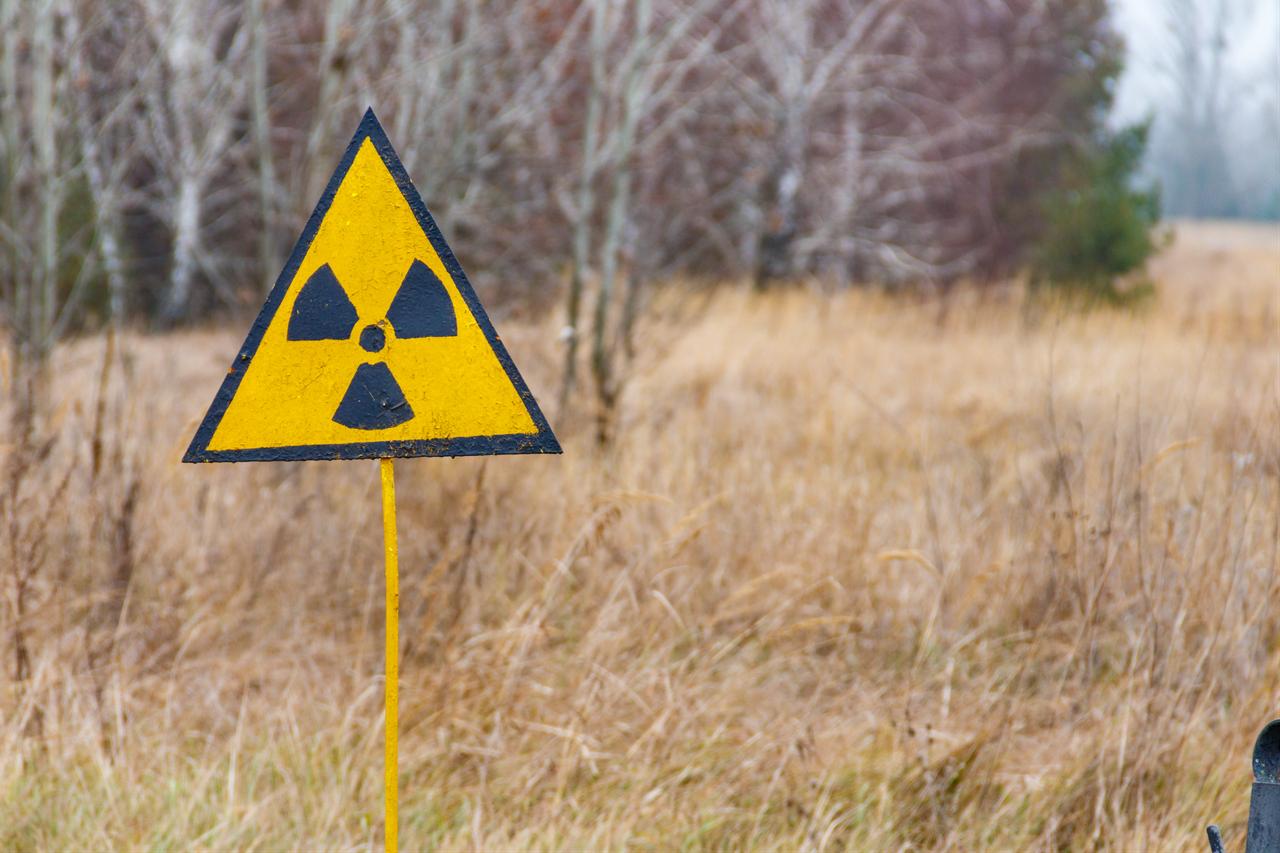

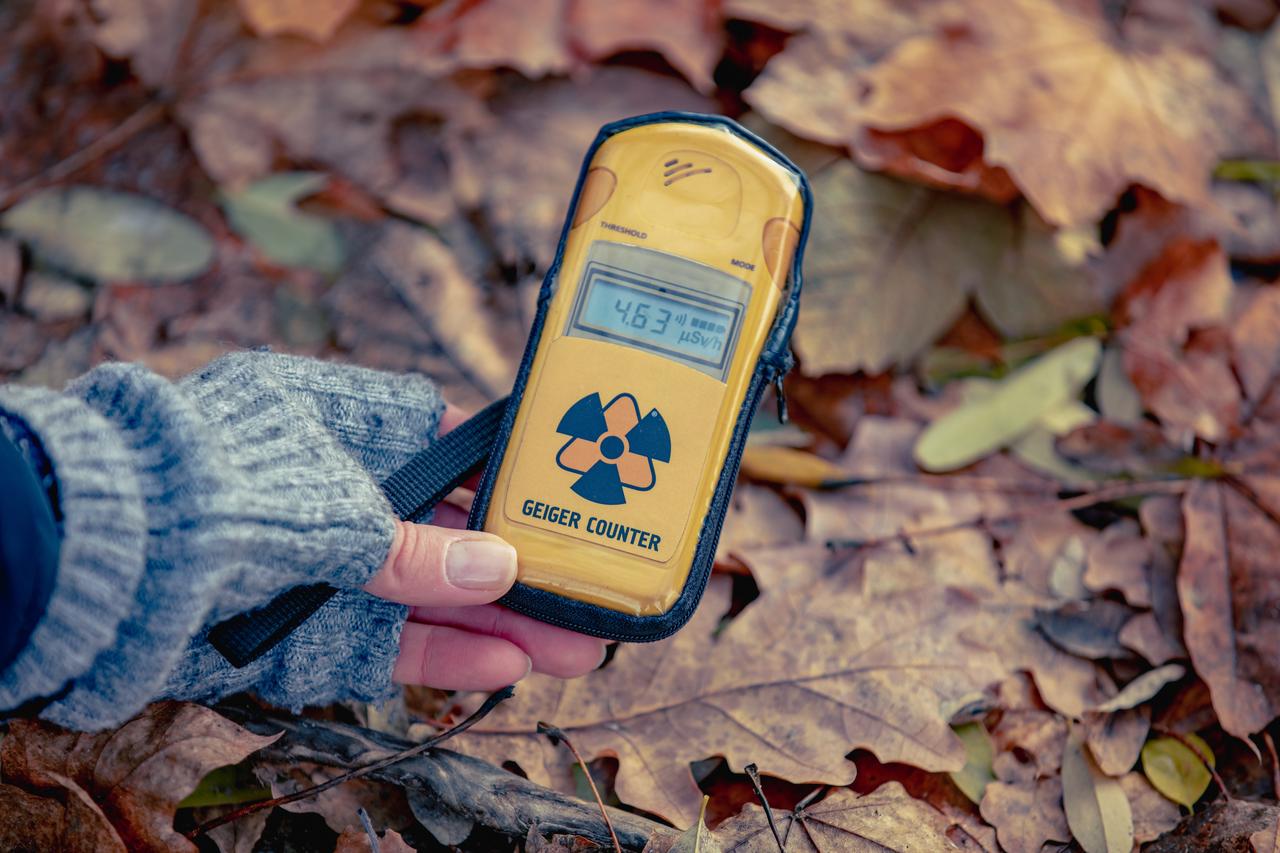
Türkiye’s primary safeguard against nuclear incidents rests on its nationwide radiation monitoring network, known as RADISA. Operated by the Nuclear Regulatory Authority of Türkiye, the system continuously measures radiation levels across the country.
The network spans provincial and district centers, energy facilities and border areas, along with dedicated monitoring points around the Akkuyu Nuclear Power Plant. In total, hundreds of stations feed real-time data into a centralized system designed to detect unusual radiation spikes.
Experts explain that while temporary fluctuations can occur due to natural or cosmic sources, sustained increases trigger alerts. Once flagged, specialized teams are dispatched to assess the source and determine whether protective measures are required.
Officials and specialists cited by BBC Turkish note that Türkiye has significantly improved its technical capacity, workforce and monitoring infrastructure since the Chernobyl era, positioning early detection as the cornerstone of its response strategy.
In the event of a radioactive leak affecting Türkiye, the country’s emergency framework is activated through the National Radiation Emergency Plan (URAP), coordinated by the Disaster and Emergency Management Authority and the nuclear regulator.
The plan sets out institutional responsibilities, response procedures and protective measures. These include distributing iodine tablets to reduce thyroid exposure to radioactive iodine, deploying protective filters, and, if necessary, enforcing quarantines or evacuations in affected areas.
Experts stress that while complete protection is not possible, preparedness can significantly reduce health risks. They also highlight the importance of clear and rapid communication during crises, noting that even well-designed large-scale plans may face disruptions without effective coordination.
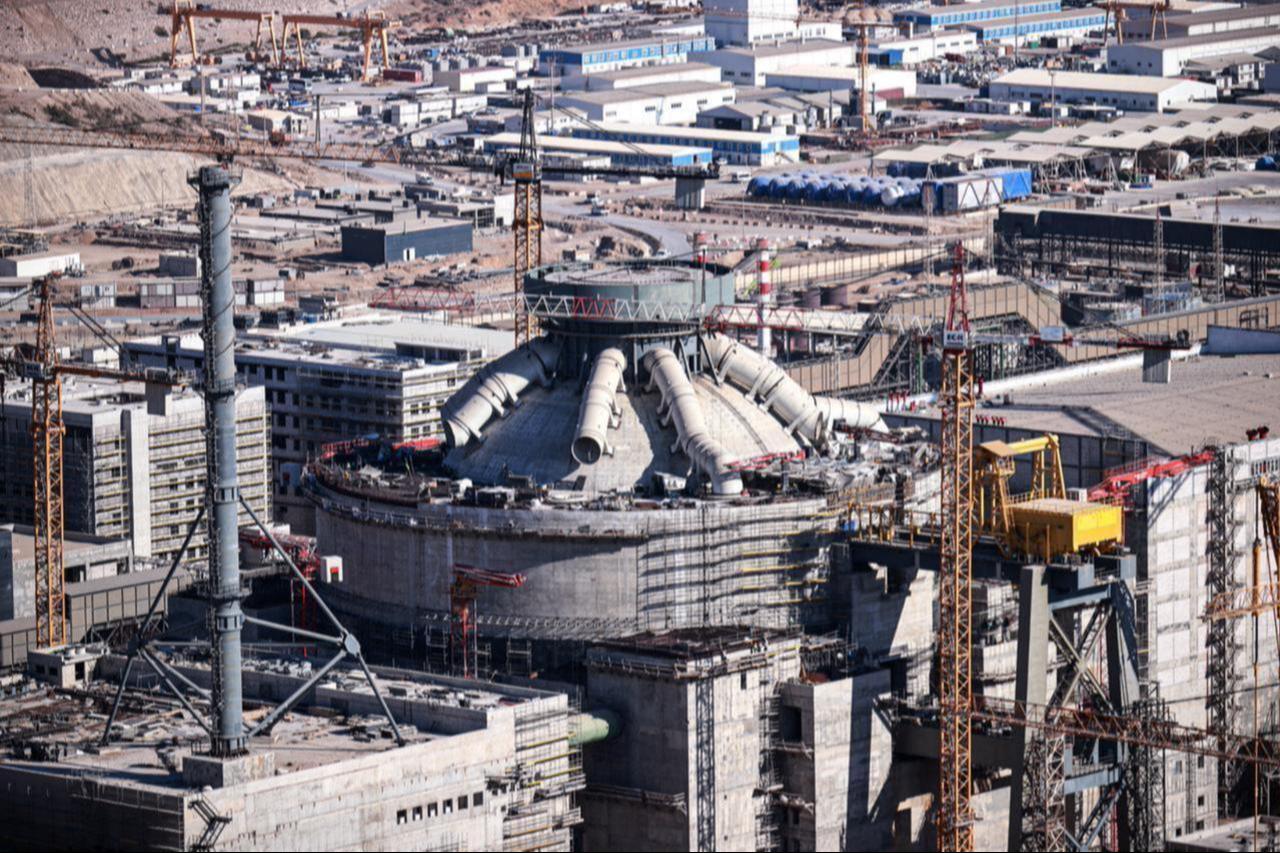
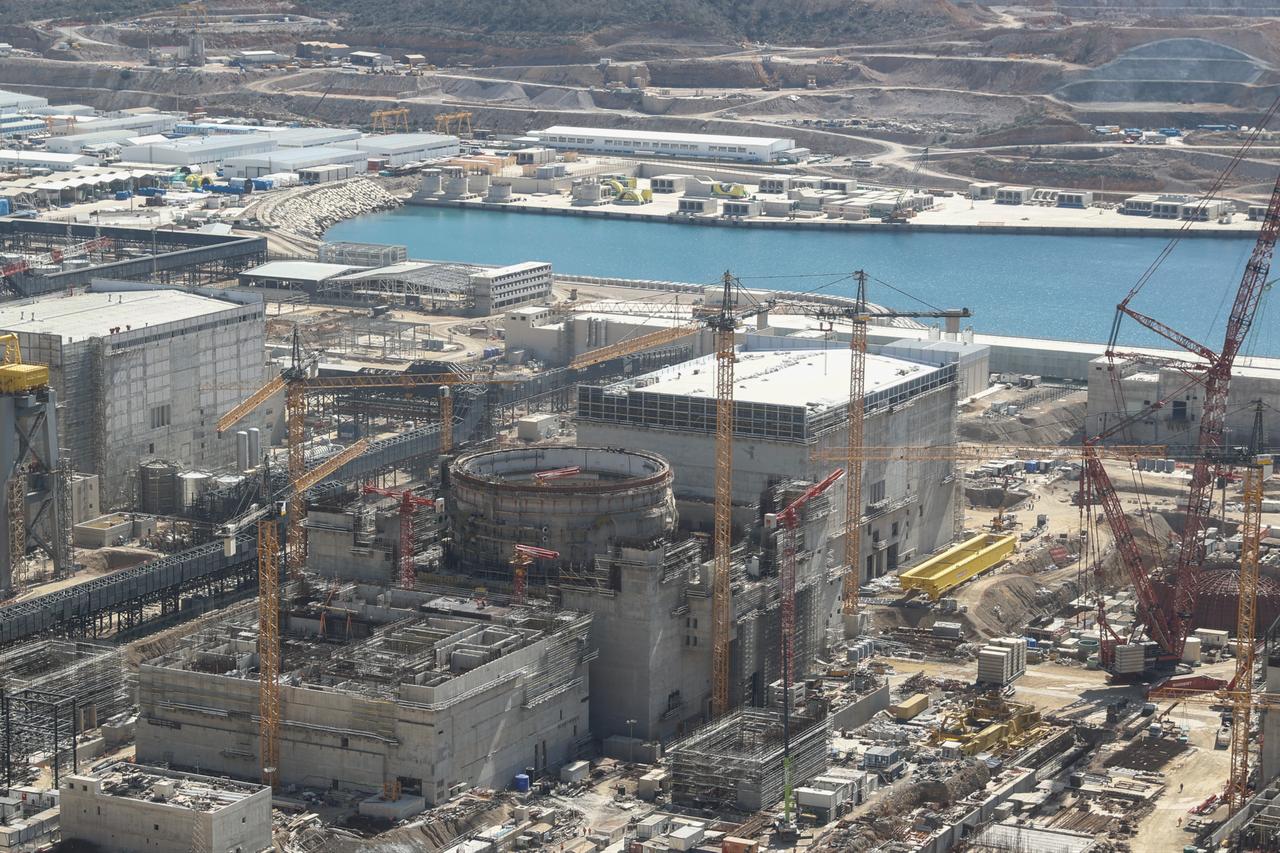
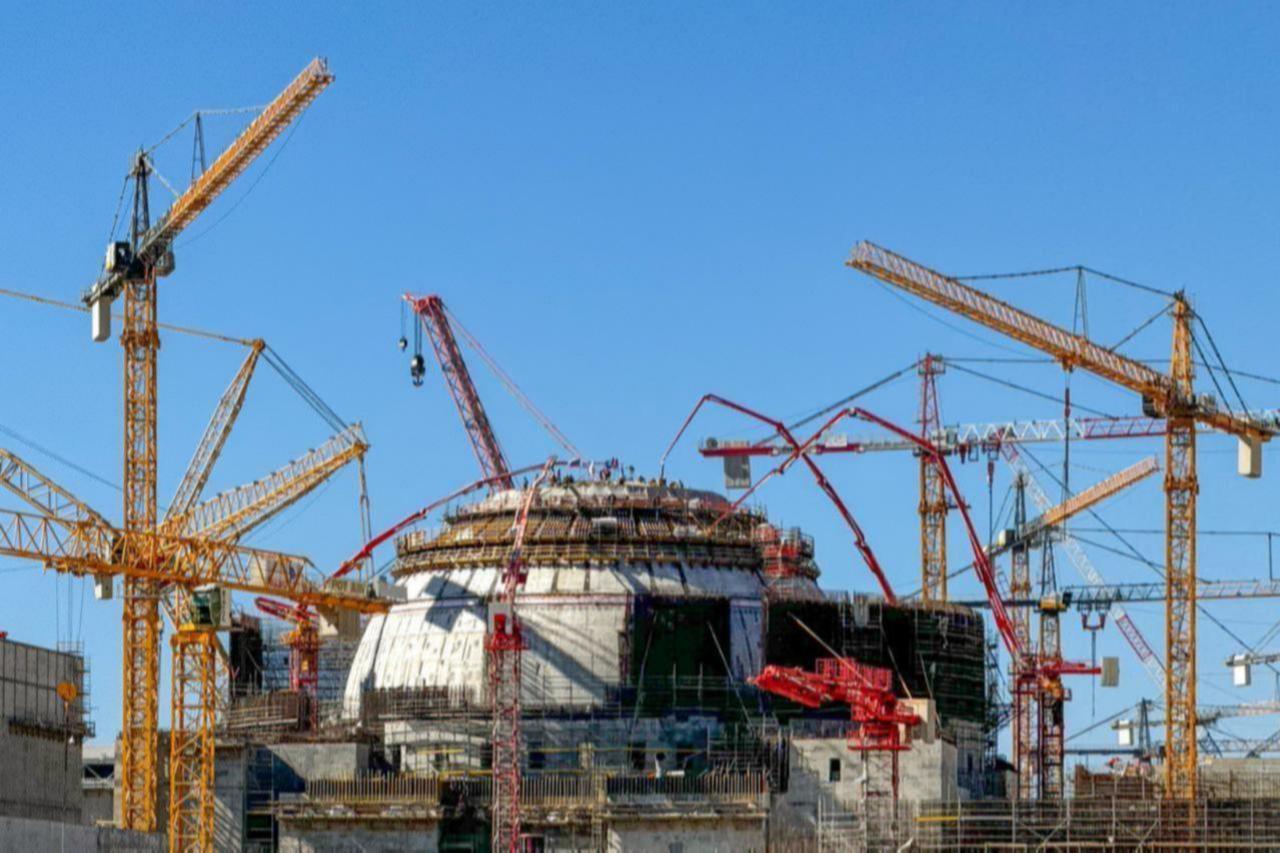
As Türkiye moves forward with nuclear energy development, the Akkuyu plant on the Mediterranean coast remains central to discussions about safety. Construction began in 2017, and the first reactor is expected to become operational by the end of this year.
Operated by Akkuyu Nuclear Inc., a company largely backed by Russian capital but subject to Turkish law, the facility is designed to withstand extreme scenarios, including major earthquakes, floods and high-impact collisions.
According to experts, the plant uses so-called third-generation-plus reactor technology, which incorporates both active and passive safety systems developed in response to past nuclear accidents, including the Fukushima nuclear disaster.
Despite these safeguards, critics continue to raise concerns over seismic risks and environmental impacts, while specialists maintain that no system can be entirely risk-free and that preparedness must remain ongoing.
Türkiye’s proximity to several nuclear facilities adds another layer to its risk assessment. Among them, the Zaporizhzhia Nuclear Power Plant, Europe’s largest nuclear facility, and Iran’s Bushehr Nuclear Power Plant have drawn particular attention due to their location in or near conflict zones.
Although experts suggest that large-scale catastrophic releases are unlikely due to protective containment structures, they acknowledge that controlled leaks remain a possibility, requiring constant monitoring and preparedness.
Closer to Türkiye’s borders, the Metsamor Nuclear Power Plant is often cited as a potential concern. Located just 16 kilometers from the Turkish border, the plant is based on older designs dating back decades, with one reactor still in operation.
Specialists emphasize the need for modernization of such facilities, underlining that regional cooperation and oversight by international bodies such as the International Atomic Energy Agency remain critical.
As Türkiye reflects on the legacy of Chernobyl, officials and experts converge on a common point: while the probability of a disaster on that scale has decreased, the need to stay prepared has not.
Continuous monitoring, updated emergency planning and public awareness are seen as key elements in reducing risk. As one expert put it, even if the chance is extremely low, every possible scenario must still be planned for.


 Set as preferred source
 Set as preferred source


 1 min read
 1 min read