Newsletters


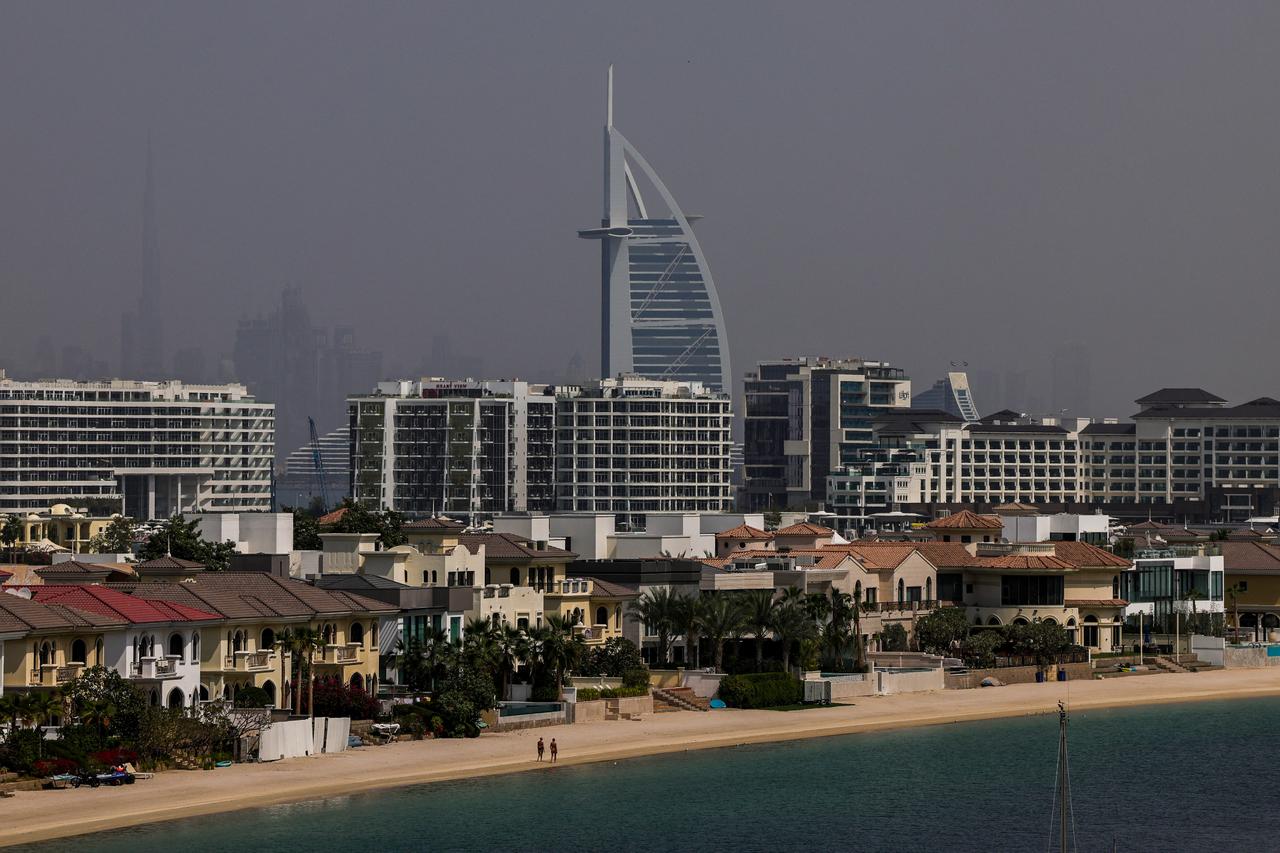


Dubai entered 2026 with record tourism momentum, but escalating military tensions across the Middle East are now threatening the emirate’s travel industry and property market.
The city welcomed 19.59 million international visitors in 2025, a five percent increase from the previous year and the third consecutive annual record, according to data from the Dubai Department of Economy and Tourism.
Hotel occupancy averaged 80.7% across 827 hotels and more than 154,000 rooms, reflecting strong demand from leisure and business travellers.
Western Europe remained the largest source market with 4.1 million visitors, followed by South Asia, the Gulf region, and Eastern Europe.
Dubai International Airport also retained its position as the world’s busiest airport for international passengers, supporting the steady flow of global visitors.
“Dubai’s tourism sector has achieved record-breaking figures for the third year in a row,” Crown Prince Sheikh Hamdan bin Mohammed bin Rashid Al Maktoum said in a statement.
He said the growth reflects long-term investment in infrastructure, events, and partnerships designed to strengthen Dubai’s position as a global tourism hub.
Major events such as the Dubai Shopping Festival, Dubai Summer Surprises, and the Dubai Fitness Challenge, which attracted more than three million participants in 2025, also helped drive year-round tourism demand.
However, developments in the region have quickly changed the outlook.


Recent military strikes and retaliatory attacks across the Gulf have begun to affect travel demand in Dubai, with cancellations increasing and hotel prices dropping sharply.
Security concerns after Iranian missile strikes on U.S. bases in the Gulf have triggered a wave of booking cancellations from European and Asian travellers.
Hotels in areas such as Palm Jumeirah and Downtown Dubai, which are usually booked months in advance, reportedly saw occupancy rates fall below 20 percent, according to Patronlar Dunyasi.
Luxury hotels have also slashed prices to attract remaining visitors.
At the Waldorf Astoria Palm Jumeirah, rooms that normally cost between $400 and $800 per night are now listed for around $255, according to the hotel’s website.
Other properties have cut prices even further, according to AOL. The Park Regis Kris Kin Hotel, which previously charged about $236 per night, is now advertising rooms for around $76.
The strikes also caused isolated damage.
Dubai Civil Defence said a fire triggered by debris from an intercepted drone was brought under control at a hotel on Palm Jumeirah. Authorities reported that four people were injured in the incident and taken to the hospital.
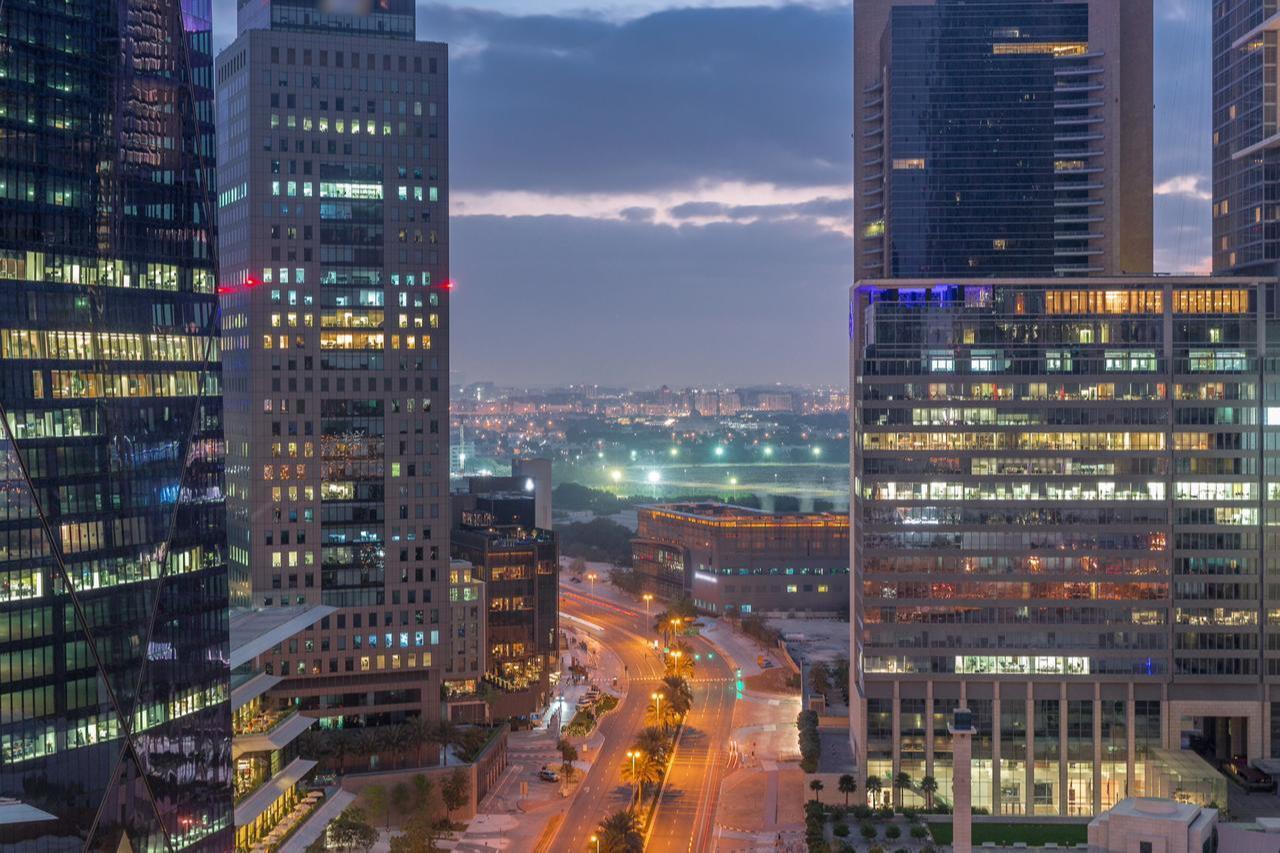
The regional tensions have also unsettled Dubai’s property sector, which experienced a rapid expansion in recent years.
Dubai real estate prices increased 60% between 2022 and early 2025, according to Fitch, while residential prices continued to rise in late 2025. The boom was driven by strong foreign demand, tax advantages, and an influx of wealthy migrants following global crises such as the war in Ukraine.
Foreign buyers and expatriates remain central to the market. Expatriates make up nearly 90% of the UAE’s population, which exceeded 11 million people in 2025.
However, recent attacks have raised concerns among investors. Shares in major developers, including Emaar Properties and Aldar Properties, fell about 5% on March 4, while bond markets for real estate financing have tightened.
“Real estate investment typically relies on stability, visibility and sustained investor confidence,” said Ryan Lemand, chief executive of Neovision Wealth Management in Abu Dhabi. He said these conditions often weaken during periods of geopolitical uncertainty.
Analysts say the key question will be whether international demand for property returns once the conflict stabilizes.
Dubai’s property market has depended heavily on foreign capital, with off-plan sales accounting for about 65% of transactions in 2025.
At the same time, developers are preparing to deliver 300,000 to 400,000 new housing units by 2028, raising concerns that supply could exceed demand if investor confidence declines.


 Set as preferred source
 Set as preferred source



 1 min read