Newsletters


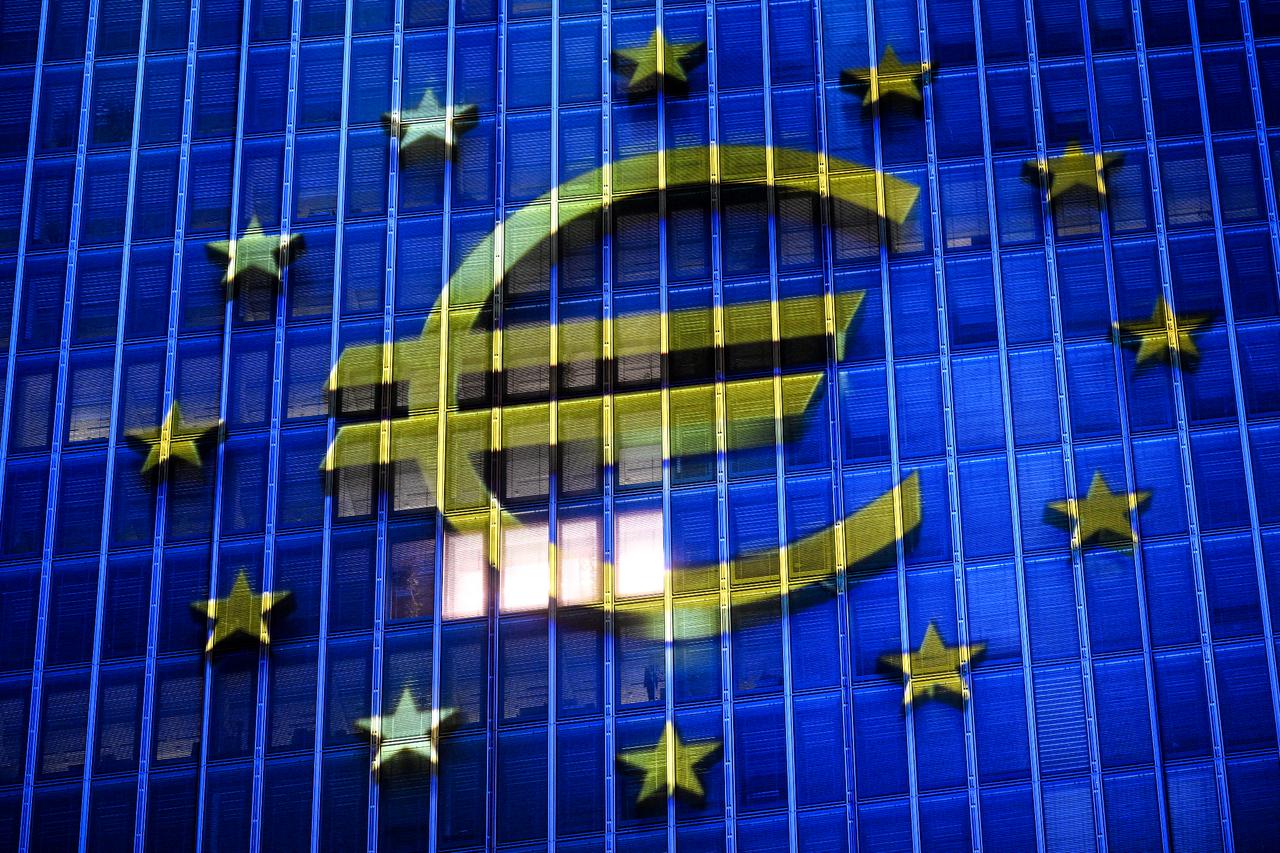


The European Central Bank (ECB) left its benchmark interest rate unchanged at 2% on Thursday, while cautioning that the euro’s recent appreciation could further suppress inflation, already below the central bank’s 2% target.
In January, eurozone inflation dropped to 1.7%, largely driven by falling energy prices.
President Christine Lagarde said the eurozone economy "remained resilient," but acknowledged that the recent strengthening of the euro had raised internal concerns.
The single currency briefly climbed above $1.20 last week amid renewed uncertainty over U.S. economic policy, before settling at $1.18 after the ECB’s press conference.
Lagarde warned that "a stronger euro could bring inflation down beyond current expectations," adding that the matter had been actively discussed during the bank’s meeting. A higher euro typically makes imports cheaper, lowering inflation, and can hurt exporters by making their goods more expensive abroad.
Despite the recent surge, Lagarde emphasized the euro’s exchange rate is "very much in line with the overall average" since its inception. The ECB offered no forward guidance on potential rate changes. However, the combination of lower inflation and stronger currency has led some analysts to expect possible rate cuts in the second half of the year.
The ECB last cut rates in June 2025, bringing the deposit facility rate down to 2%.
Lagarde maintained that the ECB is "in a good place," a phrase widely interpreted as contentment with current policy settings. Still, investors remain alert for shifts as eurozone price growth continues to undershoot the central bank’s objective.
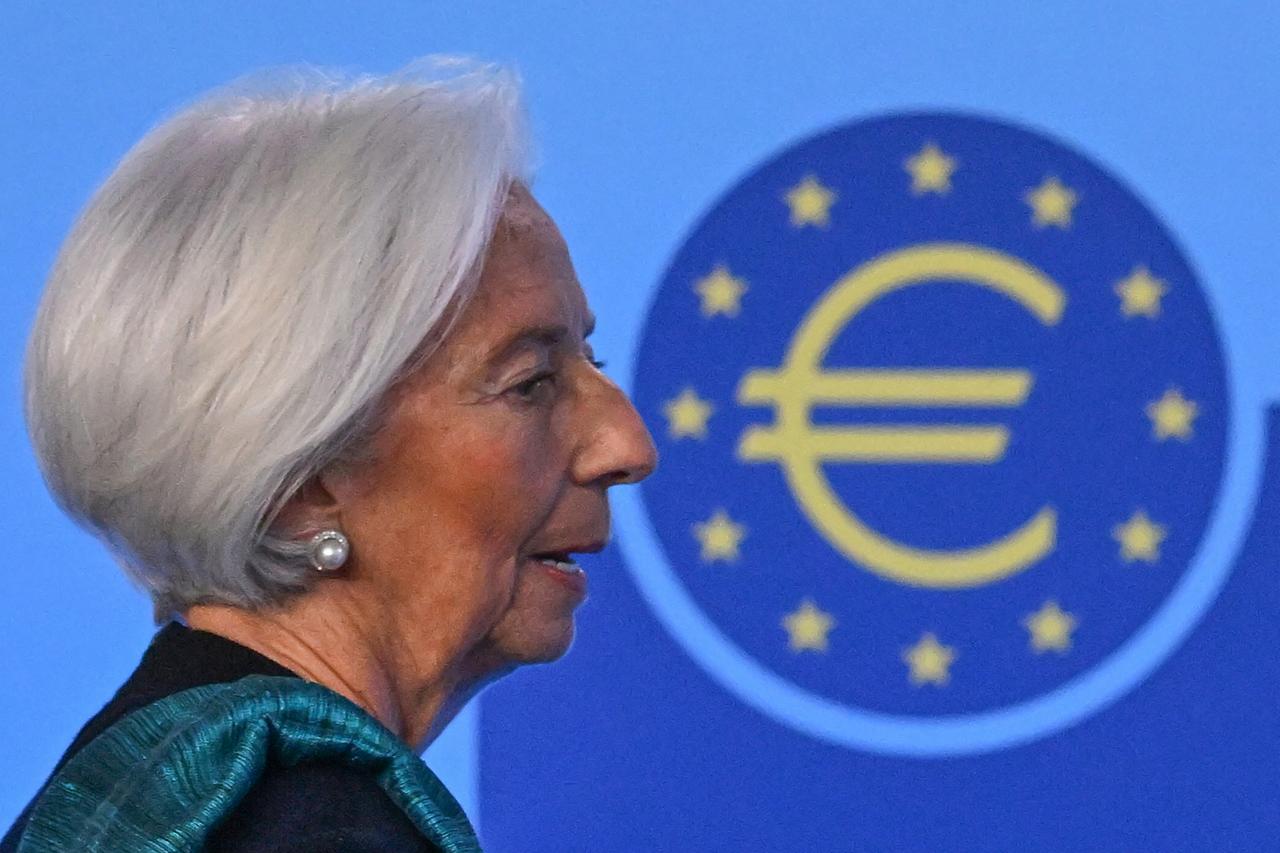

Lagarde noted that the "outlook is still uncertain," citing persistent global trade tensions and geopolitical risks. Volatility in U.S. policy, particularly under President Donald Trump, has been a recurring source of instability for European policymakers.
Last month, tensions flared when Trump threatened to impose tariffs on eight European nations due to disagreements over his Greenland policy. Additionally, his criticism of U.S. Federal Reserve Chair Jerome Powell had drawn concern globally, although his recent nomination of Kevin Warsh to lead the Fed was met with a more positive reception.
"We go back a long way and I very much welcome (the) announcement of his appointment," Lagarde said of Warsh.


 Set as preferred source
 Set as preferred source


 1 min read

 1 min read