Newsletters


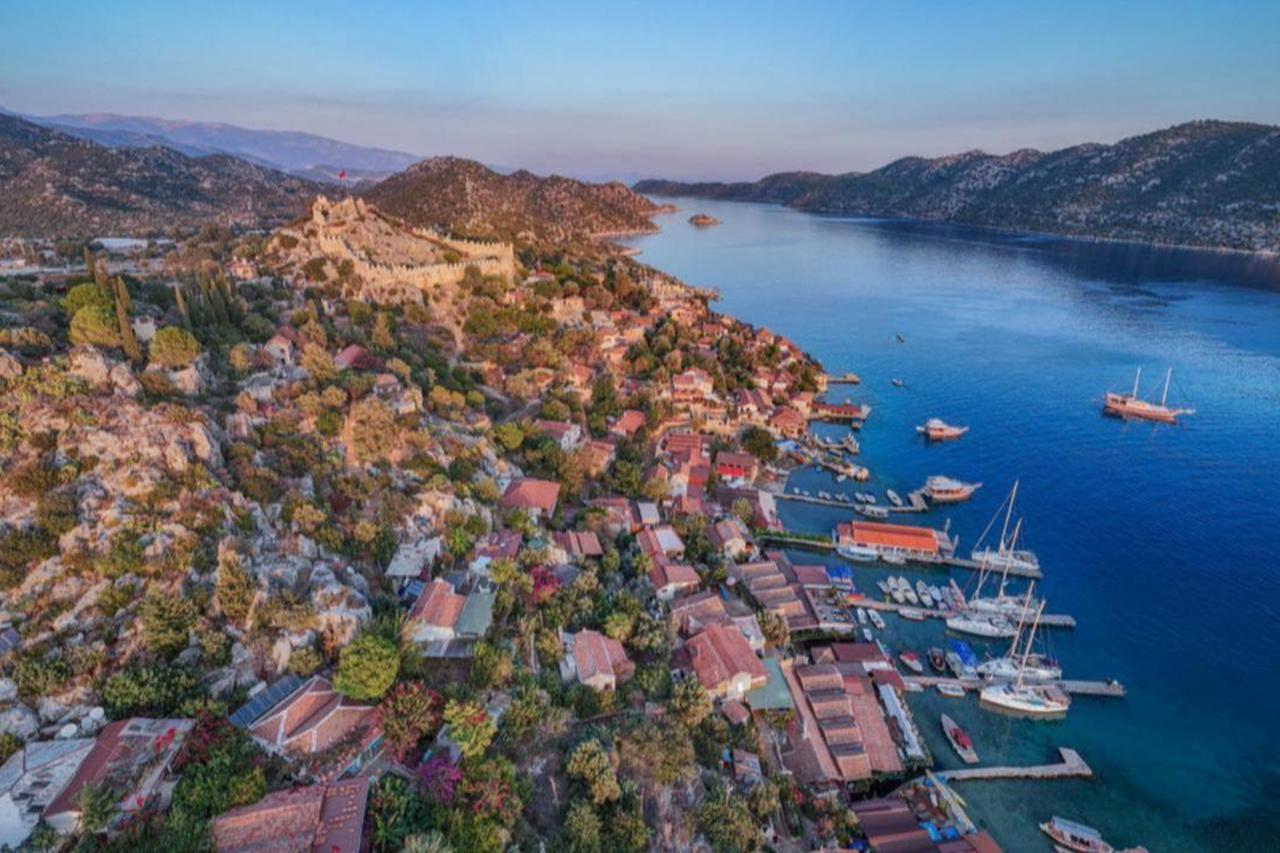


Türkiye’s tourism sector expects limited demand during the upcoming Eid holiday.
Industry representatives are pointing to the short duration of the break and ongoing regional developments as key factors shaping travel behavior.
Muberra Eresin, president of the Turkish Hoteliers Association (TUROB), said domestic demand is likely to remain modest, although some movement is expected in coastal destinations due to seasonal conditions.
“We believe there may be limited demand for two to three-day city and cultural tours due to the short duration of the holiday. With the effect of spring, activity in coastal regions will increase slightly,” Eresin said.
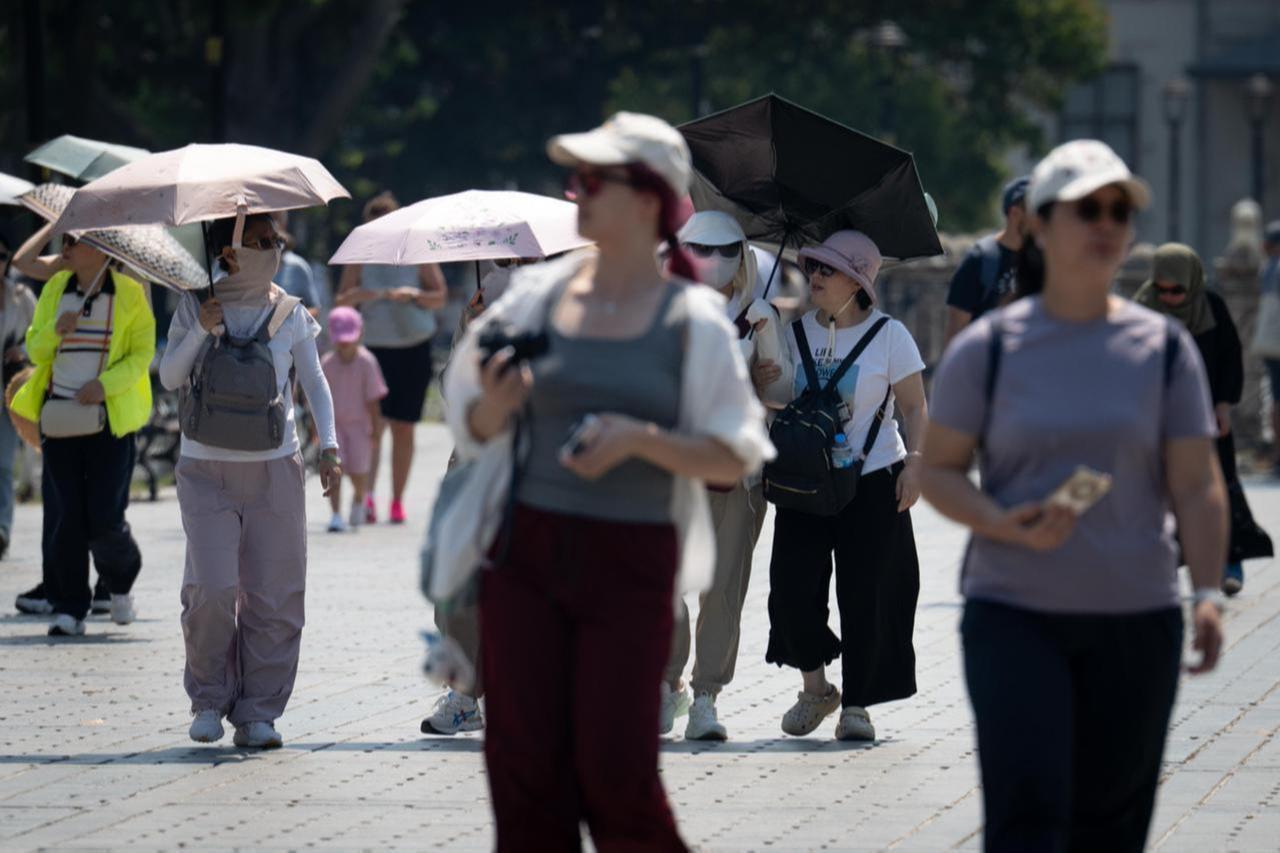

The tourism season has not fully begun, which further reduces expectations for strong domestic travel demand during the holiday period.
While high occupancy rates are unlikely, certain destinations could still see moderate activity, particularly hotels offering entertainment programs.
“There may be higher demand in facilities that host artist performances. Even if occupancy is not very high, we expect some movement in coastal destinations,” the president of the Turkish Hoteliers Association, Muberra Eresin said.
Antalya is expected to stand out due to its favorable climate, while alternative tourism destinations near Istanbul could also attract visitors during the holiday.
However, Eresin emphasized that Turkish travelers do not typically prioritize city and cultural tours during Eid holidays, limiting overall demand in those segments.
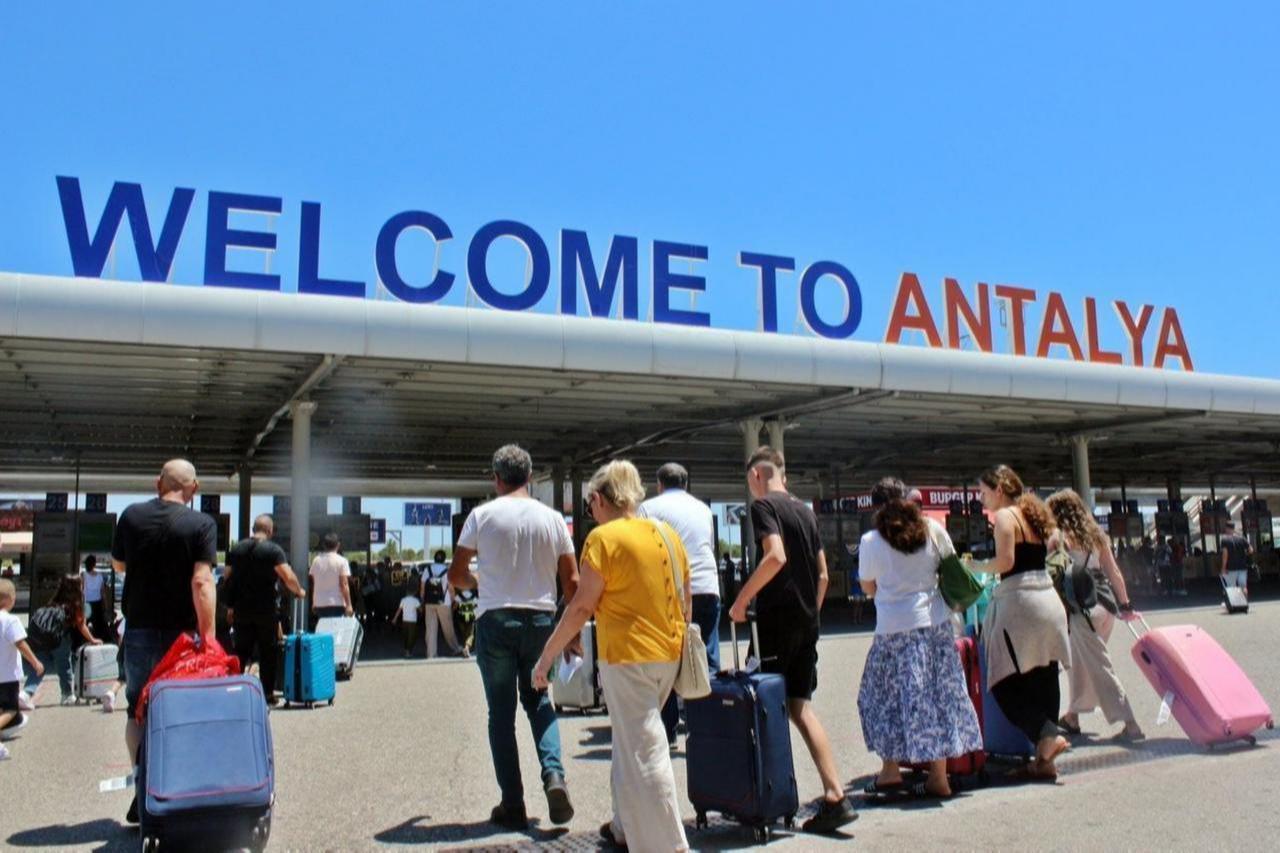
According to Muberra Eresin, this year’s holiday period is expected to be quieter than previous years, particularly in major cities such as Istanbul.
She pointed to the ongoing war in the region as a major factor behind the decline in visitors from Gulf countries and the Middle East.
“We have no expectations from the Middle East and Gulf markets during this holiday period,” she said, adding that the Iranian market, which usually peaks in March, has also stalled.
Eresin noted that uncertainty in Europe is also affecting travel decisions.
“Due to the initial shock of the war, people in Europe are hesitant. They are likely to stay in their own countries during this period, and our hotels will close the holiday with occupancy rates well below expectations,” she said.
She added that demand appears to be shifting toward the longer Eid al Adha holiday and the summer season rather than the current period. She also pointed out that reduced credit card limits are affecting consumers planning holidays.
Despite the challenges, Eresin stressed that Türkiye continues to be seen as a safe destination globally.
“Tourism is inherently a sector of peace, and geopolitical developments naturally affect travel decisions. Türkiye is currently one of the safest tourism destinations in the world,” she said, adding that recent cancellations remain limited and are not expected to create long-term damage.
Eresin also warned of a rise in fraudulent booking websites targeting both hotels and travelers, urging consumers to take precautions when planning trips.
She said that fake websites often imitate official hotel pages or offer unusually low prices to attract users, leading to financial loss and stolen credit card information.
“Consumers should be cautious of campaigns offering prices significantly below normal levels. When making travel plans, reliable travel agencies should be preferred, and if booking online, the authenticity of the website must be verified,” she said.
Eresin added that the safest method is to book directly through a hotel’s official website and to confirm reservations by contacting the hotel after completing the process.


 Set as preferred source
 Set as preferred source


 1 min read