Newsletters




Internal emails raise new questions about Europe’s diesel scandal.
Newly revealed internal emails suggest Germany’s largest carmakers may have coordinated diesel emissions strategies as early as 2006, three years earlier than European Union regulators ultimately determined.
According to documents obtained by the investigative platform Follow the Money, BMW, Volkswagen, and DaimlerChrysler were discussing how to handle emissions reduction technology well before the European Commission concluded their illegal coordination began in 2009.
In 2021, the Commission fined BMW, Volkswagen, and DaimlerChrysler €875 million after finding they had colluded between 2009 and 2014 to limit how effectively their diesel vehicles reduced toxic nitrogen oxide emissions.
The length of the infringement period played a key role in determining the size of the fines.
However, the newly disclosed emails suggest discussions over emissions strategy were already taking place in 2006. One October 2006 Volkswagen email stated, “Everyone has reaffirmed that a solo effort (by one car manufacturer) at this point is to everyone’s disadvantage.”
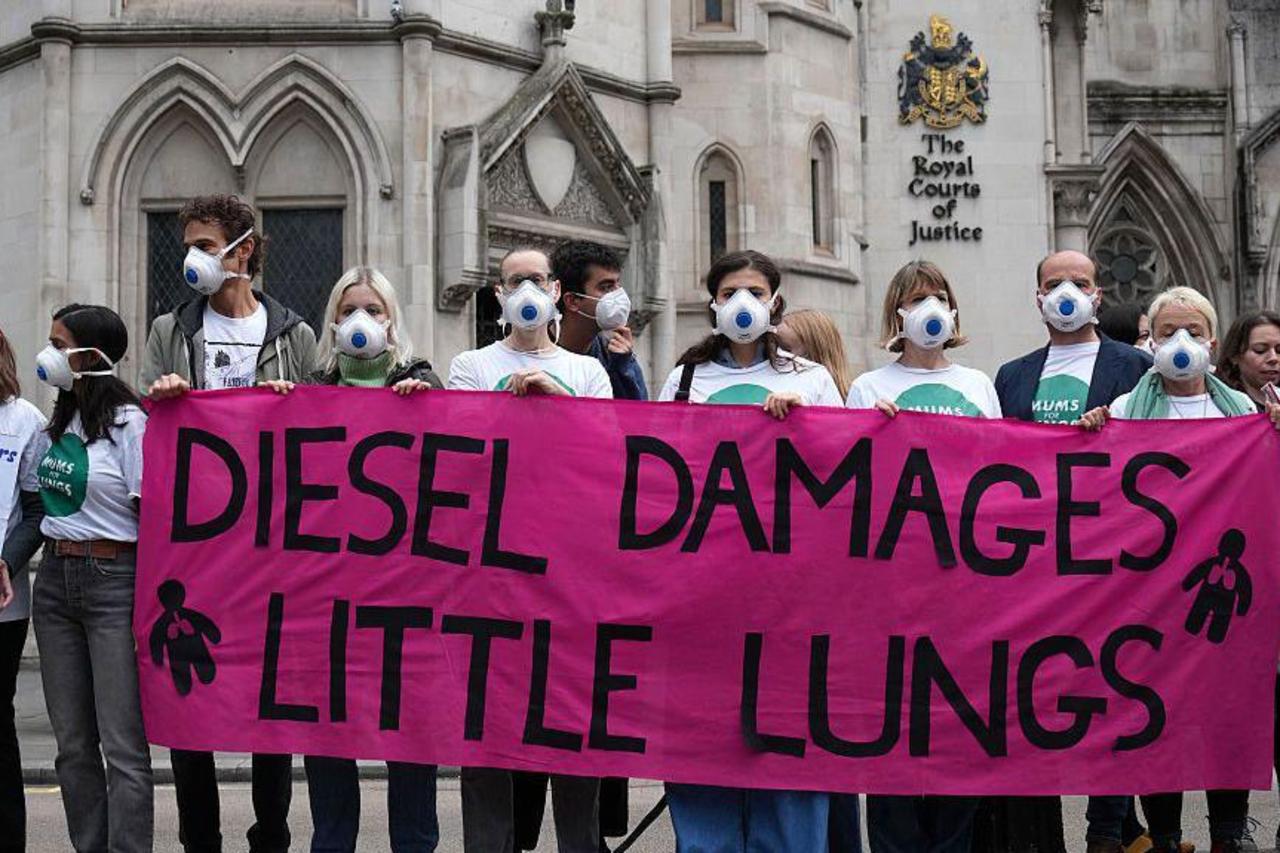
The documents were filed as evidence in ongoing litigation before London’s High Court of Justice, where five carmakers face a trial brought by a group representing 1.6 million diesel car owners.
The claimants allege their vehicles contained illegal software designed to cheat emissions tests. The existence of the cartel itself has already been established by EU regulators.
The internal correspondence centers on Selective Catalytic Reduction, or SCR, a technology that reduces nitrogen oxide emissions by injecting urea fluid into exhaust gases.
SCR systems require a urea tank. Larger tanks reduce emissions more effectively but can be difficult to fit into smaller vehicles that dominate Europe’s urban markets. Smaller tanks require more frequent refilling, something manufacturers feared would discourage buyers.
To avoid frequent refills, carmakers reduced the amount of urea injected into the exhaust system, a process known as “dosing.”
The emails suggest that companies were aware that limiting dosing would require careful explanation to regulators.
One message stressed that any shared position would need to be “clarified before the authorities” in a joint paper. It continued, “Everyone wants a limitation because of the limited size of the urea tank. No one wants to report the true motivation of this limitation of HWL dosing to the authorities (CARB, EPA).”
The reference to CARB and the EPA, the California Air Resources Board and the U.S. Environmental Protection Agency, is striking. It was those authorities that later uncovered Volkswagen’s emissions fraud during the 2015 Dieselgate scandal.
Another October 2006 email from a Volkswagen engineer suggested the challenge was less technical than strategic: "Ultimately (it is) not a question of technology but about the most skillful presentation possible to the authorities. A BMW diesel development employee wrote in November 2006 that he was “already mentally preparing for the authorities to scrutinize us closely with this new system.”
An internal DaimlerChrysler summary described the issue as “a very political issue” requiring “a uniform solution,” adding that the “decision has to come from higher up.”
The cartel case unfolded alongside the wider Dieselgate scandal.
The scandal erupted in 2015 when Volkswagen admitted to U.S. authorities that it had installed so-called defeat devices in millions of diesel cars.
These software programs detected when vehicles were undergoing emissions testing and temporarily reduced pollution levels.
Volkswagen paid billions in fines and settlements in the United States and Europe. Other manufacturers, including Hyundai and Stellantis, were also found to have vehicles that adjusted emissions behavior depending on whether they were operating under laboratory test conditions or real-world driving.
In the EU case concluded in 2021, regulators did not accuse the companies of installing defeat devices. Instead, they found that the manufacturers had coordinated to avoid competing on emissions cleaning performance, effectively limiting the development and deployment of more advanced pollution control.
Bosch, an automotive supplier that corresponded with the manufacturers about SCR technology, was not fined or accused of participating in the cartel.
The newly disclosed emails raise questions about why the European Commission concluded the cartel began in 2009 rather than 2006.
Jan Blockx, assistant professor of European economic law at the University of Antwerp and former competition lawyer, told Follow the Money, “It is difficult as an outsider to determine if these documents were sufficient evidence to say there was already a cartel in 2006, given the complexity of the case.”
He noted that the 2021 decision resulted from a settlement between the Commission and the companies. Settlements are common in EU competition law and can reduce time and legal costs.
Blockx suggested that companies may have been unwilling to admit the cartel existed before 2009.
“The Commission could have chosen to press on, but then it would have risked an appeal by the companies in front of the Court of Justice,” he said, warning that prolonged litigation could have lasted years and risked judges siding with the carmakers.
Notably, the Korea Fair Trade Commission later ruled on the same case involving the same companies and determined that the infringement began in 2006.
A Commission spokesperson said it was “not aware of what evidence is contained in the file before the UK High Court, as it is not a party to these court proceedings.”
Mercedes-Benz Group, formerly DaimlerChrysler, said it “cooperated extensively” with the Commission but could not comment further on the relevant time period and described the High Court claims as “without merit.”
Volkswagen declined to comment. BMW said the matter had been concluded for it by the 2021 Commission decision. Bosch said it does not comment on internal business correspondence.


 Set as preferred source
 Set as preferred source



 2 min read