Newsletters


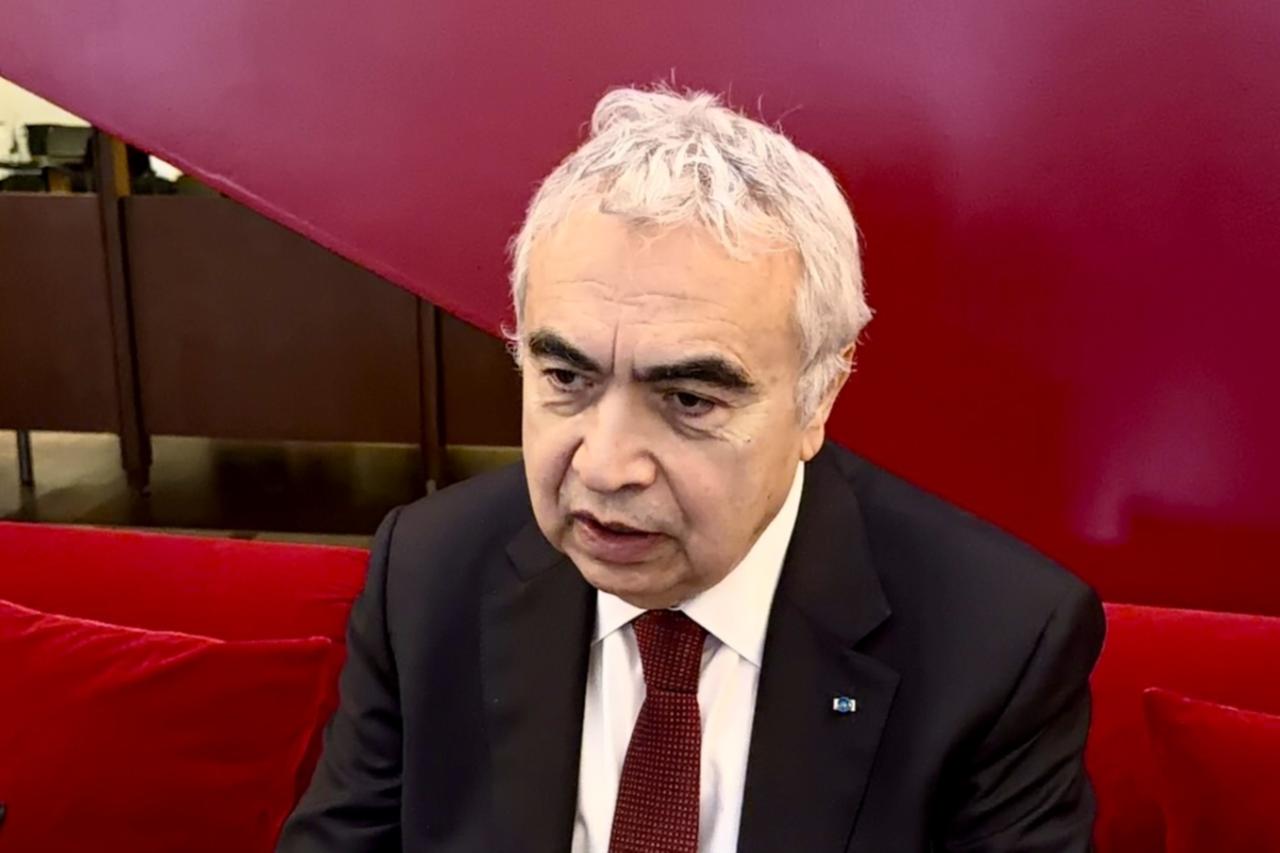


International Energy Agency (IEA) Executive Director Fatih Birol has announced that the world has entered the electricity age, emphasizing that critical minerals and renewable energy have become vitally important in this new era while Europe undergoes a major return to nuclear energy.
Speaking to Anadolu Agency during high-level meetings in Stockholm, Sweden, Birol said the nuclear industry, which experienced stagnation in many European countries following Japan's Fukushima accident, has begun to revive and make a comeback. He noted that Sweden stands out as one of the leading countries in this field.
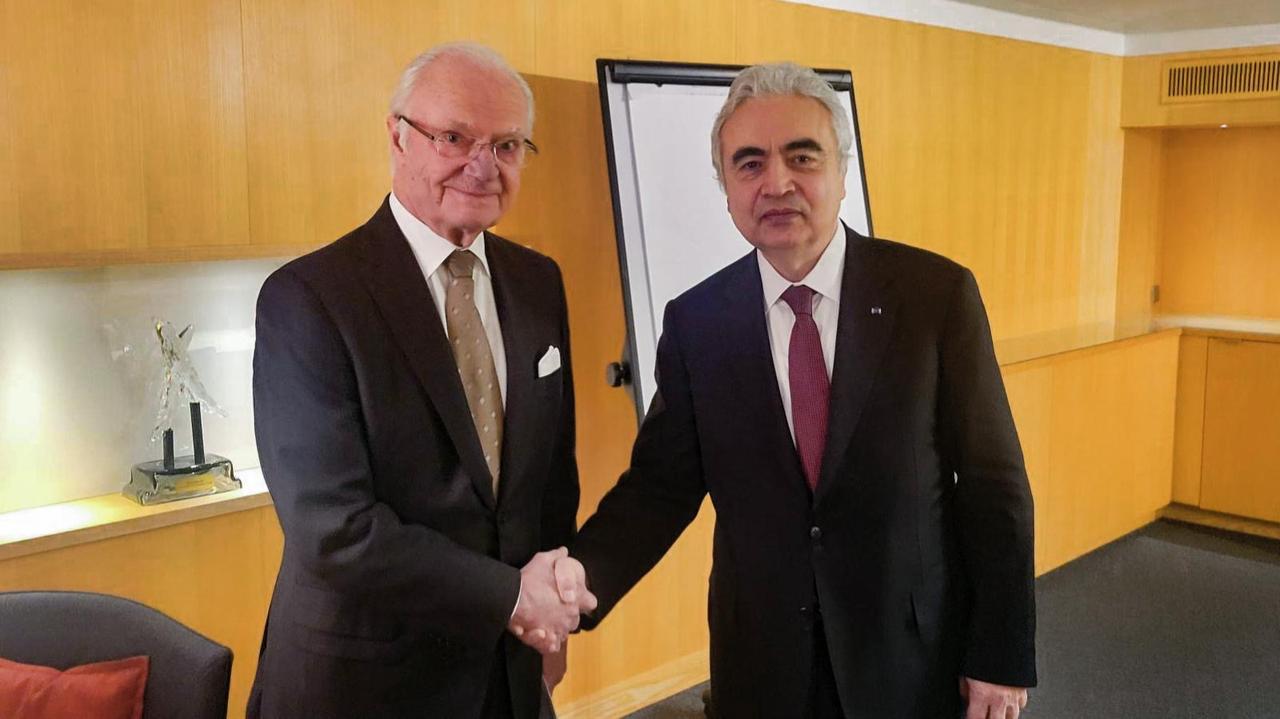

During his visit to the Swedish capital, Birol met with King Carl XVI Gustaf, Prime Minister Ulf Kristersson and former Prime Minister Carl Bildt to discuss energy policy and climate issues.
In his meeting with the Swedish monarch, Birol discussed nuclear energy, clean energy technologies, electric vehicles and climate change. He thanked the king for his support of both himself personally and the work of the International Energy Agency.
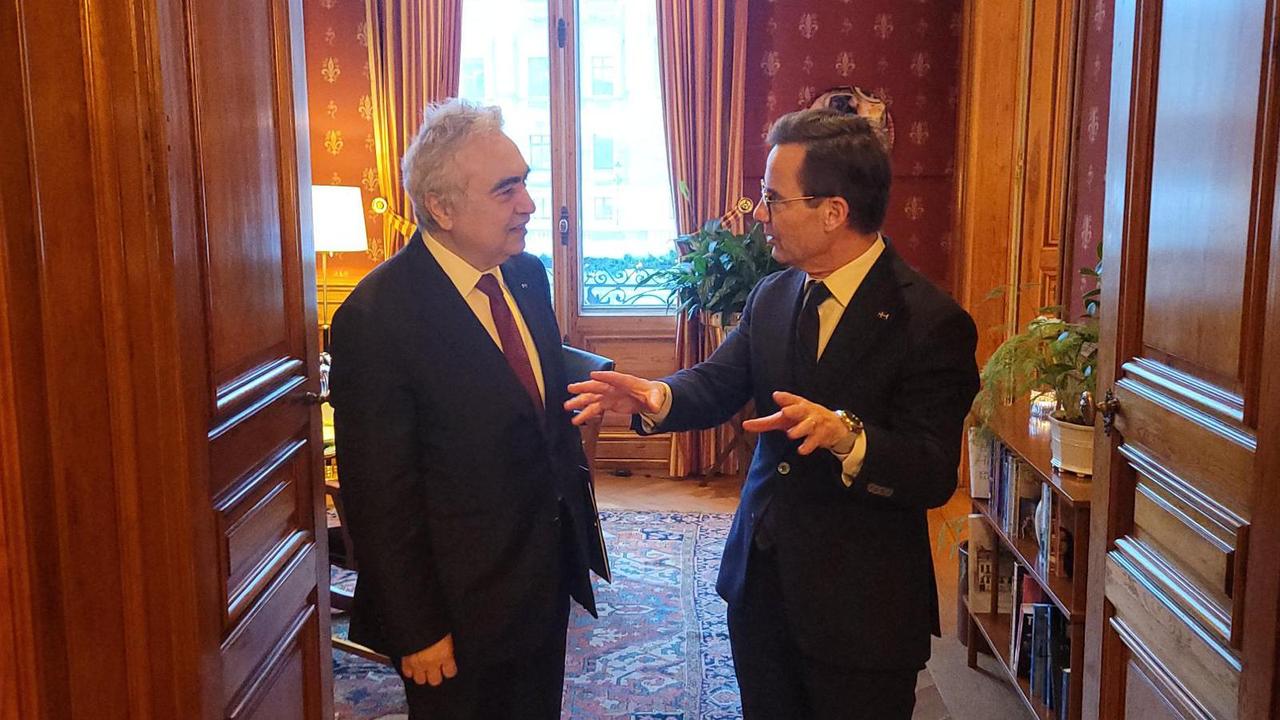
Birol held an extensive meeting at Prime Minister Kristersson's office, where he congratulated the Swedish leader on the country's new nuclear energy policies. Sweden plans to build 2.5 gigawatts of new nuclear power plants over the next decade. The discussions covered Europe's energy security and the rapid global growth of nuclear energy.
Birol delivered a speech on "World Energy Outlook" at the Swedish Royal Academy of Sciences, highlighting the transformation in energy markets. He formally declared the beginning of the electricity age worldwide, stating that the importance of renewable energy and nuclear energy continues to grow during this process.
"Critical minerals have a vital role in the new energy order," Birol said, explaining that he addressed Europe's and the world's economic challenges from an energy perspective.
The nuclear energy sector has been rebounding after years of decline following the 2011 Fukushima Daiichi disaster in Japan, which prompted several countries to reconsider their nuclear programs. The accident led to widespread safety reviews and temporary shutdowns of nuclear facilities across Europe and beyond.
Birol also met with former Swedish Prime Minister Carl Bildt to evaluate European and global issues focusing on energy security.


 Set as preferred source
 Set as preferred source



 3 min read