Newsletters


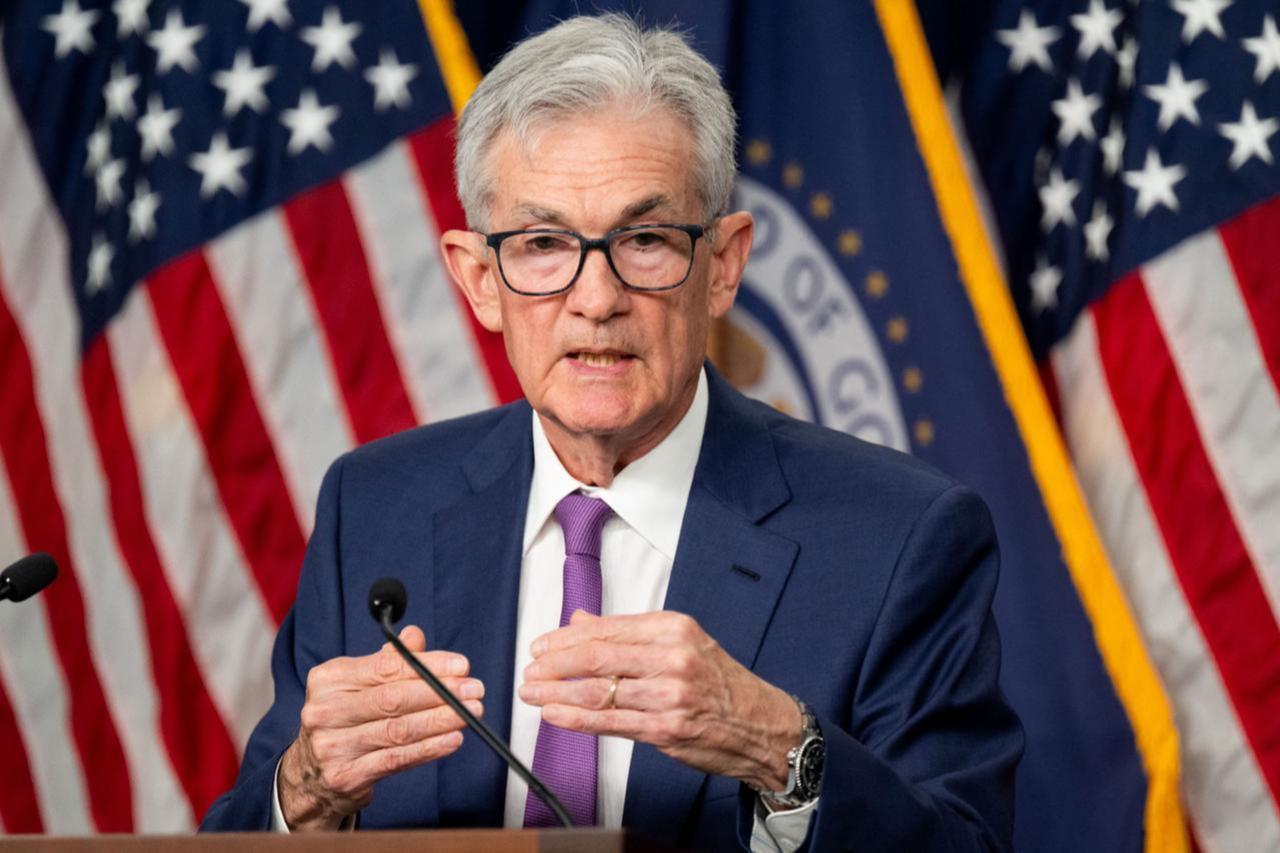


The US Federal Reserve held interest rates unchanged on Wednesday and sharply revised its inflation expectations upward for 2026, citing an increasingly clouded economic picture as the war in Iran sends ripples of uncertainty through global markets.
The decision, approved by a near-unanimous 11-1 vote, keeps the federal funds rate in a range between 3.50 percent and 3.75 percent, a move widely anticipated by markets but one that places the central bank in direct tension with President Donald Trump, who has repeatedly pushed for lower borrowing costs.
"The implications of developments in the Middle East for the US economy are uncertain," the Fed said in its post-meeting statement, a notably cautious framing that underscored the degree to which geopolitical turmoil is now shaping monetary policy deliberations.

The Fed's updated Summary of Economic Projections painted a more troubling inflation picture than officials had anticipated just months earlier. The central bank now expects its preferred inflation measure, the Personal Consumption Expenditures price index, to reach 2.7 percent by the end of 2026, up from a previous projection of 2.4 percent.
Core PCE inflation, which strips out volatile food and energy prices to give a clearer read on underlying price trends, was also revised upward to 2.7 percent from 2.5 percent. Both figures suggest the Fed's 2 percent inflation target remains well out of reach for the foreseeable future, with conflict-driven supply disruptions, particularly in energy markets, likely feeding through to consumer prices.
Despite the gloomier inflation picture, Fed officials signaled they still expect to deliver one interest rate cut before the end of the year, suggesting policymakers believe current policy may eventually prove too restrictive as the economy contends with softening labor demand alongside persistent price pressures.
The US economy now faces a difficult combination of forces: inflation proving stickier than hoped, a labor market showing signs of cooling, and a major Middle Eastern conflict whose economic consequences remain difficult to model. The Fed's decision to hold steady reflects an institution choosing patience over action as it waits for greater clarity.
The hold decision puts the Fed squarely at odds with Trump, who has long advocated for aggressive rate cuts to stimulate growth. The central bank's independent mandate, however, compels it to weigh price stability alongside employment, and Wednesday's projections suggest officials see inflation as the more pressing concern for now.
The lone dissenting vote highlights that even within the Fed, debate continues over the appropriate policy path in an environment where traditional economic signals are being complicated by the unpredictable fallout of armed conflict.


 Set as preferred source
 Set as preferred source


 1 min read

 1 min read