Newsletters


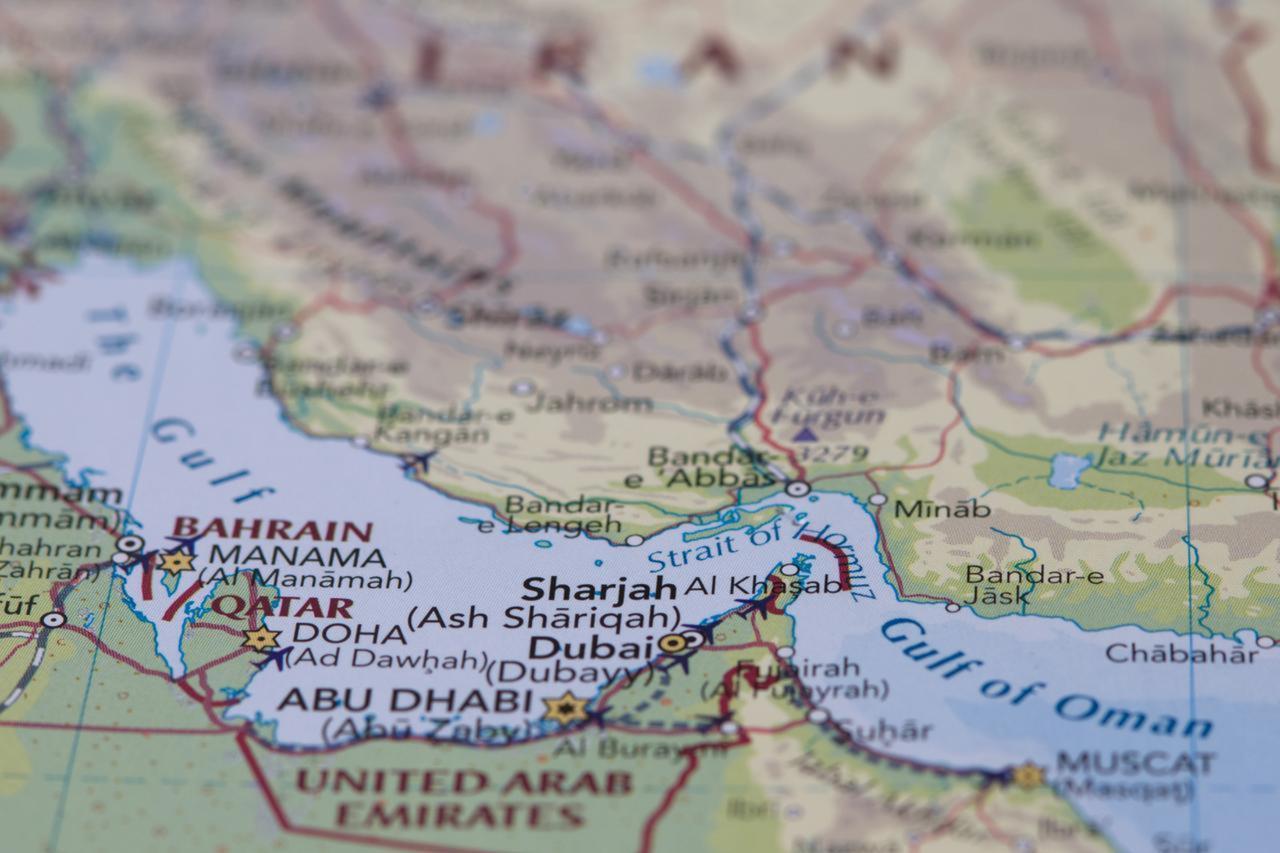


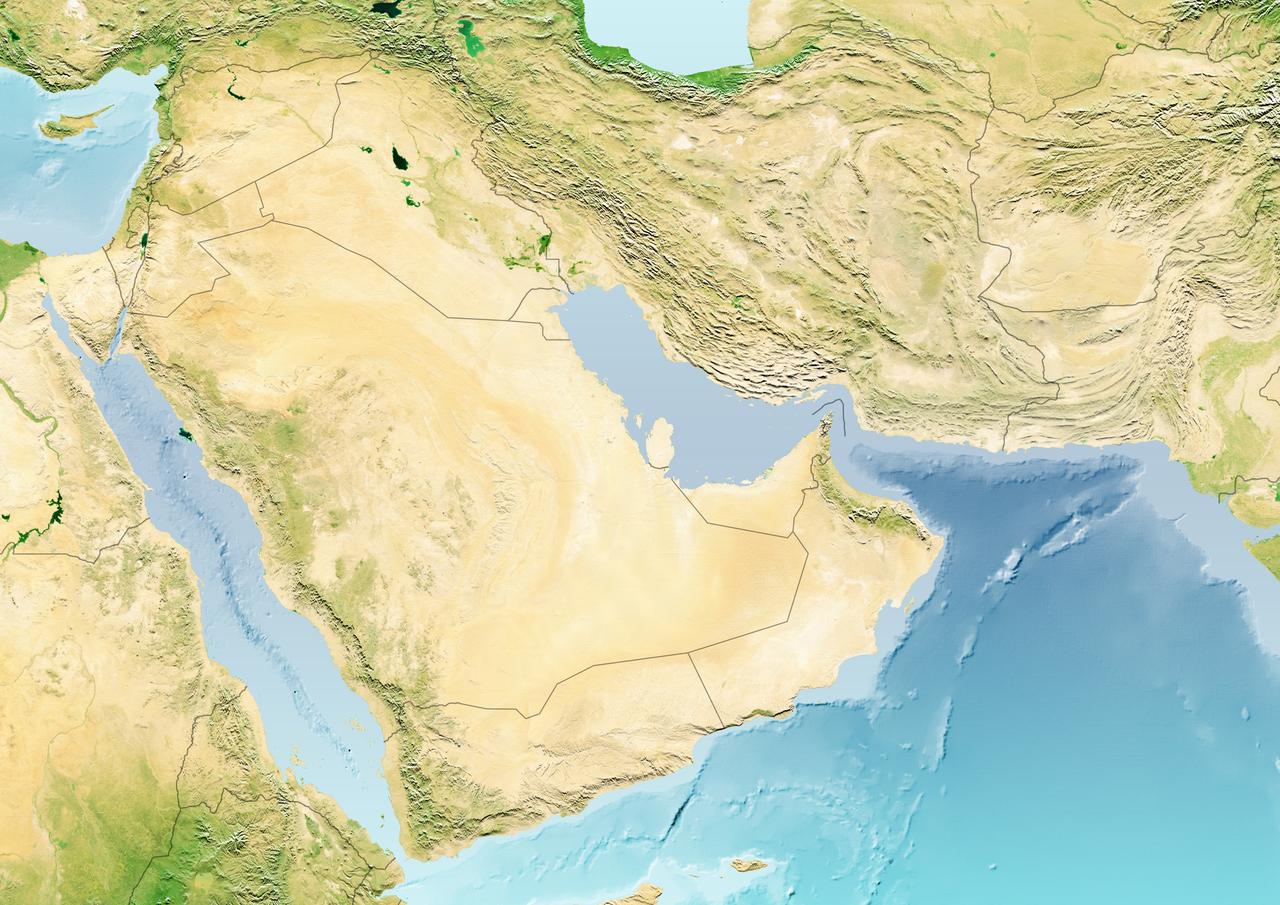
Recent U.S. and Israeli strikes on Iran have disrupted the Strait of Hormuz, a key route for energy and agricultural trade. Experts believe Türkiye, already involved in the Grain Corridor, could help establish a new corridor.
The attacks on Iran have created supply bottlenecks in the Strait of Hormuz, which is a key route for energy and agricultural trade. Experts believe Türkiye, already involved in the Grain Corridor, could help set up a new corridor.
Prof. Dr. Bulent Gulcubuk from Ankara University's Faculty of Agriculture assessed how closing the Strait of Hormuz could affect global agriculture and food supplies after the US and Israeli attacks on Iran.
Gulcubuk highlighted the Strait of Hormuz's importance to both energy markets and the global food system. He pointed out that about one-fifth of the world's oil trade and a large part of the liquefied natural gas (LNG) trade pass through the strait, which directly or indirectly affects agriculture and food markets.
Gulcubuk said that if the Strait of Hormuz were closed, it would raise energy costs, fertilizer prices, logistics expenses, insurance premiums, and financial risks for global agriculture. He explained:
"Both in our country and globally, the agricultural sector is absolutely dependent on energy. Almost all production and distribution processes, including fuel, electricity, irrigation, fertilizers, cold chain, storage, and transportation, are directly linked to energy costs. For this reason, crises in the Strait of Hormuz can cause sudden increases in energy prices, agricultural costs, and food prices."
Gulcubuk pointed out that the countries hit hardest would be the least developed or developing ones, especially those struggling with food access and whose economies depend heavily on agriculture. He continued:
"In this geopolitical crisis environment, Türkiye has the potential to take on an important role at both the regional and global level. By establishing a food and energy corridor — similar to the Grain Corridor during the Russia-Ukraine war — Türkiye could lead the way in global peace and food security. This role would strengthen Türkiye's international reputation, boost its economy through increased trade, and enhance its bargaining power in regional diplomacy."
Gulcubuk said Türkiye could help stabilize the region by leveraging its logistics and trade networks to protect energy and food supplies. Because it sits between the Black Sea, the Mediterranean, and the Middle East, Türkiye could use its location and logistics to keep energy and agricultural trade moving. He added:
"By using its ports, storage, and trade networks, Türkiye could become a regional hub for important goods. This would not only improve Türkiye's food security but also boost its transit income, create new logistics jobs, and help it lead efforts to keep supply chains stable in the region."

Prof. Dr. Zeki Bayramoglu, head of Agricultural Economics at Selcuk University, said the US and Israeli operation against Iran has revealed structural vulnerabilities in the global food supply chain.
Bayramoglu noted that while global markets are watching oil prices, agricultural experts are primarily concerned about the security of fertilizer supplies. He stated:
"The strategic importance of Hormuz extends far beyond the energy dimension. According to June 2025 data, 33% of total globally traded fertilizer volumes, including sulfur and ammonia, pass through this strait. On a monthly basis, between 3 million and 3.9 million tons of fertilizer shipments originate from the region. Of this, 1.5 million to 1.8 million tons is sulfur, and 1.2 million to 1.5 million tons is urea. Qatar, Saudi Arabia, and Iran ranked third, fourth, and fifth, respectively, among the world's largest nitrogen fertilizer exporters in 2024, and these three countries accounted for a combined 25% of global nitrogen exports."
Bayramoglu said modern agriculture's dependence on fertilizers represents a structural weakness, and underlined that a full closure of the Strait of Hormuz would shrink global sulfur supply by 44% and urea supply by 30%.
Explaining that there is practically no viable alternative route for large-tonnage vessels, Bayramoglu said: "This crisis shows that global agricultural policies must diversify fertilizer sources, reduce energy input dependency, and develop new trade corridors."
Bayramoglu said the Black Sea crisis of 2022 and the Hormuz crisis of 2025 share many structural similarities. In both cases, closing a major sea route during conflict disrupted the movement of agricultural supplies and food trade.
Bayramoglu said both crises created a need for a mediator not involved in the conflict and recognized by the international community as legitimate. He continued:
"This crisis is more complex than 2022. A 'Food and Fertilizer Safe Passage Initiative' modeled on the Black Sea agreement could coordinate passage for food and fertilizer shipments. It could be managed from Istanbul with the participation of importing countries, exporting companies, logistics firms, and international organizations."
Bayramoglu said that by creating the Grain Corridor, Türkiye has already shown it can mediate in such situations. He added:
"Türkiye's ability to act depends on Ankara's intent and whether the crisis allows multilateral solutions, requiring both technical preparedness and political readiness. Diplomatic windows are by nature temporary."


 Set as preferred source
 Set as preferred source



 1 min read