Newsletters


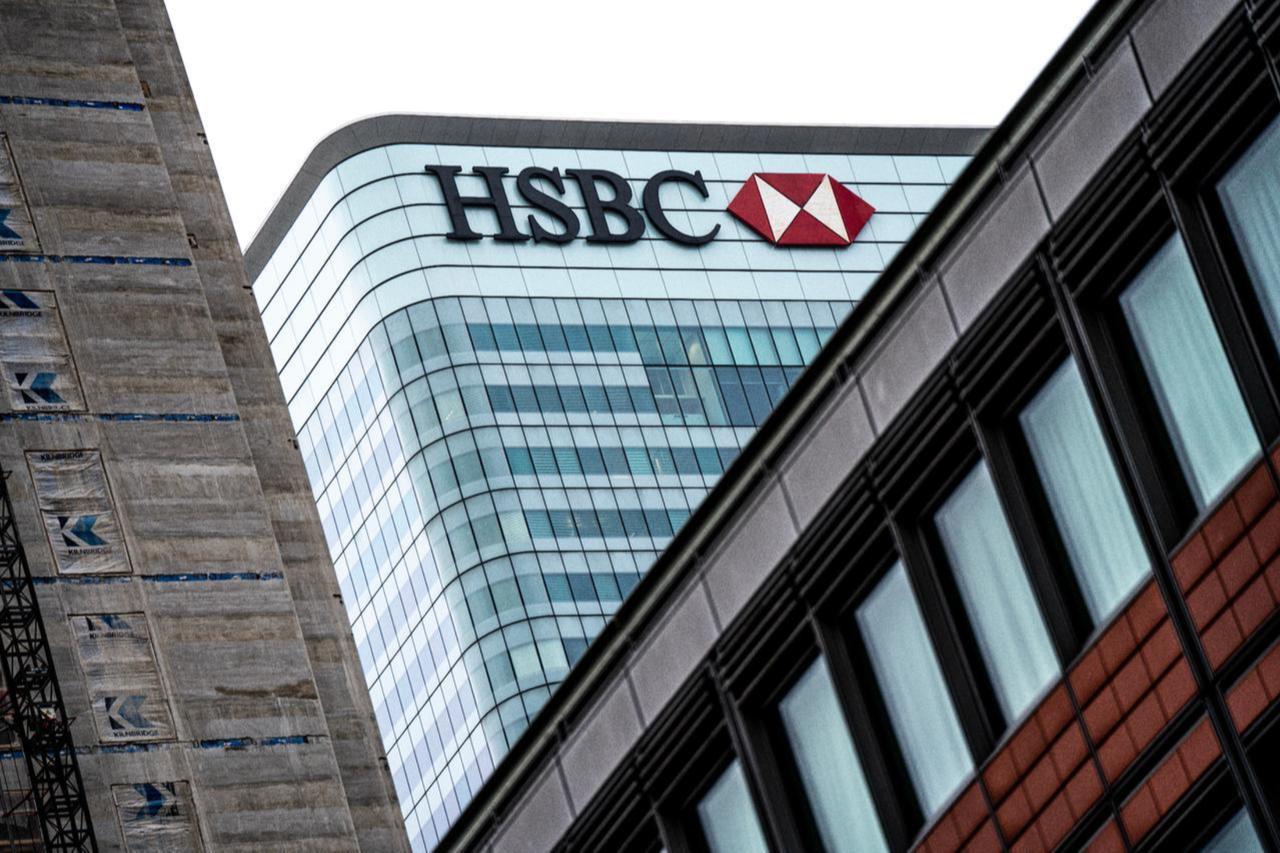


HSBC, one of the world's largest banking and financial services institutions, has maintained its constructive outlook on the Turkish economy in a new report, projecting that the country's disinflation process will be gradual, with single-digit inflation unlikely before 2028.
The bank's global investment research arm also forecast the dollar/lira exchange rate to reach 48.0 by year-end and reiterated its "overweight" recommendation on Turkish equities, citing significant revaluation potential.

HSBC Global Investment Research said in its report that Türkiye's macroeconomic foundations remain supportive but warned that political and geopolitical risks continue to run high. The bank noted that strengthened policy buffers have partially offset these risks.
The report envisions 2026 as a year of robust growth accompanied by a slower pace of disinflation. HSBC economists expect inflation to retreat to around 20 percent by year-end, a decline that could open the door to cumulative interest rate cuts totalling 1,150 basis points over the course of the year. However, the bank cautioned that consumer inflation is not expected to return to what Türkiye's standards consider "normal," roughly 10 percent, before 2028.
On the currency front, HSBC's foreign exchange strategy team projected the dollar/lira pair will settle at 48.0 by the end of the year. With inflation still running above 30 percent, the report indicated that this forecast points to only limited real appreciation of the lira.
The bank retained its overweight stance on Turkish equities, arguing that the combination of retreating inflation and accelerating rate cuts creates meaningful scope for a market re-rating. Lower interest rates, the report stressed, will reduce the cost of equity and in turn support higher stock valuations.
HSBC drew attention to the fact that Turkish stocks continue to trade at historically low multiples relative to emerging-market peers. Foreign investors have poured $1.5 billion into Turkish equities since the start of the year, following total inflows of $2.3 billion in the whole of last year — a sign of growing international appetite.
The report also reaffirmed a positive view on local bonds and emerging-market fixed income. Foreign inflows into local debt instruments have picked up pace, with $1.2 billion entering since January alone. Across 2025 as a whole, foreign inflows into Turkish local bonds have reached $2.9 billion.
HSBC identified the banking sector as potentially the largest beneficiary of macroeconomic normalization. The bank expects rate cuts to be reflected in deposit costs more quickly than in lending rates, which would widen net interest margins and boost per-share earnings for Turkish lenders.
In a broader strategic assessment, the report argued that "Türkiye's strategic position has not yet been fully priced in," pointing to the country's potential role in the reconstruction of Syria, Gaza, Ukraine and Lebanon. Sectors such as cement, industrials and energy stand to benefit most from this upside, according to HSBC.
The bank expressed confidence in the orthodox monetary policy stance but noted that lasting structural transformation will require further bold reform steps.


 Set as preferred source
 Set as preferred source


 1 min read
 1 min read