Newsletters


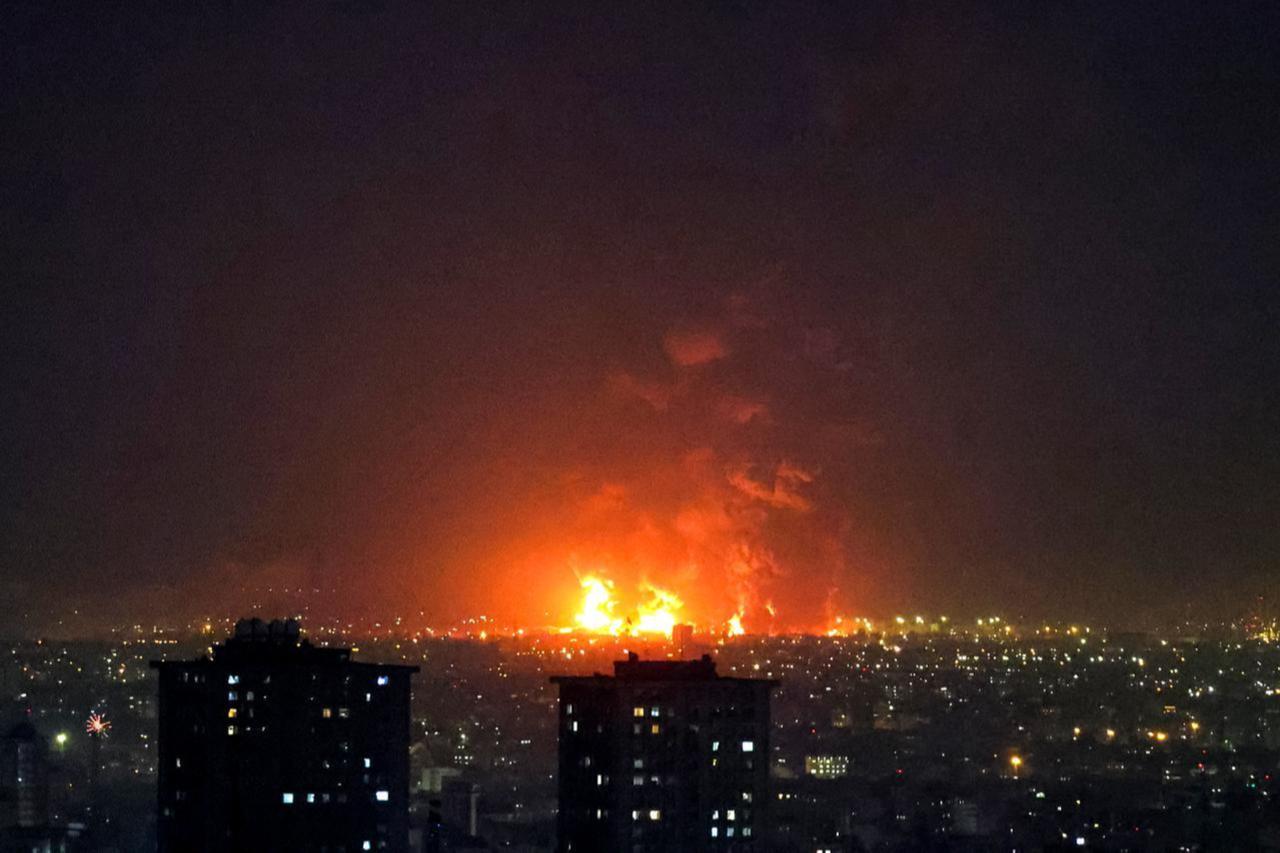


International Energy Agency (IEA) Executive Director Fatih Birol warned on Monday that the ongoing war in Iran presents a significant threat to the global economy, noting that the crisis has already surpassed the combined impact of previous major energy shocks.
"No country will be immune to the effects of this crisis if it continues to go in this direction," Birol said at Australia's National Press Club in Canberra.
The closure of the Strait of Hormuz has reduced global oil supplies by approximately 11 million barrels per day, more than twice the combined shortfall of the 1973 and 1979 oil crises. Liquefied natural gas supplies have decreased by about 140 billion cubic meters, nearly double the 75 billion cubic meters lost after Russia's 2022 invasion of Ukraine.
"This crisis, as things stand, is now two oil crises and one gas crash put all together," Birol said.
He also warned that trade in petrochemicals, fertilizers, sulfur, and helium, described as "vital arteries of the global economy," has been disrupted, resulting in significant downstream effects.
Birol reported that over 40 energy assets across nine countries have been "severely or very severely damaged." He added that recovery will require significant time, even after hostilities cease. "It will take some time for the oil fields, refineries, and pipelines to come back online," he said.
Oil prices have increased by over 50% since the conflict began with US-Israeli strikes on February 28. On Monday, WTI crude exceeded $100 per barrel, and Brent crude was priced above $113 per barrel.
The IEA has coordinated the release of 400 million barrels from emergency reserves, an unprecedented action. Birol stated he is in discussions with governments in Europe, Asia, and the Middle East regarding additional releases. He emphasized that reopening the Strait of Hormuz is the most urgent priority.
"The single most important solution to this problem is opening up the Hormuz Strait as things stand now," he said.
The crisis showed no signs of easing on Monday. Israel launched additional attacks against Tehran, while U.S. President Donald Trump's 48-hour ultimatum to Iran, threatening to destroy its power plants unless the strait is fully reopened, was set to expire Monday evening.
"The global economy is facing a major, major threat today, and I very much hope that this issue will be resolved as soon as possible," Birol added.


 Set as preferred source
 Set as preferred source



 2 min read