Newsletters


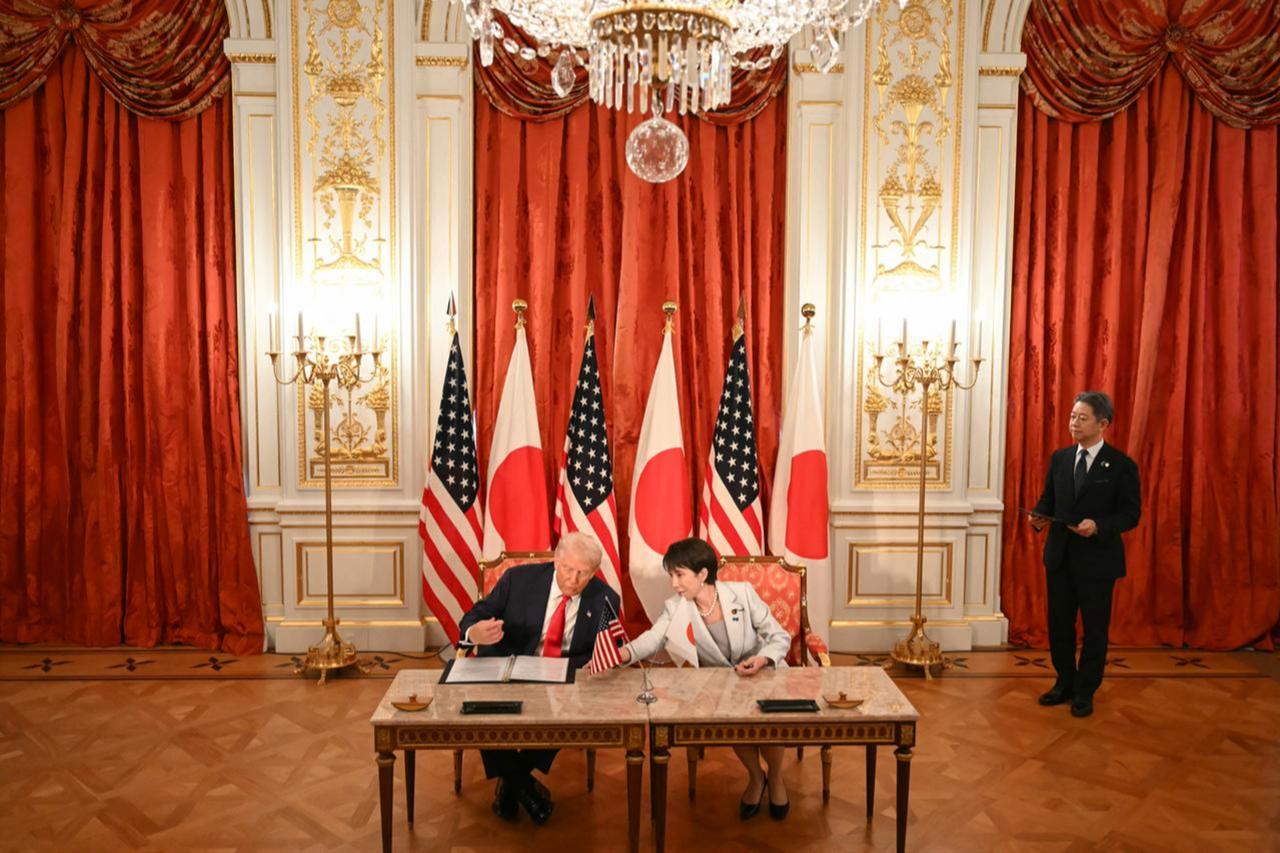


Japan has committed $36 billion to three major infrastructure projects in the United States, marking the first investments under its broader $550 billion pledge tied to a bilateral trade deal.
The initial projects include a natural gas power facility in Ohio, a deep-water oil export terminal in the Gulf of Mexico, and a synthetic diamond manufacturing plant aimed at strengthening domestic supply chains in critical industries.
The investments follow Tokyo’s 2025 commitment to support American industrial expansion through 2029 in exchange for reduced U.S. tariffs on Japanese imports, which were lowered from 25% to 15% under the agreement.
The planned natural gas power facility is expected to generate 9.2 gigawatts of electricity, making it the largest facility of its kind, according to U.S. officials. The output would be comparable to the capacity of nine nuclear reactors or sufficient to power about 7.4 million homes.
Japanese Prime Minister Sanae Takaichi said the electricity would help meet growing demand from artificial intelligence data centers and related technologies.
"These projects will strengthen the Japan–US alliance by enabling Japan and the United States to jointly build resilient supply chains in strategically important areas for economic security—such as critical minerals, energy, and AI/data centers," Takaichi said in a statement.
She added that both governments would continue refining project details to ensure timely and smooth implementation.
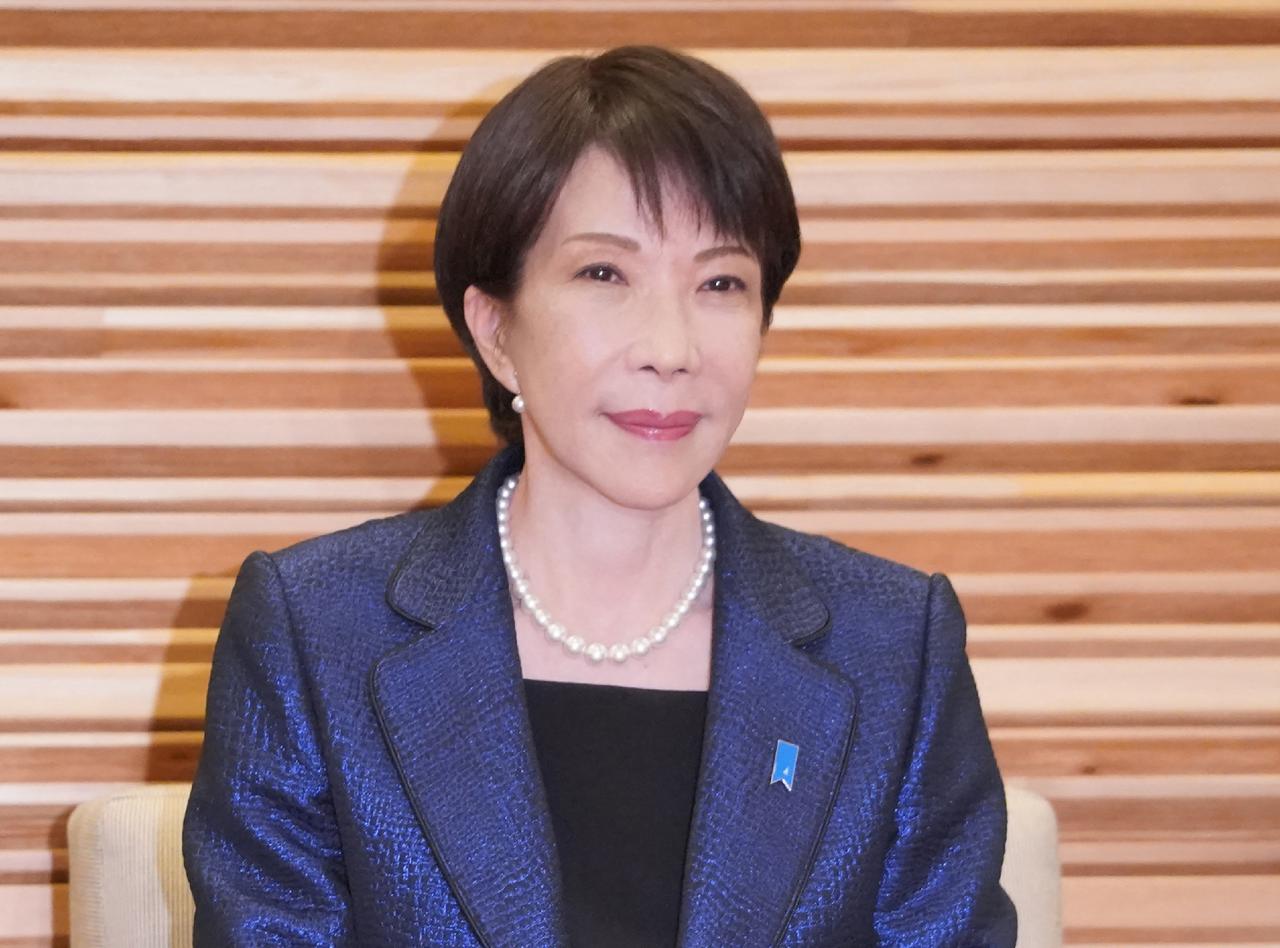

The Gulf of Mexico oil export terminal is expected to generate between $20 billion and $30 billion annually in U.S. crude exports once fully operational, reinforcing the country’s role as a global energy supplier.
Meanwhile, the synthetic diamond facility aims to reduce U.S. dependence on foreign suppliers, particularly in a market currently dominated by China. Synthetic diamonds are widely used in industrial applications, including cutting tools and electronics manufacturing.
U.S. Commerce Secretary Howard Lutnick said Japan would provide the investment capital, while the infrastructure would be constructed domestically.
"The proceeds are structured so Japan earns its return, and America gains strategic assets, expanded industrial capacity, and strengthened energy dominance," Lutnick said.
 Breaking News, Direct to You.
 Follow Türkiye Today on WhatsApp
for real-time updates and key insights from Türkiye and beyond.
Follow Türkiye Today on WhatsApp
for real-time updates and key insights from Türkiye and beyond.
The broader $550 billion investment pledge, agreed in July, is designed to rebuild and expand American industrial sectors while strengthening bilateral economic ties.
Japanese Trade Minister Ryosei Akazawa said only 1% to 2% of the total commitment would consist of direct capital investments, with the remainder structured through bonds, loans from the Japan Bank for International Cooperation, and publicly guaranteed credits.
The investment rollout comes ahead of a planned White House meeting between President Donald Trump and Prime Minister Takaichi on Mar. 19, where both sides are expected to review progress on the strategic initiative.


 Set as preferred source
 Set as preferred source


 1 min read
 1 min read