Newsletters


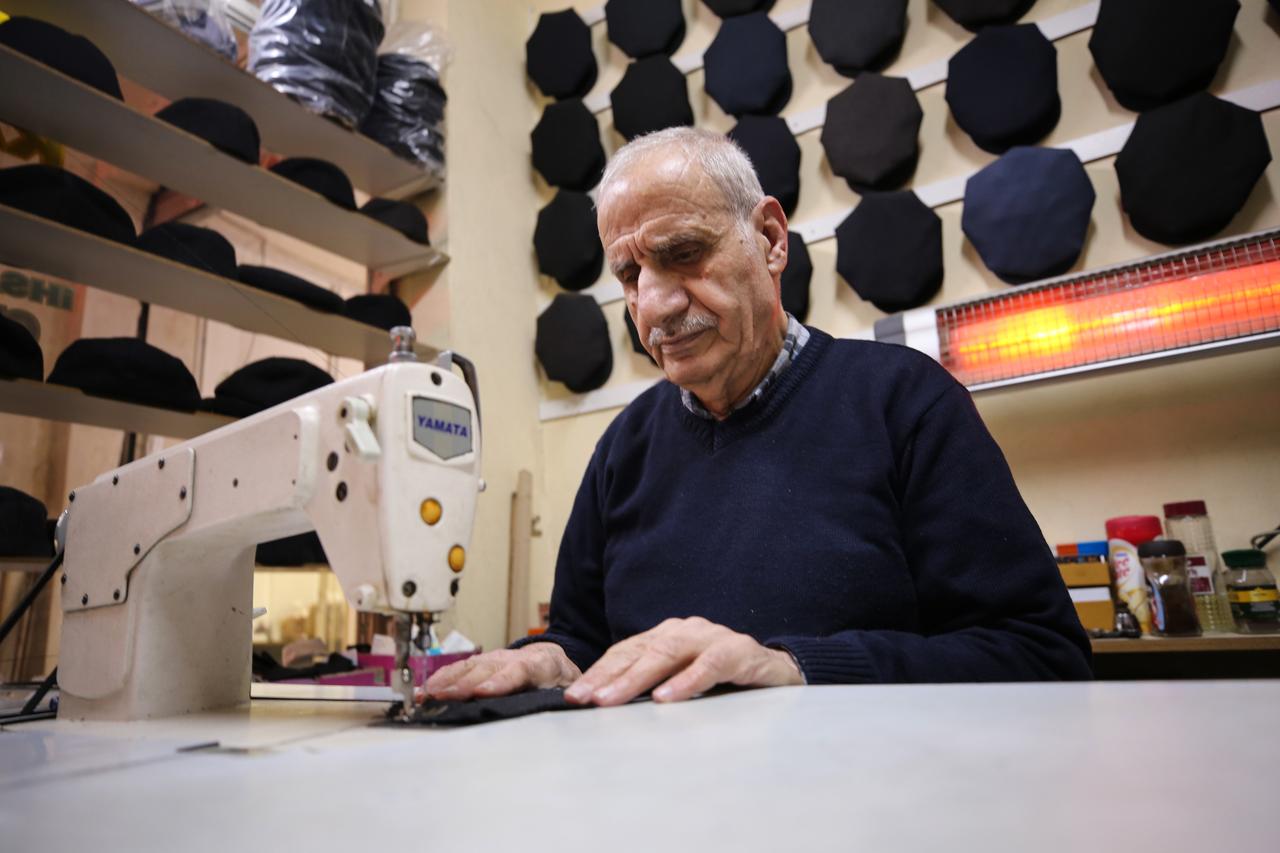


A new study on retirement in Türkiye has found that financial hardship is forcing many retirees back into work, with nearly nine in 10 saying they continue working because they cannot make ends meet on their pensions.
Research published in May 2026 by the Forum Institute, titled "Pensioner Poverty in Türkiye Research," found that 89.4% of retired workers cited financial necessity as the main reason for staying in employment after retirement. The findings also showed that 66% of retirees are in debt, while most struggle to take part in everyday social life because of rising living costs.
The study was coordinated by the Forum Social Research Institute and carried out by Verita Analitik. Researchers surveyed 400 people across Türkiye’s 12 statistical regions and conducted in-depth interviews with 40 retirees.
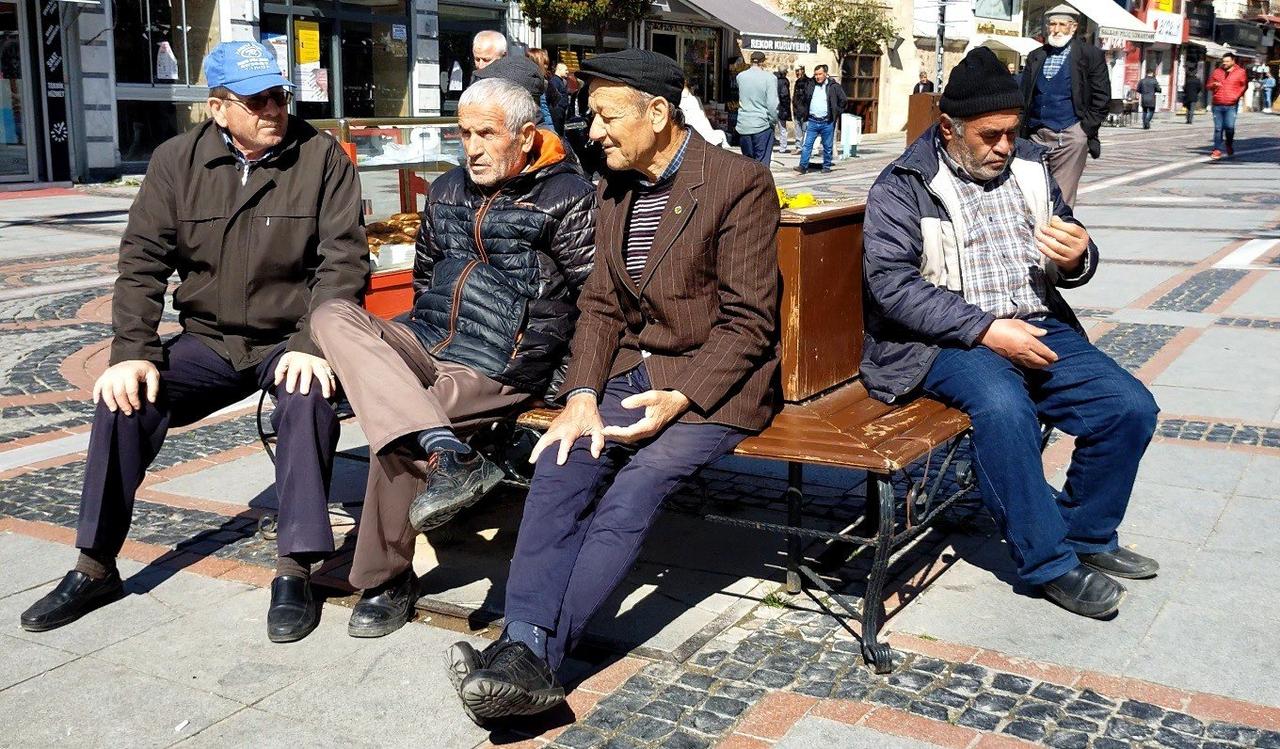

According to the findings, retirement in Türkiye has increasingly shifted away from being a period sustained by pension income alone. Nearly 89% of respondents said they could not meet basic needs without working, while many reported long working hours despite being retired.
More than half of retirees who continue working said they are employed full-time. However, only 38% reported having social security coverage, meaning most work informally without insurance or legal protections.
Research coordinator Assoc. Prof. Derya Komurcu said the findings point to a deeper structural shift, arguing that retirement no longer means stepping away from work but instead often means continuing under more insecure conditions and for lower pay.
The study found that the average monthly pension stood at around ₺25,600 ($660), while average household income reached roughly ₺55,000, leaving pensions to cover only about half of total household expenses.
Only around one in four retirees reported having a second source of income, such as rent or savings returns, meaning most rely on pensions as their sole financial support.
One retiree interviewed for the report described how inflation had steadily reduced the purchasing power, saying: “Seven years ago, I could buy two gold coins with my pension. Now it does not even cover one.”
Debt also emerged as a widespread issue. Two-thirds of respondents said they currently owed money, with credit card debt appearing in nearly all indebted households. Women retirees were found to have higher debt levels than men.
Another retiree described a cycle of recurring debt, saying: “Every month I have to pay off the credit card bill. You pay it, and then the debt builds up again. It just keeps going.”
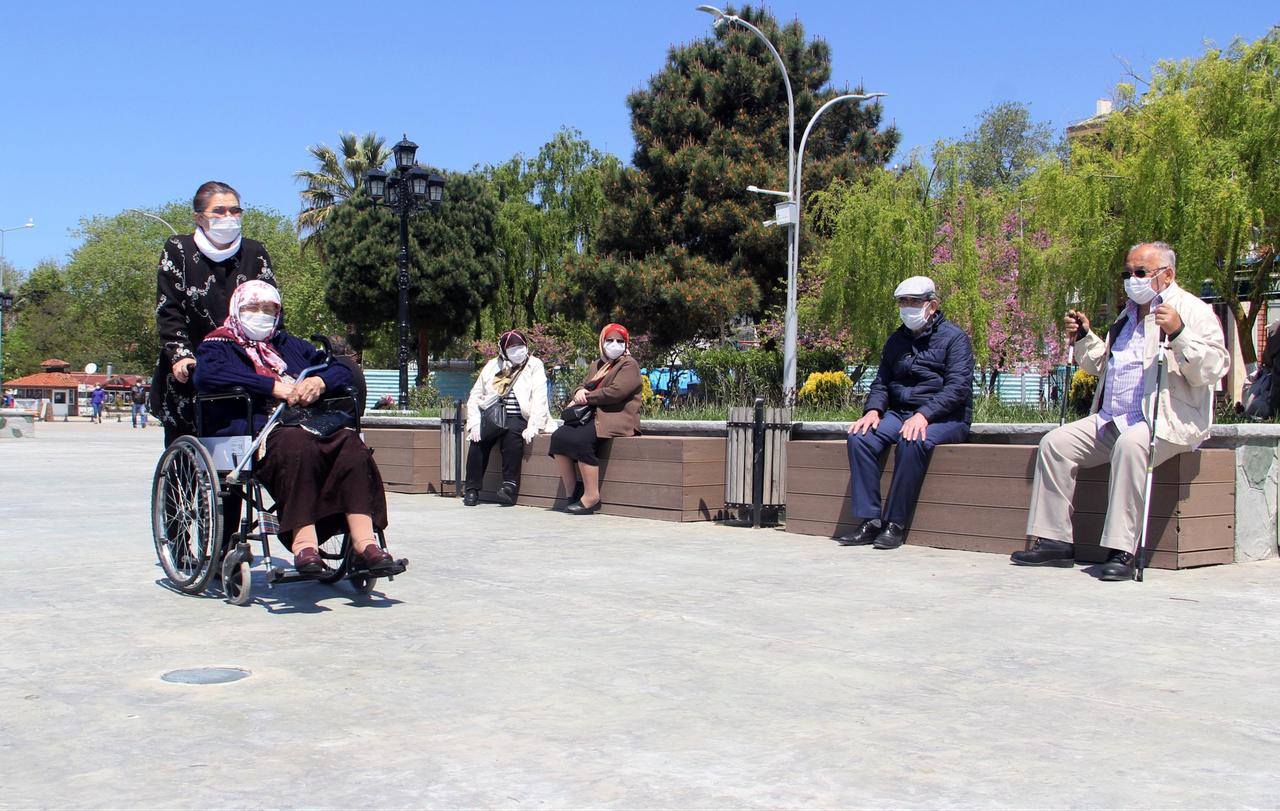
The findings suggest that economic pressure is also affecting retirees’ ability to deal with emergencies and maintain their well-being.
Nearly half of respondents said they would be unable to access ₺20,000 within a month in the event of an emergency, while just over 40% believed they could cover an unexpected expense.
Health concerns also stood out in the research. Only around one-third of retirees described their health as good or very good, while more than half said they struggled to access health care services. A growing number also reported spending significant amounts each month on medical costs.
The report found that financial hardship is increasingly pushing retirees out of social life. Around 76% said they could not afford activities such as going to cafes, visiting friends or attending leisure outings due to limited income.
Housing costs also added to pressure, particularly among women and single retirees. Around one-third of respondents said they rented their homes, while many reported struggling to cover heating expenses during winter months.
At the same time, concern about the future remained widespread. Nearly three-quarters of retirees said they felt anxious about what lies ahead, while most respondents said the state does not provide sufficient living security during retirement.
One participant stressed that retirement should guarantee a dignified standard of living, arguing that pensions should reflect years of contributions to the system.
The report warned that retirement poverty is likely to grow more as Türkiye’s population ages.
According to official data cited in the research, the population aged 65 and over reached 9.58 million in 2025, marking a sharp increase over the past five years. Projections suggest the share of older adults will continue rising through the coming decades.
The study concluded that retirement poverty should no longer be viewed as an isolated issue but as a broader structural challenge tied to Türkiye’s demographic transformation. Among its policy suggestions were stronger minimum pensions, social housing support, expanded home care services and more public social spaces for older adults.
Separate data cited in the report also pointed to growing risks among older workers. Since the start of 2025, at least 145 workers aged 65 and above have reportedly died while still working.


 Set as preferred source
 Set as preferred source


 1 min read


 1 min read