Newsletters


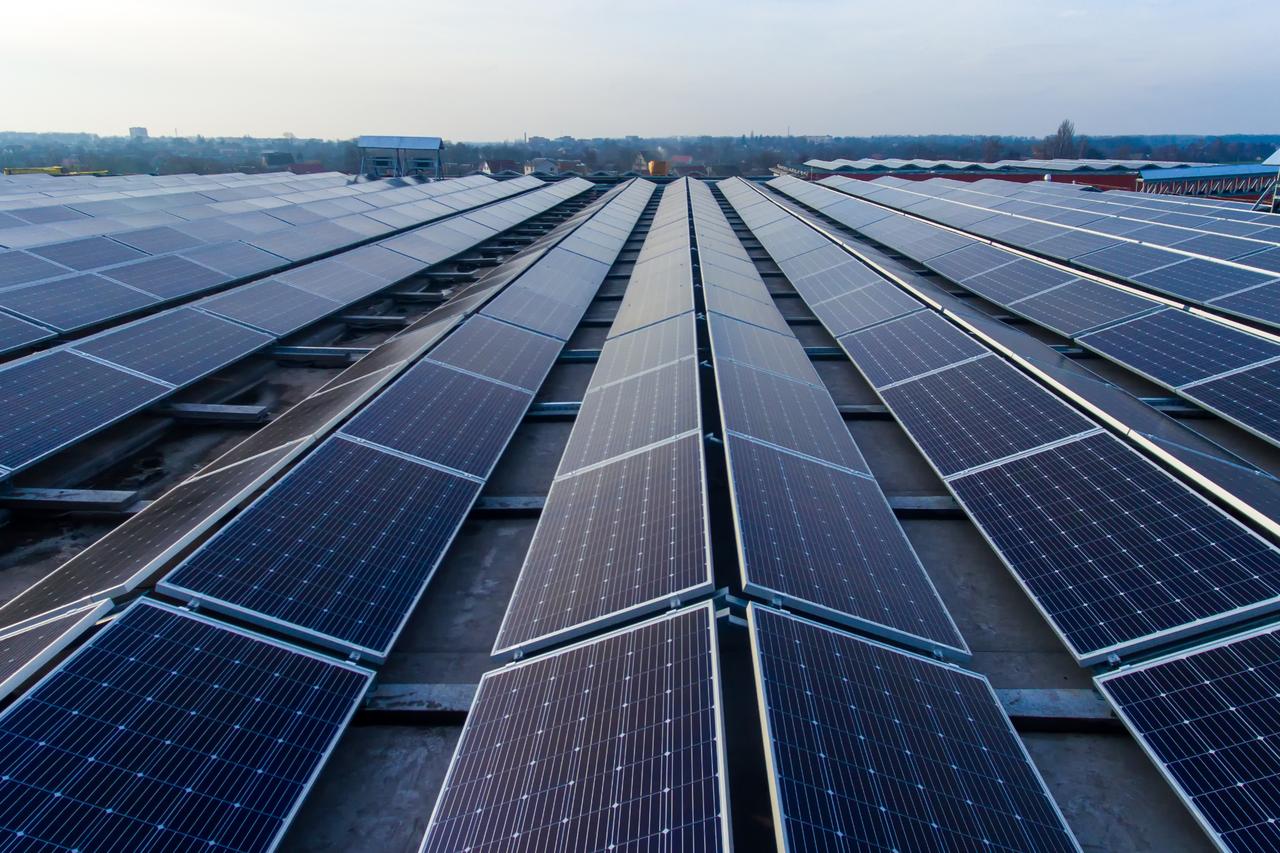


Romania’s Ambassador to Türkiye Stefan Alexandru Tinca has called on Turkish companies to expand their investments in the country, particularly in renewable energy, pointing to opportunities for joint ventures, technology exchange, and infrastructure development in areas such as offshore wind, solar power, smart grids, and hydrogen.
Tinca said such collaboration supports Romania’s National Energy and Climate Plan and aligns with broader European Green Deal objectives.
"There is strong potential for joint ventures and technology exchange in renewable energy," he told state-run Anadolu Agency, citing Türkiye’s production capacity and Romania’s coastal potential as complementary advantages.
"These sectors hold potential not only for economic returns but also for regional leadership in decarbonization," he added.
Tinca emphasized the growing strategic depth of energy, economic, and commercial ties between Türkiye and Romania, describing the current trajectory as one of "deepening and consolidation."
Tinca said the evolving partnership reflects a broader framework prioritizing resilience and sustainability, moving beyond traditional commercial exchanges to include long-term energy cooperation. Türkiye, he noted, is Romania’s most important trade partner outside the European Union and its top non-EU export destination.
The ambassador stressed that Türkiye functions not only as a supplier but also as a strategic hub offering access to diversified, flexible energy sources, which is particularly relevant amid the increasing risks facing conventional pipeline corridors.
He pointed to Türkiye’s liquefied natural gas (LNG) terminals, gas storage facilities, and expanding renewable energy capacity as assets that offer Romania adaptable and market-responsive energy alternatives. "Türkiye provides not just supply, but strategic diversification—serving as a bridge to alternative energy routes," he said. "Romania’s partnership with Türkiye helps us manage global energy shocks while building a foundation for sustainable development."


Tinca noted that energy cooperation between the two countries serves a dual purpose: enabling both economies to weather global energy fluctuations and contributing to long-term sustainability targets. He described the evolving framework as one that fosters both economic growth and geopolitical stability.
He underlined that energy cooperation also plays a key role in Black Sea stability, calling uninterrupted energy flows a “deterrent” in the face of rising hybrid threats and infrastructure vulnerabilities.
The ambassador said joint efforts—such as mine-clearing operations and protection of energy corridors—strengthen maritime safety and reduce risks to critical trade and connectivity routes. “Reliable energy delivery supports both economic confidence and regional deterrence,” he added.
He also pointed to shared interests in developing Black Sea offshore energy reserves, suggesting the possibility of coordinated exploration and infrastructure efforts. "Türkiye and Romania have a common stake in the future of offshore energy in the Black Sea," he said, noting that joint development could yield new supply and technical synergies.
"This is more than bilateral trade. It’s a foundation for shared security, green growth, and regional energy transformation," Tinca said.
Türkiye and Romania are each other’s largest trading partners in the Balkans, with over 16,000 Turkish-registered companies in Romania, nearly 7,000 of which are actively operating.


 Set as preferred source
 Set as preferred source


 1 min read
 1 min read