Newsletters


The war in Ukraine forced a reckoning that Western capitals had long deferred. Europe's dependence on Russian pipeline gas, built over decades of deliberate policy, collapsed almost overnight, and with it, the comfortable assumption that energy supply was a logistics problem rather than a strategic one.
Central Asia, suddenly, was worth remembering. Then came the ultimate blow, Iran.
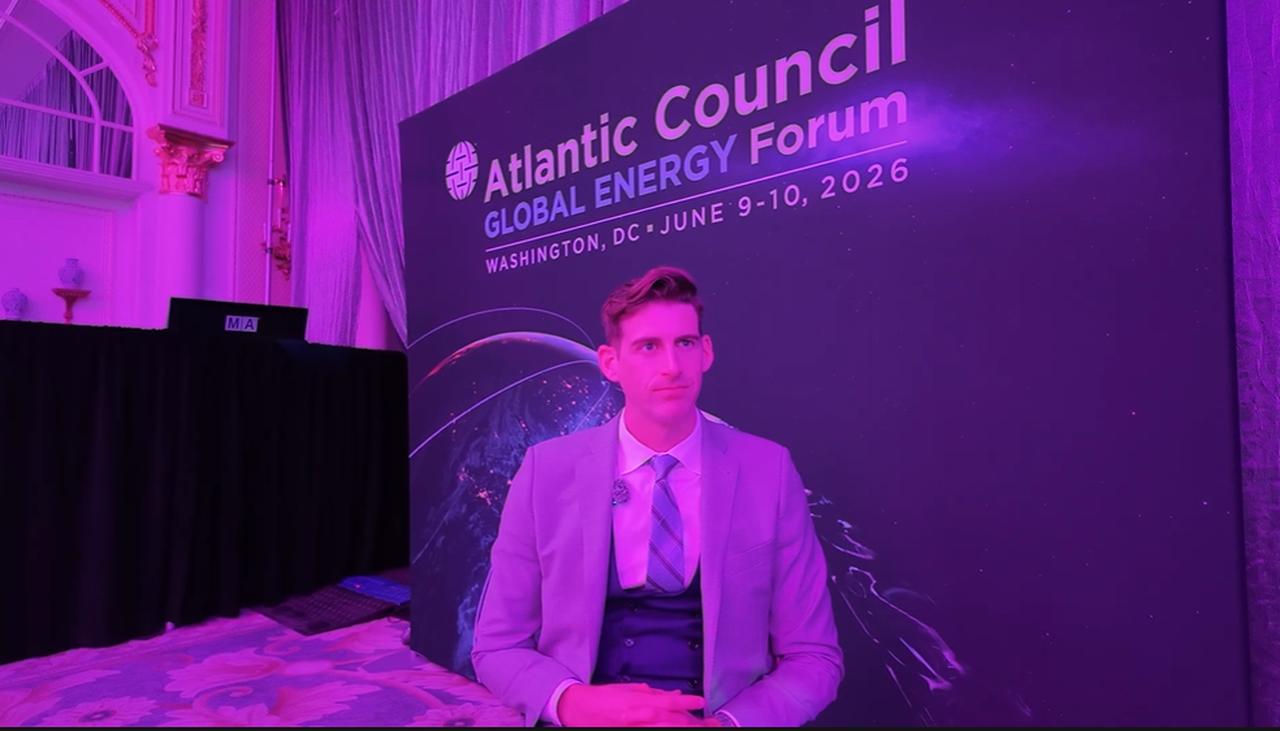
"The shift started with the Russia-Ukraine war, and now, in the last 100 days, it's driven by what's going on in the Gulf and the Middle East—specifically, the damage to LNG facilities in places like Qatar, which take a really long time to repair and bring back online," Ahmet Mucahid Oren, Executive Chairman of Ihlas Holding, told Türkiye Today on the sidelines of the Atlantic Council Global Energy Forum in Washington DC.
The problem looks no longer European or Russian, but rather a global one.
"I think the Iran conflict changes the outlook for a lot of countries," Reid I'Anson, macroeconomist at Kpler, told Türkiye Today. "I do think it is a pivotal turning point." Even if the war in Iran were to end tomorrow, the realization has paved the way for structural changes.
The world is in the midst of the largest oil and gas market disruption in history, with upwards of 1.2 billion barrels of supply stripped from global markets. The Middle East is burning column inches and crisis meetings. But while the world watches the Hormuz chokepoint, a different story is being written in the high-altitude valleys and windswept steppes of Eurasia. A new energy frontier is taking shape, one measured not in barrels, but in "electrons."

In the immediate term, two actors have kept the system from a full structural break. The first is the United States.
American seaborne crude exports hit 5.6 million barrels per day last month — up from a 4 million barrel average through 2025, a surge of roughly two million barrels per day that was simply not in the market three or four months ago.
The second buffer is China, though it is a murkier one. Chinese seaborne crude imports fell from roughly 11 million barrels per day in February to below 7 million in May, a drop of four million barrels per day absorbed through a combination of domestic refinery run cuts projected at 3 million barrels per day relative to February levels, alongside draws on onshore inventories. China is not solving the problem; it is deferring it.
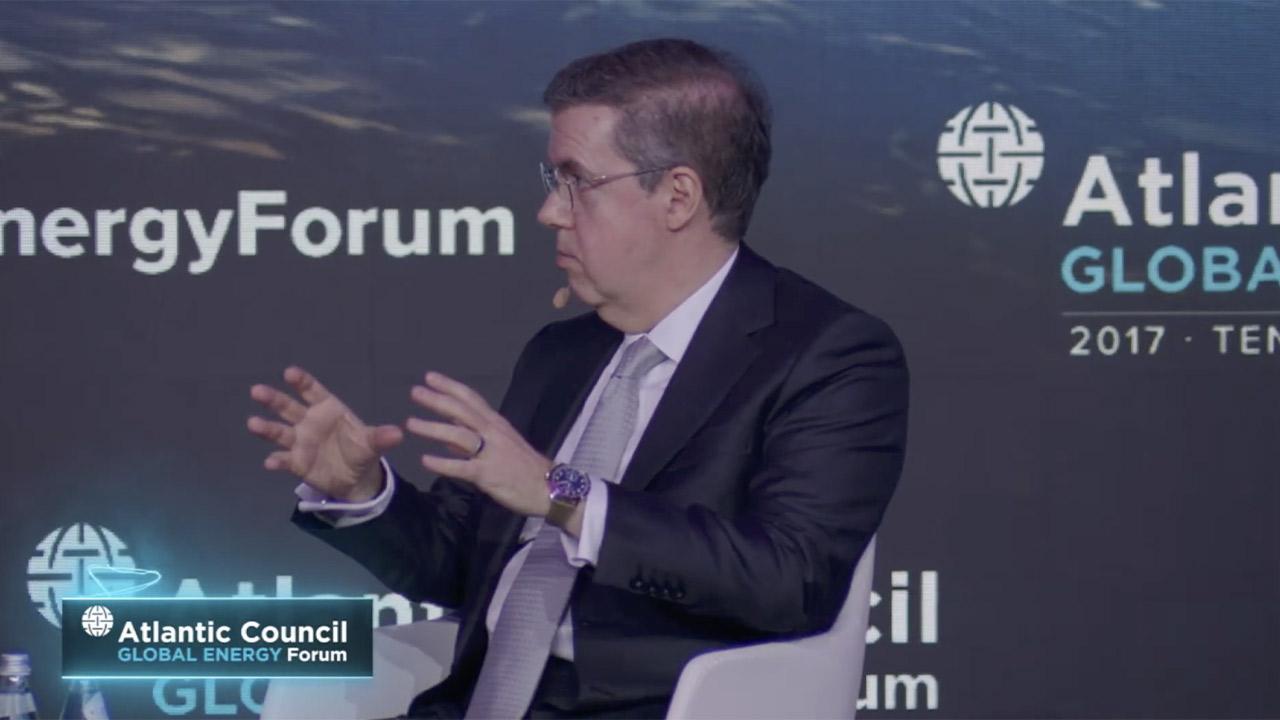
Both lifeboats are taking on water. "How long can this go on before you start to see real structural breaks?" I'Anson asked from the panel stage — a rhetorical question, but not an idle one. The U.S. export surge has limits. Chinese inventory buffers have limits.
The conversation has already shifted, from crisis management to the harder question of long-term supply diversification. And that conversation leads, with increasing inevitability, to Central Asia.
Ahmet Mucahid Oren remembers what indifference looks like. Oren, a 15-year Atlantic Council board member — now on its executive committee — has been closely observing Central Asian energy since the 1990s. "Two or three years ago, when I would talk to U.S. government agencies about Central Asia, they had no mandate, no funding, and no interest," he told Türkiye Today. "It wasn't enough to engage them in a sizable project."
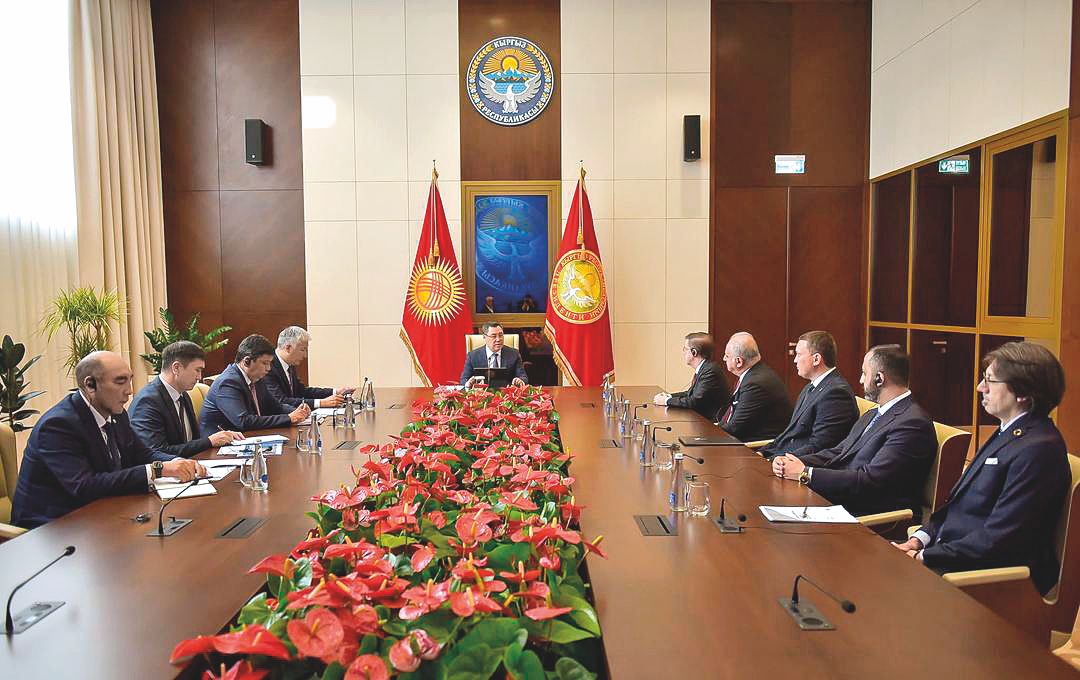
The shift, when it came, came fast. President Trump's decision to host all five Central Asian heads of state triggered a cascade of institutional recalibration — two rounds of C5+1 meetings, one in Kazakhstan and one in Kyrgyzstan, followed by updated mandates for the U.S. Development Finance Corporation and the Export-Import Bank, both now explicitly refocused toward the region.
The European Union announced its own grant and incentives framework in parallel. A U.S. Ex-Im Bank representative during the forum mentioned he had traveled to Central Asia four times in the past year alone. "Their mandates and funding have completely changed," Oren said.
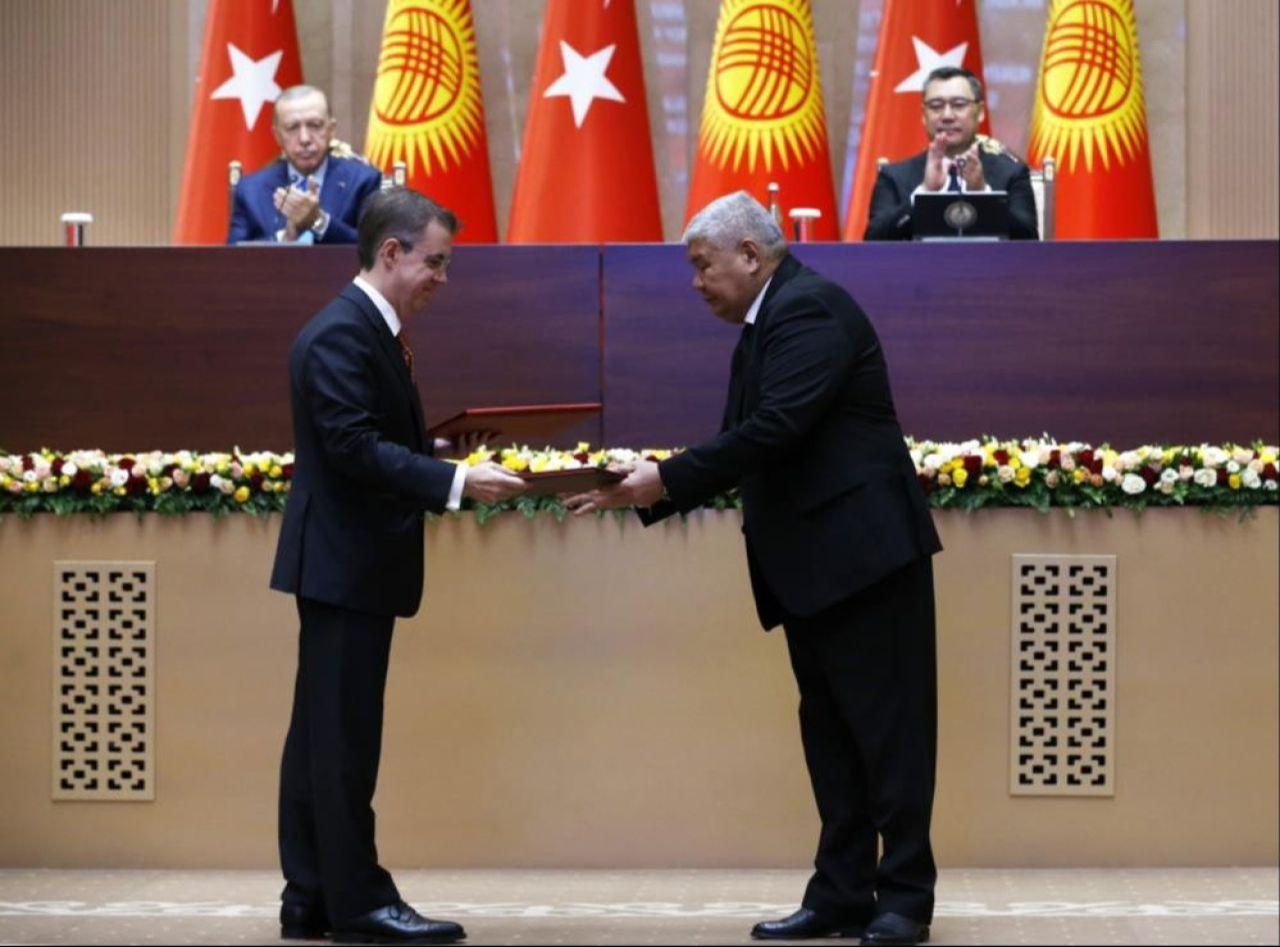
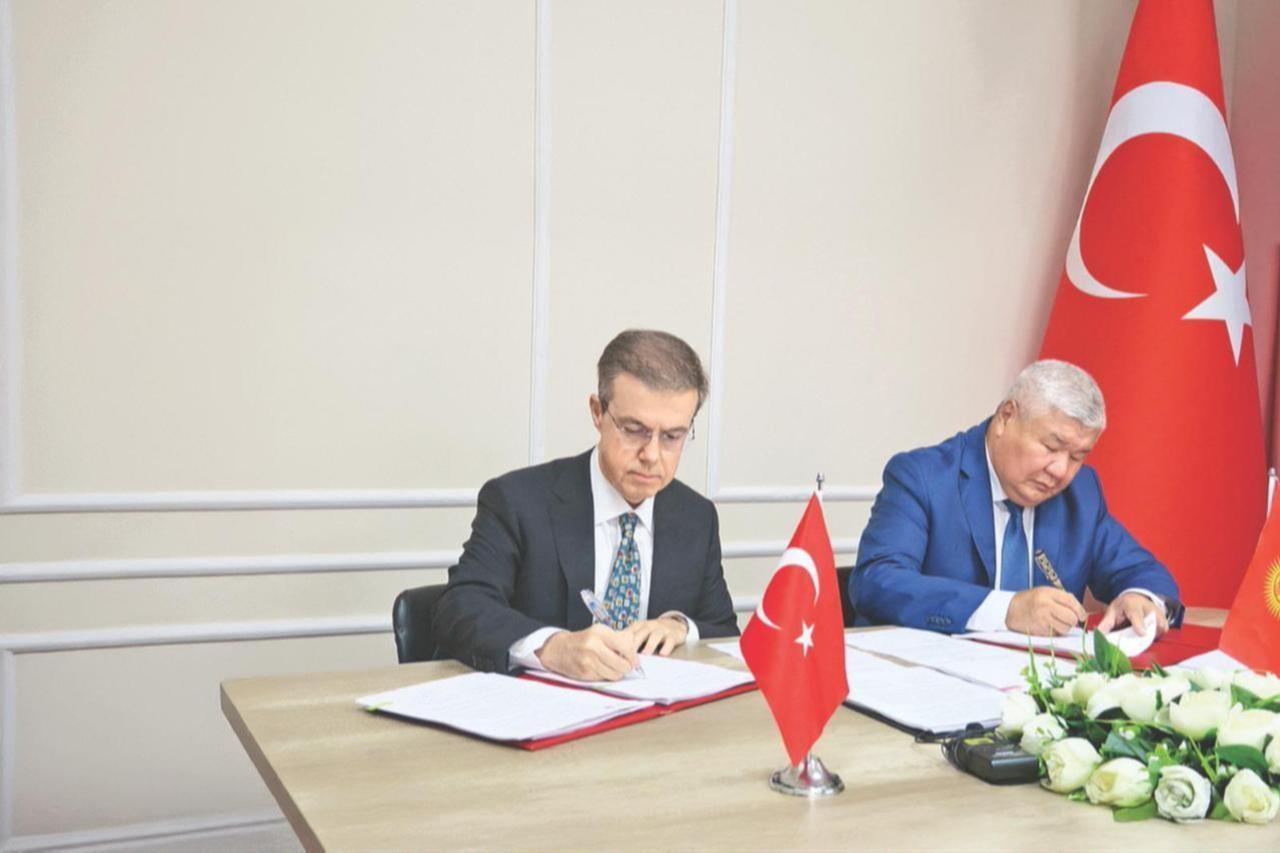
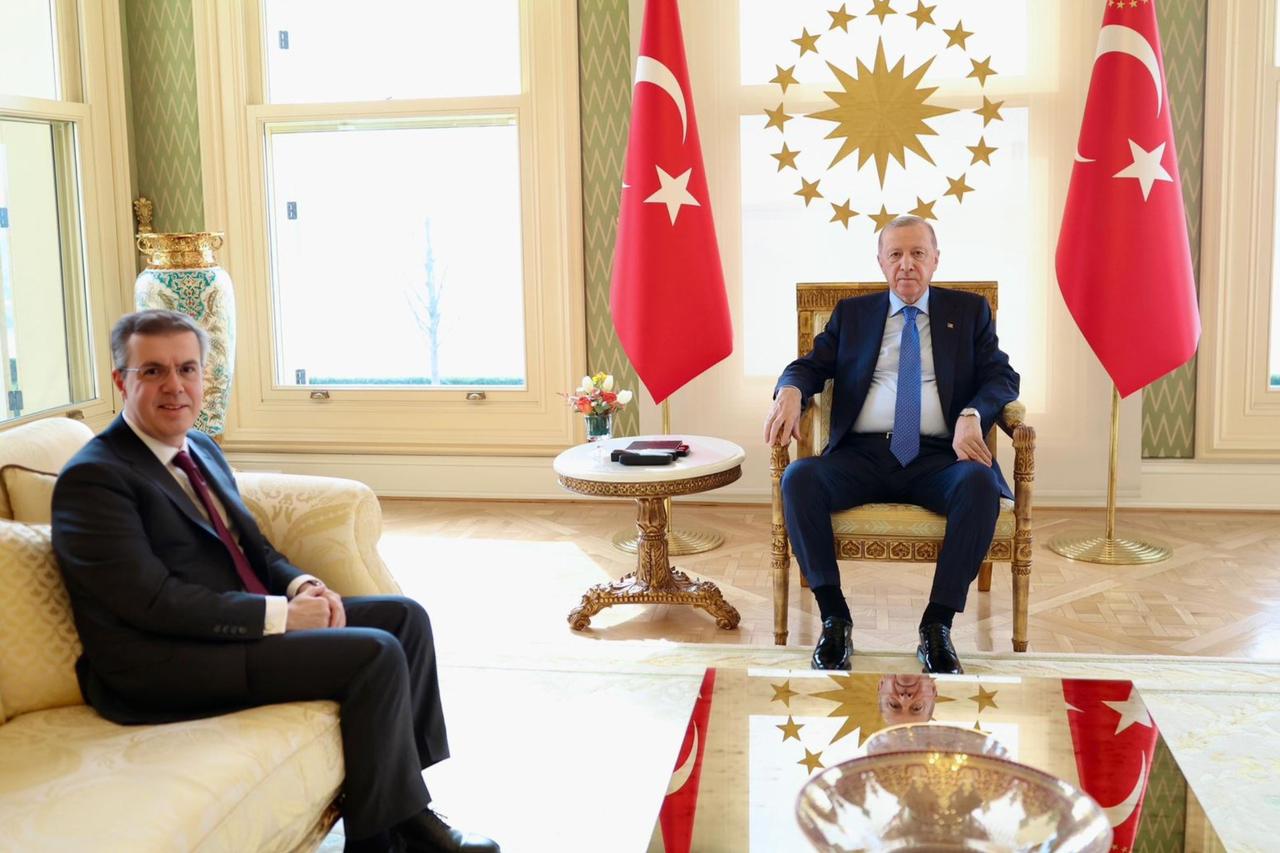
The resource base justifying this attention is not theoretical. Each country in the region brings a distinct endowment to the table. Kyrgyzstan is a mountain powerhouse operating at roughly 16 percent of its water capacity, with an estimated 10 gigawatts of hydropower projects in the pipeline, and it is Kyrgyzstan where Ihlas Holding's investments are anchored, with a framework agreement signed two years ago in front of President Erdogan and President Japarov during a state visit to Bishkek.
Uzbekistan is rapidly developing gigawatts of wind and solar capacity. Kazakhstan, anchored by its massive oil and gas reserves, is simultaneously diversifying into renewables as global demand patterns shift beneath it. Across the region, the total renewable energy pipeline stands at approximately 43 gigawatts. "The whole region, in its capacity in renewables — mainly hydro, solar, and wind — is very promising," Oren said.
Here is where the Central Asian story diverges from every previous energy pivot, and why the Iran crisis is less of a cause than an accelerant.
The demand equation driving the next decade of energy investment is not the one that built the LNG terminals and the crude pipelines. It is beyond home heating or aviation fuel or even conventional transport. It is compute. Data centers and artificial intelligence infrastructure are loading something close to Japan's entire annual electricity consumption onto the global grid every year. Demand for electrons is doubling every 18 months and everything, now, runs on electricity.
"The answer to that is not limited to this geography," Oren said. "It's wherever the cheap power will be. And renewables are the answer to that."
This is the paradigm shift underneath the crisis headlines. The world is not simply looking for alternative barrels to replace Hormuz flows. It is looking for alternative electrons to power a digitizing civilization. And the geography of cheap, scalable, clean electricity generation does not overlap neatly with the geography of Gulf hydrocarbons. It overlaps, with striking precision, with Central Asia.
The infrastructure to move that power is already being built. The CASA-1000 regional transmission project — originating in Kyrgyzstan and threading through the Middle Corridor — is approximately 80 percent complete on its Afghanistan segment, designed to carry hydropower across the region and eventually connect Central Asian generation capacity to broader demand centers. It is the physical backbone of what is, in effect, an emerging Electron Silk Road.
The deeper logic is more radical still. Unlike oil and gas infrastructure, data centers are not fixed to extraction points. They go where the power is cheap and the fiber is fast. "All they care about," Oren noted, "is fiber or, in the future, satellite connections that free them from geographical restrictions."
The implication is that Central Asia's energy assets are not merely supplying power to existing markets, they are attracting the demand itself, drawing the next generation of digital infrastructure directly to the source.
Amid this scramble of newly converted believers, Türkiye occupies an anomalous position and it does not need to be convinced.
Turkish companies have been operating in Central Asia since the Soviet collapse, moving from basic construction contracts to full-scale investment across multiple sectors over three decades. The Organization of Turkic States provides a political coordination mechanism that smooths the regulatory and diplomatic path for Turkish investors. They are the accumulated product of historical proximity, shared language roots, and an uninterrupted commercial presence that predates the current geopolitical moment by a generation.
I'Anson's forecast — that energy security and diversification arguments will "play a central role for a number of countries, especially those who are energy import dependent," in the years ahead — applies to Türkiye as much as to any European economy. But Türkiye arrives at this moment not merely as a consumer seeking supply alternatives. It arrives as an established investor, a transit corridor, and a political anchor for the exact region the world is now racing to reach.
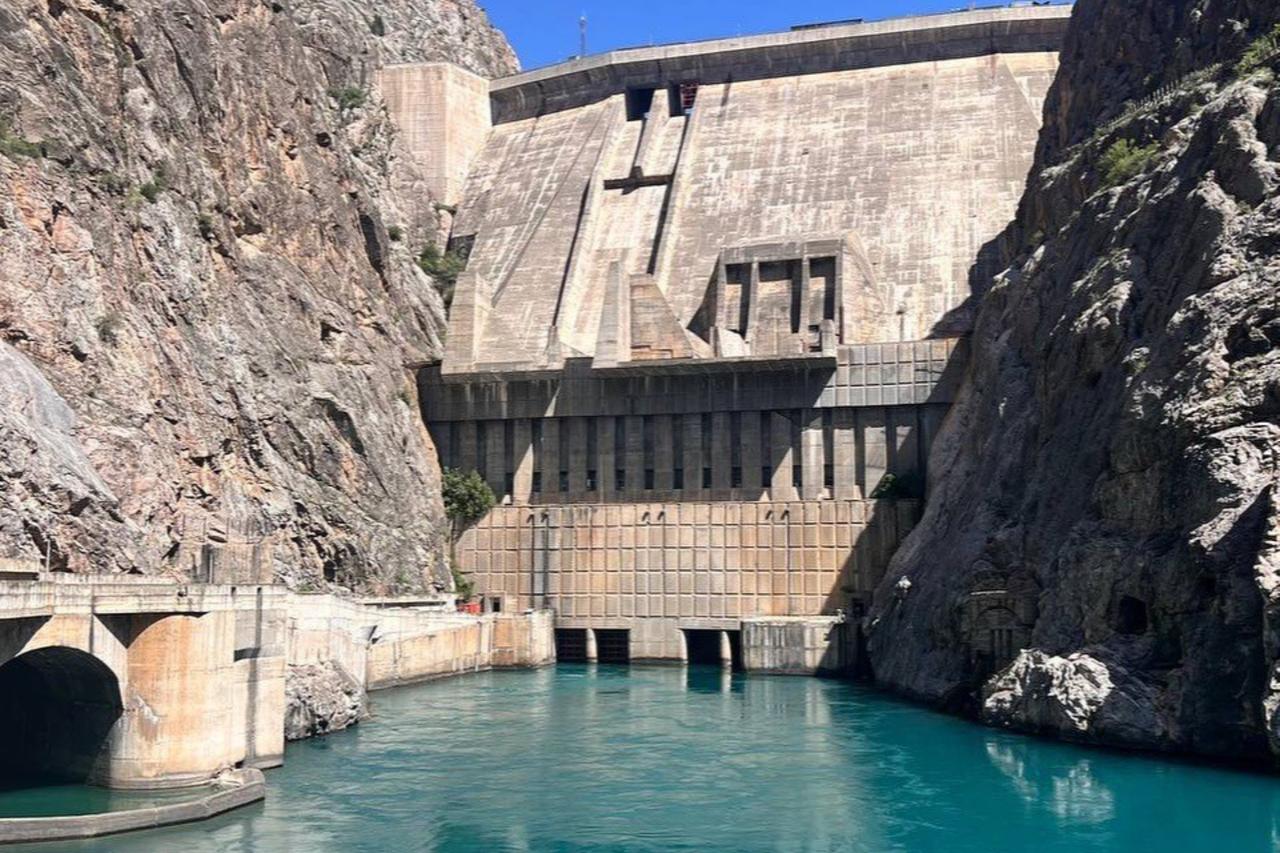
The global energy map is being redrawn. Not just by new pipelines or LNG terminals, but by the logic of the electron — by data centers that will plant themselves next to mountain rivers and desert solar farms, connected to global markets by satellite rather than supertanker.
Central Asia is no longer a hinterland. The Russia-Ukraine war put it back on Western agendas. The Iran conflict has made it urgent. The AI revolution has made it indispensable.
The transmission corridors of the Electron Silk Road are still being built. But the direction of travel is no longer ambiguous. As Oren put it, with the economy of someone who has been making the same argument for thirty years and has finally, definitively, been proved right: "We're in the right place at the right time."


 Set as preferred source
 Set as preferred source


 2 min read
 1 min read