Newsletters


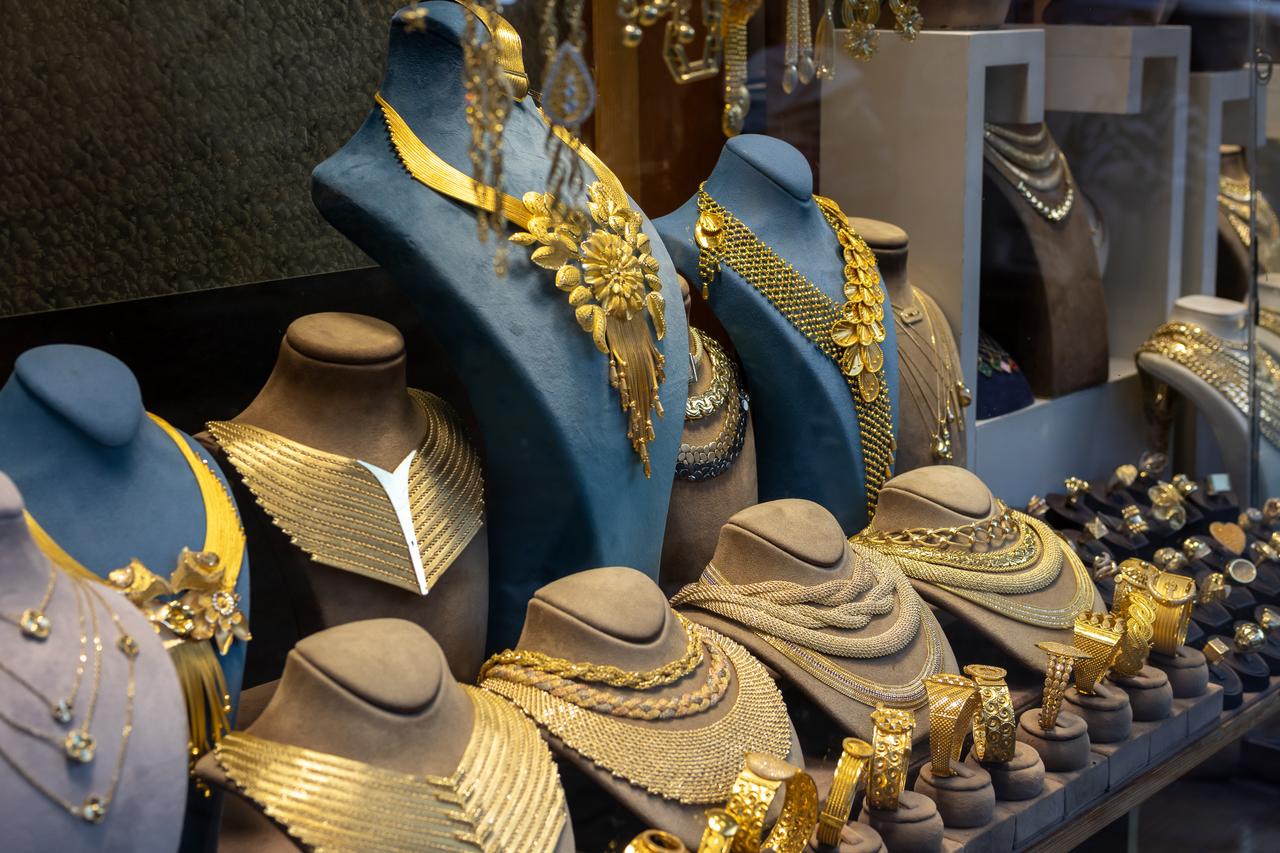


Türkiye’s jewelry exports unexpectedly dipped 59% in January compared with the same period a year earlier to $476.82 million, largely driven by deteriorating global demand amid record-breaking prices and a widening domestic gold price gap stemming from an import quota.
After increasing 5.8% to a record $7.9 billion last year, the sector entered 2026 on a sharply weaker footing as rising input costs and supply constraints disrupted export activity.
Sector representatives said the decline reflected growing pressure on exporters who struggled to secure raw materials under quota limits and faced higher input costs than global competitors, contributing to a broader contraction that left many workshops idle or forced to scale back operations.
Türkiye introduced a gold import quota in 2023 to manage its external balance and stabilize the domestic market, limiting ministry-authorized intermediary institutions to 12 tons of unprocessed gold per month.
While imports made by exporters under the Inward Processing Regime are exempt, limited domestic output and quota-restricted supply still fail to meet demand, pushing up local costs.
According to the Istanbul Jewelry Chamber, gold prices in Türkiye rise by as much as $7,000 per kilogram above global benchmarks and still carry a premium of around $4,000, eroding exporters’ price competitiveness.
"Export orders have basically stopped," Fehmi Canli, co-owner of Turkcan Jewelry, told Chinese state media Xinhua, adding that some international clients said they would no longer travel to Türkiye for business. "When production stops, it's not just the owners who suffer. Workers lose their jobs, and factories close."
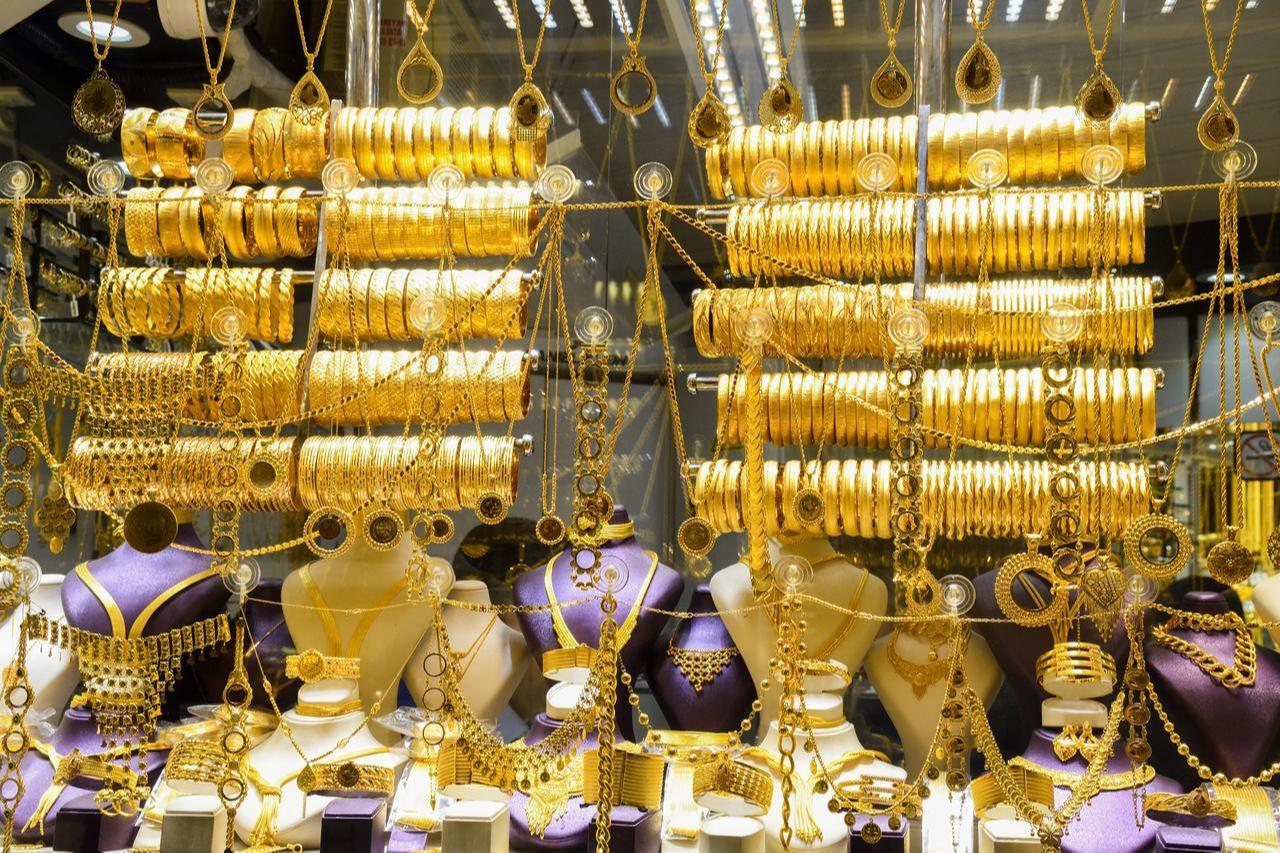

Industry officials estimate that nearly 60% of jewelry workshops and factories have closed or face closure as rising costs and weakening demand disrupt production.
Türkiye’s share of global jewelry exports has fallen to around 5%, down from about 7% in 2023 and short of its earlier target of 10%, Istanbul Jewelry Chamber Chairman Mustafa Atayik said.
Atayik said the industry is seeking policy adjustments to ease supply constraints while protecting the domestic market. "We need a balance, a way to protect the domestic market while keeping exporters competitive," he said.
Türkiye produced 28 tons of gold in 2025, well below the annual demand of around 150 tons, leaving the sector heavily reliant on imports.
Hasan Yucel, president of the Turkish Gold Miners Association, said Türkiye holds about 6,500 tons of gold reserves worth more than $1 trillion, with the potential to reach 12,000 tons through further investment. "A $10 billion investment could boost annual production from 28 tons to 100 tons," he said.


 Set as preferred source
 Set as preferred source


 1 min read
 1 min read