Newsletters





Türkiye has enough existing, permitted and developing gold projects to produce around 50 tons of the precious metal annually, according to Mehmet Yilmaz, chairman of the Turkish Miners Association.
Speaking to reporters in Rize after the fourth Mine Rescue Competition, Yilmaz said projects currently held by license owners, waiting for permits or preparing to start operations, could significantly lift the country's annual gold output.
"When we bring together the gold deposits of various sizes held by license owners, awaiting permits and preparing to open, Türkiye has the capacity to produce 50 tons of gold a year," Yilmaz said.
Yilmaz also pointed to developments in the U.S. economy and ongoing geopolitical tensions as major factors shaping global gold prices, while noting that the metal continues to hold on to its traditional role as a safe-haven asset.
He said gold could trade between $4,500 and $5,000 per ounce by the end of the year, identifying $4,500 as a critical resistance level that could open the way for higher prices if broken.
"The price of gold could reach the $4,500-$5,000 range per ounce by the end of the year. $4,500 is a critical resistance point. If this level is exceeded, it will test higher levels. Gold also appears to have room to rise in 2027," he said.
Yilmaz put the average global gold production cost at around $2,400 per ounce and argued that even under a negative scenario, prices were unlikely to fall significantly below $3,000.
He added that any decline would also have to be weighed against possible changes in the dollar exchange rate, saying prices could eventually settle around a certain level rather than result in major losses for investors.
Although geopolitical tensions would normally support gold prices, Yilmaz said disruptions along key trade routes were currently putting pressure on cash flows and prompting some market participants to sell their gold holdings.
According to Yilmaz, this dynamic has limited some of the price gains that might otherwise have followed from global conflicts.
He said that if international trade conditions normalize, some analysts expect the pressure on gold to ease and prices to gain an additional $500 to $1,000 per ounce.
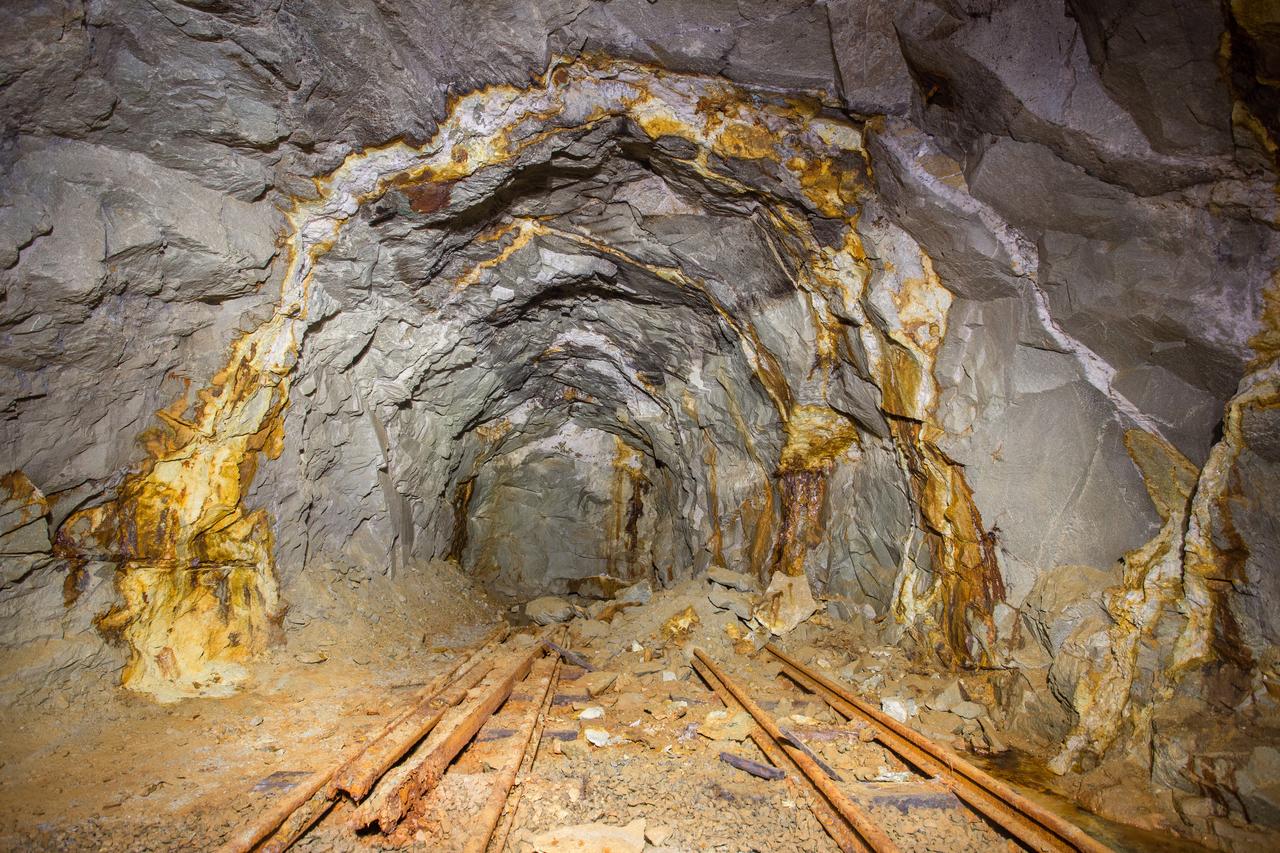

Turning to domestic resources, Yilmaz said Türkiye's broader gold potential should be reassessed through updated geological modeling.
He said a geological model prepared in the early 1990s had estimated the country's gold potential at 6,500 tons, but higher gold prices have since changed the economic viability of deposits that were previously not considered workable.
"When you take the price of gold from around $300 an ounce at that time to today's levels, I think Türkiye's gold potential should be expressed as at least 10,000 tons. I want to underline in particular that this is potential, not reserves," Yilmaz said.
Yilmaz, who also chairs the Türkiye-Canada Business Council under the Foreign Economic Relations Board, or DEIK, said commercial relations between the two countries had recently gained momentum.
He pointed in particular to nuclear energy cooperation, saying talks between President Recep Tayyip Erdogan and Canadian Prime Minister Mark Carney had contributed positively to bilateral ties and opened up further opportunities in areas including trade and energy.
Yilmaz recalled that Türkiye Nuclear Energy Inc., or TUNAS, and Canada-based nuclear energy company AtkinsRealis had signed a memorandum of understanding covering cooperation on the development of nuclear power plants in Türkiye.
 1 min read
Under the agreement, the parties are assessing the possible use of Canada's CANDU reactor technology in Türkiye.
Yilmaz added that the DEIK Türkiye-Canada Business Council plans to attend the Toronto Global Forum in October as efforts to build up commercial relations between the two countries continue.


 Set as preferred source
 Set as preferred source



 1 min read