Newsletters


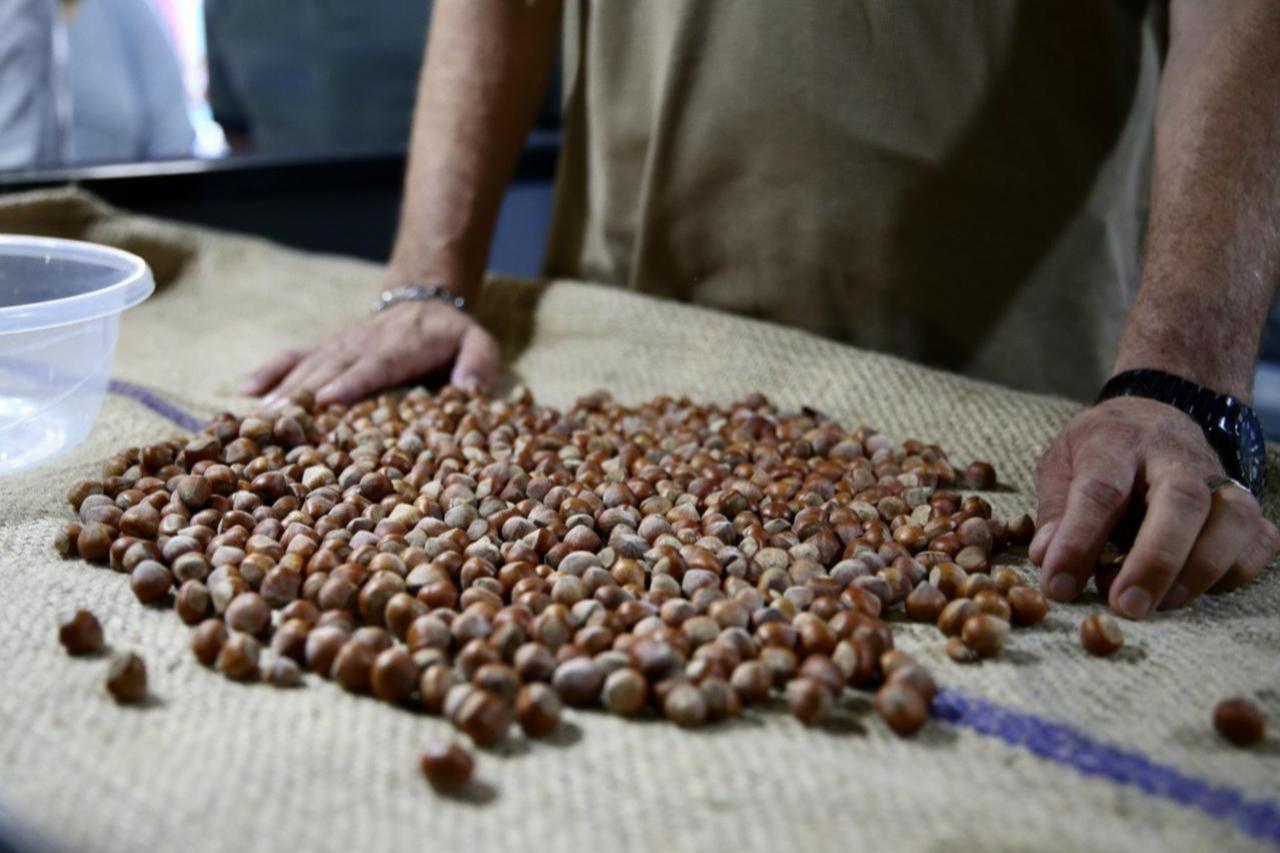


Türkiye ended 2025 with a sharp decline in hazelnut exports, despite record-high prices in domestic and global markets.
Official figures show that export volumes and revenues both fell over the year, reflecting severe production losses caused by frost, drought, and rising costs.
According to data reported by Anadolu Agency, Türkiye exported 238,704 tons of hazelnuts in 2025 and earned $2.25 billion in revenue. Compared with 2024, export volume dropped by 26%, while export income fell by 14%, a loss of about $380 million.
Hasan Osman Sabir, head of the Black Sea Hazelnut and Products Exporters’ Union, said the figures point to a structural crisis.
He noted that export performance in the first four months of the 2025–2026 season fell to levels last seen in the 1980s and warned that the sector needs urgent and comprehensive policy measures in 2026.
The export downturn followed one of the most disrupted hazelnut seasons in decades.
Spring frosts in April damaged orchards across Türkiye’s Black Sea region, which produces most of the country’s hazelnuts. Summer drought and pest pressure added to the losses.
In a normal year, Türkiye produces between 600,000 and 800,000 tons of hazelnuts and supplies nearly two-thirds of the global market. In 2025, production estimates dropped sharply. Government and industry figures place output between 400,000 and 500,000 tons, while some producer representatives say effective production may be even lower due to empty or low-quality nuts.
The supply shock pushed prices sharply higher. The Turkish Grain Board set official purchase prices for the 2025–2026 season at ₺200 per kilogram for Giresun quality hazelnuts and ₺195 for Levant quality, increases of more than 50% from the previous season.
Market prices later climbed much higher, reaching ₺320 to ₺350 per kilogram by mid-September, according to industry sources.
International prices followed the same trend. Shelled hazelnut prices nearly doubled within months, rising from around $9,000 to $18,000 per ton by autumn, according to traders cited by the Financial Times and FreshPlaza.
High prices did not translate into stronger exports. Exporters faced difficulties securing raw material and fulfilling contracts, while buyers hesitated to commit at current cost levels.
In the first half of 2025, Türkiye exported nearly 143,000 tons of hazelnuts and generated close to $1.2 billion in revenue. Exporters warned that shipments weakened in the second half of the year as supply tightened and price volatility increased.
Regional figures underline the scale of the decline. Trabzon, which accounts for about a quarter of Türkiye’s hazelnut exports, shipped 59,791 tons in 2025 and earned $553 million. Compared with the previous year, export volume from the province fell by 38% and export value dropped by 34%, according to the Eastern Black Sea Exporters’ Association.
Industry representatives also raised concerns about long-term competitiveness. Rising labor costs, inflation, and limited value-added processing continue to weigh on Türkiye’s position in the global hazelnut trade.
The supply crisis also affected relations with major international buyers. Italian confectionery group Ferrero temporarily slowed or halted hazelnut purchases from Türkiye in late 2025 as prices surged and availability tightened.
Company representatives said Ferrero delayed purchases while waiting for prices to stabilize and increased sourcing from other origins, including Chile and the United States. Both countries expanded production in recent years and now play a growing role in global supply chains.
Exporters warned that this shift could have lasting consequences. They said competing producers, especially Chile, are investing aggressively and could gain market share if Türkiye fails to address structural weaknesses in its hazelnut sector.
Industry leaders describe 2026 as a critical year for Türkiye’s hazelnut industry. Sabir said current figures show that high prices alone cannot protect export performance when production collapses and costs rise.
Exporters and producers called for policies that address climate risks, farm-level resilience, financing, storage, and long term market positioning. Without such measures, they warned, Türkiye risks losing ground in a global market it has dominated for decades, even as hazelnuts remain a key source of income for rural communities across the Black Sea region.


 Set as preferred source
 Set as preferred source



 1 min read