Newsletters





Türkiye has expanded its list of target e-export markets from 18 to 35 countries in response to changes in global trade and the removal of customs exemptions in some countries, a senior Trade Ministry official said.
Hasan Onal, head of the E-Export Digital Marketing, Behavioral Public Policies and Next-Generation Technologies Department at the Trade Ministry’s General Directorate of Exports, said e-commerce has been growing rapidly thanks to technological transformation.
Speaking to Turkish news agency Anadolu in Antalya, Onal said Türkiye has made significant progress in e-exports in recent years.
“When we started, we established the E-Export Digital Marketing, Behavioral Public Policies and Next-Generation Technologies Department in 2022. In 2023, we launched export support programs. At that time, e-exports stood at $2 billion. We have increased that figure to $6.4 billion,” he said.
Onal noted that measuring e-export data remains challenging and argued that the actual figures are likely higher.
He also said several countries are closely monitoring Türkiye’s progress in the sector.
“Saudi Arabia is closely examining Türkiye in the field of e-exports. They consider Türkiye to have the most successful e-export policy model after China,” he said.
Onal said Türkiye initially identified 18 target markets under its “Distant Countries Strategy” for e-exports but later expanded the list to 35 countries.
“We recently added countries such as Germany, France and Romania to the target markets group,” he said.
According to Onal, the United States remains the primary target market for Turkish e-exporters, followed by Saudi Arabia, Azerbaijan and Germany.
“Companies are reaching global markets particularly through international online marketplaces. The U.S. is extremely important for our firms, and they are entering that market through marketplace platforms. Our e-export support programs are designed to support expansion through these platforms. So far, we have prepared guides for 27 marketplaces. Rather than focusing solely on countries, we emphasize sales through international marketplace platforms and aim to help our companies reach global consumers,” he said.


Onal said technological transformation is at the core of digital transformation and described artificial intelligence as one of the ministry’s main priorities.
He said the ministry is developing AI-supported information platforms to meet exporters’ information needs.
“We are developing AI-supported platforms to meet the information needs of our companies. As a ministry, we attach importance to strengthening trade through artificial intelligence technologies. In this context, we are planning to organize a workshop with TOBB in the near future. Our minister’s vision in digitalization and artificial intelligence provides strong direction for these efforts. In line with this vision, the ministry will continue developing digital solutions that enable exporters to access information more quickly and position themselves more effectively in global competition,” he said.
 1 min read
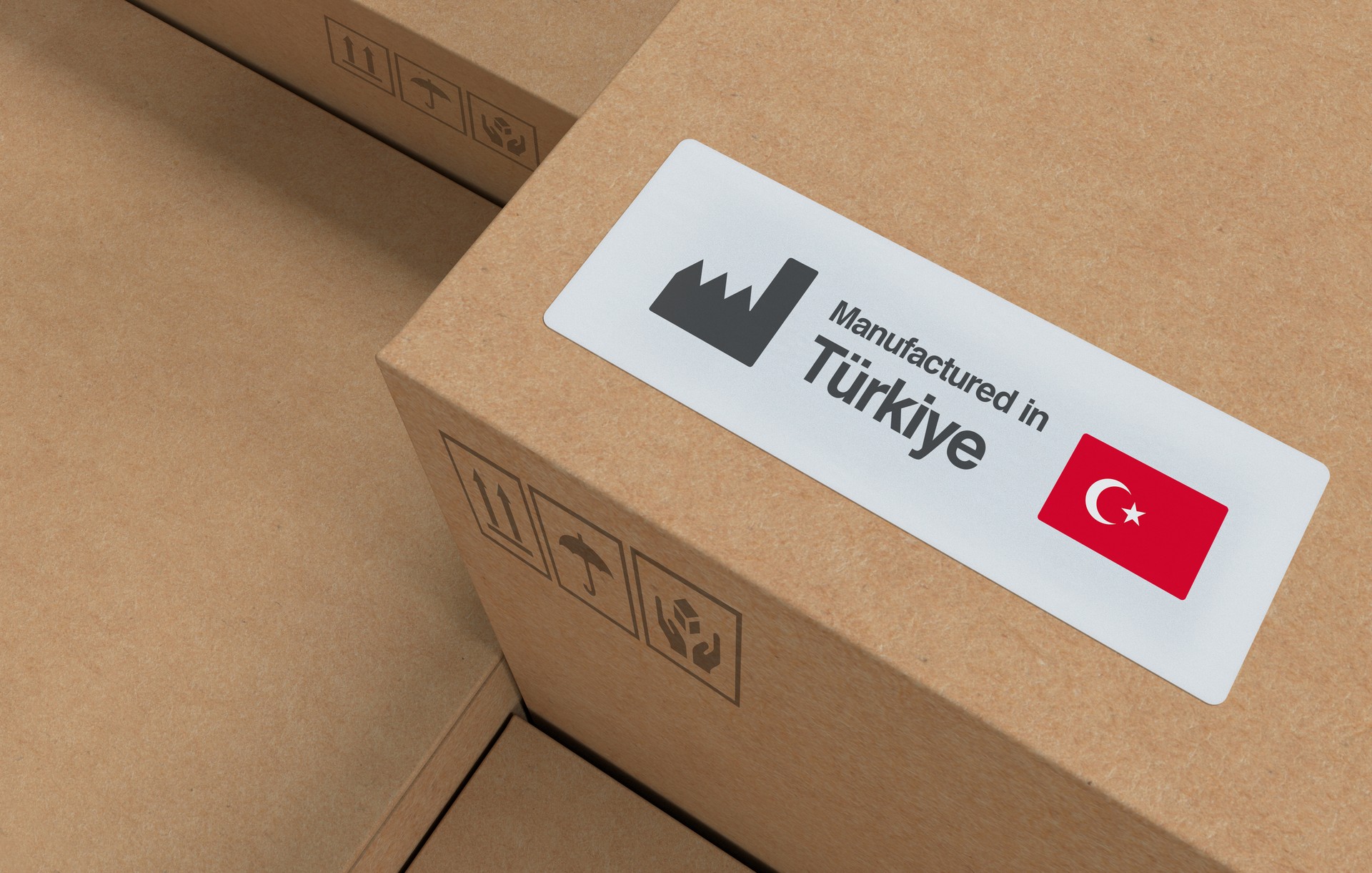
Onal also highlighted efforts to strengthen Türkiye’s e-export ecosystem through international events.
He said the Istanbul Global E-Export Summit (IGEXX) will be held during the first week of September.
According to Onal, 33 global marketplace platforms participated in the inaugural summit in 2024, and IGEXX has since become an important meeting point for international marketplaces.
He added that the “Export Supports” section of the Trade Ministry’s website provides assistance for overseas trademark registration, establishing warehouses abroad and similar activities.
Under the “E-Export Supports” section, companies can receive support for advertising and promotional activities on international marketplaces, marketplace commission fees and local consultancy services, he said.
Onal added that citizens can access the e-Easy Export Platform through e-Government credentials and learn how to conduct e-exports in 10 steps.


 Set as preferred source
 Set as preferred source


 1 min read