Newsletters


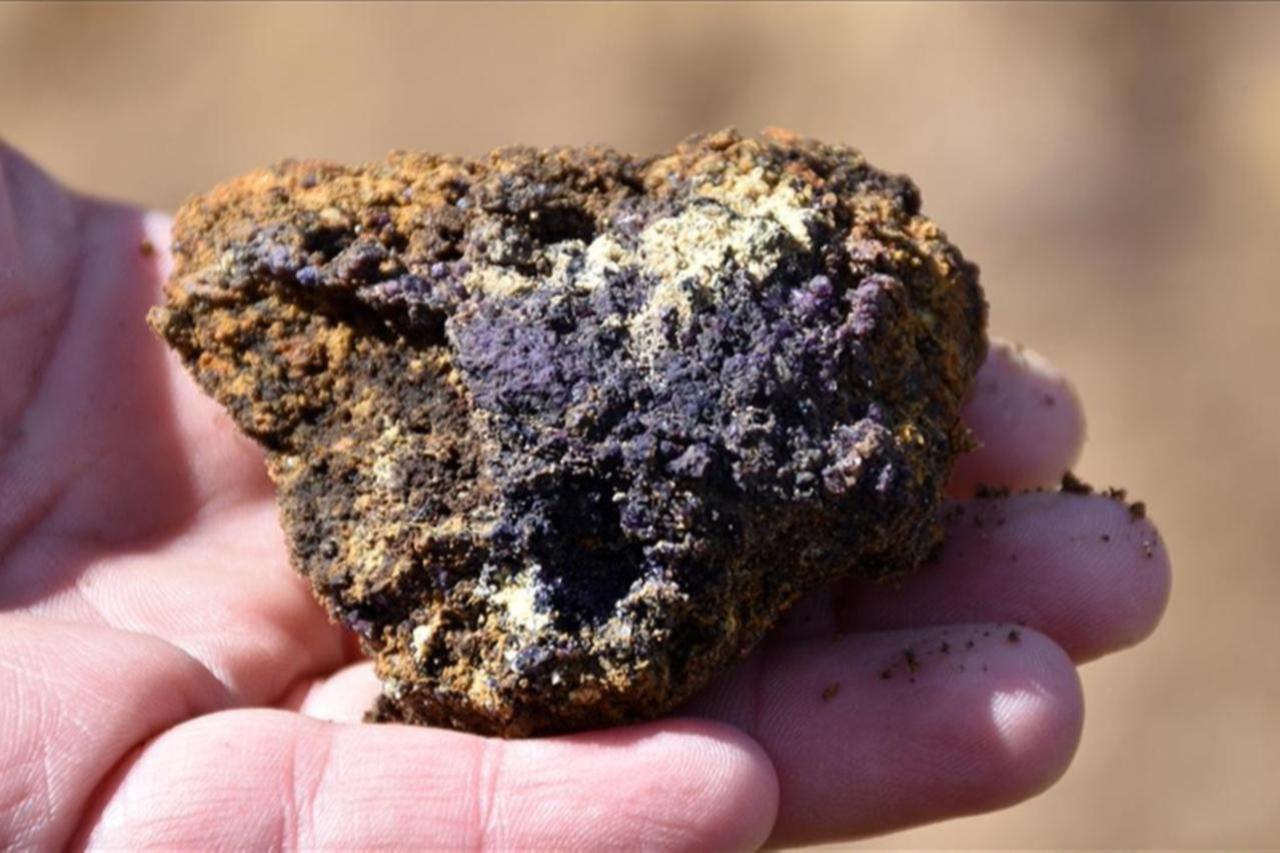


Türkiye’s Ministry of Energy and Natural Resources has launched a new initiative focusing on Africa’s mineral wealth, with Zimbabwe emerging as a key country of interest due to its vast rare earth mineral reserves, officials told lawmakers this week.
According to a report by Türkiye daily, citing a briefing delivered to Turkish Parliament’s Foreign Affairs Committee, the ministry has begun a dedicated study on Zimbabwe’s critical mineral resources, a country that holds the world’s second-largest rare earth reserves after China and ranks second globally in platinum and fifth in lithium.
The move aligns with Türkiye’s broader Africa strategy, which includes growing defense ties, expanding energy cooperation, and strategic investments in ports and mining infrastructure.
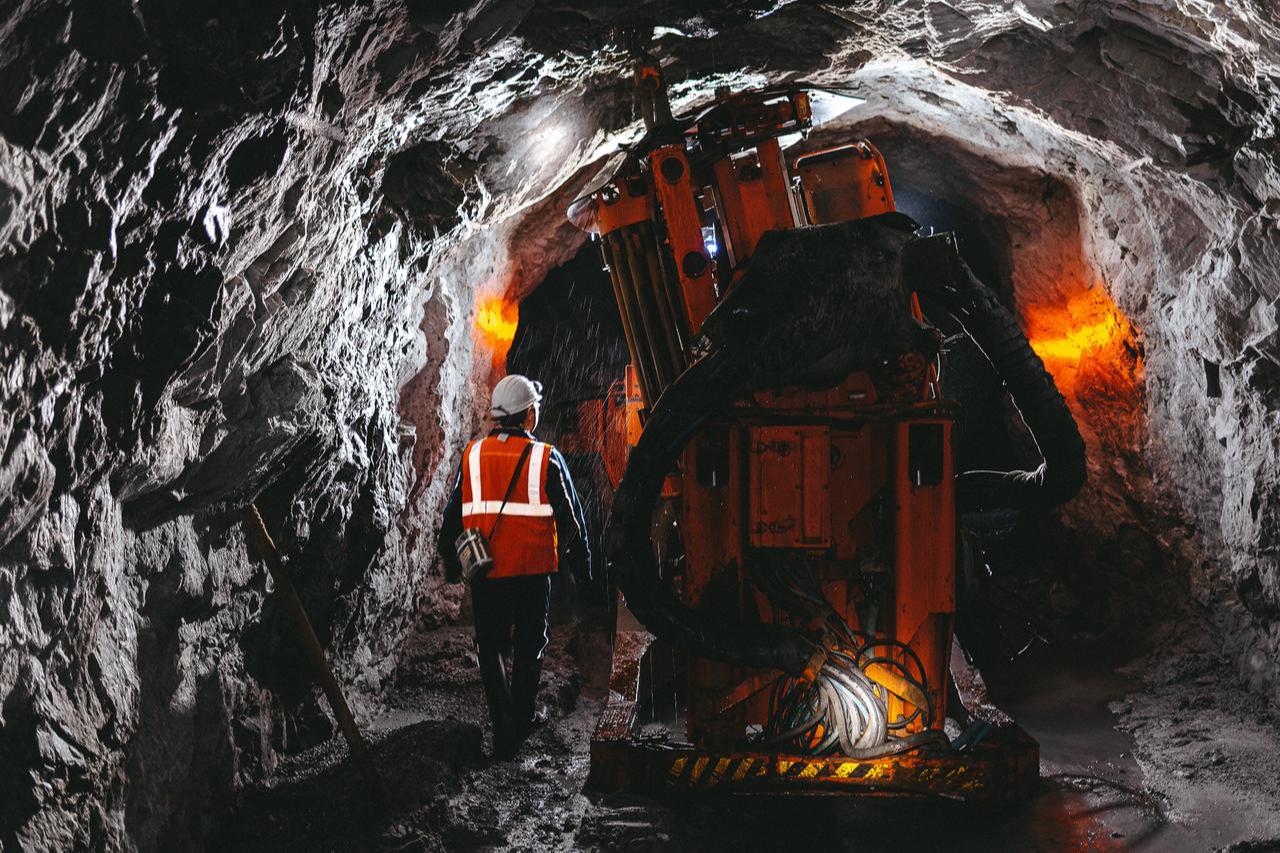

Zimbabwe possesses more than 60 types of minerals, including gold, lithium, diamonds, platinum, nickel, chromium, and emeralds. The country has increasingly become a focal point for global powers seeking alternatives to China’s near-monopoly on rare earth elements, a group of 17 metals vital for advanced technologies such as electric vehicles, wind turbines, semiconductors, and defense systems.
Türkiye is now pursuing a coordinated effort across ministries to evaluate rare earth opportunities continent-wide. The Ministry of Foreign Affairs and the Energy Ministry are conducting joint assessments that will feed into a new Africa Action Plan. A comprehensive presentation on Türkiye’s proposed investments in African mining and ports will be submitted to President Recep Tayyip Erdogan in the coming days.
Türkiye currently operates 44 embassies across Africa and plans to expand that number to 50 in the near future. It has signed strategic cooperation agreements with over 20 African countries in the fields of energy and mining. The medium-term goal is to increase trade volume with the continent to over $50 billion.
This latest initiative comes as Turkish firms grow their presence in African infrastructure, defense, and extractive industries, with a focus on building long-term partnerships with African nations.
Energy Minister Alparslan Bayraktar said in November that Türkiye aims to become one of the world’s top five countries in both rare earth reserves and production.
Türkiye began its rare earth research in 2011 and has since discovered 694 million tons of reserves in the Beylikova district of Eskisehir province, located in central Türkiye.
Bayraktar also outlined an ambitious energy expansion, with plans to add between 8,000 and 10,000 megawatts of solar and wind capacity each year through 2035, investments totaling $80 billion. Under the country’s 2035 Renewable Energy Roadmap, Türkiye aims to reach 120,000 megawatts of installed renewable energy. As of September 2025, renewables accounted for 74,746 megawatts, representing 61.6% of Türkiye’s total power capacity.
The global race to secure access to rare earth elements has accelerated amid rising tensions between China and the United States. China, which currently controls around 90% of global production, has increasingly used its dominance in rare earths as a geopolitical lever, prompting countries like Türkiye to diversify supply chains and secure critical resources.
Türkiye’s focus on Zimbabwe and broader Africa is part of a strategy to both fuel domestic energy transition goals and enhance its position in emerging geopolitical supply chains.


 Set as preferred source
 Set as preferred source


 2 min read
 1 min read