Newsletters


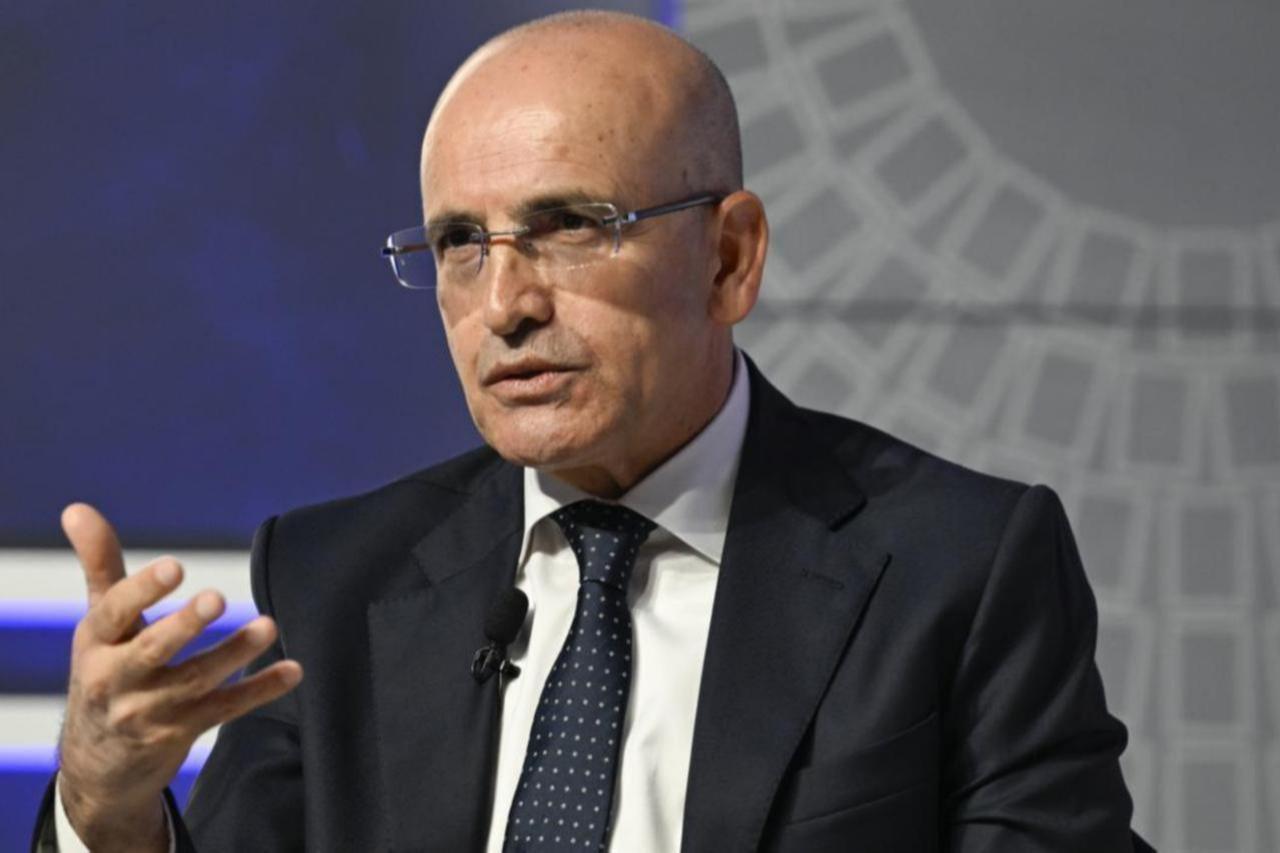


Finance Minister Mehmet Simsek outlined the country's approach to navigating economic turbulence during a conference in Saudi Arabia, crediting both fortune and sound management for the nation's relative resilience amid 2025's challenging global landscape.
Speaking at the event, Simsek acknowledged the difficulty of the current year but expressed confidence in Türkiye's position.
"We were a bit lucky, and we managed the process correctly," he said when asked how the country has handled recent pressures.
Speaking on Monday, Feb. 9, at the closing panel of the Emerging Markets Conference (EMC) organized by Saudi Arabia's Ministry of Finance and the International Monetary Fund, Simsek emphasized Ankara's relatively sound position amid global trade fragmentation.
"We have a Customs Union with the EU. In addition, we have free trade agreements with 27 more countries. So approximately 62% of our exports are covered by free trade agreements," Simsek said.
"This certainly does not provide complete protection, but as long as your trade partners comply with the rules, free trade agreements provide some protection. We are not completely immune. The rest of our trade is also concentrated in our near geography—the Middle East, North Africa and Central Asia," he added.

The Turkish minister also highlighted Ankara's position in services trade as a key competitive advantage, stating, "In services trade, Türkiye is globally in the top 20."
"We are fourth in tourism. We are among the leading countries in construction. We are even among the top globally in TV series exports," he noted.
"The services sector is our strong point. Moreover, services trade has not yet encountered the kind of protectionist measures we see in goods trade. This gives us a significant advantage," Simsek said.
"We are particularly focusing on this area where value-added and job creation are high," he added.
The minister said Türkiye's economic stabilization program has reduced the country's vulnerability.
"We are in a relatively less fragile position thanks to the program we have implemented. For the last two and a half years, we have been implementing the macroeconomic stability and reform program. This program helped us strengthen buffers and increase resilience," Simsek stated.
"We do not live in an easy geography; we are located in a region with intense conflicts and tensions. Despite this, growth and trade have remained resilient, and we are addressing imbalances and taking structural steps to increase sustainability," he added.
Simsek later pointed to Türkiye's significant trade imbalance with China as a challenge requiring bilateral solutions.
"Türkiye's trade deficit with China is close to $47 billion. This is quite a large figure. It constitutes more than 50% of our total trade deficit," he said.
"It is not possible for a country the size of Türkiye to solve this problem alone. Therefore, we are telling our Chinese counterparts, "Let's solve this together; let it not be a one-way trade relationship; let's make it mutual and sustainable," Simsek added.
He outlined three proposals to Chinese partners: increasing Chinese tourist arrivals to Türkiye, directing global-scale Chinese banks toward long-term infrastructure projects or industrial investments in Türkiye, and encouraging Chinese companies to enter the Turkish market through manufacturing rather than just product sales.
He noted that Ankara is prioritizing investments in artificial intelligence, along with infrastructure, human capital development, skills enhancement and education.
On regional integration, he noted Türkiye is part of the Middle Corridor extending from Beijing to London.
"Now, we are trying to build new corridors that will connect the Gulf Cooperation Council countries—that is, the Middle East—to the rest of the world through Türkiye. So investing in connectivity is also part of our strategy," he said.
"Energy is also a critical topic. Artificial intelligence requires energy. That's why we are investing in nuclear energy; we aim to bring two or three more new plants into operation over the next few decades."
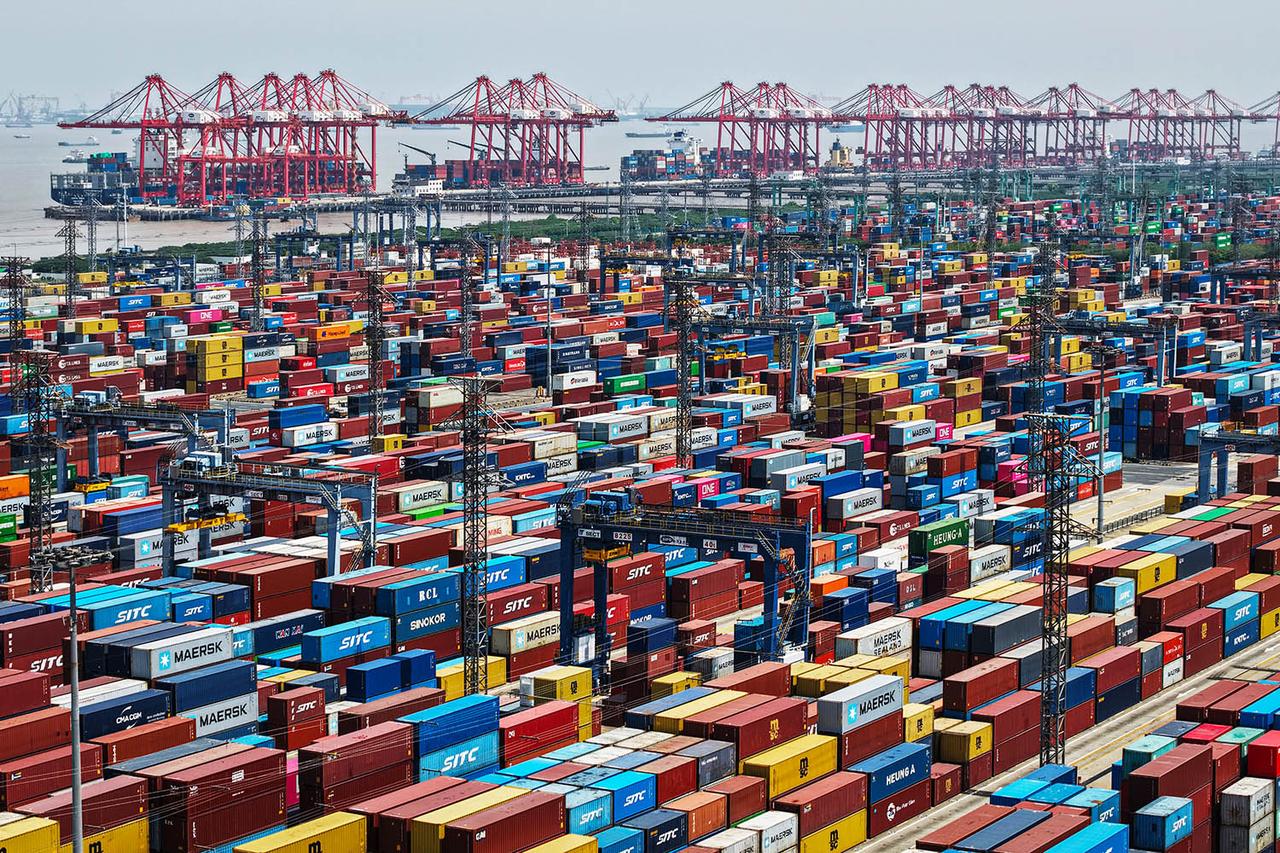
Simsek acknowledged that 2025 was a challenging year characterized by "volatility, uncertainty, complexity and ambiguity."
"Especially for emerging markets, it was a difficult year with increasing uncertainties," he said.
"Developing countries are generally dependent on exports. Current protectionist measures create vulnerability for these countries," Simsek noted.
The closing panel also featured IMF Managing Director Kristalina Georgieva, Qatari Finance Minister Ali bin Ahmed Al Kuwari, and Ecuadorian Finance Minister Sariha Moya.


 Set as preferred source
 Set as preferred source


 1 min read
 1 min read