Newsletters


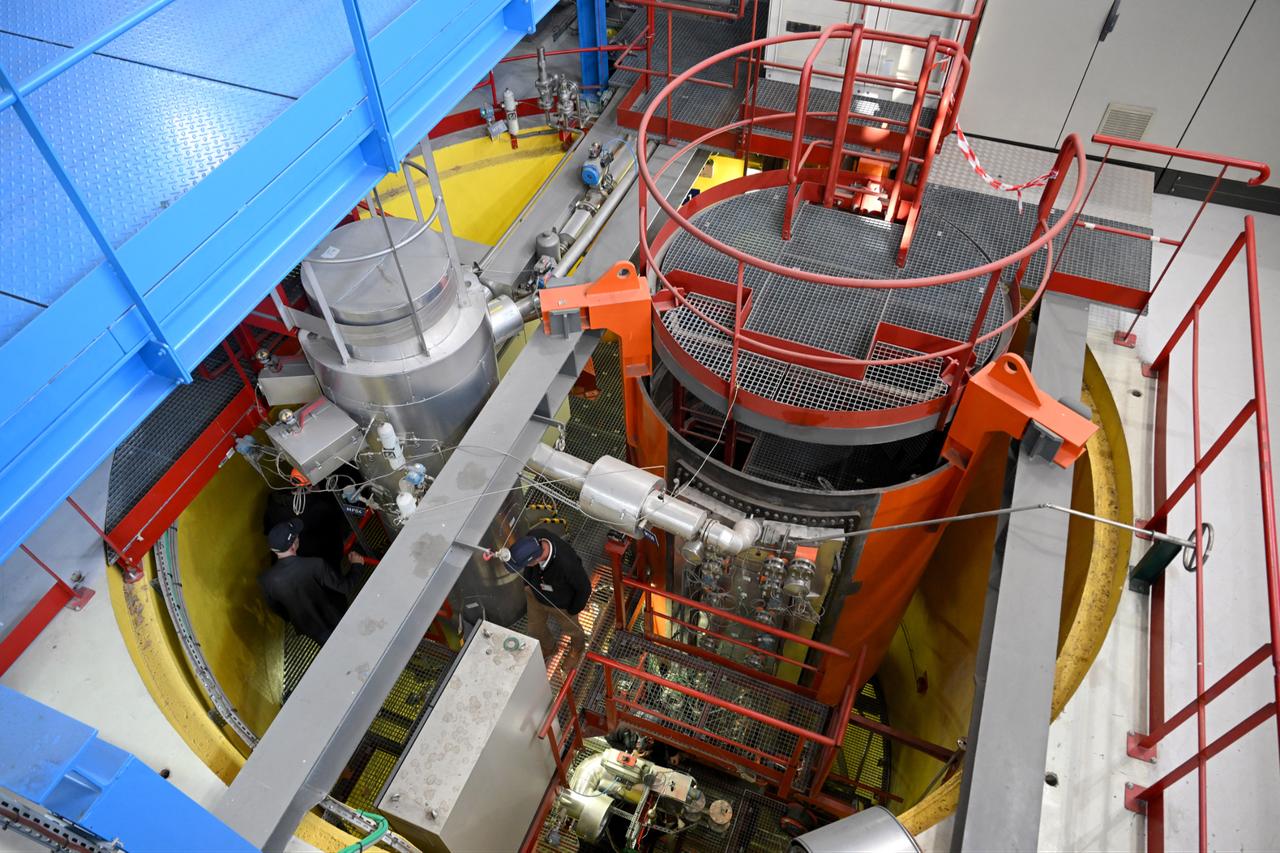


Türkiye is advancing its energy security and sustainability goals by developing small modular reactor (SMR) technology, positioning itself strategically in nuclear energy innovation and investment as an alternative to traditional large-scale nuclear power plants.
Small modular reactors represent more compact, flexible, and secure energy production units compared to conventional large nuclear plants, while Türkiye aims to support sustainability targets and strengthen energy independence through investment in these emerging technologies.
Türkiye's initiatives in SMR development are intended to increase energy security in the coming years and achieve a strategic position in nuclear energy regarding technology and investment, according to statements from energy experts at the International Association for Energy Economics (IAEE) Middle East and Central Asia (MECA) Conference held in Antalya.
Oxford Institute for Energy Studies Research Fellow Dr. Adnan Shihab-Eldin highlighted significant advantages of SMRs compared to conventional large nuclear plants in terms of both investment costs and safety systems.
"Small modular reactors offer important advantages compared to large conventional nuclear plants both in terms of capital cost per unit and safety systems. Because they are smaller in terms of per-unit capital costs, you are not taking on large capital risks. They have improved safety systems. They stand out in terms of versatility and scalability for different applications," Shihab-Eldin said.
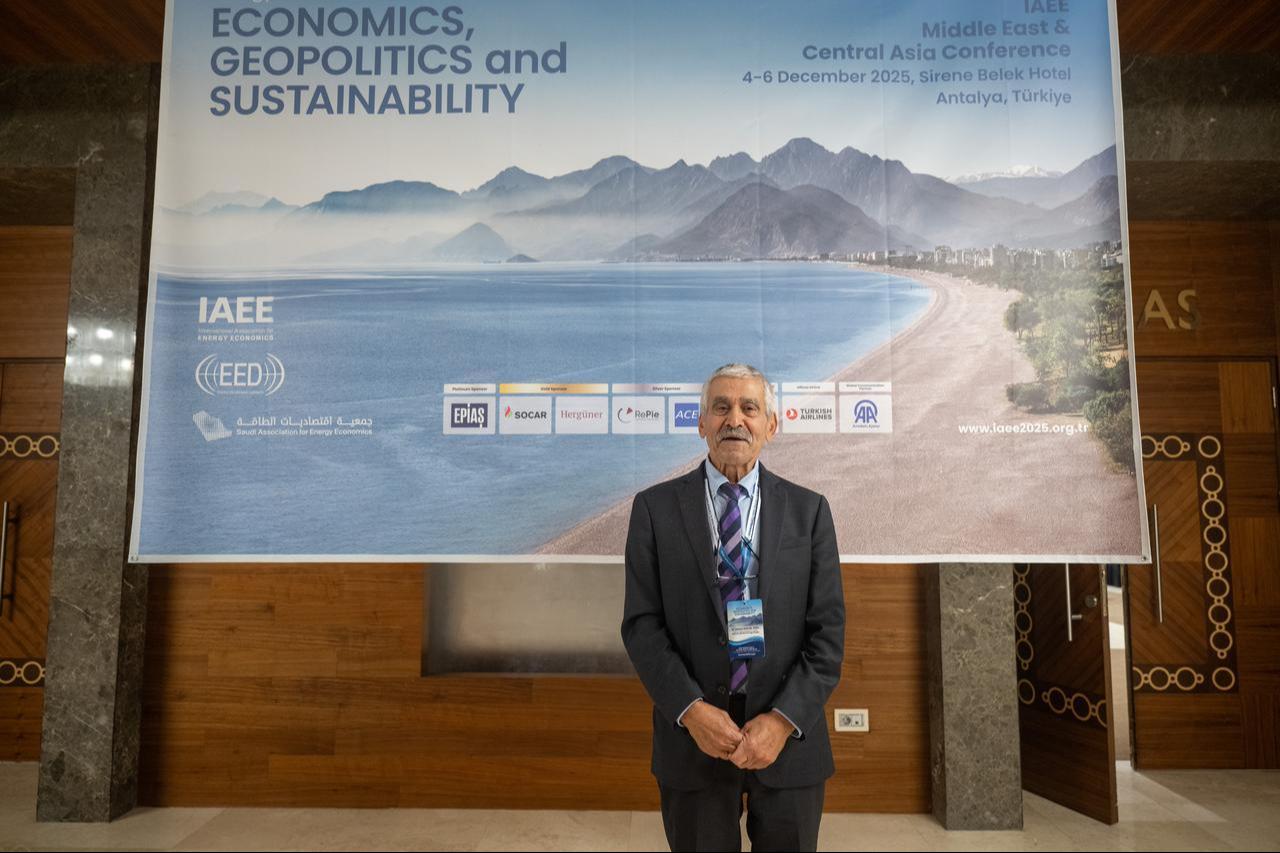

Shihab-Eldin emphasized that Türkiye's initiation of SMR work presents a strategic opportunity for the country's future.
"Türkiye has shown foresight by taking the lead as SMRs develop. In the coming years, it will begin to attract the best offers. However, my advice to Türkiye is to choose the company that builds the first example, not the second, third, and fourth examples economically proven. In this way, it will have the capacity to observe, choose, and succeed," Shihab-Eldin said.
"Türkiye's SMR initiative represents a strategic opportunity for the country," Shihab-Eldin stated.
"Türkiye has demonstrated foresight by taking the lead as SMRs develop. In the coming years, it will begin to attract the best offers," he added.
Senior Partner at Herguner Bilgen Ucer Law Partnership Umit Herguner stated that SMRs can play a critical role in Türkiye's energy security, increasing competitiveness in industrial production and providing advantages regarding compliance with the European Union's Green Deal.
Herguner emphasized that one of the greatest advantages of SMRs compared to conventional nuclear plants is their ability to be constructed at the location where energy is needed.
"Products such as iron-steel, aluminum, cement, fertilizer, and glass have very high energy inputs, so SMRs that we can build at the sites where these products are produced can be evaluated as sustainable energy sources," Herguner said.
During the SMR Deployment session at the conference, Herguner emphasized that electricity produced with this technology will provide a competitive advantage in the EU market, saying, "By using electricity from this source for production, we will be able to continue selling our products in the EU without being subject to any sanctions."
Herguner noted that the sustainability of current energy sources cannot be guaranteed, adding, "Therefore, we need new energy sources that we can quickly bring into operation."

Herguner pointed out the continuity problem with renewable sources such as wind and solar, noting, "Wind and solar renewable sources have continuity issues. SMRs are sustainable energy sources that will eliminate these uncertainties."
Herguner emphasized that SMRs can be constructed quickly, saying, "The largest one does not exceed 400 megawatts in capacity. Much smaller and much faster compared to conventional plants."
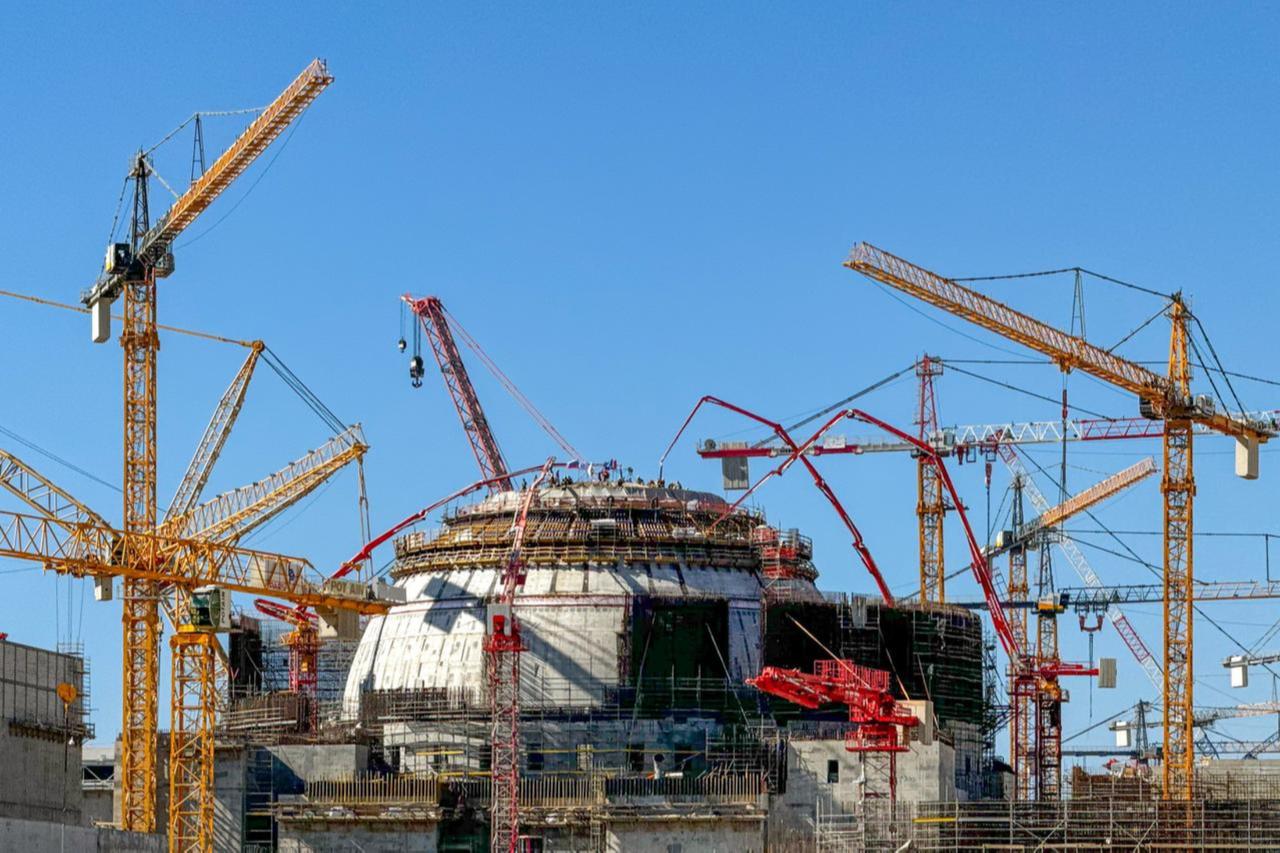
Herguner also stressed that energy distribution losses are eliminated with SMRs, noting, "We are not talking about energy taken from Mersin like Akkuyu and transmitted for use somewhere in Anatolia. Because it is an energy source that can be built right at the location where it is needed, it has much greater advantages compared to conventional rates."
Herguner noted that small modular reactors can strengthen Türkiye's energy security in the short term, adding, "SMRs can solve Türkiye's short-term energy needs, which is why I think SMRs are energy sources that can provide solutions to Türkiye's short-term energy requirements."
 1 min read

The ability to install SMRs directly at industrial sites eliminates transmission losses and infrastructure costs. Heavy industry sectors, including steel, aluminum, cement, fertilizer, and glass production—which require high energy inputs—can benefit from localized SMR deployment.
"Conventional plants like Akkuyu require energy transmission from Mersin across Anatolia, incurring significant distribution losses. SMRs eliminate this problem entirely by generating power at the point of use," according to analysis presented at the conference.
SMR technology provides advantages in deployment flexibility and construction timelines. With maximum capacity units not exceeding 400 megawatts, significantly smaller than conventional nuclear plants, SMRs can be rapidly constructed and deployed to meet specific regional energy demands.
The use of electricity generated from SMRs for industrial production enables continued market participation without EU sanctions or environmental restrictions, supporting Türkiye's compliance with European Union Green Deal requirements while maintaining production cost competitiveness.


 Set as preferred source
 Set as preferred source


 1 min read