Newsletters




Despite rising geopolitical tensions in the Middle East, German holidaymakers are not scaling back their travel plans.
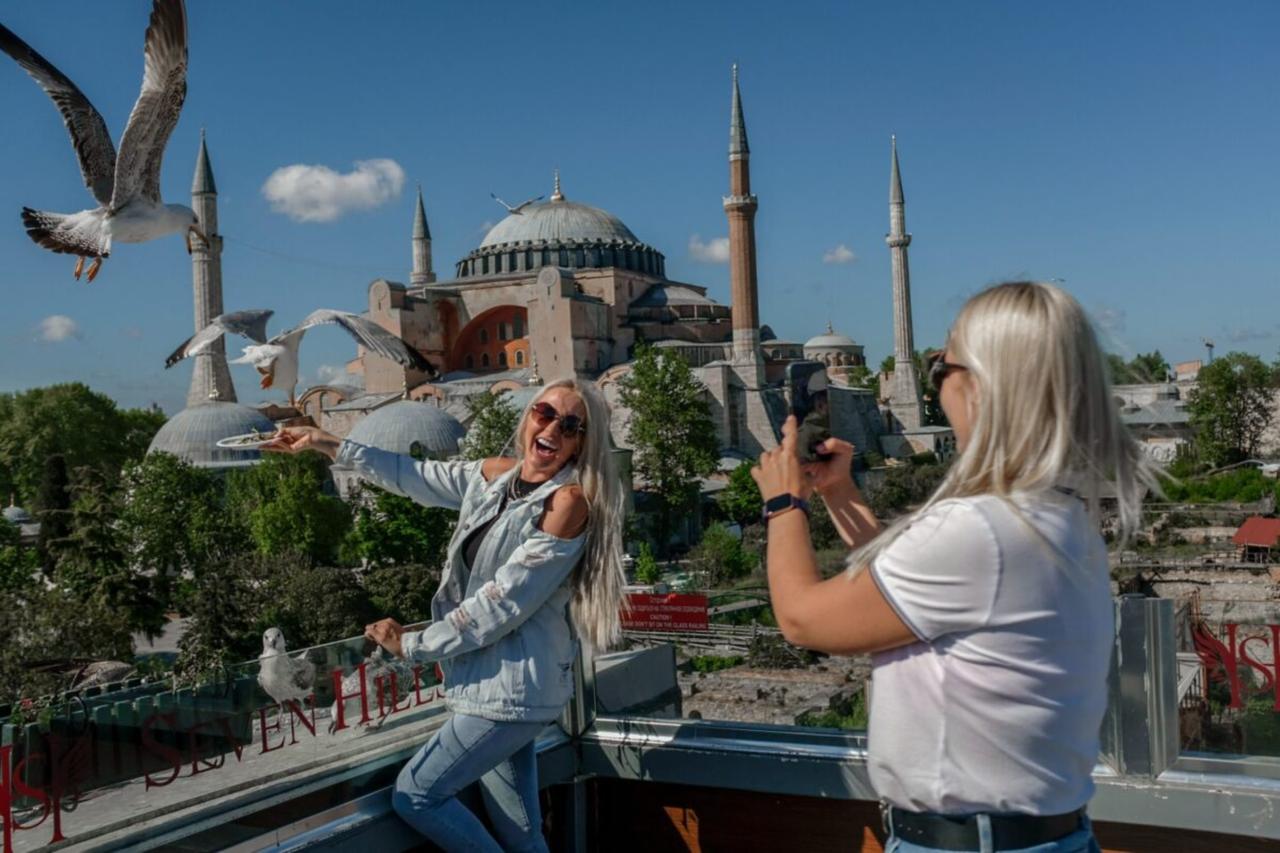
Instead, they are shifting toward destinations seen as both safe and cost-effective, with Türkiye standing out as a leading choice for the 2026 summer season, according to the German Travel Association (DRV).
In its latest assessment, DRV indicates that while geopolitical conflicts may temporarily slow down tourism activity, they do not fundamentally change long-term travel behavior.
German travelers are continuing to book holidays but are adjusting their destinations in response to perceived risks.
The analysis suggests that instead of calling off trips altogether, tourists are opting for alternatives that offer stability and accessibility.
This pattern reflects what industry representatives describe as the sector’s resilience, with demand quickly picking up once conditions stabilize.
Within this shifting landscape, Türkiye has moved to the forefront of German travel preferences.
According to DRV data, the country ranks first for the May–October summer period in terms of both revenue and booking volume, ahead of Spain and Greece.
The report also highlights a noticeable change in booking behavior, with German travelers locking in their summer and autumn plans earlier than in previous years.
Türkiye’s strong price-to-performance ratio, meaning the balance between cost and quality of services, has been a key factor driving this early demand and is expected to keep the country among the top three destinations throughout the season.
The report also touches on the indirect effects of regional tensions, particularly through global oil markets.
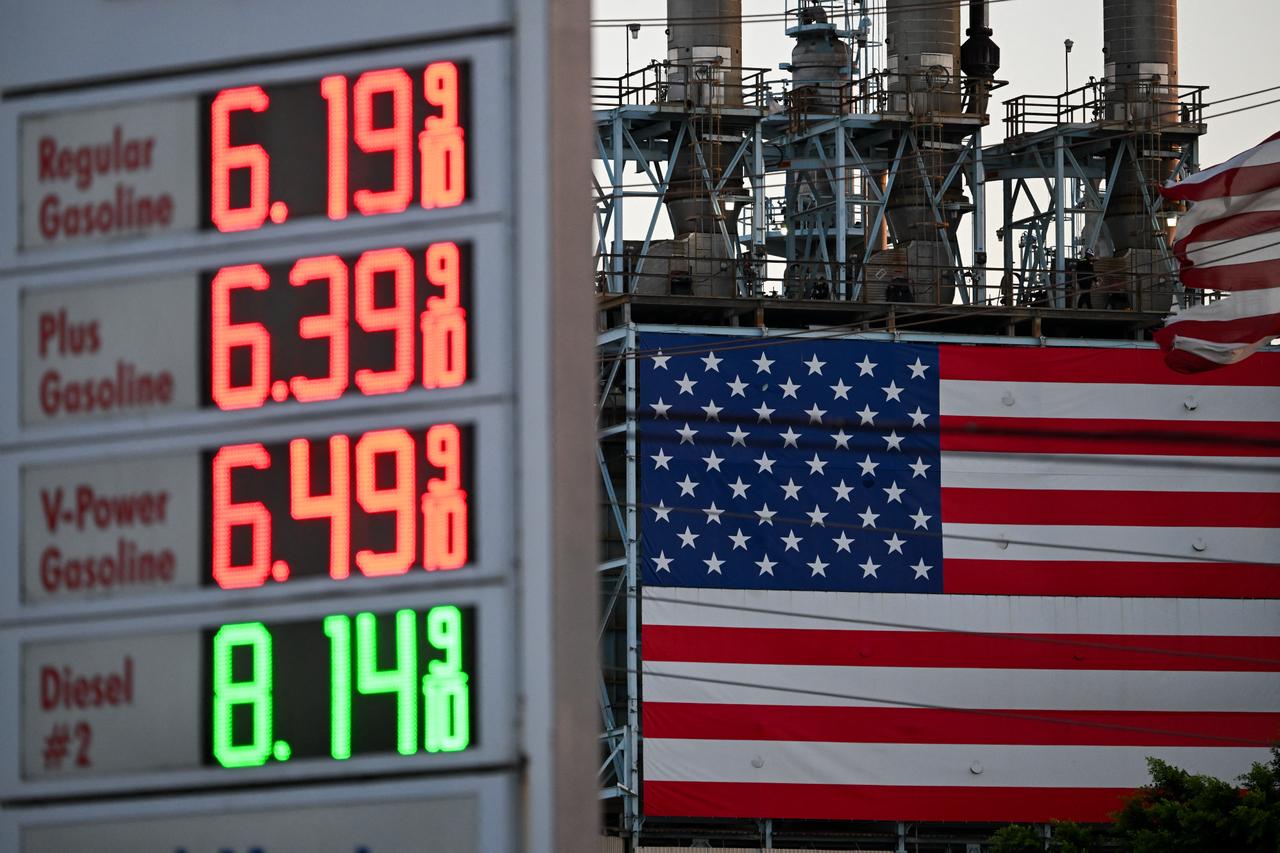
Higher fuel prices can push up airfare costs, but the actual impact varies depending on several factors, including demand levels, flight capacity, and airlines’ long-term fuel hedging strategies, which allow airlines to lock in fuel prices in advance to reduce volatility.
At the same time, intense competition across many routes is helping to keep prices in check, preventing sharper increases in travel costs.
As uncertainty continues to shape decision-making, German tourists are placing greater emphasis on safety and reliability.
This shift has translated into a growing preference for package holidays, which typically combine flights, accommodation, and services under one booking.
DRV data shows that these package tours, often backed by professional crisis management and financial protection mechanisms, have seen a double-digit increase in both revenue and customer numbers compared to last year.
DRV President Albin Loidl underlined the sector’s ability to bounce back from disruptions, stating that past crises have repeatedly shown tourism to be highly resilient.
He noted that once stability returns, travel demand tends to recover quickly and that geopolitical tensions may slow the industry in the short term but do not alter long-term travel habits.
Loidl emphasized that safety remains a top priority for travelers, yet instead of giving up on travel, tourists tend to seek out alternative destinations, allowing the sector to adapt and move forward.


 Set as preferred source
 Set as preferred source


 1 min read