Newsletters


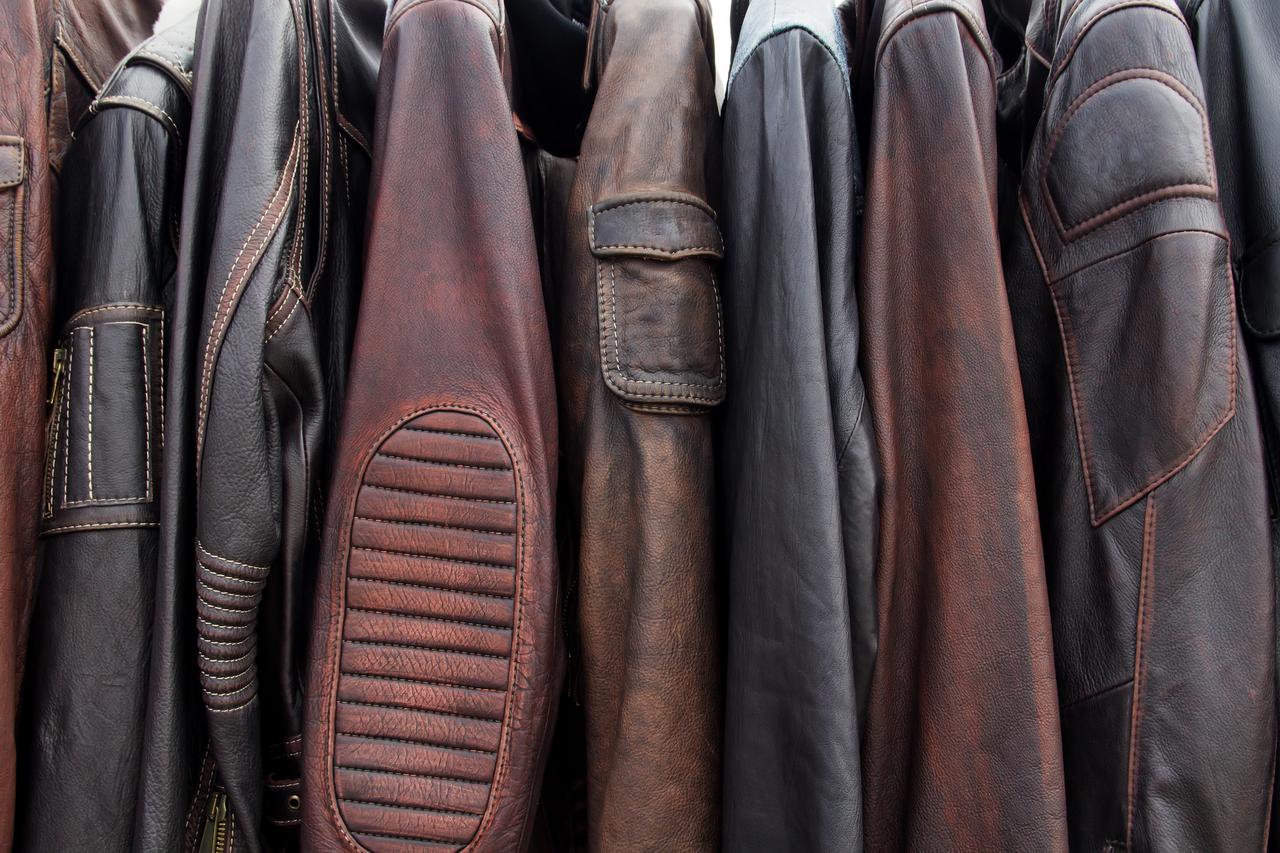


Türkiye’s leather and fur apparel sector recorded strong export growth in 2025 despite broader losses across the leather industry, according to figures shared by sector representatives.
Industry leaders say the United States remains a critical destination, with one in every four leather jackets sold there originating from Türkiye.
Data from the Istanbul Leather and Leather Products Exporters’ Association (IDMIB) shows that leather and fur apparel exports rose by 17.2% last year, reaching $226.6 million. This growth came even as total leather and leather goods exports fell by 5.3% to $1.44 billion.
IDMIB Chairman Guven Karaca said exporters faced a difficult year due to high inflation and interest rates, which weakened competitiveness and reduced domestic demand. He added that the sector expects stabilization in 2026 rather than rapid recovery.
Despite falling overall export volumes, Karaca said the leather sector continues to rank among Türkiye’s most valuable industries by unit price.
According to IDMIB data, the sector achieved an average export value of $13.9 per kilogram, placing it fourth after jewelry, defense and aviation, and ready-to-wear apparel.
Export performance by subcategory in 2025 showed mixed results:
Karaca said rising costs made Turkish products more expensive than those from Asian competitors and even some European producers, putting pressure on export margins, as reported by Türkiye Daily.
Leather sector trade balance timeline
Karaca said rising imports and weakening price competitiveness drove the shift from surplus to deficit.
Karaca said the United States is the world’s largest importer of leather and fur products and remains a vital market for Turkish exporters.
He said one in every four leather jackets produced for export is shipped to the US.
In terms of regional distribution, European Union countries accounted for 40.7% of Türkiye’s total leather exports. The EU was followed by the Middle East with a 12% share, the former Eastern Bloc countries with 11.7%, and the Americas with 8.4%.
By individual country, Germany ranked first with an 8.2% share, followed by Italy at 7.2%, Iraq at 7.1%, and the United States at 6.8%.
Karaca said inflation and financing costs have become an indirect export burden for Turkish producers.
He said the U.S. dollar gained 21.6% against the Turkish lira over the past year, while inflation reached 30.9%. This gap increased production costs and weakened Türkiye’s ability to compete on price.
“Exporters are trying to sell not only their products but also the cost of interest and inflation,” Karaca said. “Our products find buyers, but it is harder to sell with high financing and inflation costs.”
Industry representatives say the sector’s outlook for 2026 depends on macroeconomic stabilization rather than short-term incentives.


 Set as preferred source
 Set as preferred source



 1 min read