Newsletters


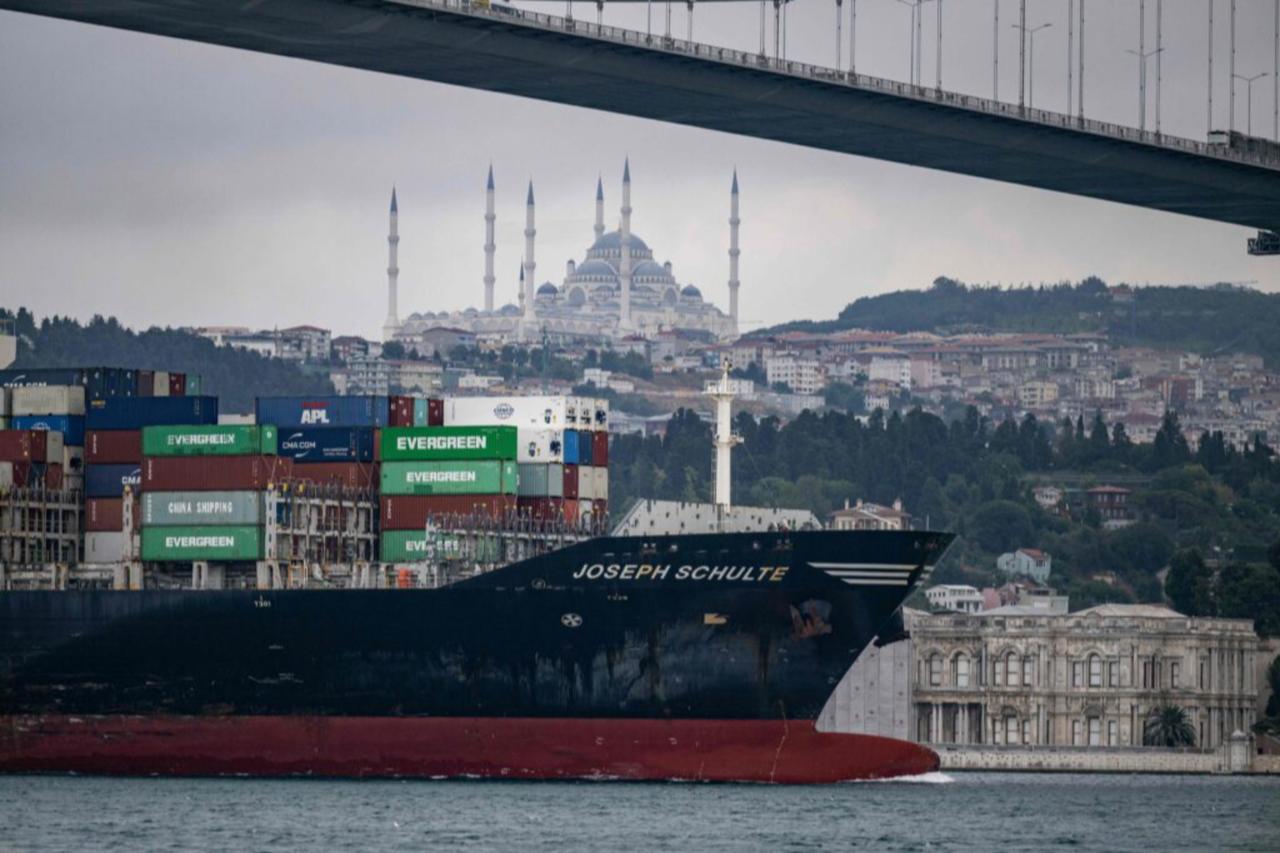


Türkiye has intensified its trade embargo against Israel by halting the issuance of Eur-Med preference certificates, closing a loophole that allowed Turkish goods to reach the Israeli market through European intermediaries, Israeli media reported.
Since last week, Türkiye has stopped issuing "preference documents" to Israel, two sources familiar with the matter told Israeli business publication Globes.
The move targets a workaround that Israeli importers had been using since Türkiye imposed a complete trade embargo in May 2024.
Under this arrangement, Turkish-manufactured goods—particularly vehicles—were allegedly shipped to Europe first, then forwarded to Israel with Eur-Med certificates that provided customs duty exemptions.


Eur-Med (EUR-MED) certificates are issued under a multilateral trade agreement that includes the European Union, Israel, Türkiye, Jordan, Egypt, Morocco, Tunisia, Syria and Palestine.
The certificates, approved by customs authorities in the exporting country, certify that goods are "originating products" and allow for "diagonal cumulation" of origin percentages between participating countries, enabling customs duty exemptions in the destination country.
Under normal circumstances, goods shipped from Türkiye to Israel would receive a Turkish certificate of origin. However, because Türkiye's embargo made direct certification impossible, importers reportedly began routing Turkish goods through Europe and obtaining Eur-Med certificates to maintain the customs exemption.
By refusing to issue these certificates, Türkiye is effectively blocking this circumvention route.
If Turkish customs does not cooperate with the verification process, European customs authorities cannot confirm the origin of goods, making the exemption impossible to claim.

Israeli media reported that the automotive sector is expected to be the primary casualty of the tightened restrictions. Türkiye is a major manufacturer of vehicles for European brands, many of which are popular in the Israeli market.
Israel signed the Eur-Med regional agreement in October 2013.
The cumulation provision allows products manufactured across multiple agreement countries to maintain origin status and associated customs benefits when exported to destination countries.
 1 min read
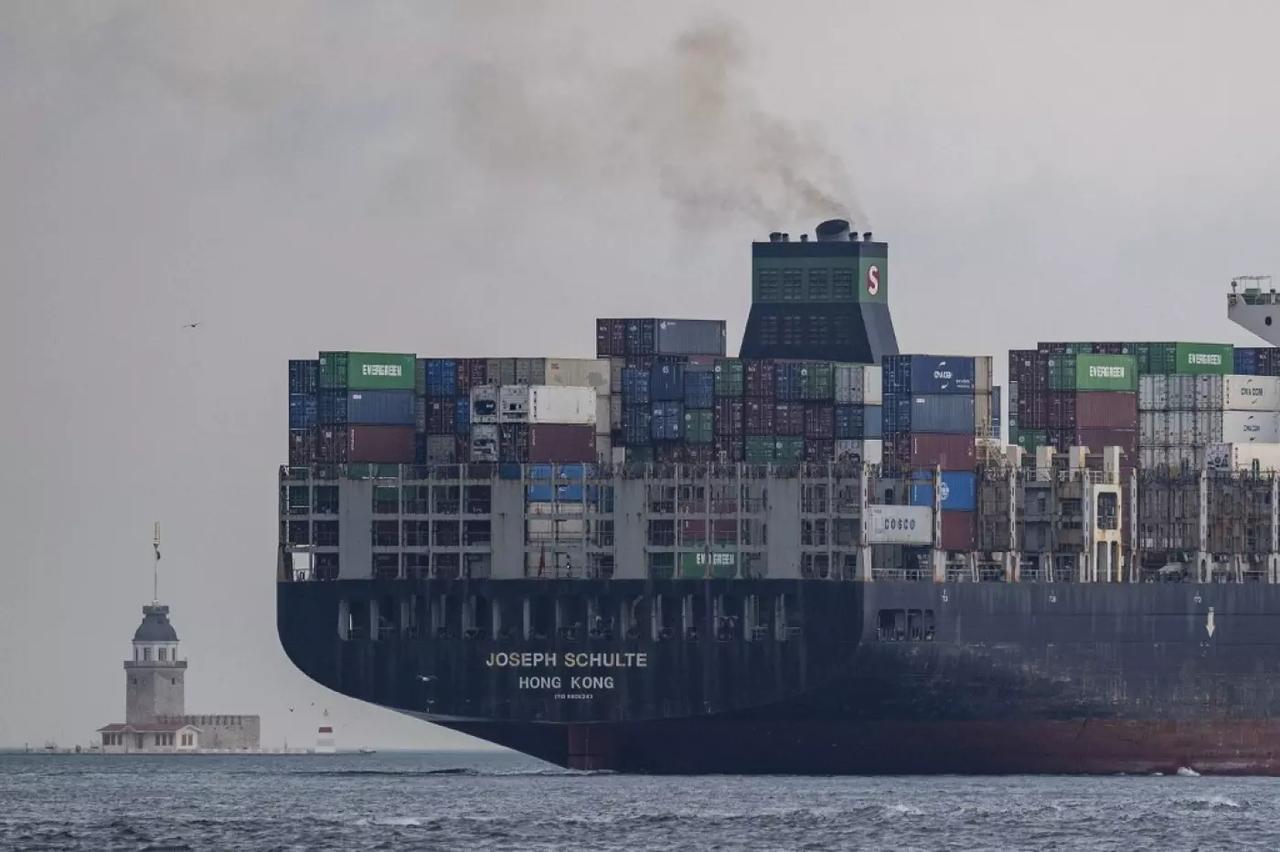
On May 2, 2024, Türkiye's Trade Ministry announced the suspension of all export, import and transit trade operations with Israel across all product categories, citing Israel's "aggression against Palestine in violation of international law and human rights."
The embargo ended all commercial activity, including customs and free-zone transactions, between the two countries.
Since then, Israeli importers have sought alternative routes for Turkish goods, reportedly including shipping through the Palestinian Authority and unloading and reloading at foreign ports before delivery to Israel.


 Set as preferred source
 Set as preferred source


 1 min read