Newsletters


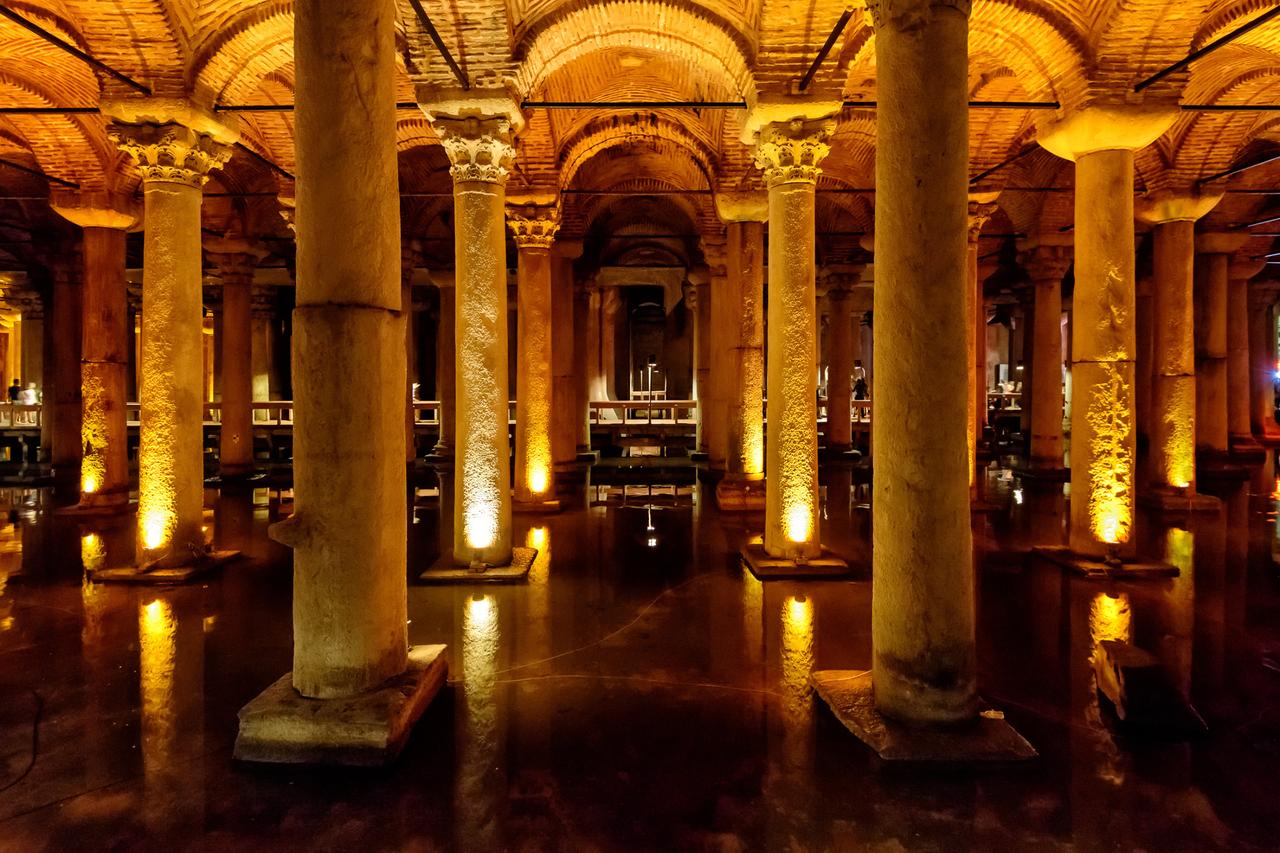


Türkiye's total cultural expenditure rose by 83.3% in 2024 compared to the previous year, reaching ₺408.34 billion ($12.45 billion), the Turkish Statistical Institute (TurkStat) reported on Monday.
Thus, cultural spending's share in the country’s gross domestic product (GDP) rose to 0.9% in 2024 with strong household demand and continued government support.
According to the figures, general government expenditure made up 49.1% of total cultural outlays. Public cultural spending climbed 76.1% from the previous year, totaling ₺200.37 billion. Among public cultural spending categories, heritage-related initiatives received the highest share, accounting for 17.7% of the total.
Household expenditure on culture surged 91.5% in 2024, totaling ₺203.81 billion. Information processing equipment, such as computers and accessories, made up 25% of this amount. Cultural services, including museum visits, concerts, and exhibitions, represented 24.3%, while books accounted for 18.1%.
The value added at factor cost by enterprises operating in cultural sectors grew by 73.9% to ₺188.55 billion. Activities related to the printing and reproduction of recorded media generated 20.7% of this value. The production of films, videos, and TV programs, as well as sound recording and music publishing, contributed 13.1%, while architecture and related services made up 11.6%.
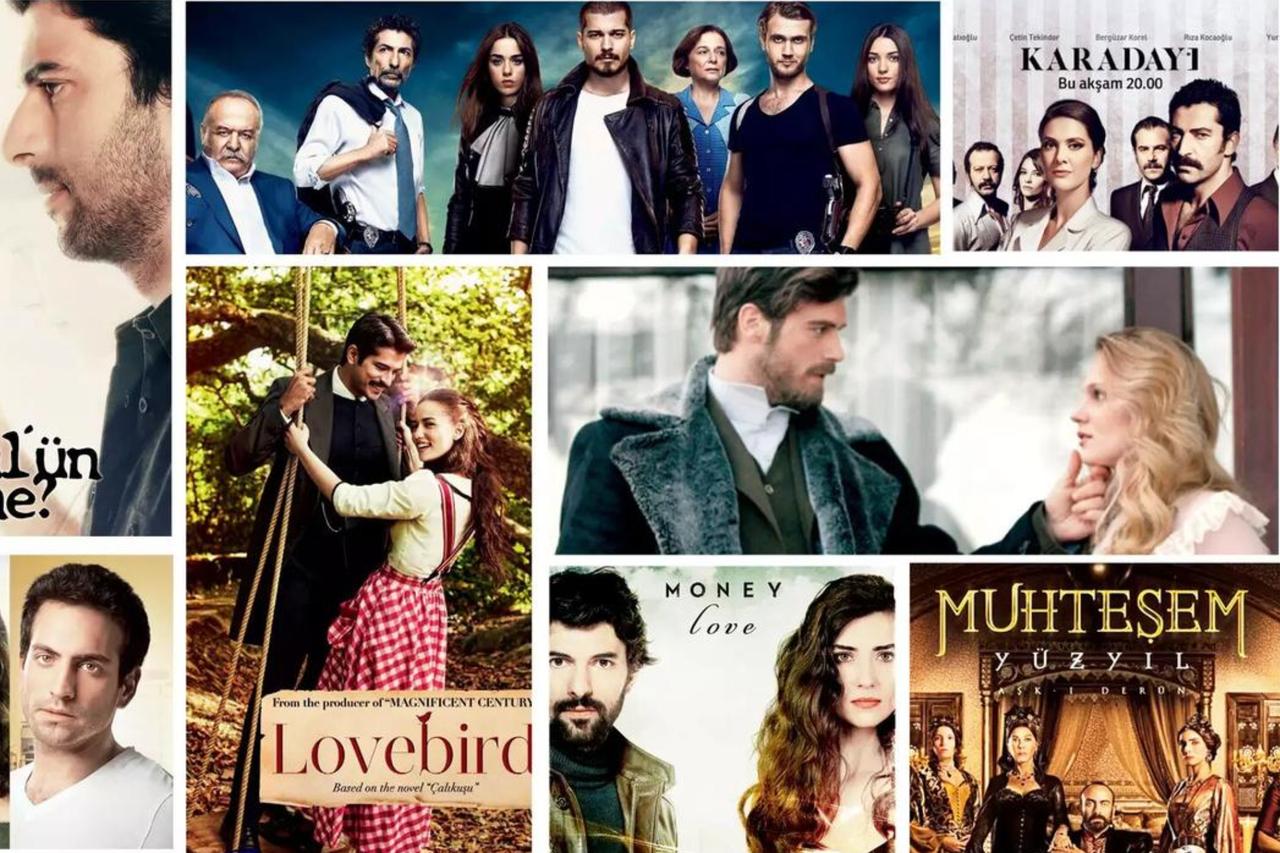

Exports of cultural goods rose by 8.1% to $9.88 billion in 2024. Imports saw a sharper increase of 166%, reaching $7.34 billion. Cultural exports represented 4.2% of total goods exports, while imports made up 2.3% of total goods imports.
Handicrafts emerged as the most traded category in both exports and imports of cultural goods.
Cultural employment increased by 6.5% year-over-year, reaching 957,000 people in 2024, making up 2.9% of Türkiye's total workforce. Men constituted 52.2% of those employed in cultural fields, while women accounted for 47.8%.
About 79.9% of cultural employment was in occupations classified as cultural by nature. Within this group, artisans represented the largest share at 32.6%, followed by architects, planners, cartographers, and designers at 19.2%, and writers, journalists, and linguists at 8.2%.


 Set as preferred source
 Set as preferred source


 1 min read
 1 min read