Newsletters





Türkiye’s energy import volumes declined sharply in November 2025 across all major categories, with natural gas imports falling by 13.2% year-on-year, crude oil deliveries dropping 6.9%, and liquefied petroleum gas (LPG) imports contracting by 14.2%, the country’s energy regulator reported.
The downturn comes amid reduced residential gas use, milder seasonal temperatures, and ongoing efforts to diversify suppliers, particularly in the liquefied natural gas (LNG) segment, where the United States has emerged as Türkiye’s largest source.
Türkiye imported approximately 3.8 million metric tons of crude oil and petroleum products in November, with crude oil alone accounting for 2.42 million tons. Russia remained the largest supplier with over 2 million tons, followed by Iraq at 557,550 tons and Kazakhstan at 424,390 tons.
Meanwhile, petroleum exports totaled 1.09 million tons, marking a 1.3% year-on-year increase.
LPG imports declined 14.2% year-on-year in November to 288,528 tons, with Algeria, Russia, the United States, Georgia, and Kazakhstan listed as the main suppliers. LPG exports totaled 44,824 tons, slightly below the previous year’s level.
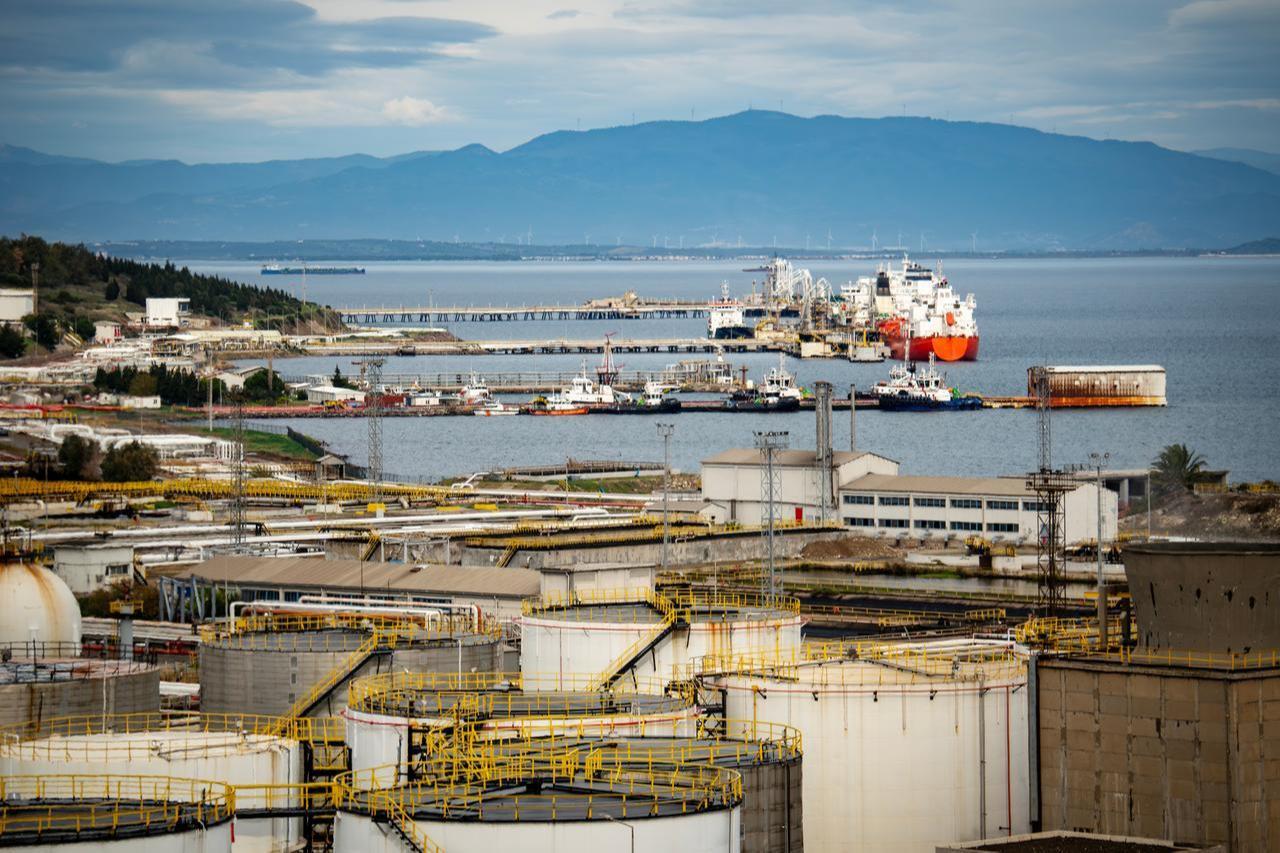

Total natural gas imports in November amounted to 5.04 billion cubic meters (bcm), comprising 3.13 bcm delivered through pipelines and 1.91 bcm as liquefied natural gas (LNG).
Pipeline gas purchases were led by Russia at 1.2 bcm, followed by Azerbaijan with 1.04 bcm and Iran at 888 million cubic meters. In the LNG category, the U.S. supplied 1.23 bcm, topping the list. Algeria contributed 367 million cubic meters, while smaller volumes came from Equatorial Guinea, Mauritania, and Trinidad and Tobago.
Domestic gas use declined by 10.3% annually to 4.37 bcm. Natural gas consumption in November declined across all sectors, with residential use down 21.2% to 1.24 bcm, industrial use falling 2.6% to 1.21 bcm, and power generation demand decreasing 1.5% to 1.13 bcm.


 Set as preferred source
 Set as preferred source


 1 min read

 1 min read