Newsletters


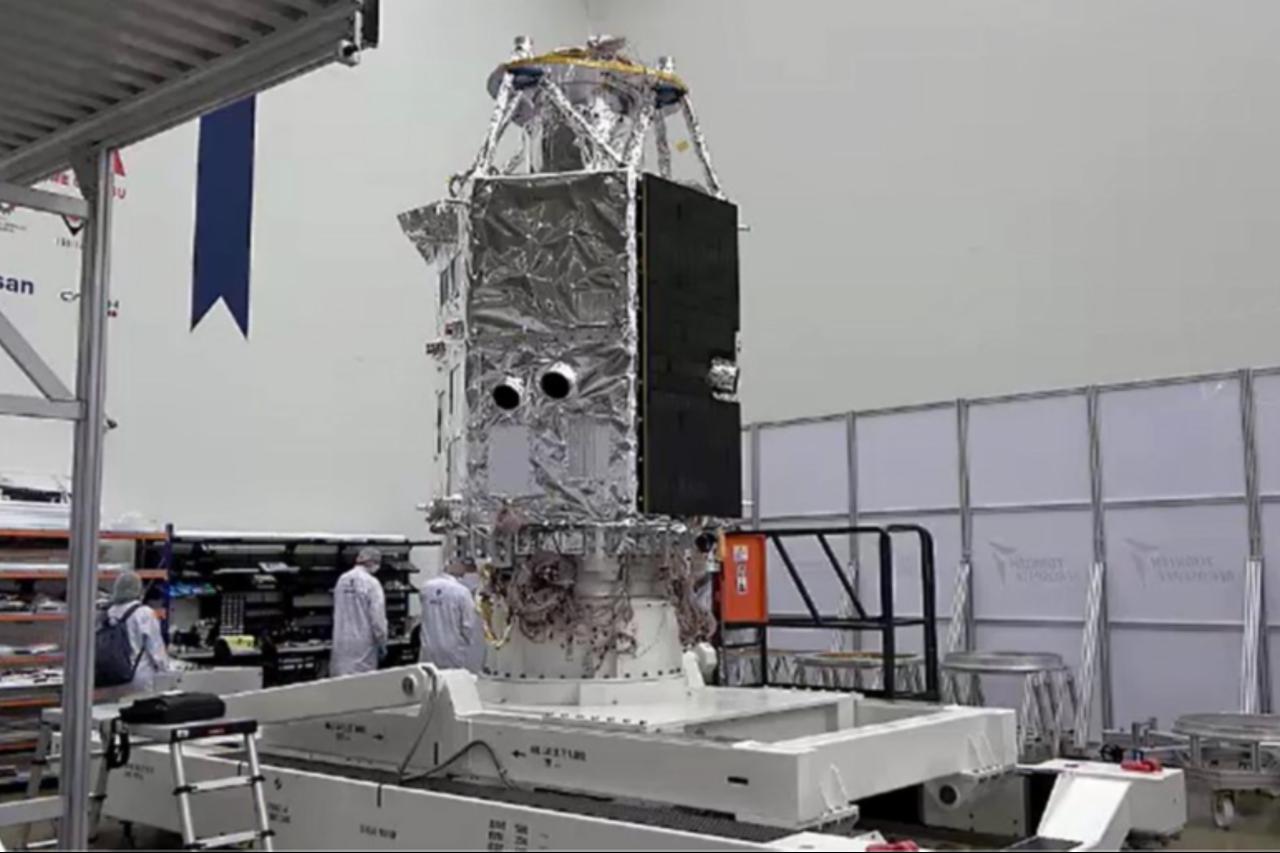


Türkiye's IMECE satellite experience will be carried into NATO's space-based technology architecture through new high-resolution satellites, low-earth orbit communication systems and early warning capabilities under projects announced at the NATO Ankara summit.
At the Defense Industry Forum held during the 36th NATO Leaders Summit in Ankara on July 7-8, projects and cooperation packages worth a total of $4.012 billion were announced under the "Space and Surveillance" heading.
Under this framework, it was decided that TUBITAK UZAY's IMECE satellites and ASELSAN's low-earth orbit, or LEO, satellite network would take on a role in NATO's technology architecture.
The HALO initiative, which includes Türkiye, Germany, Denmark, Finland, the Netherlands, Sweden, Canada and Norway, stood out among the projects announced under the "Space and Surveillance" heading.
Announced as "Hybrid Alliance Layered Operations in Space," HALO aims to bring military satellites under allied national control into a shared mega-constellation satellite architecture.
The new model is expected to overcome the cost, time and coverage limitations of satellite fleets operated by individual countries and provide major benefits in high-speed communication, intelligence and missile tracking.
The initiative aims to give NATO a more resilient and comprehensive capability in high-speed communications, intelligence gathering and missile tracking.
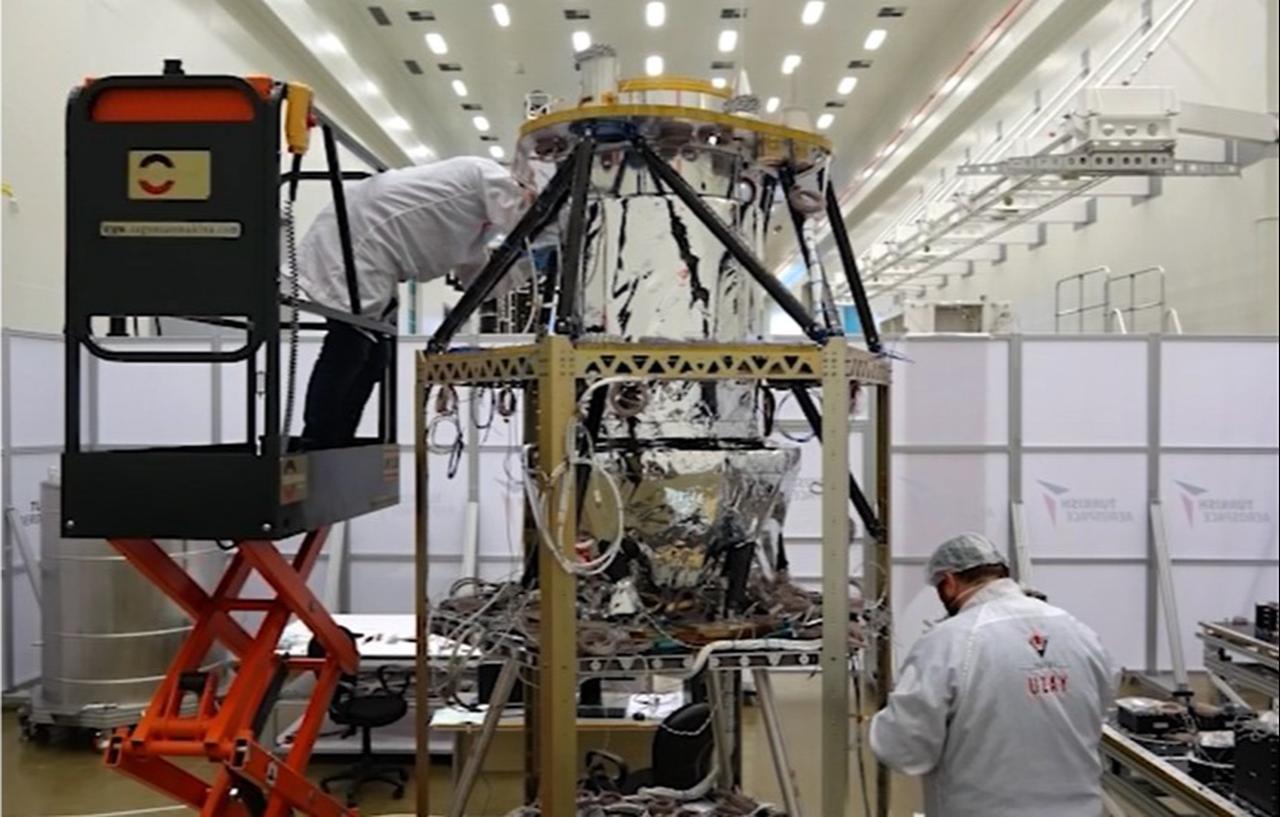

Türkiye's direct contribution to the framework will come through transferring the engineering experience gained from IMECE to new satellites.
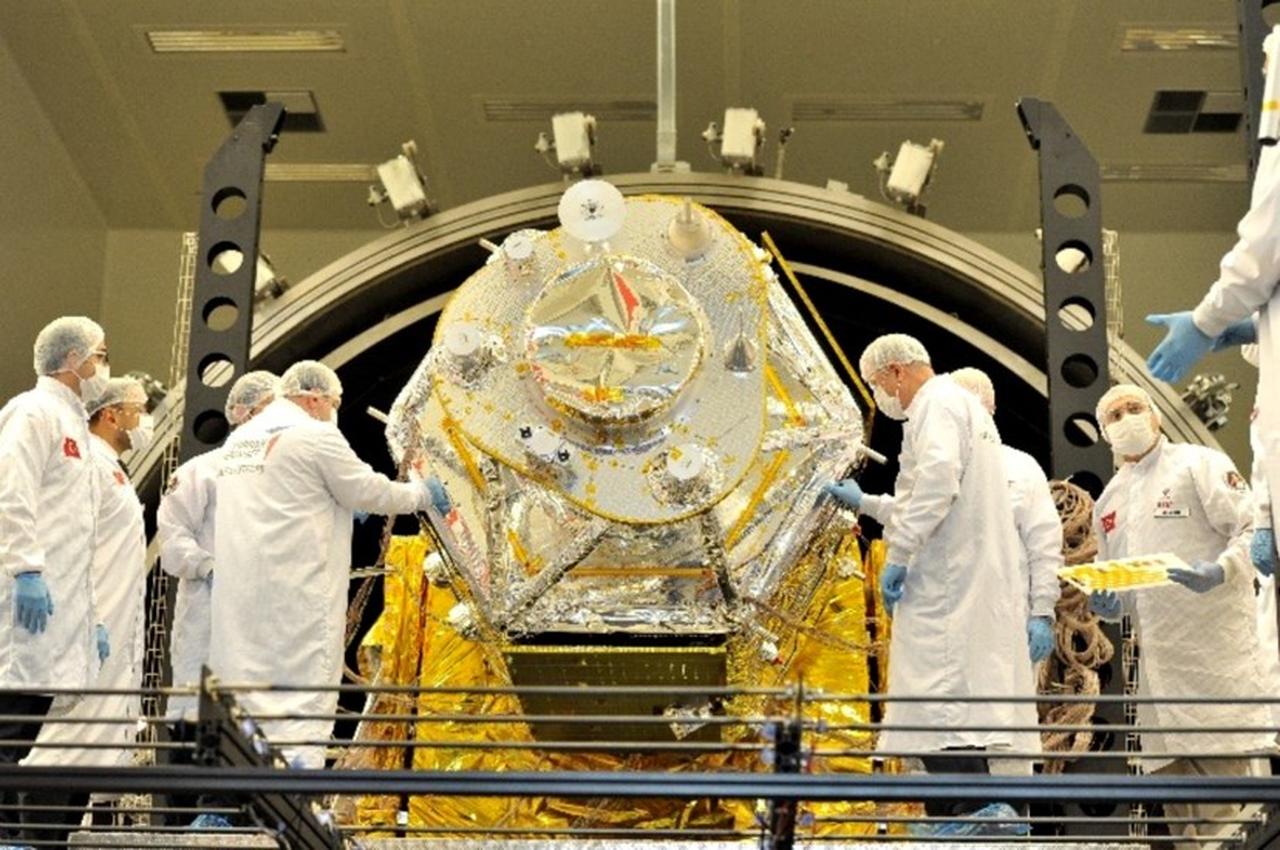
Türkiye will develop two new high-resolution satellites based on the IMECE earth observation satellite. The satellites will be produced in Ankara by TUBITAK UZAY, with a contract value of more than $300 million.
Under the Constellation Satellite Development Project, IMECE-2 and IMECE-3 are expected to operate together with the existing IMECE satellite.
The project aims to image wider areas in a shorter time and reduce revisit times for the same region.
This capability is expected to provide faster data production in crisis regions, border areas, maritime zones, military mobility, disasters and emergencies.
IMECE, Türkiye's first domestically developed observation satellite with sub-meter resolution, had entered the inventory of the Air Forces Command under the name "GOKTURK-2B."
With the new projects, Türkiye's domestic satellite experience built through IMECE will become a more visible capability within NATO's common security architecture.
Türkiye also signed contracts worth more than $350 million with ASELSAN for the development of low-earth orbit satellites and military communication systems, as well as early warning radar systems under the Celik Kubbe National Integrated Air Defense Architecture.
These systems are expected to increase Türkiye's ability to maintain battlefield connectivity, as well as its detection and early warning capabilities.
ASELSAN General Manager Ahmet Akyol told Anadolu that ASELSAN had been assigned the task of designing secure communication satellites in LEO orbit under an investment program for next-generation technologies to be jointly developed by member countries.
"This task is an important indicator of the engineering competence of our country in space technologies and the trust placed in it at the international level," Akyol said.
"In the coming period, with the secure communication infrastructure to be established in LEO, we will equip space with LEO satellites through the implementation of next-generation satellite networks that will meet critical military and strategic communication needs," he added.
Under the "Space and Surveillance" heading, Spain also joined NATO's space-based intelligence initiative, the Alliance Persistent Surveillance from Space, or APSS, project as its 19th country.
A contract was also signed between Germany's Isar Aerospace and Canada-based Maritime Launch Services for access to launch infrastructure in Nova Scotia.
NATO Deputy Secretary General Radmila Shekerinska said at the summit that work was underway on the "Starlift Initiative," which aims to create a network of launch companies and spaceports that could be used to launch a backup satellite into orbit in an emergency.


 Set as preferred source
 Set as preferred source


 1 min read


 1 min read