

 Newsletters


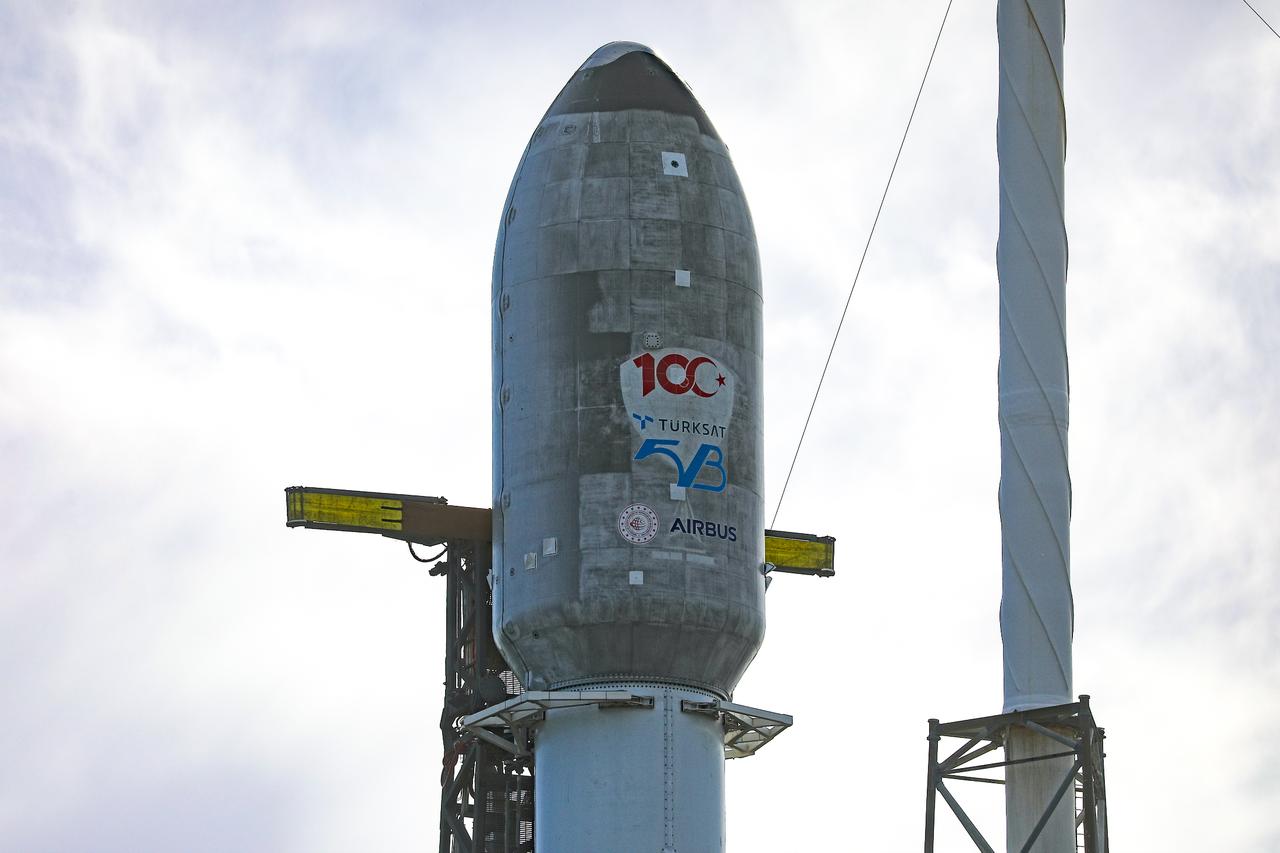


Turksat 5B, the fifth-generation satellite operated by Türkiye’s sole satellite operator Turksat, has completed its fourth year in space, Transport and Infrastructure Minister Abdulkadir Uraloglu said.
Speaking to Anadolu Agency, Uraloglu said the satellite has been in active service for about three and a half years and has significantly expanded Türkiye’s communications capacity.
Uraloglu said Turksat 5B was launched under a contract signed between Turksat, Airbus Defense and Space, and SpaceX, which entered into force on Nov. 1, 2017. The agreement covered not only the satellite’s launch but also launch services, the launch process, one-year orbital insurance, operator training, technology transfer programs and domestic industry participation.
Integration, functional tests and environmental tests for the satellite were carried out in line with international standards at the manufacturer’s facilities, he said.
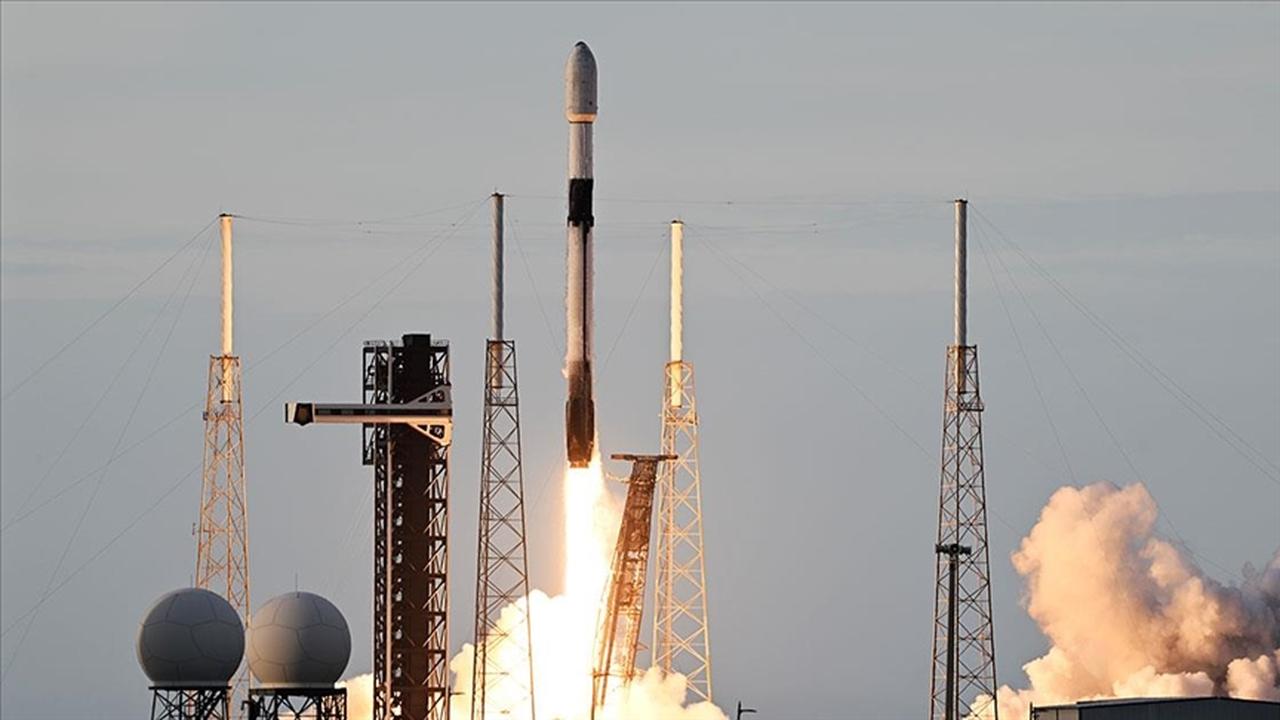
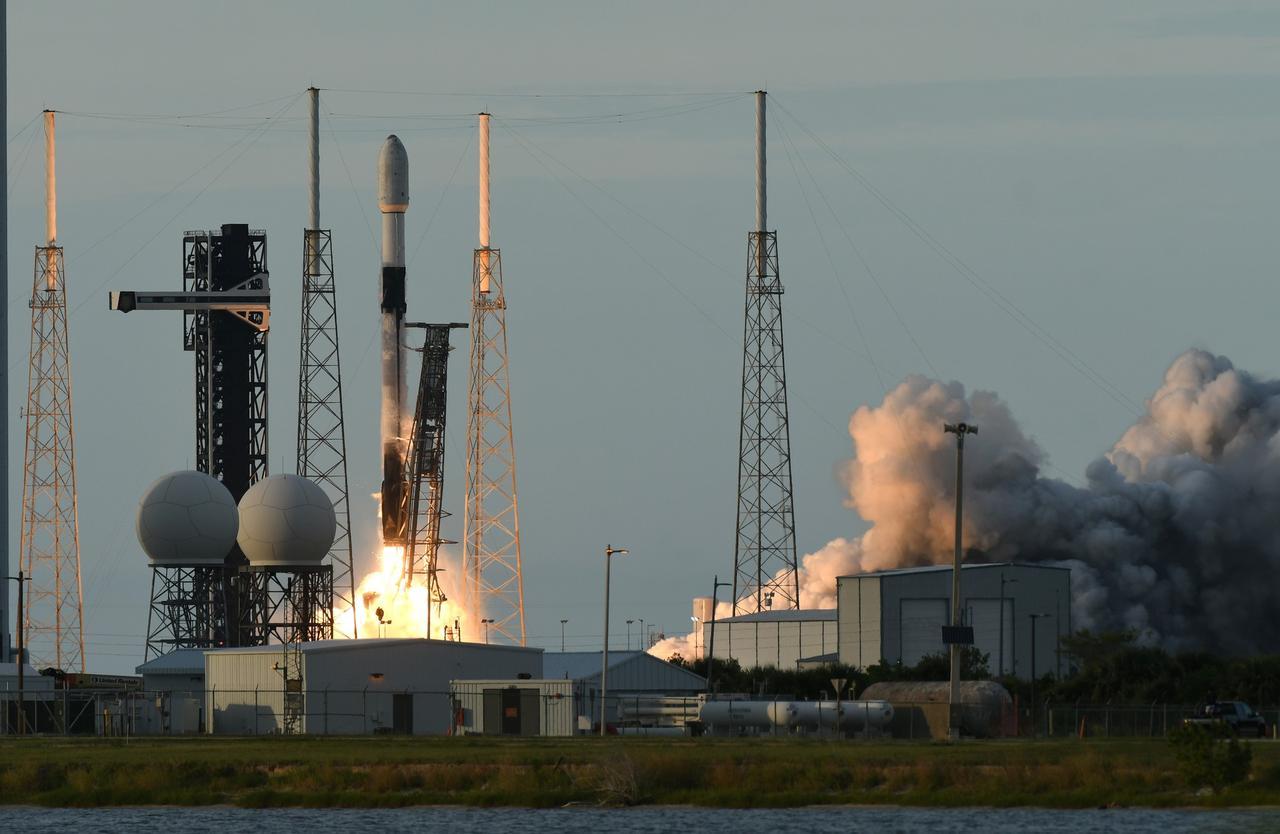
“The Turksat 5B was launched into space on Dec. 19, 2021, aboard a SpaceX Falcon 9 rocket, and began its mission on June 14, 2022, after approximately five and a half months of orbital transfer and testing,” Uraloglu said, describing the satellite as a strategic investment strengthening Türkiye’s position in space and communications.

Uraloglu said Turksat 5B is a concrete example of the use of Turkish technologies in space and has made significant contributions to the development of the country’s space ecosystem and data capacity.
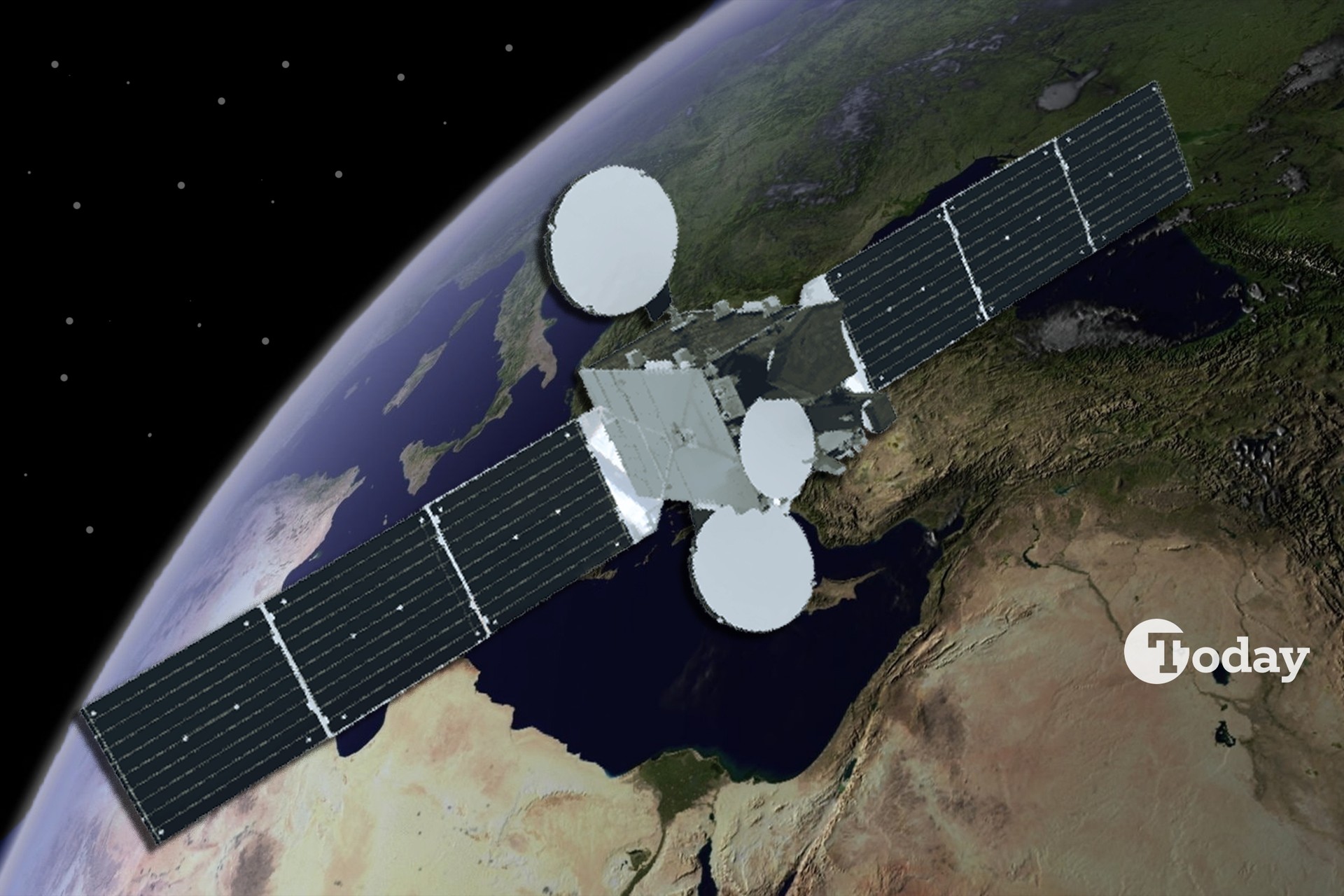
With a design life of around 15 years, the satellite can operate for many years thanks to its fully electric propulsion system, he added.
Uraloglu said Turksat 5B is classified as a high-efficiency satellite, offering at least 20 times more capacity efficiency than fixed satellite service-class satellites. He said it provides uninterrupted communications infrastructure for maritime and aviation sectors, public communications and disaster response, while strengthening broadband satellite data and internet connectivity in Türkiye and the wider region.
The satellite enables Türkiye to deliver commercial services across a broad geography and contributes to the communications infrastructure of other countries within its coverage area, he said.
Uraloglu said experience gained from the development of Turksat 5B, currently the most powerful satellite in Türkiye’s fleet, guided the development of Turksat 6A.
“The 5B paved the way for Turksat 6A, our first homegrown communications satellite, which was launched into space last year,” he said, adding that Turksat 5B also provided additional capacity to the Turksat 3A and 4A satellites operating in the same orbital position, increasing Ka-band capacity.
He said Türkiye continues to invest in satellite technologies through projects such as Turksat 7A, noting the strategic importance of satellites for national security, disaster management and digitalization.
Uraloglu said Turksat 5B attracted strong international interest throughout the year due to its wide coverage, particularly in Middle Eastern and African markets.
He said capacity sales helped Turksat strengthen its regional position, with Turksat 5B-based solutions — including broadband data, internet connectivity, corporate networks, critical communications and in-flight internet services — emerging as reliable options for both public institutions and private sector clients.
Uraloglu said Turksat held meetings this year with aviation equipment manufacturers, system integrators and communications technology companies focusing on in-flight connectivity services.
He said Turksat signed cooperation agreements with China’s satellite operators Chinasat and Spacesail to jointly develop technologies in in-flight connectivity, global maritime communications, mobility solutions, disaster and emergency communications and multi-orbit integration for global markets.
Turksat also signed an agreement with international satellite operator Intersputnik to strengthen global cooperation and develop new service offerings, Uraloglu said.
In addition, Turksat and U.K.-based Avanti Communications signed a deal to support South Africa’s communications infrastructure with broadband data and internet services via Turksat 5B, he added.


 Set as preferred source
 Set as preferred source


 1 min read

 1 min read



