Newsletters




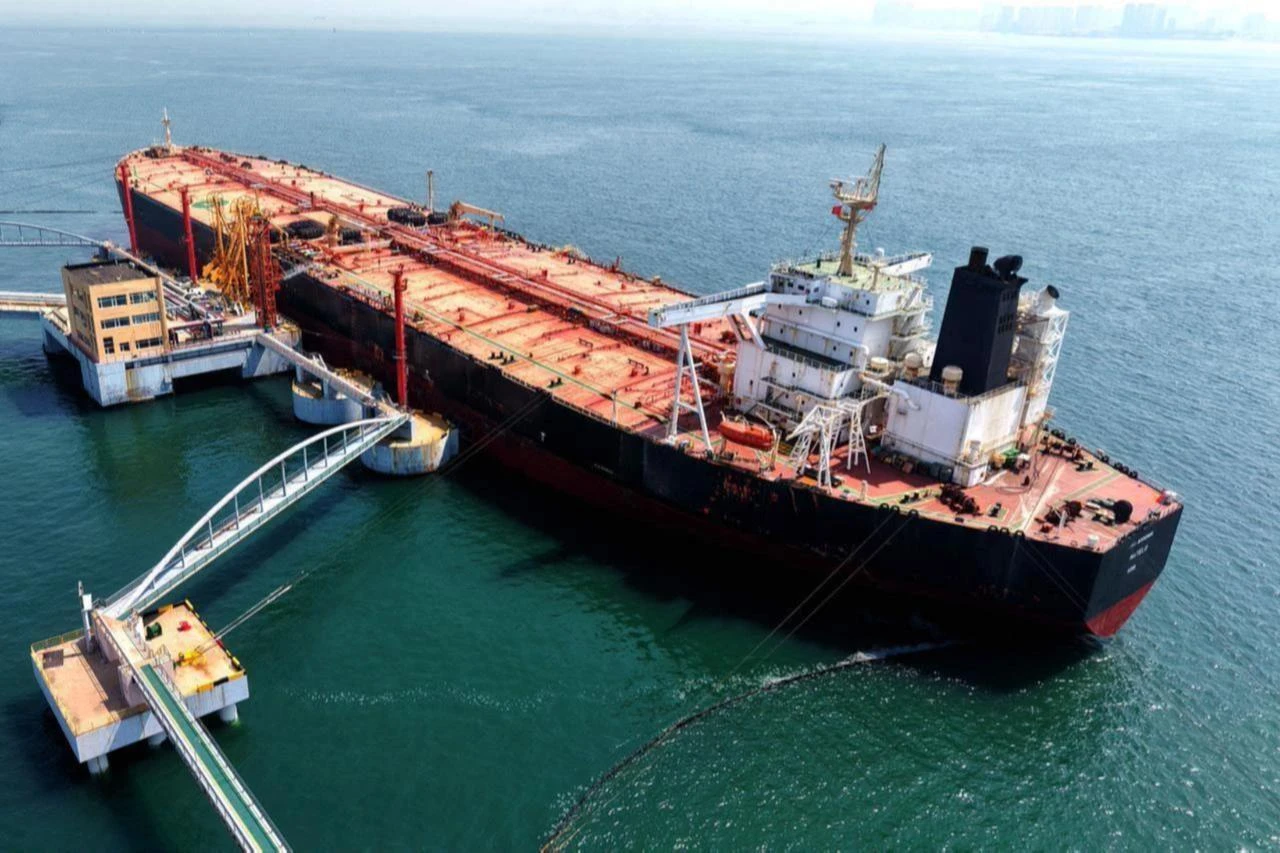
The Trump administration on Friday "temporarily" lifted sanctions on some Russian oil shipments, saying the move was aimed at calming markets and limiting the economic fallout from the war on Iran that has pushed crude prices sharply higher.
A general license issued by the Treasury Department allows Russia to sell about 128 million barrels of oil that had already been loaded onto tankers previously sanctioned by the United States. The license lasts 30 days.
"To increase the global reach of existing supply, Treasury Department is providing a temporary authorization to permit countries to purchase Russian oil currently stranded at sea," Treasury Secretary Scott Bessent posted Friday on X.
"This narrowly tailored, short-term measure applies only to oil already in transit and will not provide significant financial benefit to the Russian government, which derives the majority of its energy revenue from taxes assessed at the point of extraction," he added.
Bessent said the measure was temporary and limited to oil already in transit.
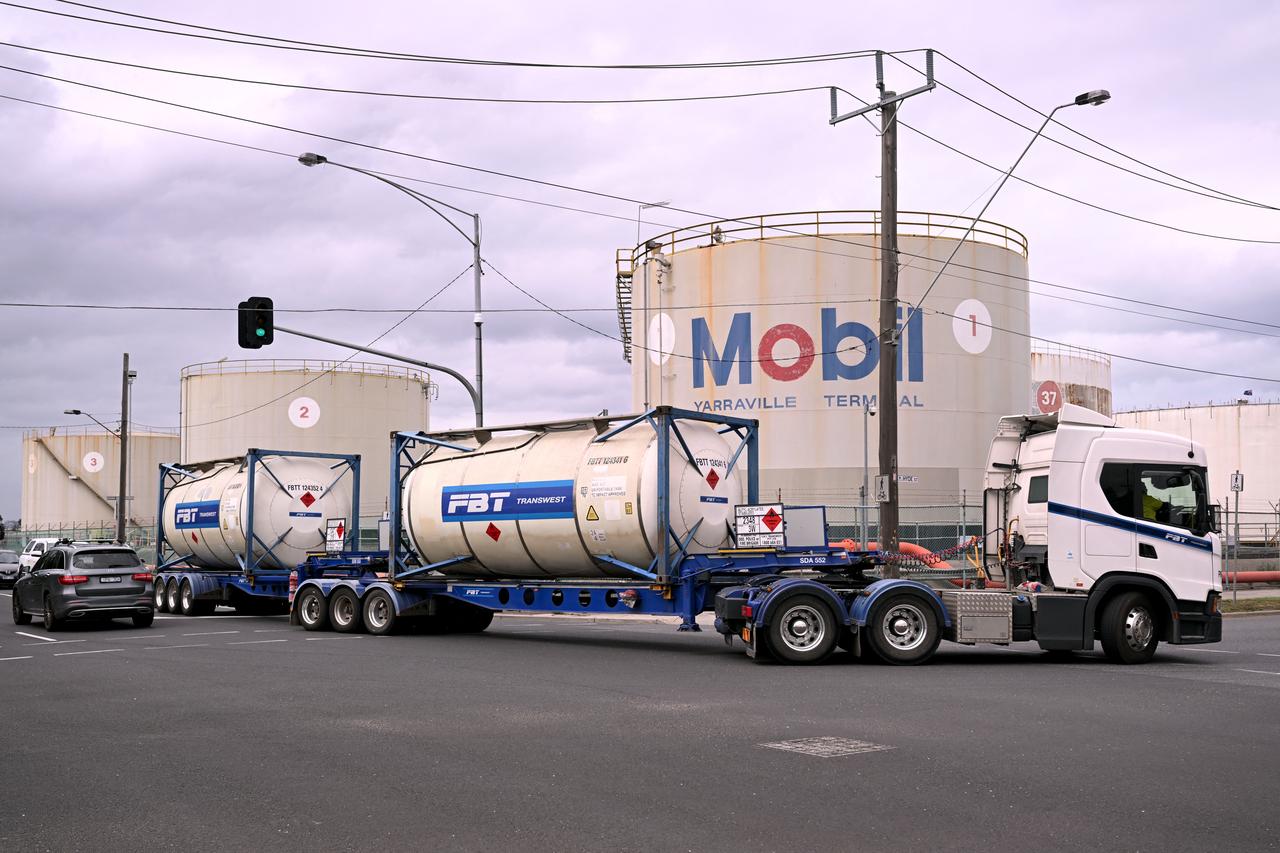

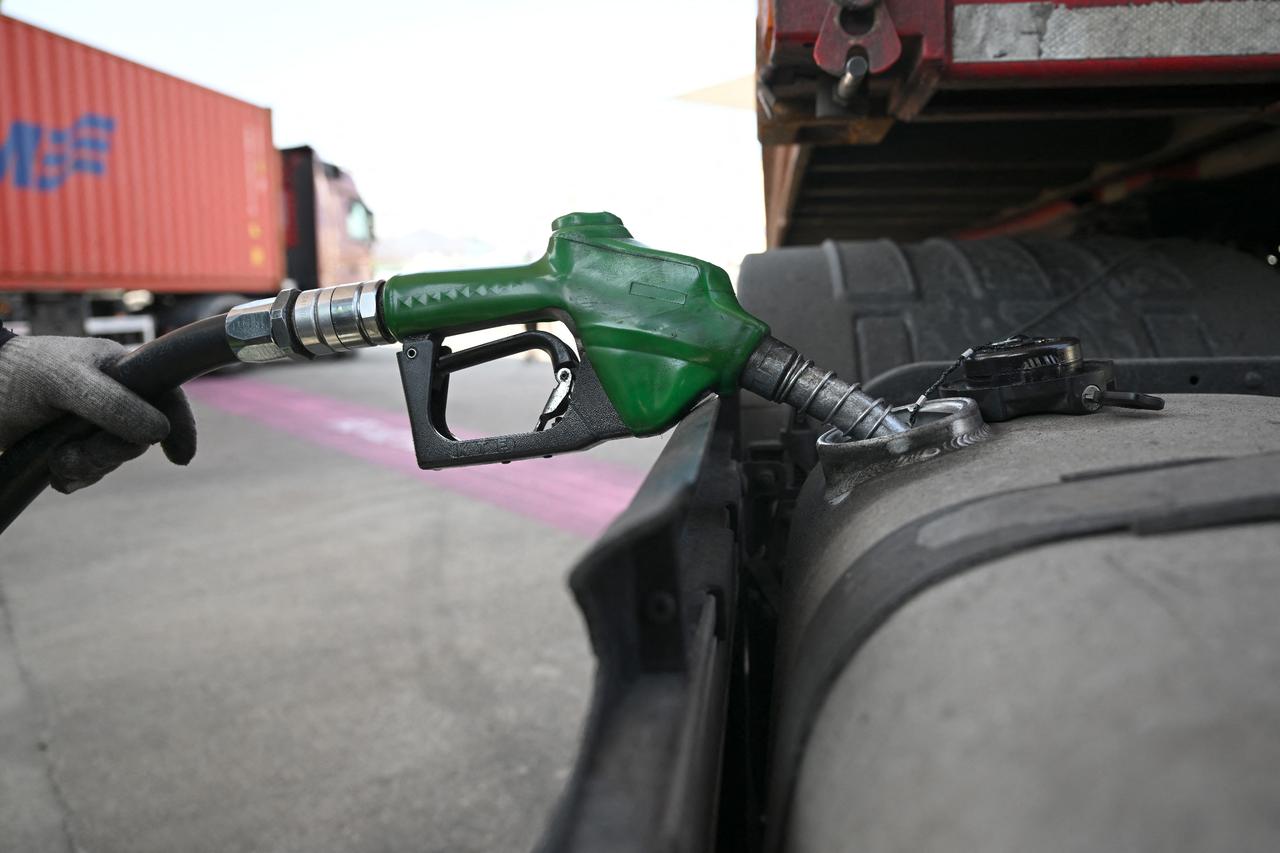
The move came as Brent crude futures closed just above $100 a barrel on Thursday for the first time since 2022.
Bessent said the administration was trying to stabilize global energy markets during the conflict with Iran.
“POTUS is taking decisive steps to promote stability in global energy markets and working to keep prices low as we address the threat and instability posed by the terrorist Iranian regime,” Bessent said.
He also said, "The temporary increase in oil prices is a short-term and temporary disruption that will result in a massive benefit to our nation and economy in the long term."
Russia's economic envoy Kirill Dmitriev stated that the U.S. move showed that global markets still depend on Russian supply.
"The United States is effectively acknowledging the obvious: without Russian oil, the global energy market cannot remain stable," Dmitriev posted on Telegram.
His comments came after the United States authorized countries to temporarily buy sanctioned Russian oil and petroleum already loaded on vessels at sea in what Bessent described as an effort to promote stability in global energy markets.
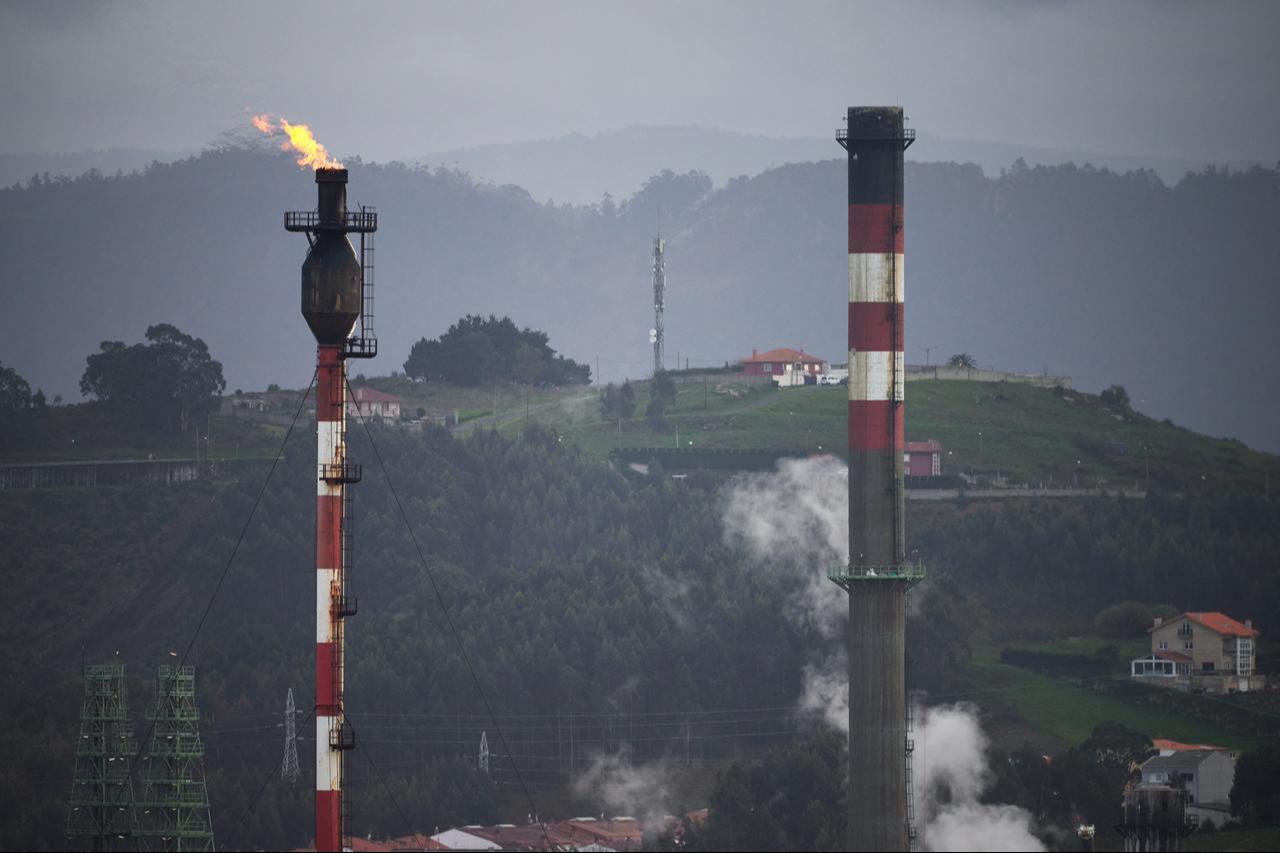
The policy change followed a sharp rise in energy prices during the war on Iran. Experts estimate Russia has already been receiving about $150 million per day from increased oil sales since the U.S. attacked Iran two weeks ago.
The latest Treasury license expands earlier relief measures. An earlier easing this month allowed limited sales only to India, while the new license permits sales anywhere in the world.
The decision is expected to draw criticism from congressional Democrats, who had already attacked the administration over earlier sanctions relief.
"This self-made global energy shock is serving to enrich (Russian President Vladimir) Putin and line his war coffers by offering him windfall profits," several Senate Democrats said in a statement on March 6.
"Instead of changing course, the President is only making this situation worse by handing Putin, his shadow fleet, and traders still dealing in sanctioned oil a free pass to increase oil shipments to Russia’s second-largest importer. The new channels for evasion the President is opening, coupled with dramatically higher global energy prices, are giving Putin a huge financial boost and the means to continue his bloody war in Ukraine," the statement said.


 Set as preferred source
 Set as preferred source


 5 min read