Newsletters




The U.S. economy grew in the first quarter of 2026 but failed to meet expectations, as a sharp rise in energy costs pushed inflation higher and complicated the outlook for policymakers, with the European Central Bank (ECB) and the Bank of England (BOE) holding rates steady on Thursday.
U.S. economic output increased at an annual rate of 2% between January and March, according to advance data released Thursday.
Government spending and investment helped lift overall U.S. growth, figures showed. Still, the expansion lost some steam as consumer spending slowed during the period, limiting the broader momentum.
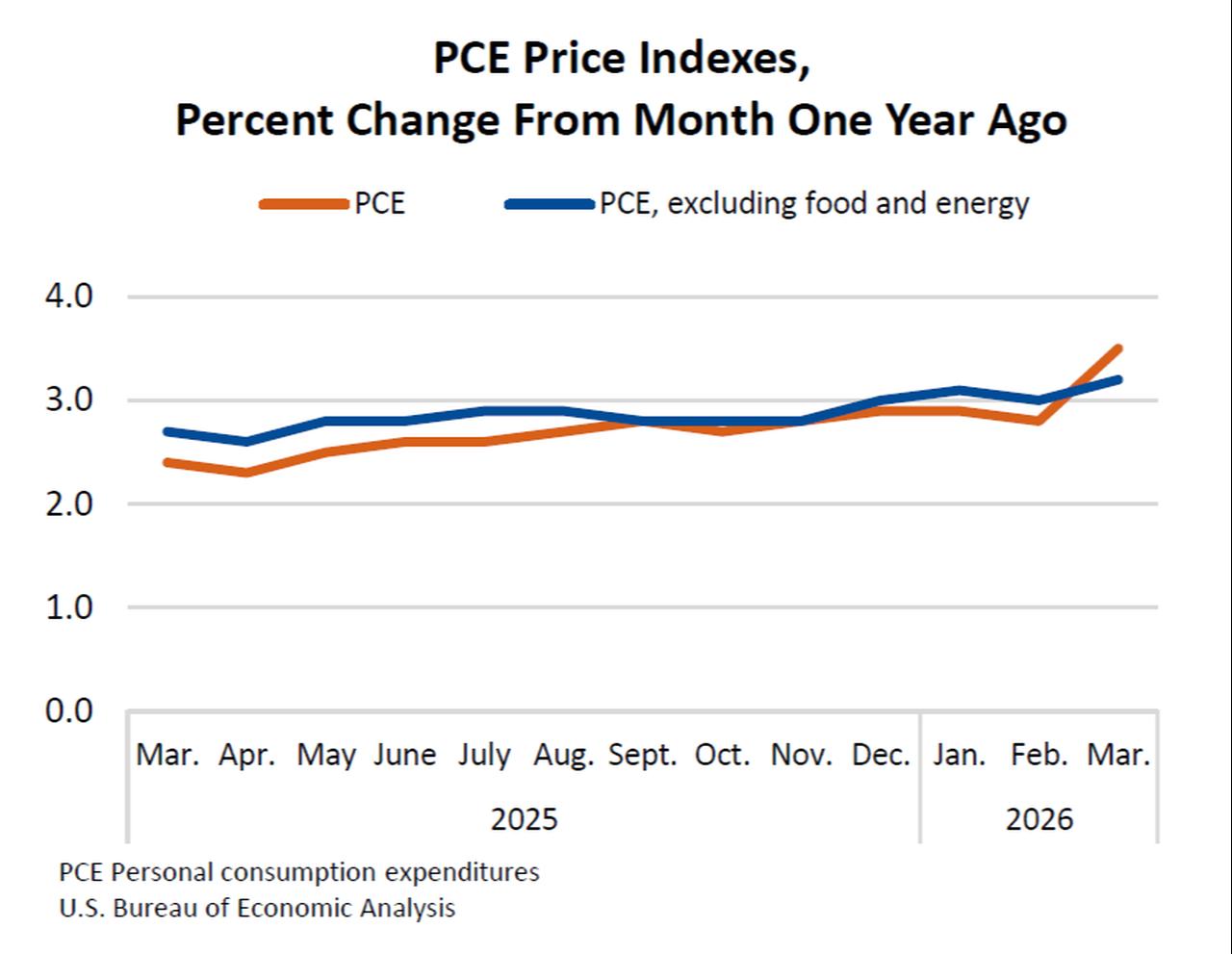
On the other hand, the personal consumption expenditures (PCE) price index, the Federal Reserve’s preferred measure of inflation, rose 3.5% year-on-year, up from 2.8% a month earlier.
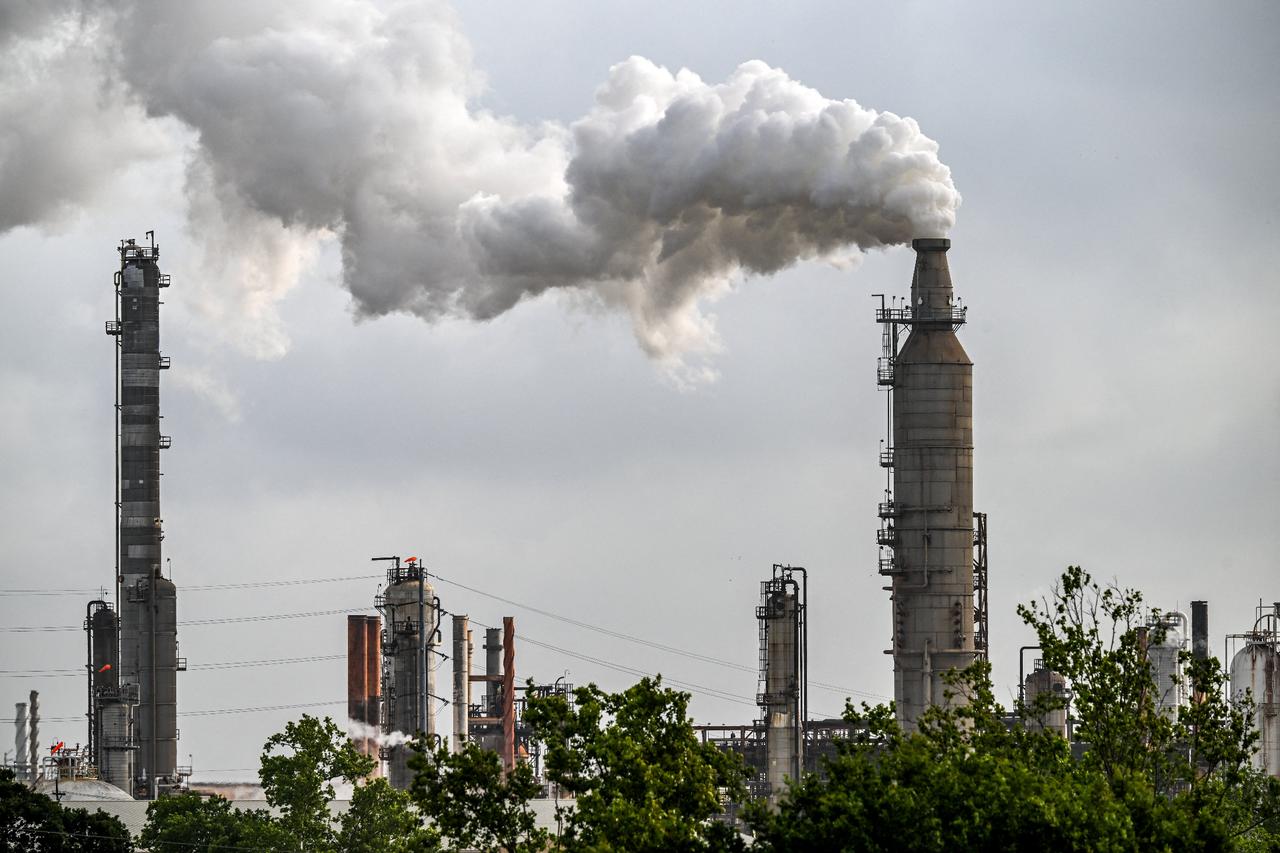
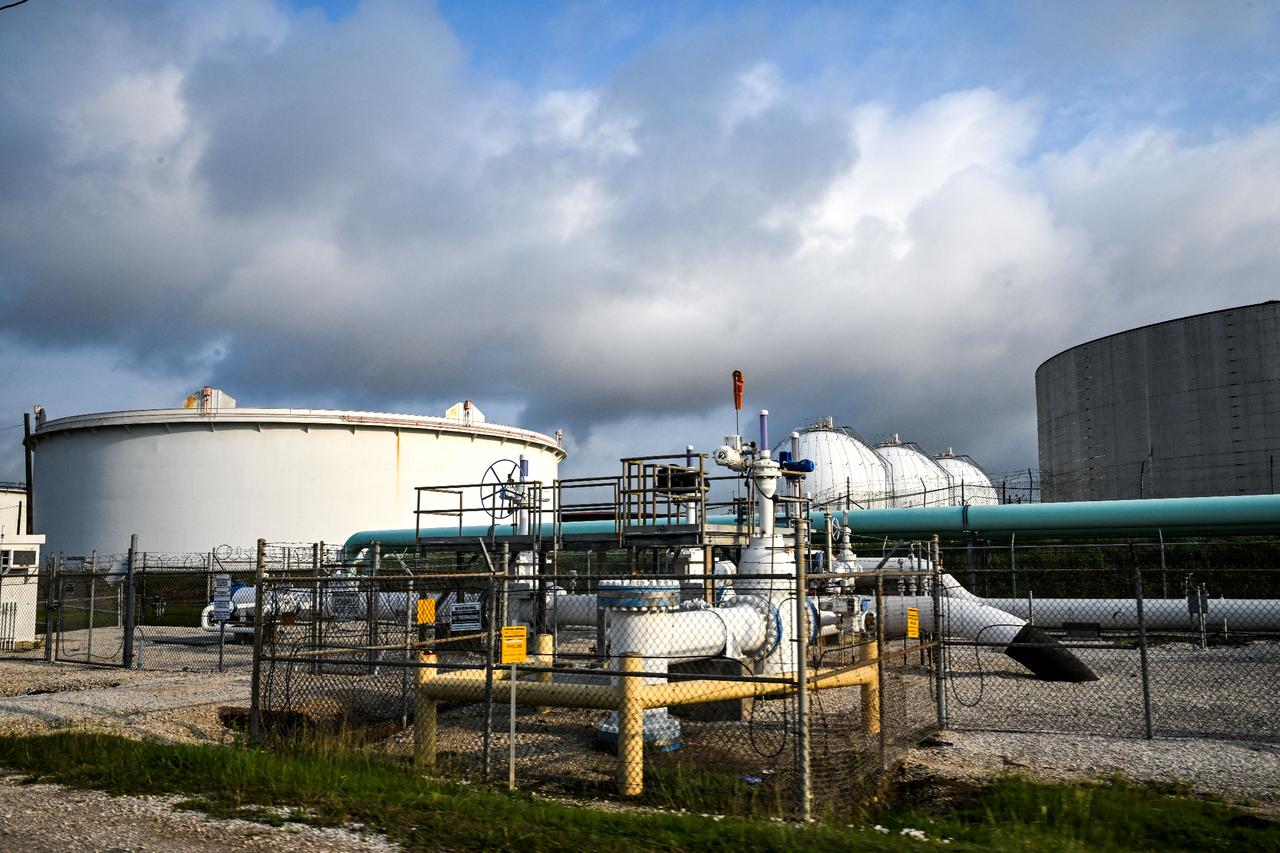
The increase reflects a surge in energy prices linked to escalating tensions in the Middle East. Disruptions in the Strait of Hormuz, a vital route for global oil and gas flows, have pushed costs higher since the start of the war with Iran.

The ripple effects are being felt beyond the U.S., with the ECB keeping benchmark interest rate unchanged at 2% and warning that risks to both inflation and growth are building as energy prices remain elevated.
"The upside risks to inflation and the downside risks to growth have intensified," the bank noted, pointing to the prolonged impact of the conflict.
The BOE also left borrowing costs unchanged at 3.75% same day, while lowering its growth outlook for this year and next.
The decisions follow the U.S. Federal Reserve’s move to hold rates steady for a third consecutive meeting on Wednesday, as it navigates a mixed picture of rising inflation and signs of a cooling labor market.


 Set as preferred source
 Set as preferred source


 1 min read
 1 min read