Newsletters


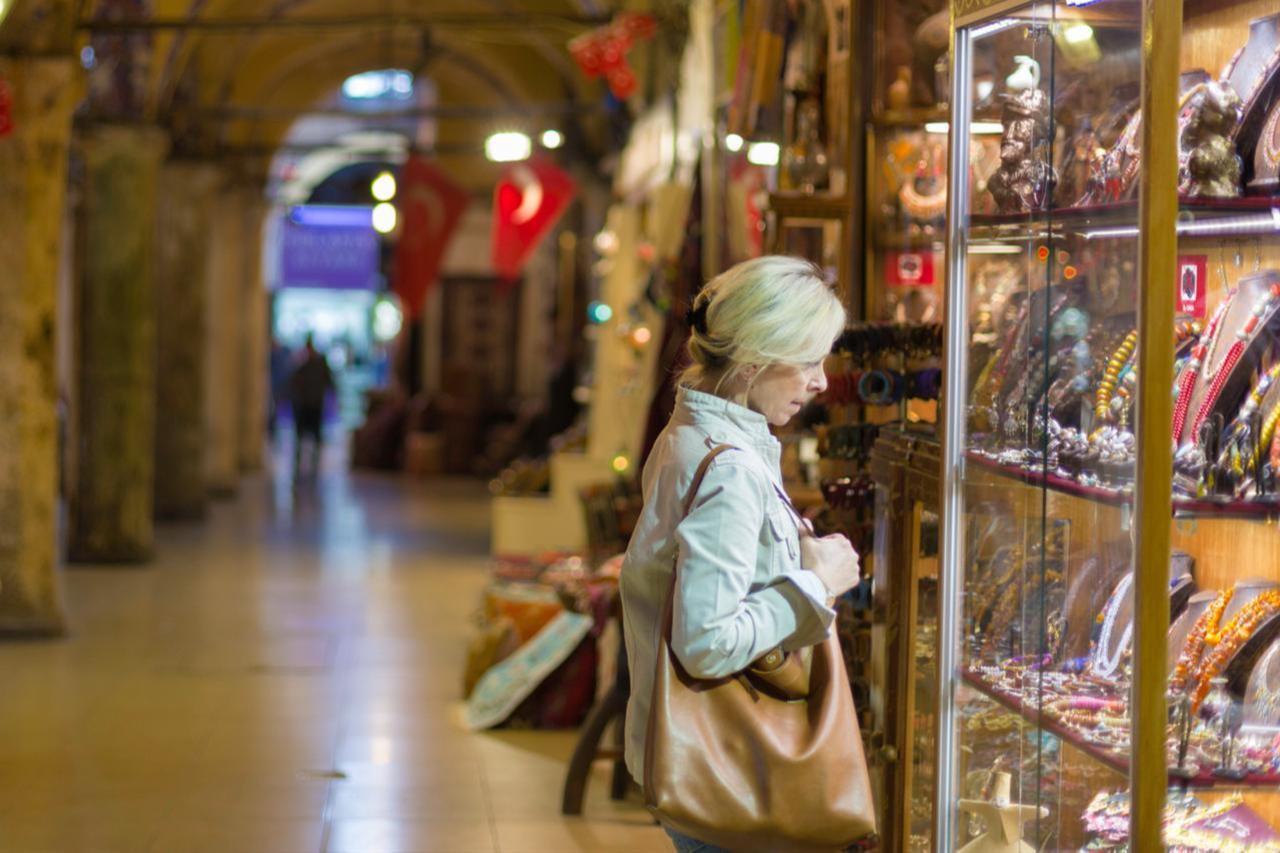


The share of women among Istanbul’s registered tradespeople has risen to 27% over the past five years.
This reflects a broader shift in small business ownership, digital sales, and women’s participation in the city’s commercial life, according to the head of the Istanbul Union of Chambers of Tradespeople and Artisans (ISTESOB).
“We currently have nearly 280,000 tradespeople registered with our chambers. Women make up 27% of this, and this rate continues to increase every day. Five years ago, it was 22%,” ISTESOB President Mesut Sengun told Anadolu.
Sengun said the number of tradespeople in Istanbul has increased in recent years, with women accounting for a larger share of that rise.
He linked the trend to technological change, lighter workloads in some sectors, digital sales, and the expansion of e-commerce.
“When 50 workplaces close in one month, 70 open,” he said, referring to chamber registration data. “Economic conditions also cause this number to rise. Although one might think the opposite, because of the impact of global problems on economies, we may witness some closures, but new fields created by technology can lead people to other professions.”
He said many people now work from home and sell the products they make or source through digital platforms.
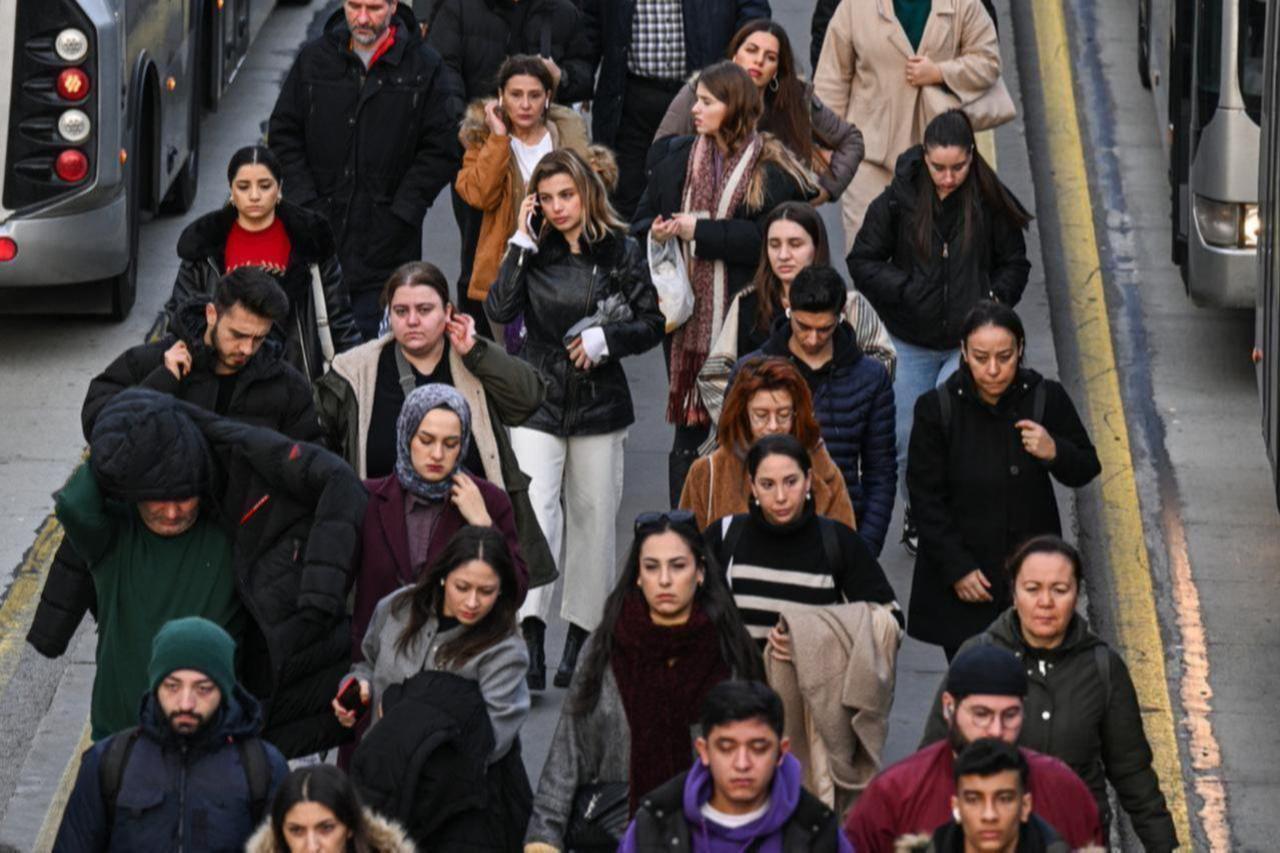

Mesut Sengun said the rise in women tradespeople has become more visible since the pandemic period but has accelerated more recently as women seek a stronger role in economic life.
“Women now want to take part in the economy; they want to contribute to the economy,” he said. “We can say that women are now directly involved in trade.”
According to Sengun, women tradespeople in Istanbul are especially active in handmade goods, textiles, beads, decorative objects, and jewelry design. He also pointed to growing interest in beauty services linked to e-commerce and training programs offered through the chambers.
“There is a strong interest in this field, in the training given by our chambers. Classes are filling up, and we have to open new ones,” he said.
Sengun said e-commerce has allowed women to create space for themselves in business while contributing to household income. He also said women have become more confident in presenting their skills, craft, and artistic work to customers.
Women’s representation has also grown within chamber management structures, according to Sengun.
He said transportation chambers, where women were previously almost absent, now often include one or two women in management and, in some cases, three women on boards of 10 or 11 members.
President Mesut Sengun said women are now present across different parts of Istanbul’s commercial life, including neighborhood markets, taxi driving, and bus driving.
He said the union supports women in all areas and added that state institutions such as the Small and Medium Enterprises Development and Support Administration (KOSGEB) have also provided support that helped increase the number of women entrepreneurs.
He said younger people are particularly drawn to digital commerce because they are more comfortable using online platforms.
“Young people show great interest. They use digital environments more easily and comfortably. They are more accustomed and adapted to them,” Sengun said.
He added that e-commerce has changed traditional trade by allowing people to sell goods they produce, source, or stock through online platforms. “We can say that the spread of e-commerce and the increase in trade in this field have carried traditional trade into another dimension,” he said.
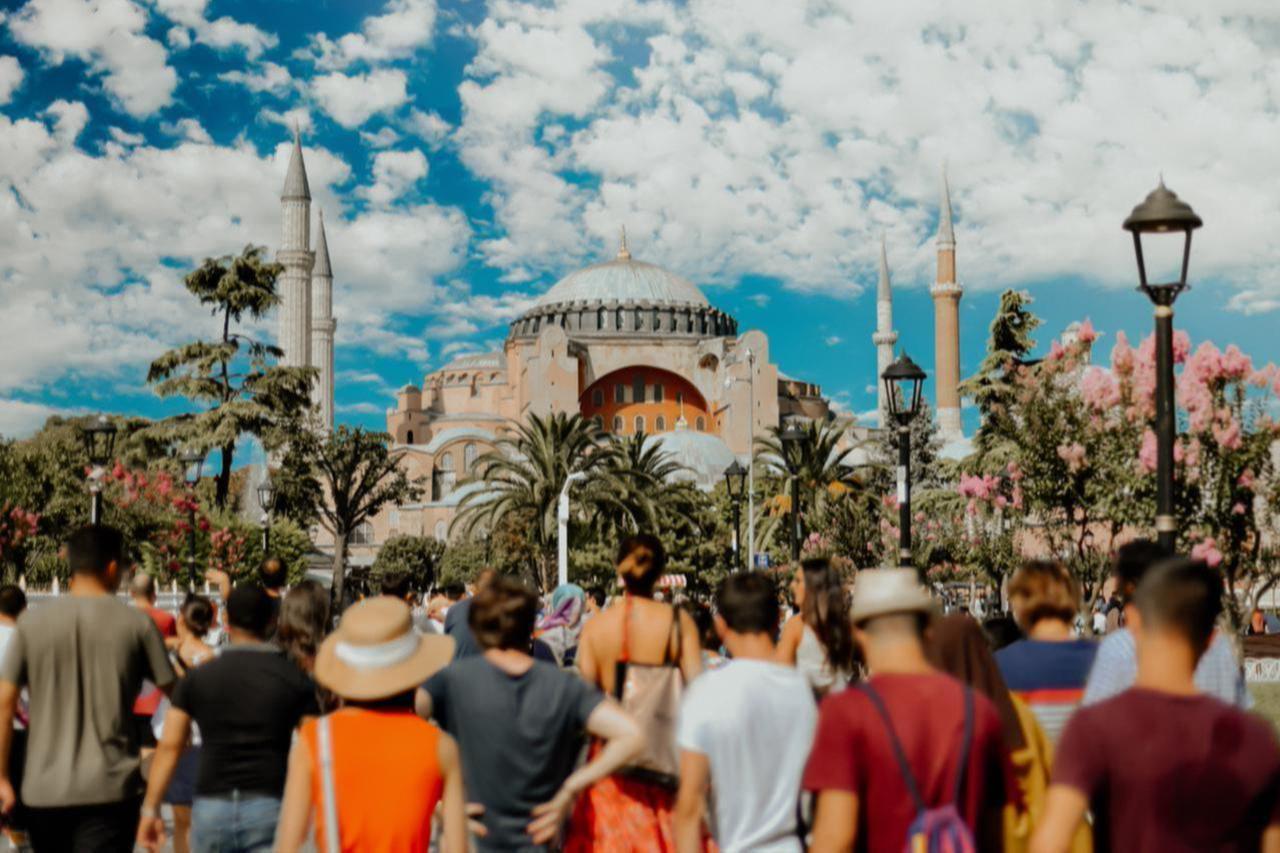
Sengun also said Istanbul’s tradespeople benefit from the city’s tourism economy, particularly in areas such as the Grand Bazaar.
He described Türkiye as a “safe haven” and argued that interest in the country remains strong despite instability in the region and the U.S./Israel-Iran war.
“Türkiye’s course in the region is very positive, and this reflects positively on the number of tourists and therefore on our tradespeople,” he said.
He said rising tourist numbers benefit many sectors in Istanbul, from hotels and taxis to confectionery sellers and producers of local goods.
Sengun argued that physical shops will continue to exist alongside e-commerce rather than disappear.
“Even though people turn to digital environments for trade, sometimes citizens want to go outside, breathe fresh air, and shop in person,” he said. “They want to buy goods by walking around, talking, dealing with tradespeople, and bargaining.”
He said human relations remain central to small tradespeople and that physical shops will continue to have a place in Istanbul’s commercial life.


 Set as preferred source
 Set as preferred source


 1 min read