Newsletters


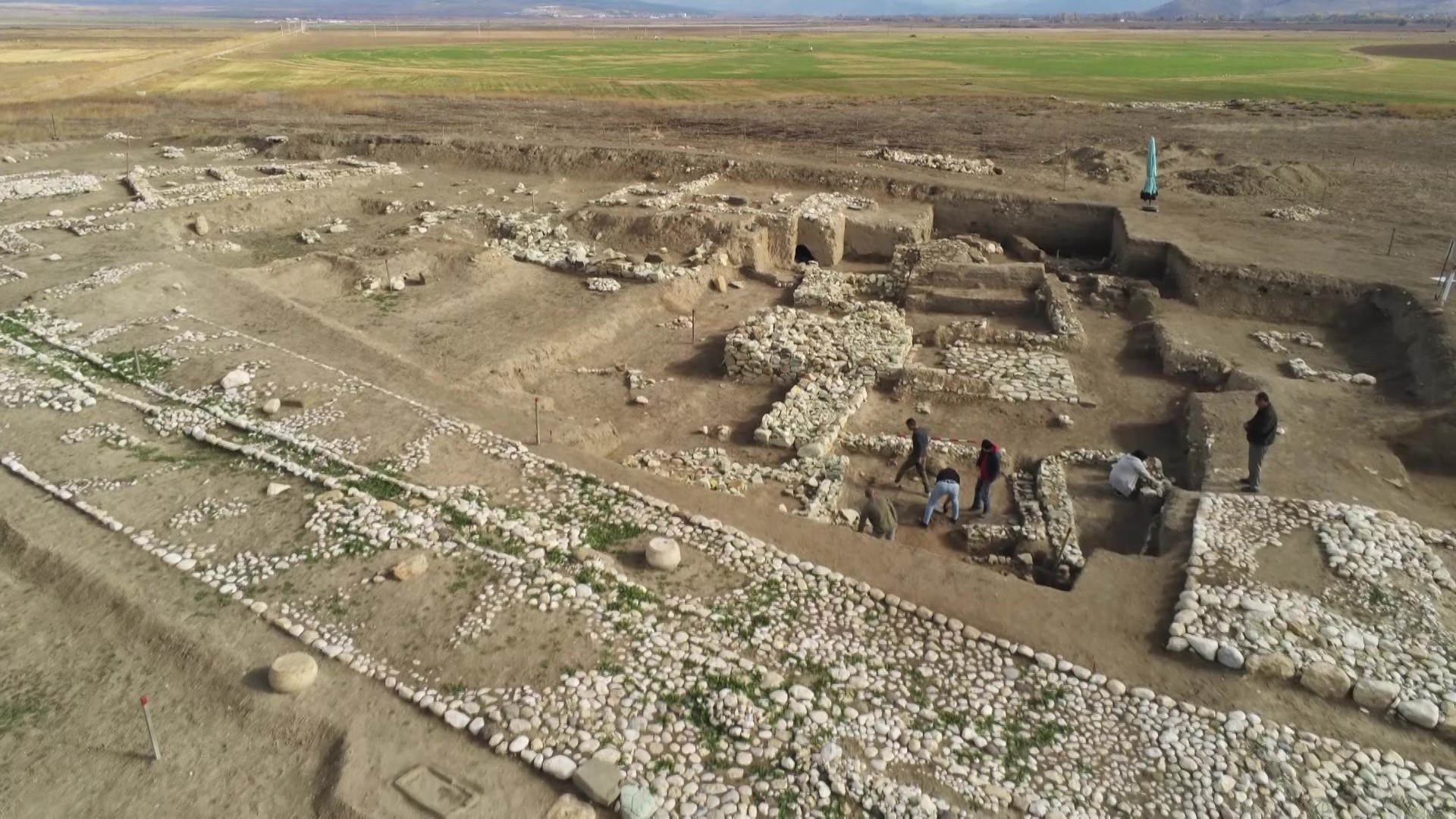
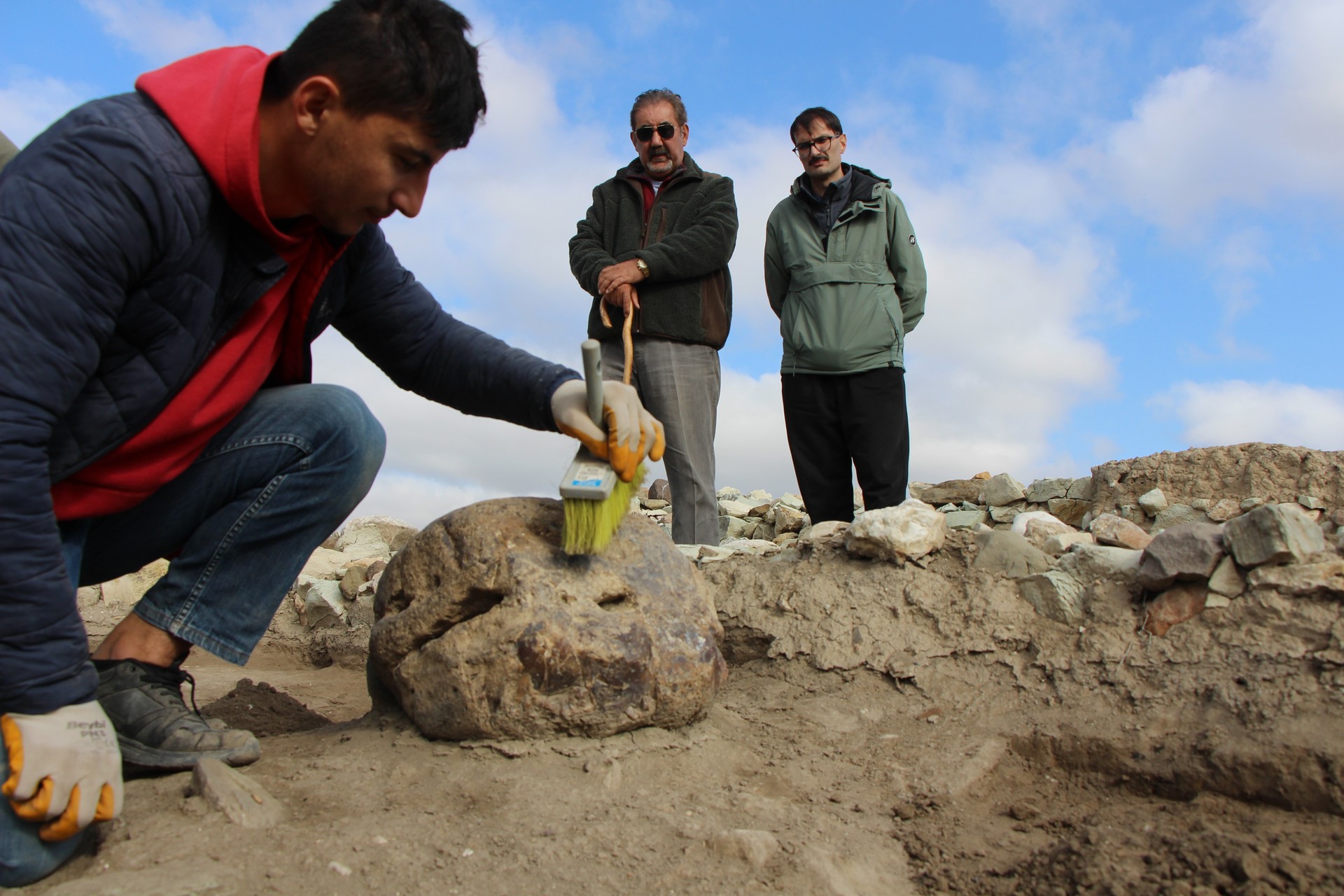
A 2,600-year-old tandir, a clay oven used for baking and slow-cooking across Anatolia and the Middle East, was uncovered this season at the Oluz Hoyuk (Mound) excavations in Amasya, Türkiye. The find, announced by excavation director Professor Sevket Donmez, has been described as an agricultural treasure because it ties a single, familiar cooking unit directly to practices still seen in the region today.
Professor Sevket Donmez, who leads the Oluz Hoyuk project, said the tandir was set into the ground and closely resembles the ovens used in Anatolia today. "The tandir's body was placed below the ground. This tandir is identical to the tandirs used in Anatolia today. The only difference is that it is 2,600 years old," he said. The team exposed the oven during the current season of a long-running field project that has been under way for nearly two decades.
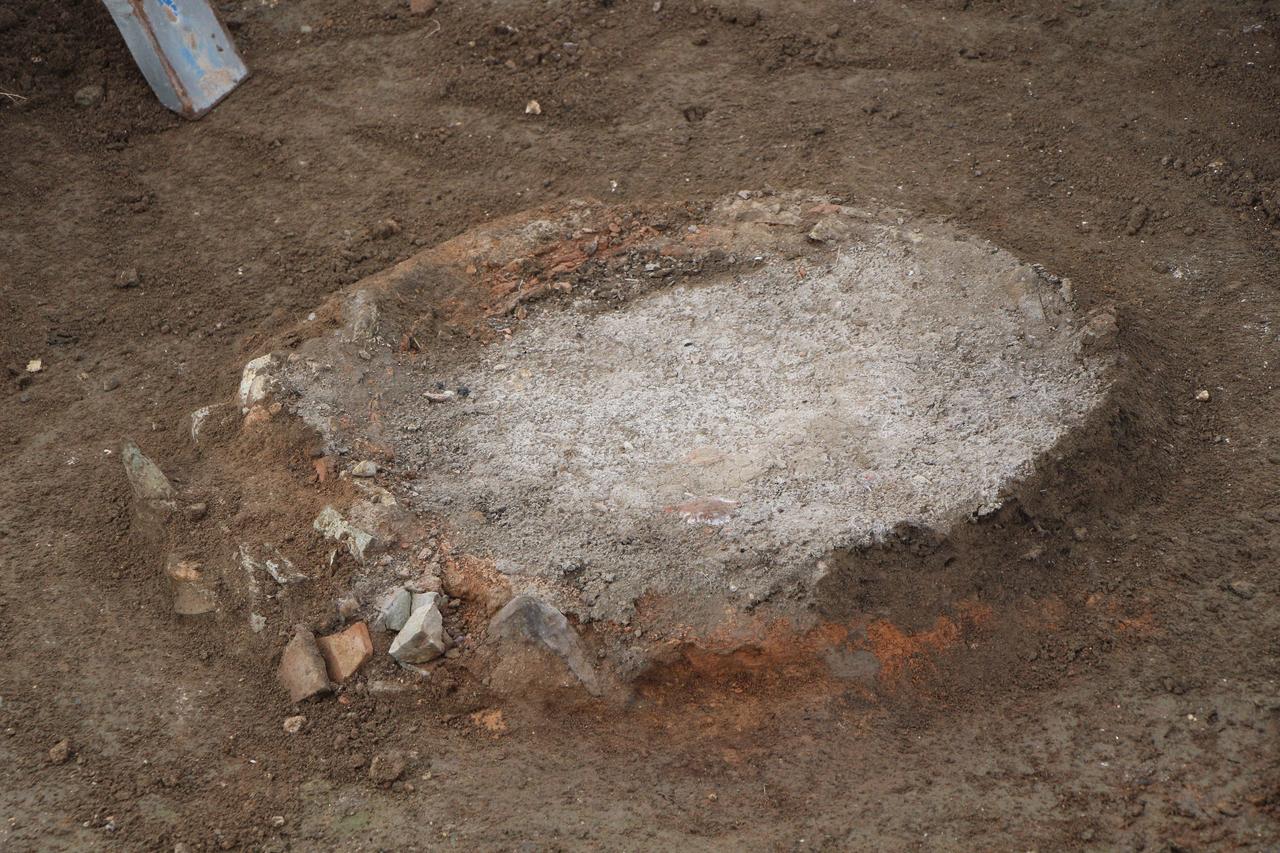

Alongside the oven, archaeologists came across a stone work surface interpreted as a bench for rolling dough or for simple grinding, which underlined the practical domestic context of the find.
The excavation director pointed out that tandir-like units go back to the Neolithic in Anatolia, and this new example reinforces how enduring certain food-production arrangements have been across millennia.
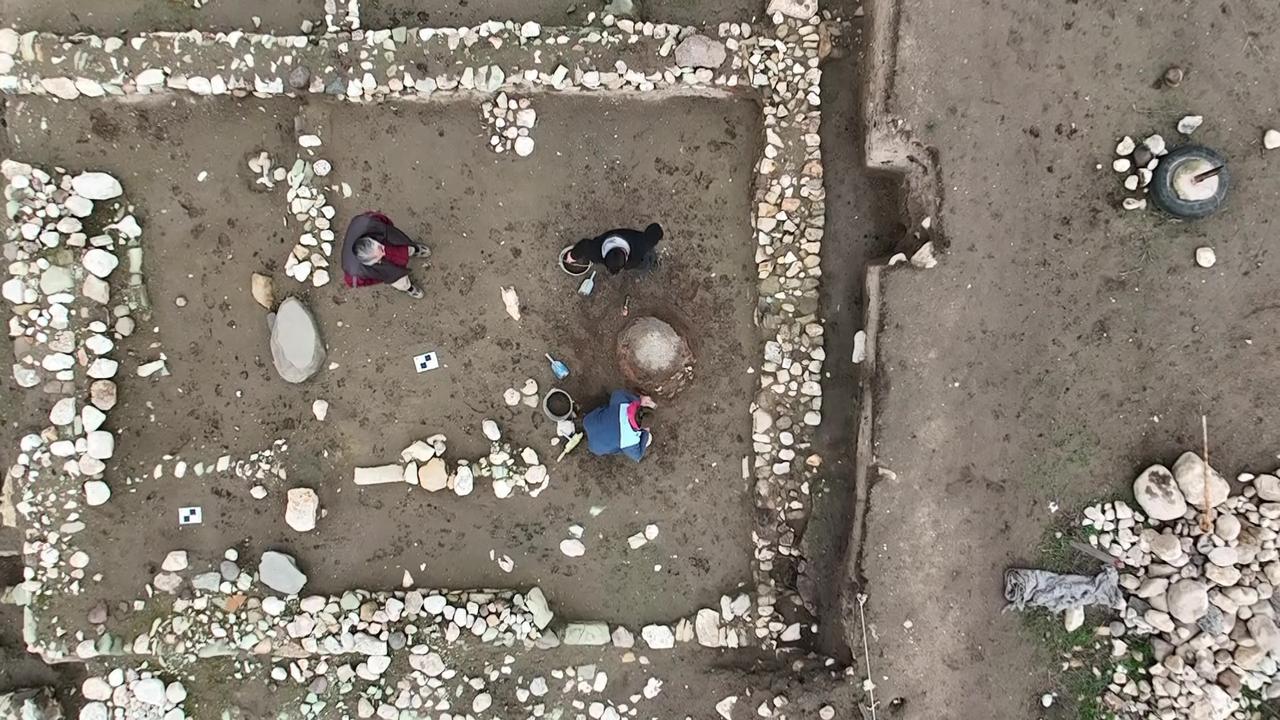
Two years earlier, the same excavation project turned up a clay cooking pot from the Persian period that contained bone fragments and cereal grains; laboratory study suggested that the vessel had been used to prepare keskek, a traditional wheat-and-meat porridge.
That earlier pot and the newly exposed oven together suggest that tandirs like the one at Oluz Hoyuk were likely used for everyday dishes that fed communities across different eras.


 Set as preferred source
 Set as preferred source


 1 min read
 1 min read