Newsletters


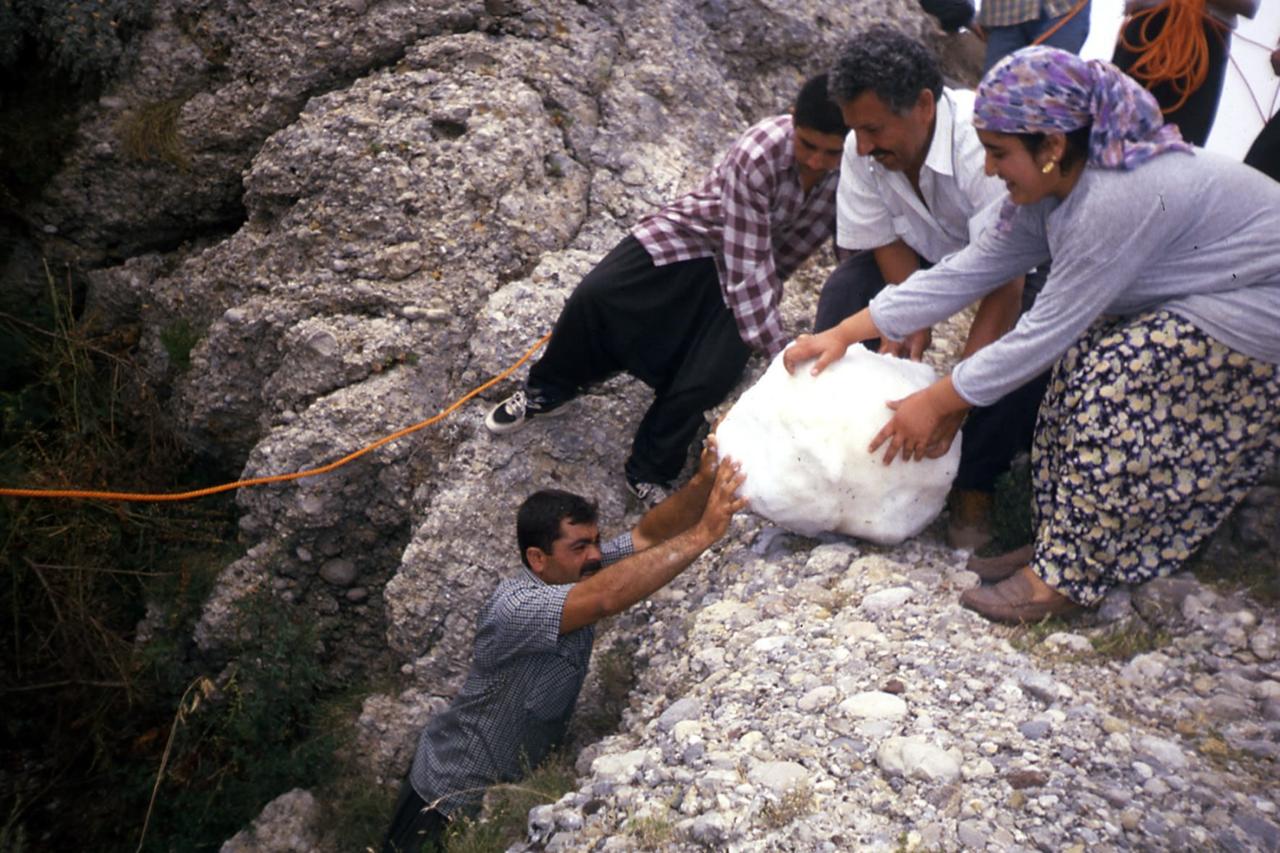


Before electric refrigerators and air conditioners took over daily life, people across Anatolia relied on snow wells to get through the heat of summer.
These traditional storage pits, once used to keep snow and ice for months, are now facing the risk of disappearing, according to research by Professor Cevdet Yilmaz of Ondokuz Mayis University in Samsun.
Yilmaz, head of the Geography Education Department at the university's Faculty of Education, examined this fading practice in his study titled "Snow, Ice and Cooling Culture in Anatolia."
His research shows that snow wells were not only practical cooling systems but also part of a wider cultural memory built up around food, trade and community life.
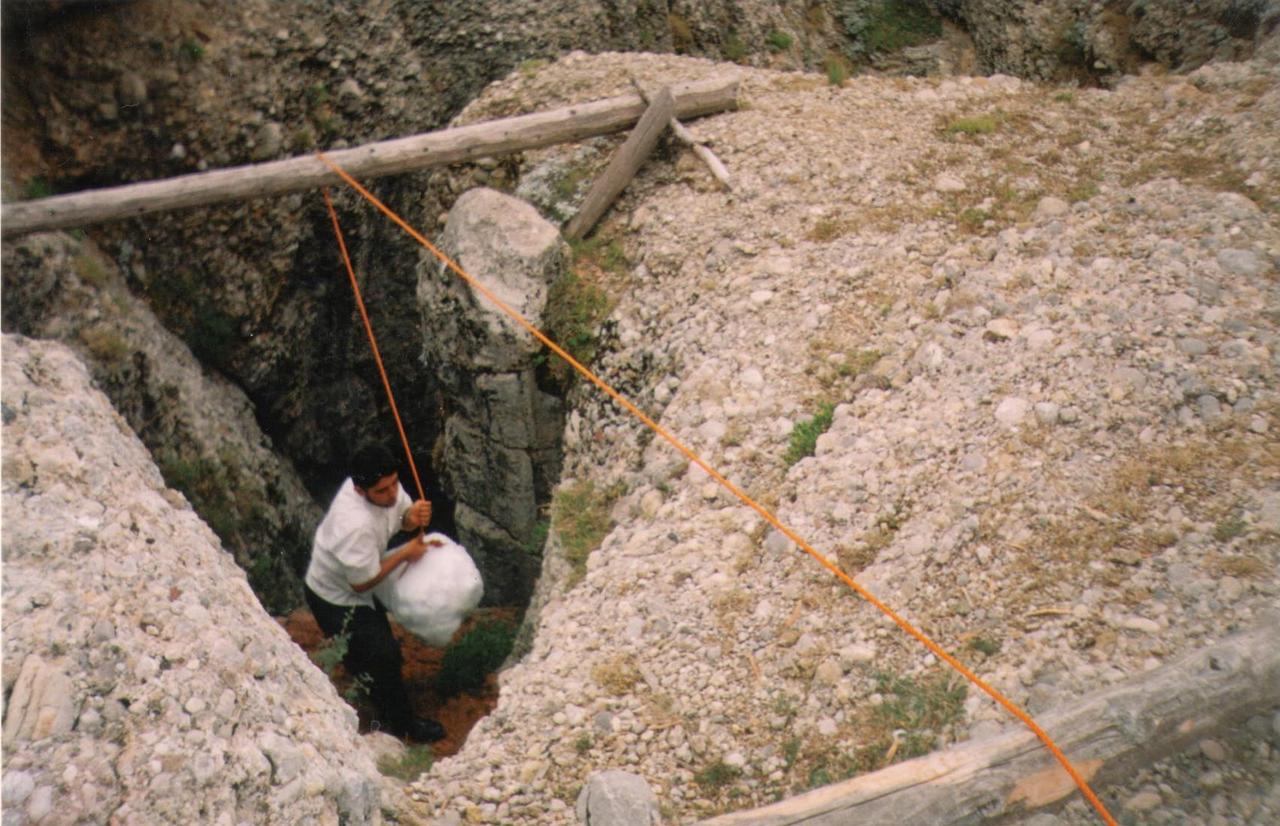

In the past, snow brought down from mountains or taken from wells near settlements was sold to residents and tradespeople during the summer.
People used it to prepare traditional refreshments such as snow sherbet and karsambac, a snow-based local dessert, while ice cream makers and soft drink sellers used it to keep their products cool.
The research also points to natural "snow cupboards" in karstic areas, where rock cracks helped preserve food for months without electricity. Natural cold storage areas identified in Savsat, a district of Artvin, are described as surviving examples of this tradition.
Yilmaz emphasized that snow wells were not only places where ice was stored but also structures connected to Anatolia's social life. In towns and cities, many ice cream makers and beverage sellers once had their own snow wells, while the work of filling them often brought communities together.
In Samsun's Carsamba district, children also took part in filling snow wells, pressing the snow down by stepping on it together. Over time, this turned the process into a form of neighborhood solidarity rather than a simple storage task.
Yilmaz described the wells as structures that "stored not only ice, but also culture."
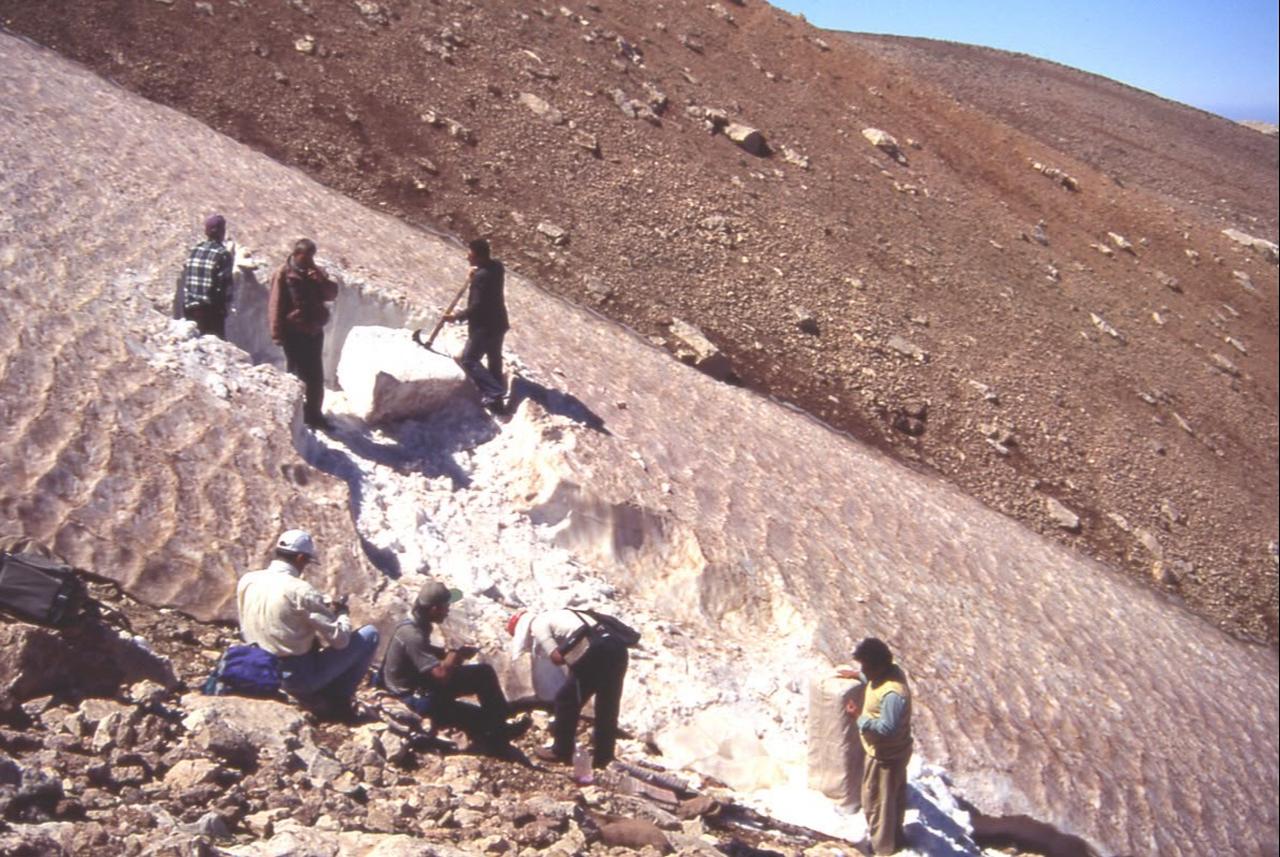
The study notes that snow culture was also reflected in Anatolian cuisine. Local flavors such as karsambac, snow sherbet, snow halva, snow molasses, karma and iced compote have been part of this tradition for centuries.
Karsambac, especially associated with the Maras and Adana regions, is regarded in the research as an early form of today's ice cream.
According to Yilmaz, the spread of electric cooling devices from the 1970s onward pushed snow wells out of use. As the wells disappeared, many related words and practices also began to fade from daily life.
These include terms such as "snow seller, snow trader, snow well, snow sherbet, karsambac and the Ottoman-era role of "kar kethudasi," a person connected with snow supply and management.
The research also refers to "kar sevabi," a charitable practice in which snow brought from mountains was distributed to poor people, patients, pregnant women and children during hot Ramadan days.
Yilmaz called for snow wells to be documented before they vanish completely, while also stressing the need to record the knowledge of the last people connected to the snow trade and to support broader academic research on this disappearing heritage.


 Set as preferred source
 Set as preferred source


 2 min read