Newsletters


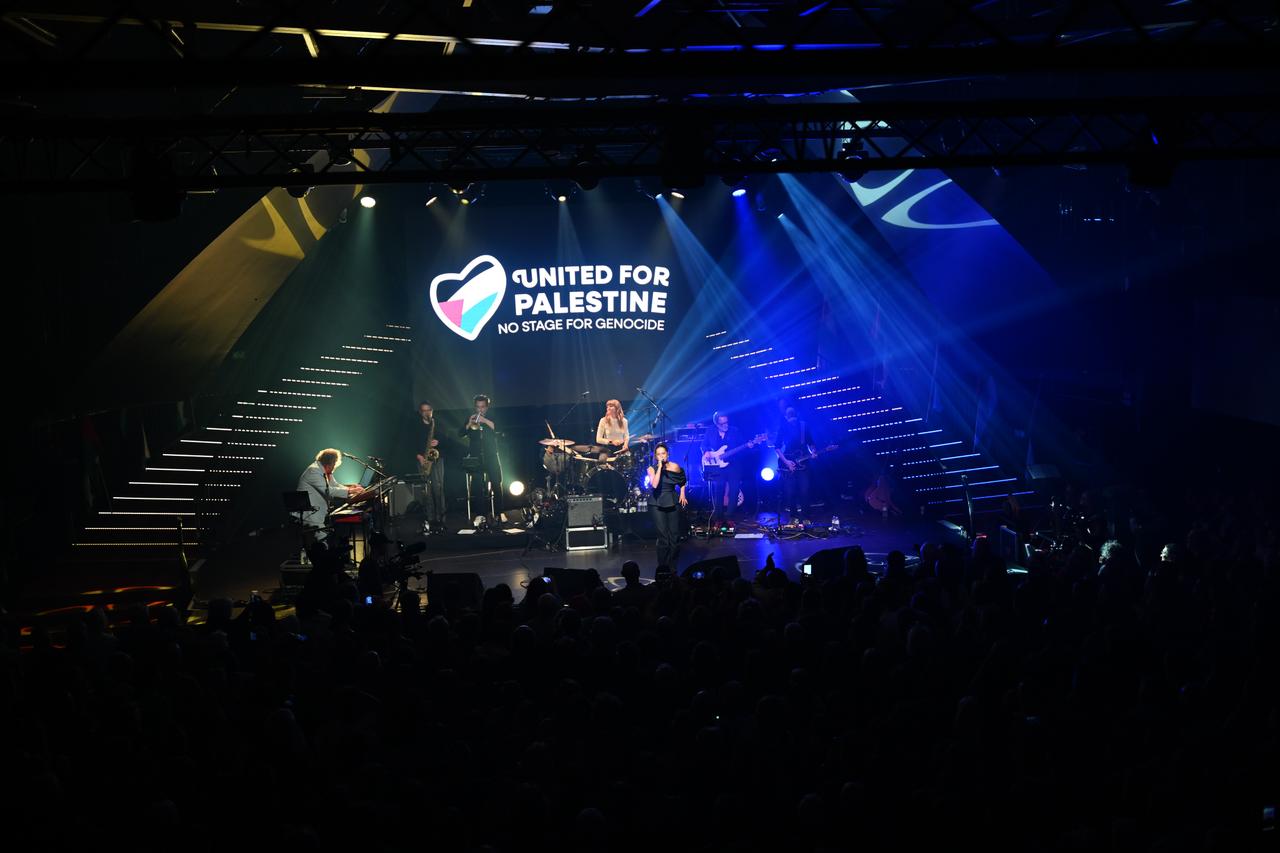


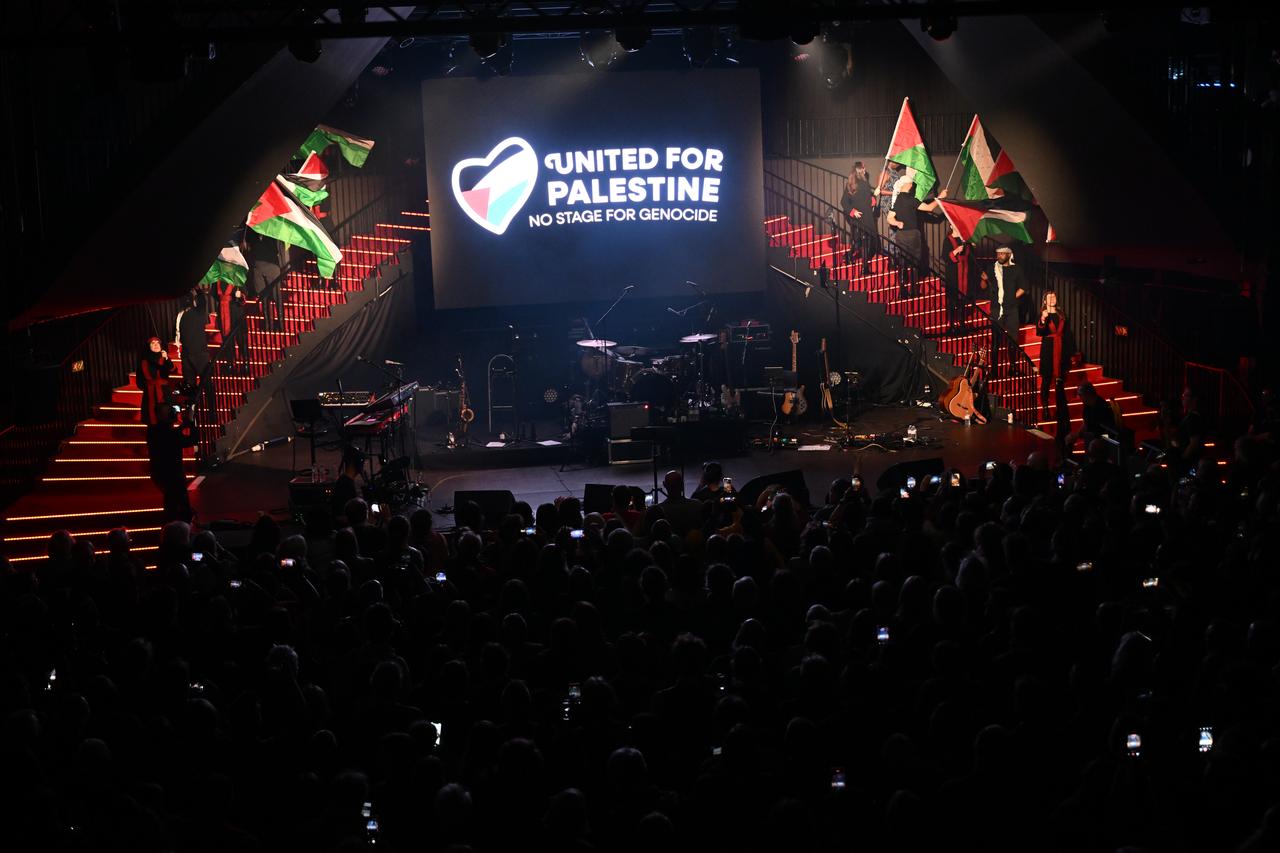
Artists and solidarity groups staged an alternative musical event in Brussels on Tuesday in protest against Israel’s participation in the Eurovision Song Contest. They argued that the competition has abandoned its founding principles of unity and human rights amid the ongoing war in Gaza.
Organized by Belgian non-governmental organizations, trade unions, and pro-Palestinian groups, the "United for Palestine" event took place on the same evening as the first Eurovision semifinal. The gathering directly coincided with the contest performances of both Belgium and Israel.
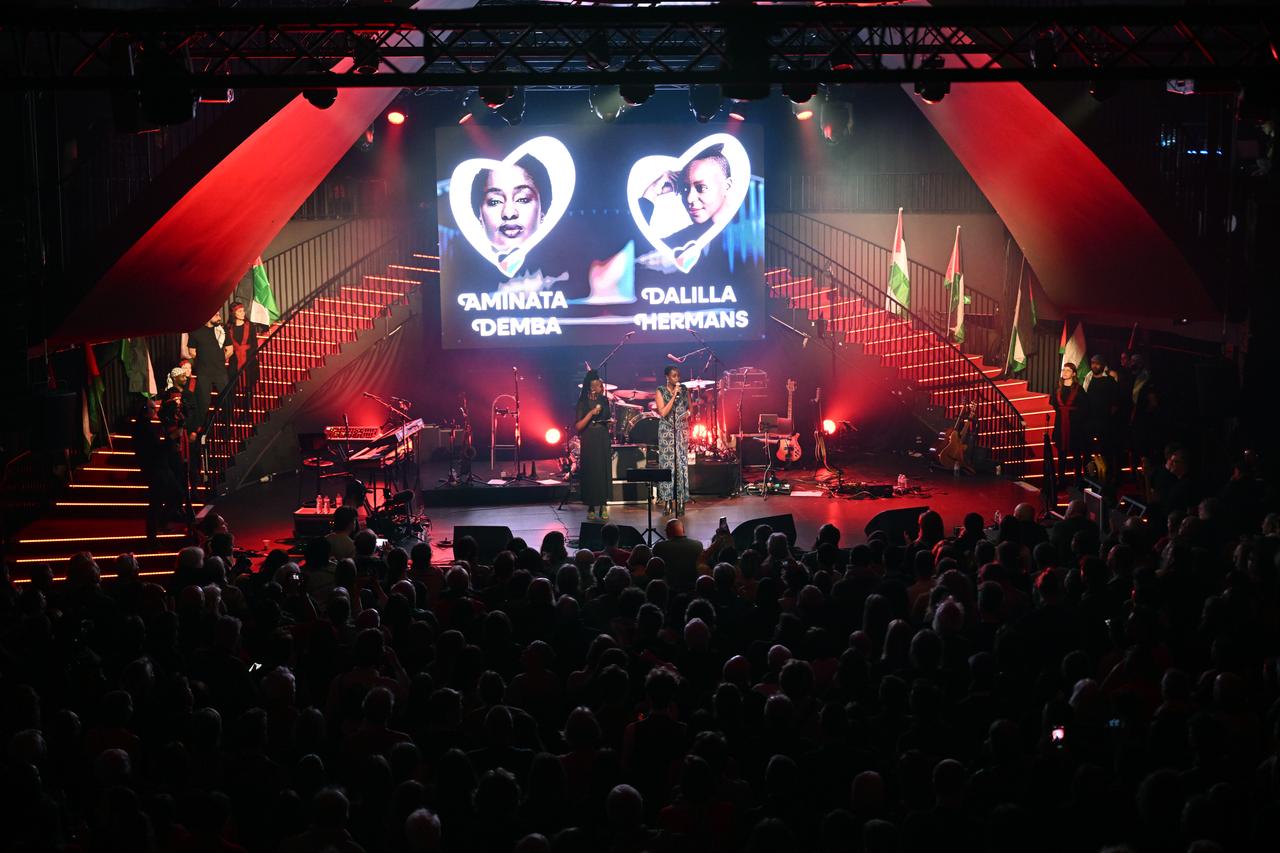
The initiative carried the slogan, “Don’t watch Eurovision. No stage for genocide,” and featured performances by former Belgian Eurovision contestants, local musicians and Palestinian artists, alongside speeches expressing solidarity with Palestinians.

 1 min read

Quoting one of the organizers of the event, Belgian actress Katrien De Ruysscher told Anadolu Agency that the protest was launched in response to the European Broadcasting Union’s (EBU) decision to allow Israel to participate in this year’s contest despite growing criticism across Europe.
"The participation of Israel is very problematic due to the genocide in Gaza and everything. So we decided maybe we should create a counter-event, an event that focuses on the meaning of the Eurovision Song Contest, which is uniting people and the values of human rights. And that's why we try to create this event," De Ruysscher said.
The EBU has repeatedly maintained that Eurovision is a non-political event. However, critics have accused the organization of applying double standards by excluding Russia from the competition following the war in Ukraine while permitting Israel to remain in the contest.
“They say Eurovision is not political, but they made it political,” De Ruysscher said. “Russia is not allowed to participate; Israel is.”
De Ruysscher further argued that Israel’s inclusion in the competition contributes to what she described as the “normalization of violence” in Gaza and called on artists and audiences to continue speaking out against the war.
She also questioned the future of the Eurovision Song Contest if it continues in its current form, arguing that the event should return to its post-World War II mission of promoting unity among nations.


 Set as preferred source
 Set as preferred source


 1 min read