Newsletters





Bulgaria's Dara delivered a dazzling victory at the 70th Eurovision Song Contest on Saturday, surging past Israel by 173 points in televoting to claim the title at the Wiener Stadthalle before a crowd of more than 10,000 fans and an estimated audience of tens of millions watching around the world.
The win, powered by Dara's high-energy floor-filler "Bangaranga" and its intricately choreographed staging, caps what had been a politically charged edition of the world's biggest live televised music event, with five countries staging the largest boycott in the contest's history over Israel's participation.
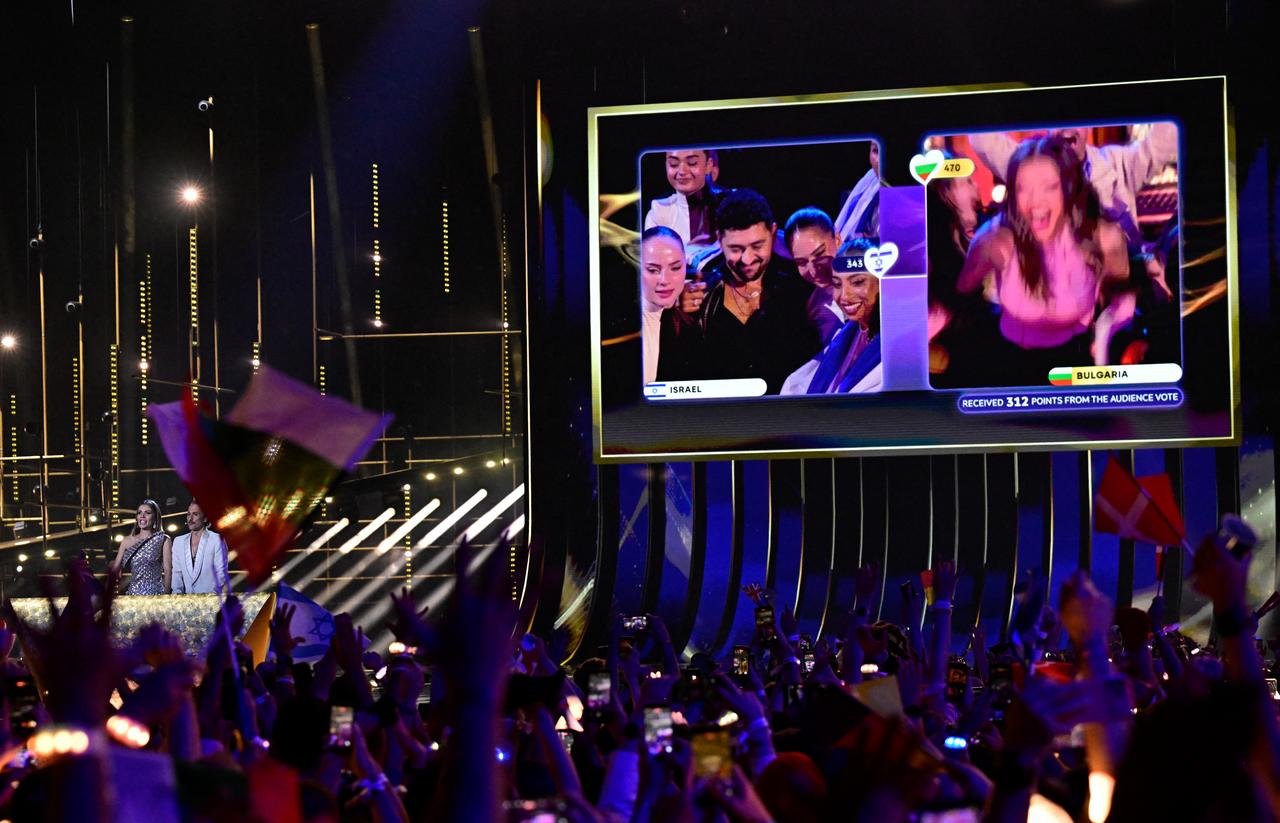
Spain, the Netherlands, Ireland, Iceland and Slovenia all withdrew from competition, citing the ongoing war in Gaza and Israel's entry into the contest. Spanish public broadcaster RTVE, traditionally one of Eurovision's most committed backers, went further, refusing to air the show altogether.
In place of the broadcast, it displayed a message declaring that while Eurovision may be a competition, human rights are not, and calling for peace and justice for Palestine.
Outside the arena, hundreds of pro-Palestinian demonstrators marched through Vienna chanting calls to boycott the contest and carrying banners accusing the event's organisers of celebrating genocide. Israel's entrant, Noam Bettan, had faced disruption during the semi-final but appeared to perform without incident in the final itself.
The show opened with a nod to the host nation's cultural heritage, as last year's winner Johannes Pietsch, the Austrian countertenor who performs as JJ, sang the "Queen of the Night" aria from Wolfgang Amadeus Mozart's 1791 opera "The Magic Flute."
The 25 competing artists then paraded down the catwalk with their national flags before the battle commenced in earnest.
The bookmakers' overwhelming favourites heading into the night were Finnish duo Linda Lampenius and pop singer Pete Parkkonen, performing as a violinist-vocalist pairing on "Liekinheitin," or "Flamethrower."
At the song's climax, the 56-year-old Lampenius was playing at the very top of the fingerboard with striking intensity. Australia's Delta Goodrem, who has sold nine million albums worldwide, was also considered a strong contender, closing her song "Eclipse" suspended high above the stage on a riser emerging from a glittering piano.
 1 min read
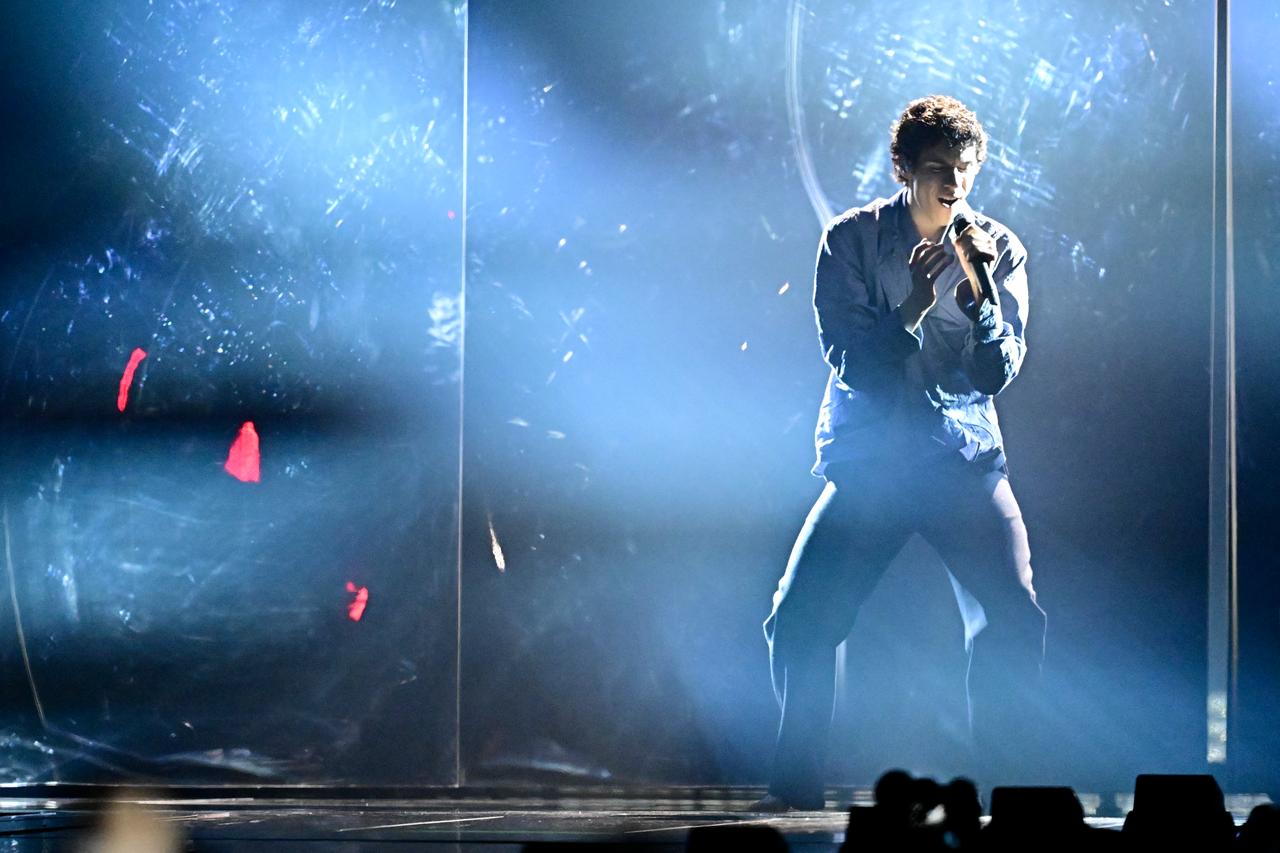
The field also included a wide range of styles and theatrical flourishes. Greece's Akylas performed "Ferto" in a tigerprint coat against a retro video game backdrop incorporating knitting, a glitterball and an animated classical statue.
Serbian metal band Lavina brought gut-deep growling, Czech Republic's Daniel Zizka navigated a hall of mirrors, and Ukraine's Leleka drew an eruption from the crowd when she landed an exceptionally high note in "Ridnym."
Romanian Alexandra Capitanescu, 22, offered heavy metal with "Choke Me," while Croatia's Lelek performed a dark choral piece, "Andromeda," evoking the persecution of Christian women in the Ottoman Empire.
A British experimental electronic act drew audience participation with lyrics about drudgery and custard in "Eins, Zwei, Drei."


 Set as preferred source
 Set as preferred source



 1 min read