Newsletters


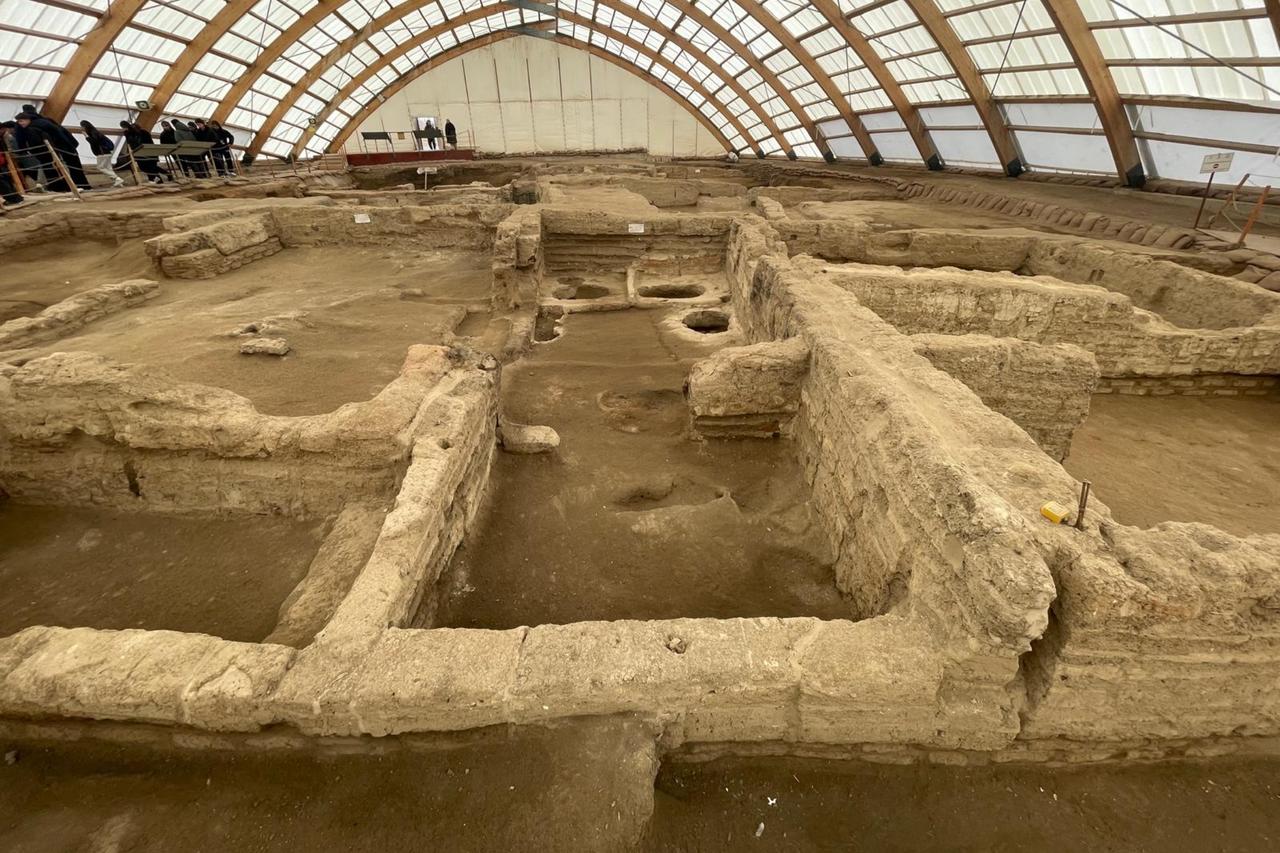


One of the world’s earliest known urban settlements, Catalhoyuk in central Türkiye has been included in the list of the 10 most important archaeological discoveries of 2025, by Archaeology Magazine, placing Anatolia once again at the center of global discussions on early human societies.
The recognition comes alongside discoveries from Sanliurfa Karahantepe, although the two sites were evaluated separately. Catalhoyuk was highlighted for the way its long-running research continues to reshape how archaeologists understand Neolithic life, social organization, and early farming communities.

Speaking on the international recognition, Culture and Tourism Minister Mehmet Nuri Ersoy underlined that scientific research carried out across Türkiye is steadily reshaping what is known about humanity’s shared past. He pointed out that findings emerging from Anatolian soil are not only local discoveries but also contributions that feed into global historical narratives.
Catalhoyuk’s inclusion in the list reflects decades of interdisciplinary research that continues to feed into broader debates on early urbanization and social equality.
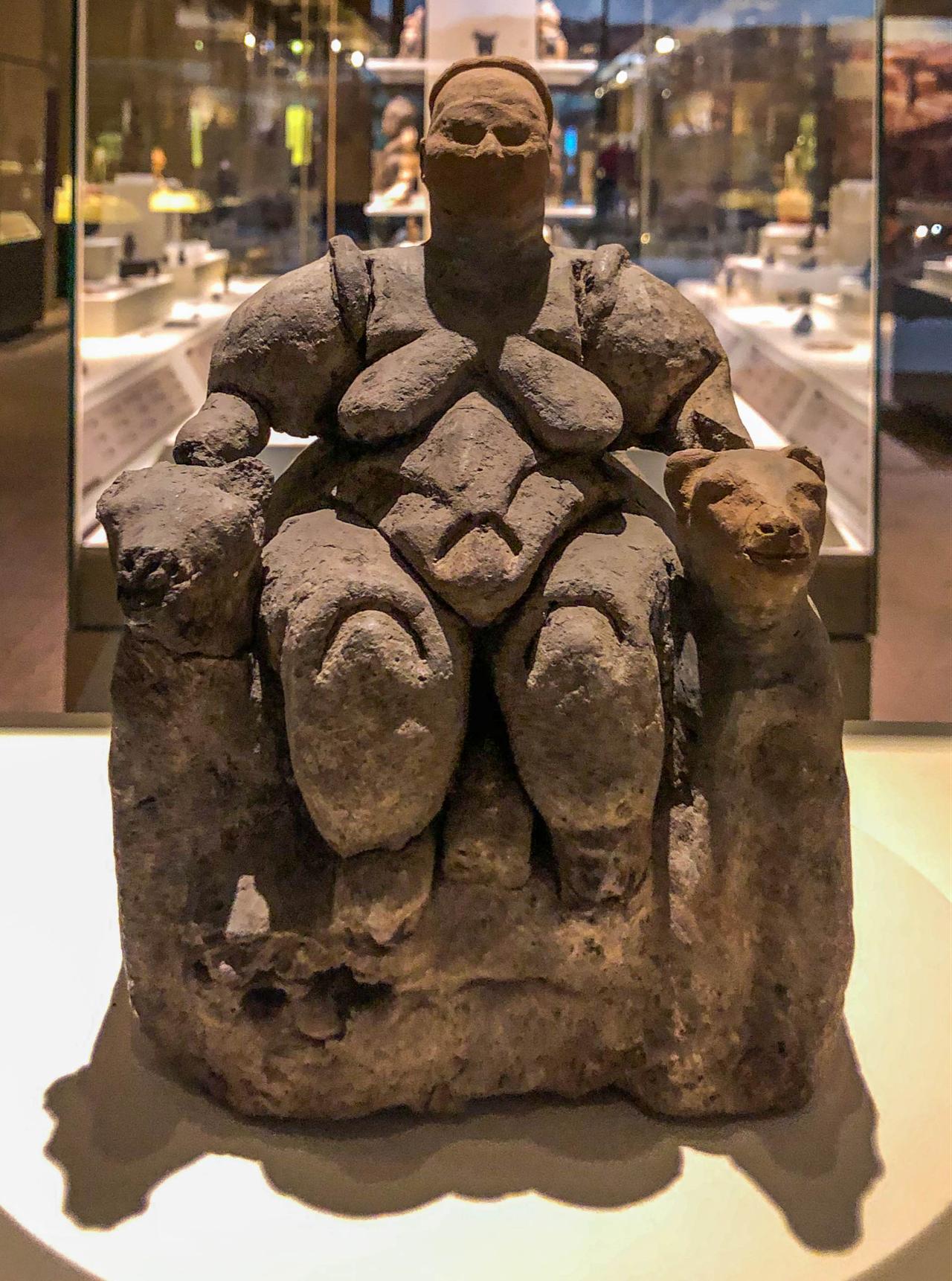
The international publication that compiled the list drew attention to a long-standing debate surrounding Catalhoyuk’s Neolithic farming community. Archaeologists have for years explored whether the settlement could represent an early matriarchal social structure, largely because of the discovery of female figurines often described as “mother goddess or fertility goddesses.”
These figurines, with their exaggerated female features, have fueled speculation about gender roles in early agricultural societies. However, recent scientific analyses have encouraged a more cautious interpretation.
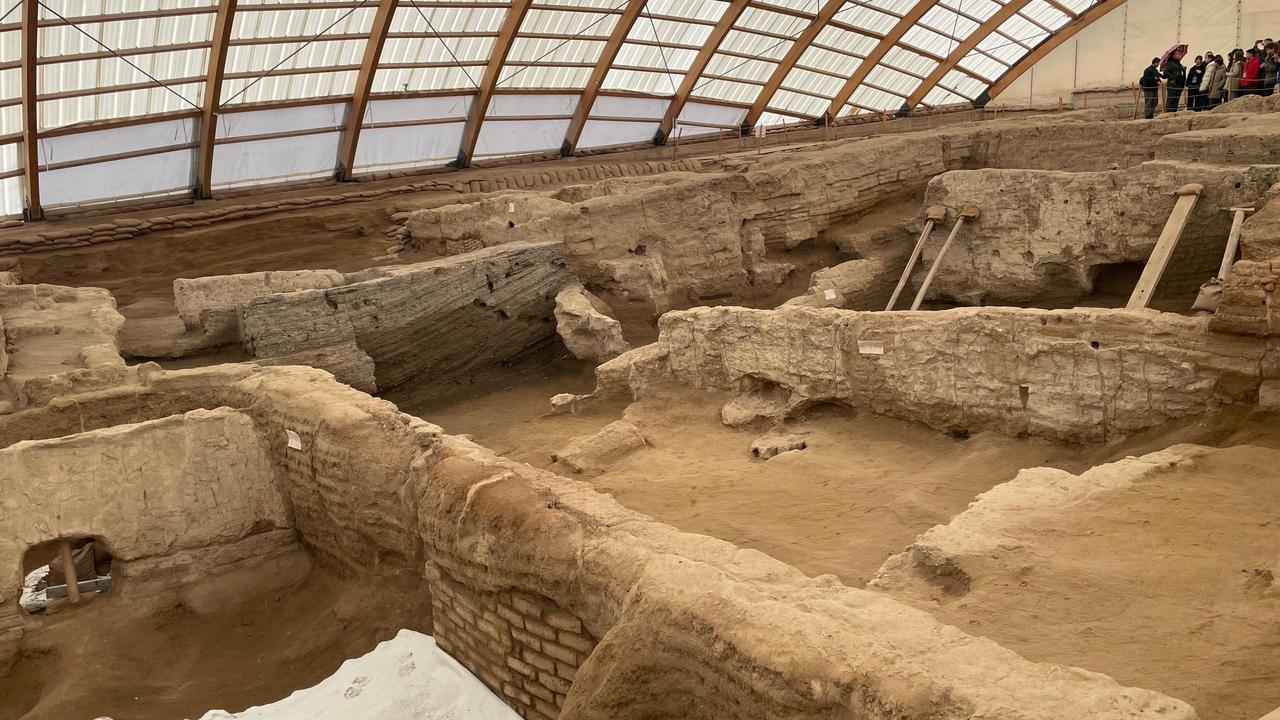
Located around 40 kilometers from Konya, Catalhoyuk consists of two neighboring mounds: the East Mound, dating to the Neolithic period, and the West Mound, associated with the later Chalcolithic era, a transitional phase between the Stone Age and the Bronze Age. The current excavations are being carried out under the leadership of Associate Professor Ali Ozan from Pamukkale University.
Gozde Parlak, deputy head of the excavation team, who spoke to Türkiye Today, research has focused on protecting existing areas on the East Mound while opening up new sections to reach previously unexplored parts of the Neolithic settlement.
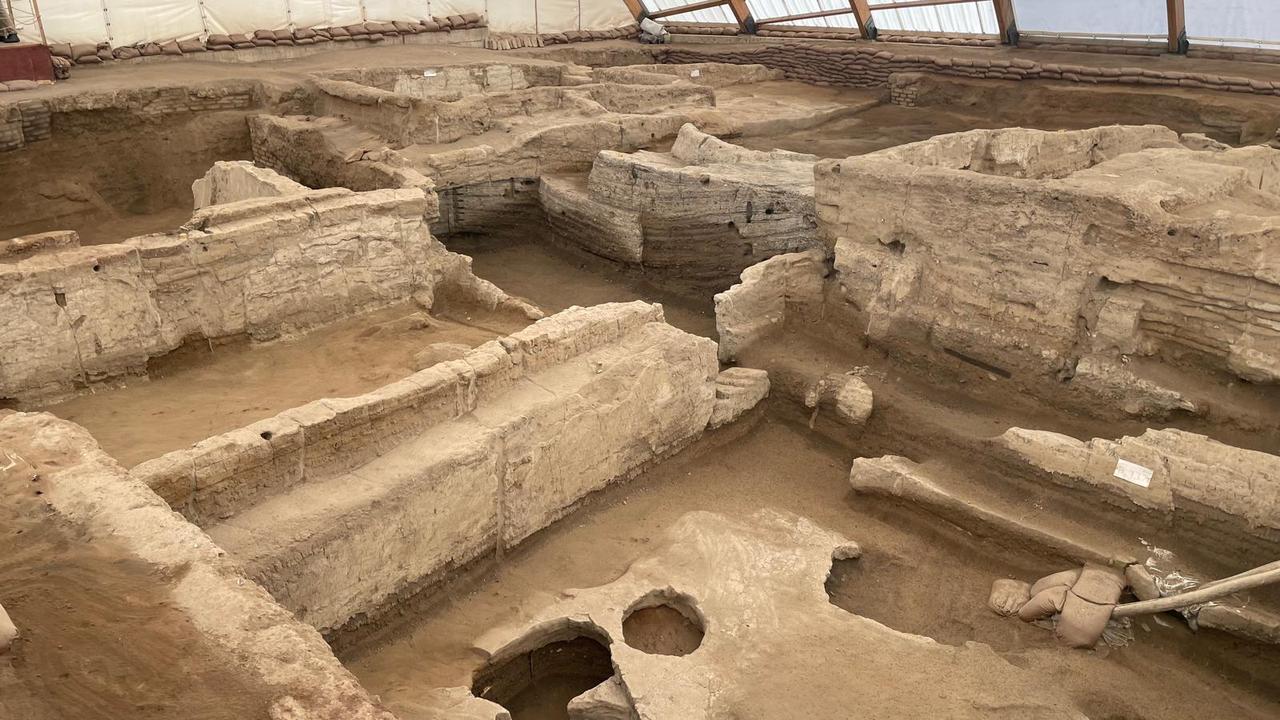
According to Parlak, work on the West Mound, meanwhile, aims to shed light on how Catalhoyuk’s inhabitants lived after the Neolithic period came to an end.
Parlak noted that excavations covered roughly a thousand square meters and that the 2025 excavation season has now concluded.
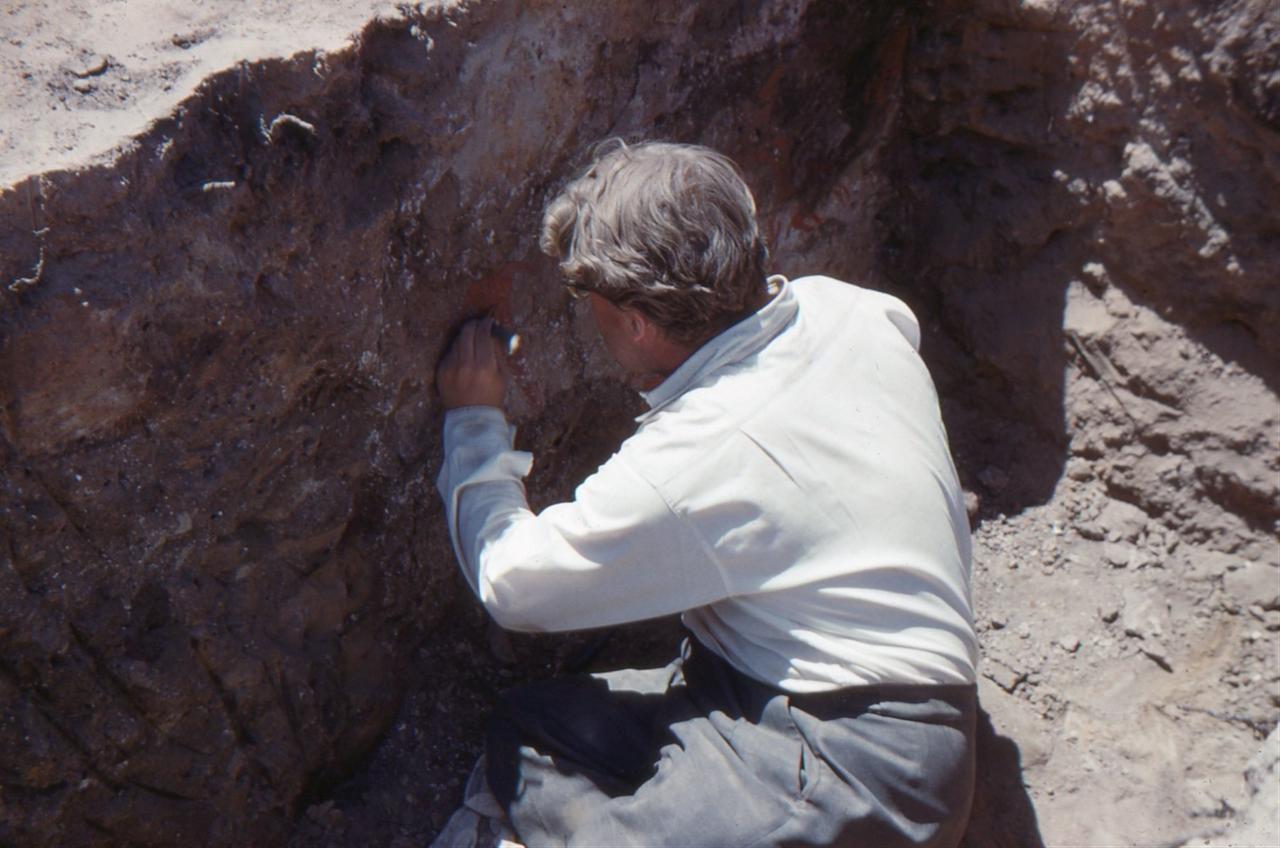
Catalhoyuk first entered the global archaeological spotlight in the early 1960s when British archaeologist James Mellaart began excavations at the site. His work revealed multiple building layers dating back several millennia and helped establish Catalhoyuk as one of the earliest known large-scale settlements.
However, Mellaart’s legacy later became controversial. Research conducted after his death raised claims that some wall paintings and inscriptions associated with him may have been fabricated, prompting renewed scrutiny of early documentation from the site.
More recently, a large-scale DNA study carried out over more than a decade by an international team of researchers has provided fresh insight into Catalhoyuk’s social structure. While earlier interpretations emphasized female-centered authority, scientific analyses painted a different picture.
Isotope studies and skeletal measurements indicated that women and men shared similar diets, workloads, and living spaces. Rather than pointing to a society ruled by women, the findings suggested an unusually egalitarian community, where gender roles were largely balanced.
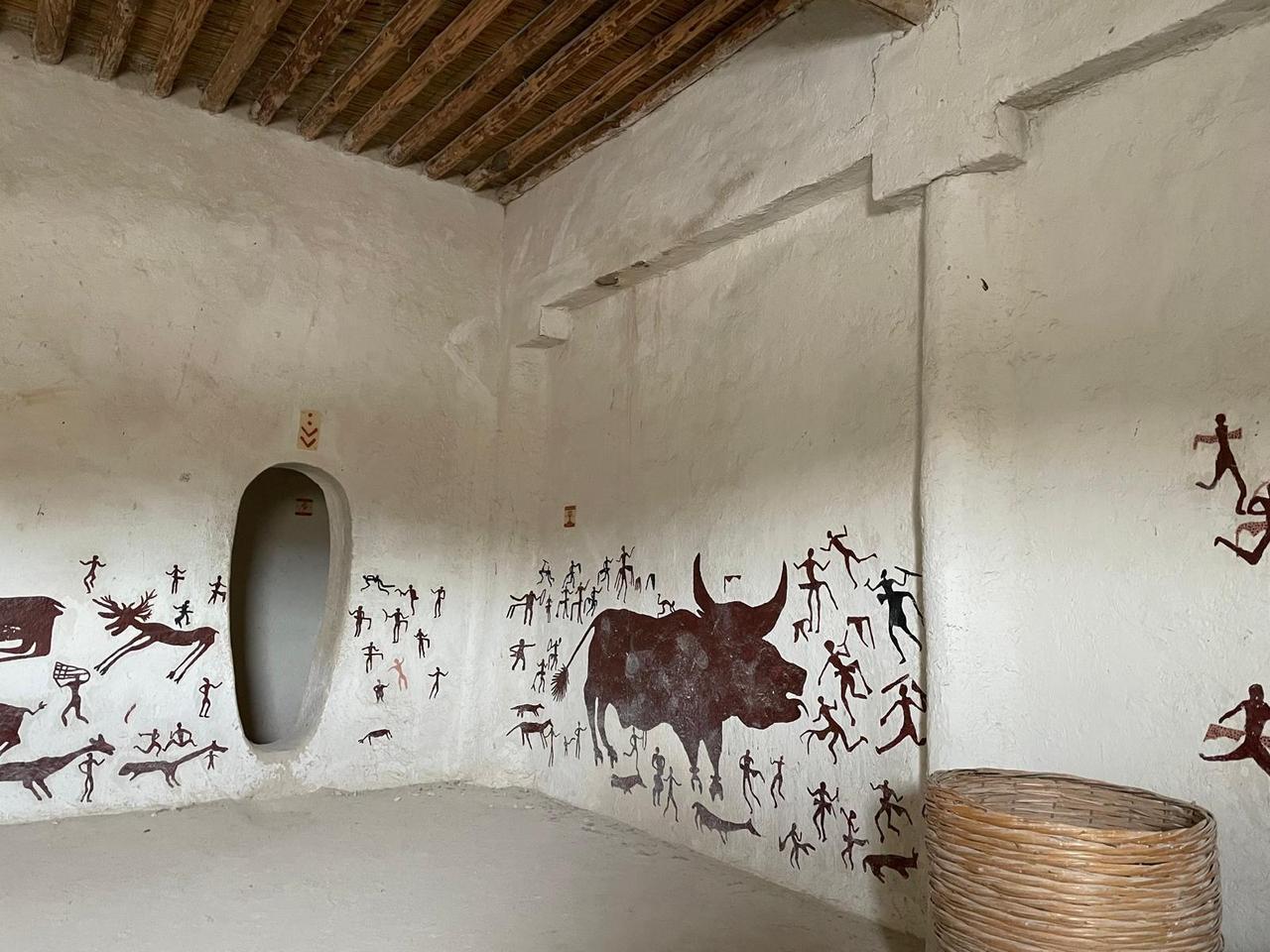
At its peak, Catalhoyuk is believed to have been home to several thousand people living in closely packed mudbrick houses, accessed from the rooftops rather than by streets. Despite this well-documented reality, the site has often been surrounded by speculative claims ranging from alien contact to mythical warrior societies.
Archaeologists emphasize that Catalhoyuk’s true significance lies not in sensational theories but in its role as one of humanity’s earliest experiments in large-scale communal living.
Catalhoyuk can be reached by traveling from Konya to Cumra, followed by a short taxi ride to the site. Visitors are advised to check opening hours and entrance information in advance, as access conditions may vary by season.


 Set as preferred source
 Set as preferred source


 1 min read

 1 min read