Newsletters




The 1700th anniversary visit of Pope Leo XIV to the ruins of a church lying just off the shore of Lake Iznik in northwestern Türkiye has brought an old question back to the surface: did the First Council of Nicaea in 325 actually meet on the very spot now known as the Sunken Basilica of Saint Neophytos?
Many historians and archaeologists now argue that the answer is most likely yes, pointing to a growing body of archaeological evidence and early medieval travel accounts.
Yet the argument still rests on careful interpretation rather than absolute proof, so the site continues to stir both devotion and debate.
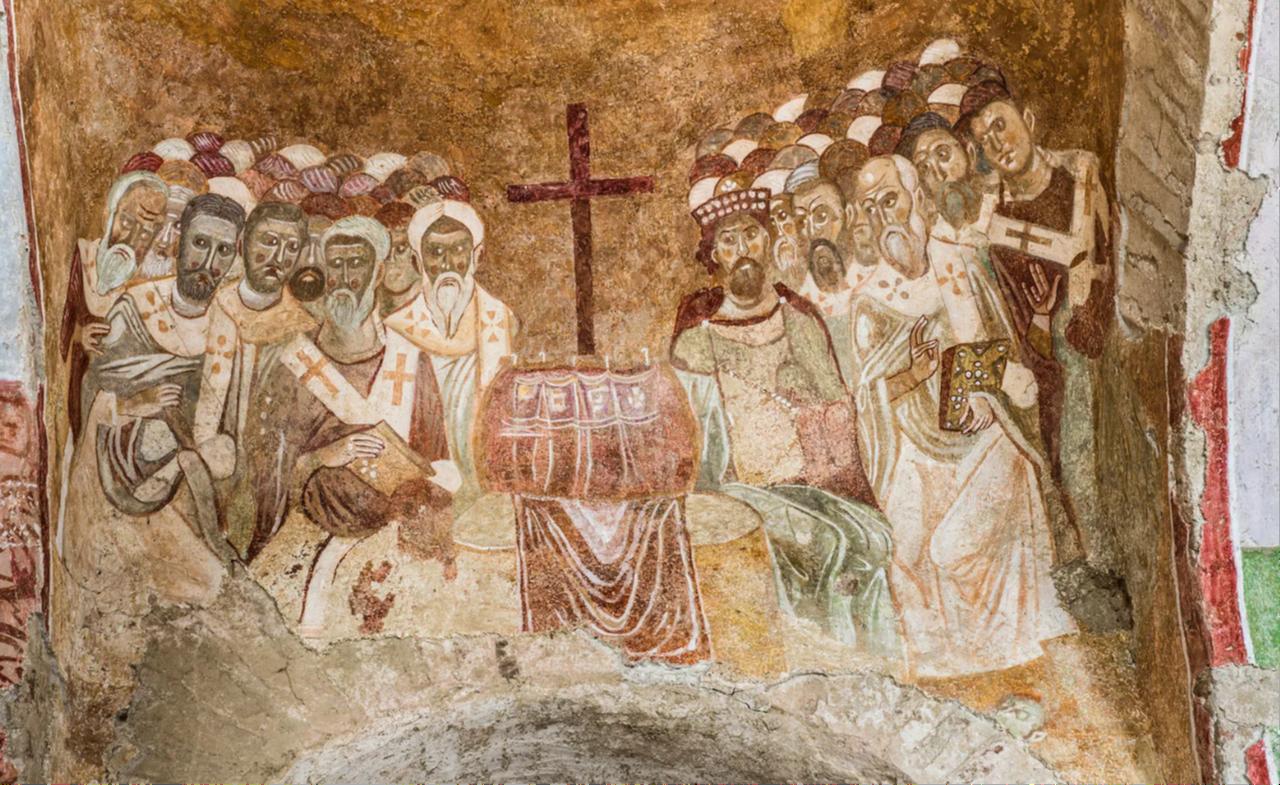

Held in 325 at Nicaea (today’s Iznik), then a key city in the Roman province of Bithynia, the First Council of Nicaea is regarded as the first ecumenical council of the Christian world.
Summoned by Emperor Constantine, it brought together around 200 bishops from across the Roman Empire to address a theological dispute known as Arianism, which challenged how the early Church understood the divine nature of Prophet Jesus.
The council produced the Nicene Creed, a statement of faith that is still recited today by Catholics, Orthodox Christians and many Protestants as a shared confession. It also ruled on practical questions such as how to calculate the date of Easter, laying early foundations for unity in both doctrine and worship.
However, contemporary written sources say little about the exact place where the bishops met. The fourth-century historian Eusebius of Caesarea simply notes that the council took place in a “small church” within Nicaea, without identifying its precise location. For centuries, that “small church” remained an unresolved detail in the story of one of Christianity’s defining gatherings.
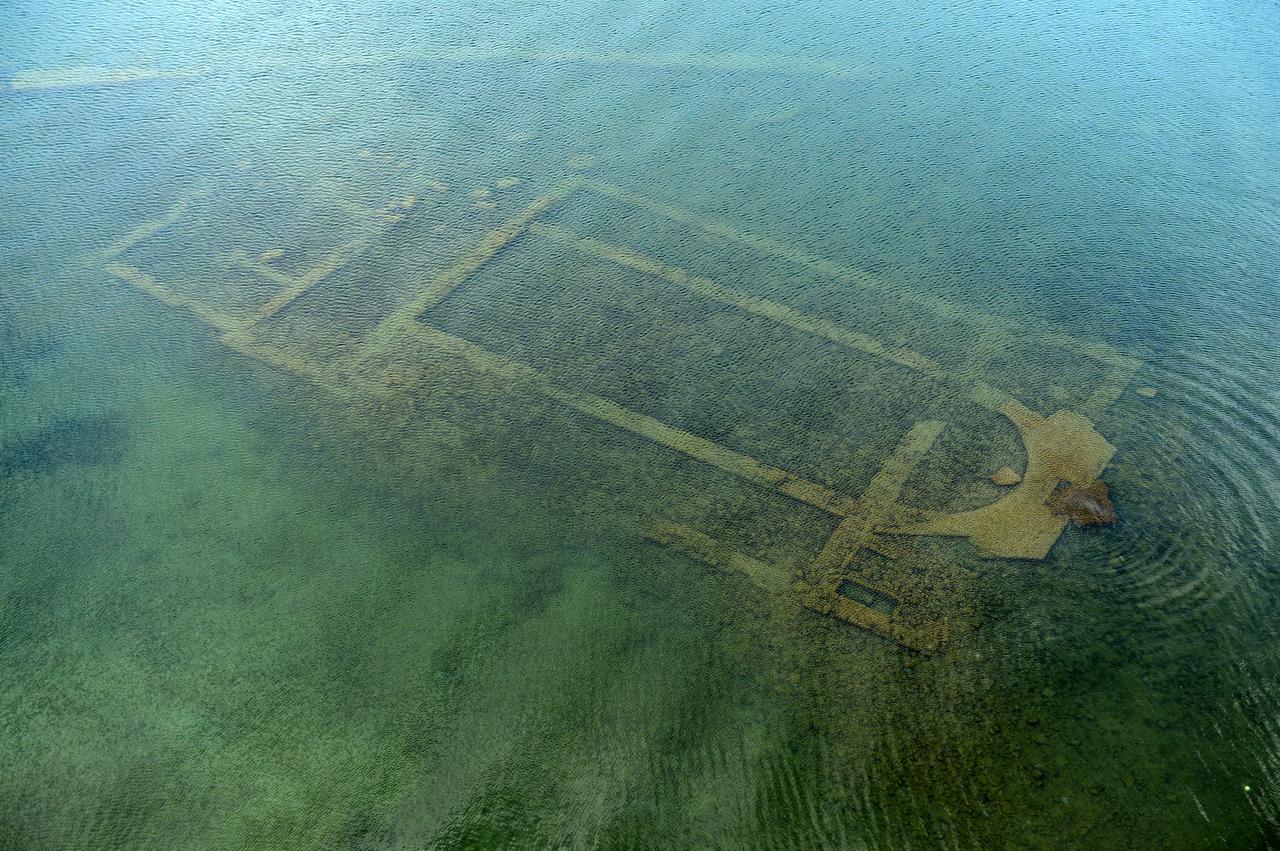
The turning point came in 2014, when aerial photographs commissioned by Bursa Metropolitan Municipality revealed the outline of a building beneath the shallow waters off the northern shore of Lake Iznik. Subsequent underwater surveys led by archaeologist Professor Mustafa Sahin of Uludag University showed that the structure was a late antique church basilica.
Research linked the remains to Saint Neophytos, a sixteen-year-old Christian said to have been martyred on the lakeshore in 303 during persecutions under emperors Diocletian and Galerius. Archaeologists concluded that the first building on the site was a modest chapel or cemetery dedicated to Neophytos, constructed shortly after Christianity was legally recognized in 313.
According to the excavation team, this early chapel was destroyed in an earthquake in 358, then rebuilt on a much larger scale from the 380s onwards as a three-aisled basilica measuring roughly 20 by 40 meters. This second-phase structure has been identified as the largest known church in the Iznik region and is widely seen as a candidate for the “Church of the Holy Fathers” mentioned in Byzantine sources.
The basilica stands outside the city walls, on an exposed stretch of lakeshore with no defensive advantages. Researchers explain this unusual choice of location by pointing to the double sanctity of the spot: it marked both the martyrdom of Neophytos and, they argue, the meeting place of the First Council.
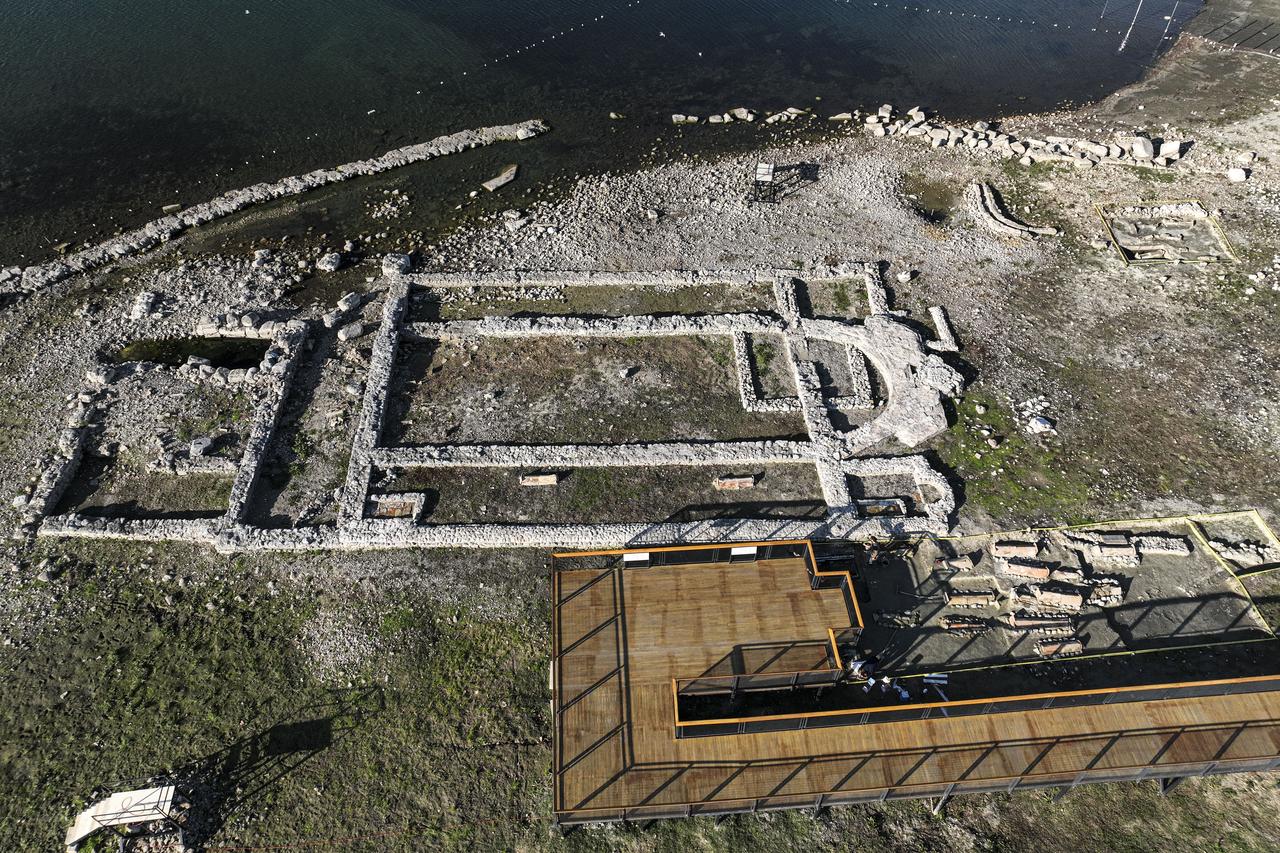
The basilica’s life above water came to an abrupt end in the eighth century. A major earthquake in 740 is believed to have destroyed the building and caused it to sink into the lake, where it lay largely forgotten on the lakebed for more than a millennium.
Local people reportedly noticed parts of the structure when water levels dropped in the 20th century, but only in the last decade has the site been fully documented.
Recent falls in the lake’s level, partly linked to climate change, have made the apse and some foundation walls visible from the shore in dry periods. Residents recall swimmers standing on the submerged stones to rest, unaware they were treading on the remains of a major late antique church.
The dramatic reappearance of the structure has now placed Iznik once again in the spotlight of the Christian world.
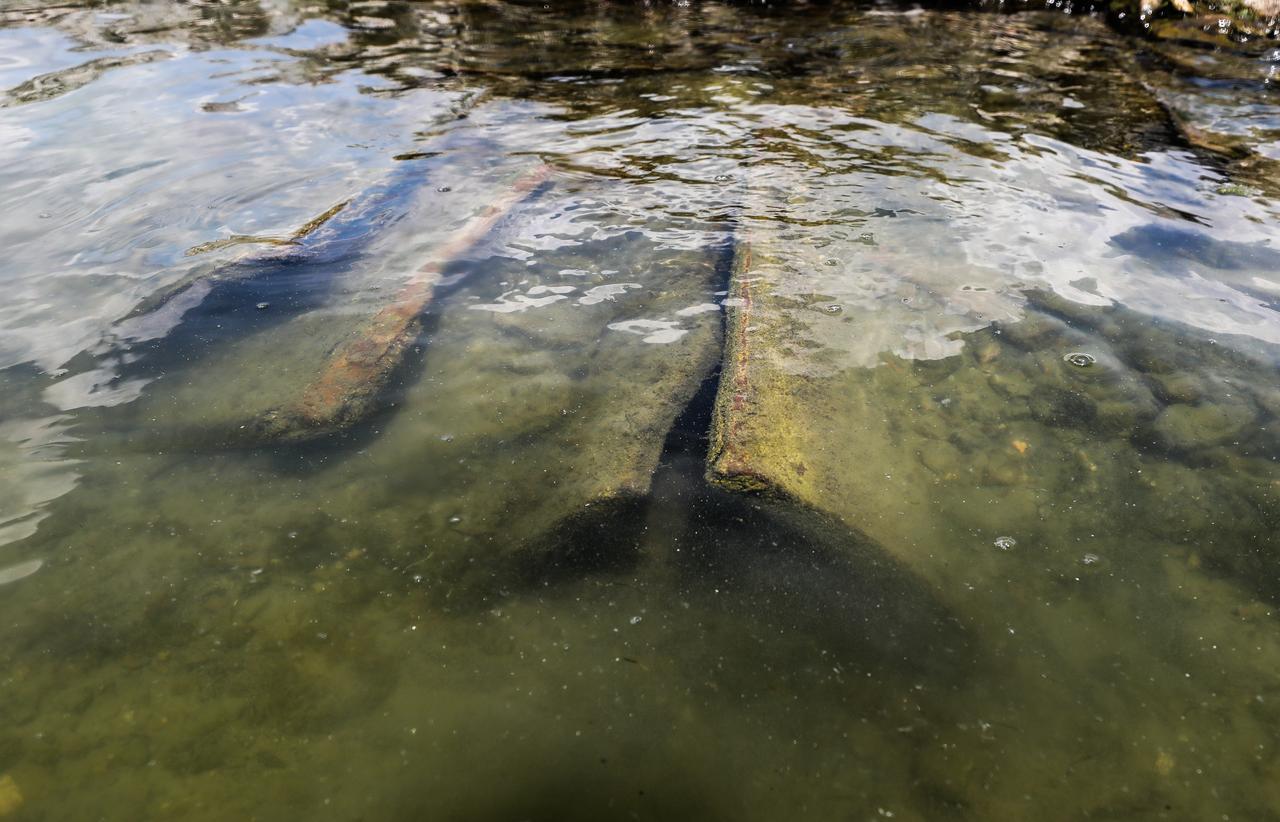
Professor Sahin and his team argue that the submerged basilica stands directly over the “small church” where the First Council of Nicaea originally convened. In their interpretation, the early Neophytos chapel on the lakeshore is the building mentioned by Eusebius, later replaced by the larger basilica.
This reading is supported by early medieval written accounts. The English monk Willibald, visiting Iznik in the eighth century, and Gregory of Caesarea, writing in the ninth century, both refer to a church known as the “Church of the Holy Fathers” standing on the site where the council had taken place. The name recalls the bishops who attended the council, commonly honored in Christian tradition as “holy fathers.”
The basilica’s unusual scale, its position by the lake rather than within the city walls, and its identification with this later “Holy Fathers” church all align with the idea that it was deliberately built on the council’s original meeting place. In interviews with Anadolu Agency (AA), Professor Sahin has argued that only a location carrying such layered sacred significance could justify a basilica of this size in such an exposed spot, insisting that “the small church Eusebius mentions must be the Neophytos church on the lake shore.”
Official statements cited in Turkish and international media describe the basilica as possibly standing “on the very place where the decisive meeting of 325 was held,” a formula that highlights both the strength of the case and the scholarly caution that still surrounds it.
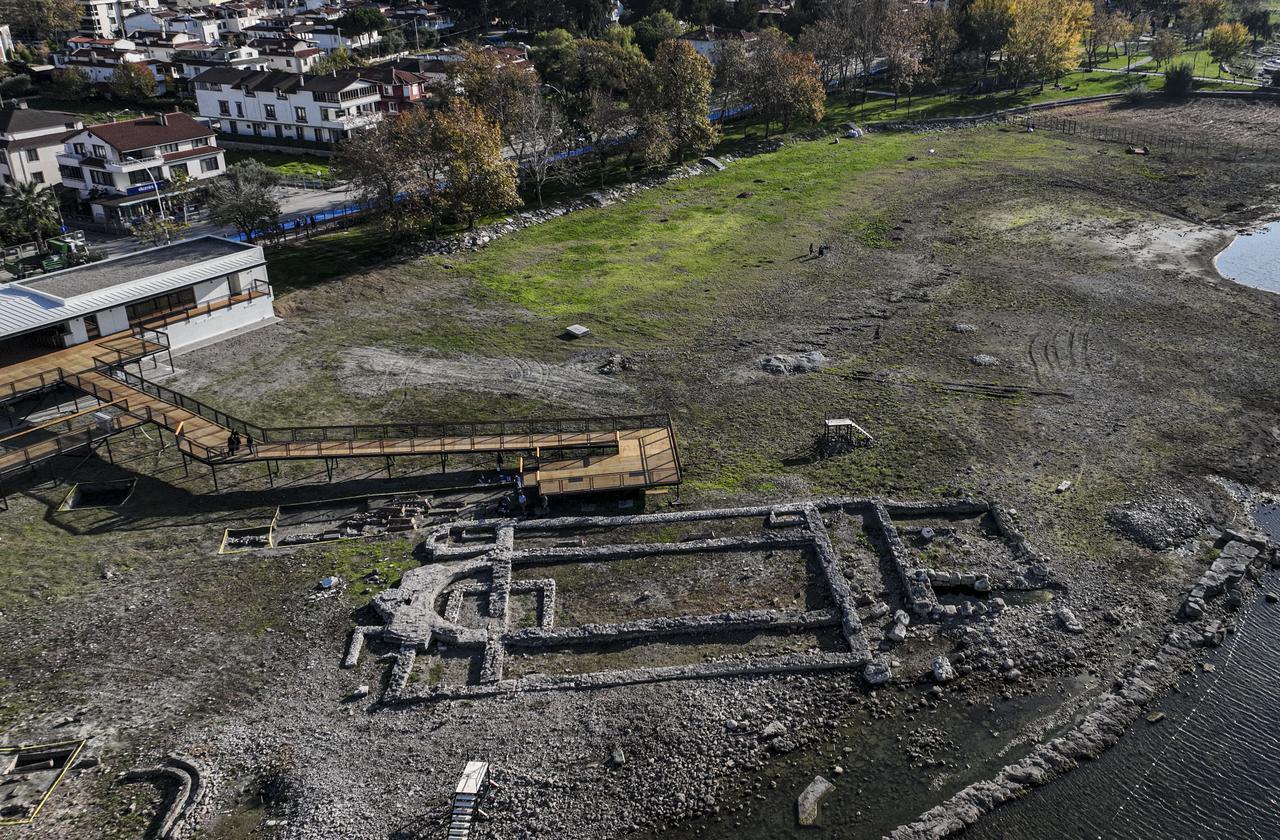
What began as an underwater excavation project in 2015 has now turned into a fully established open-air museum, officially recognized by the Ministry of Culture and Tourism and supported by Bursa Metropolitan Municipality.
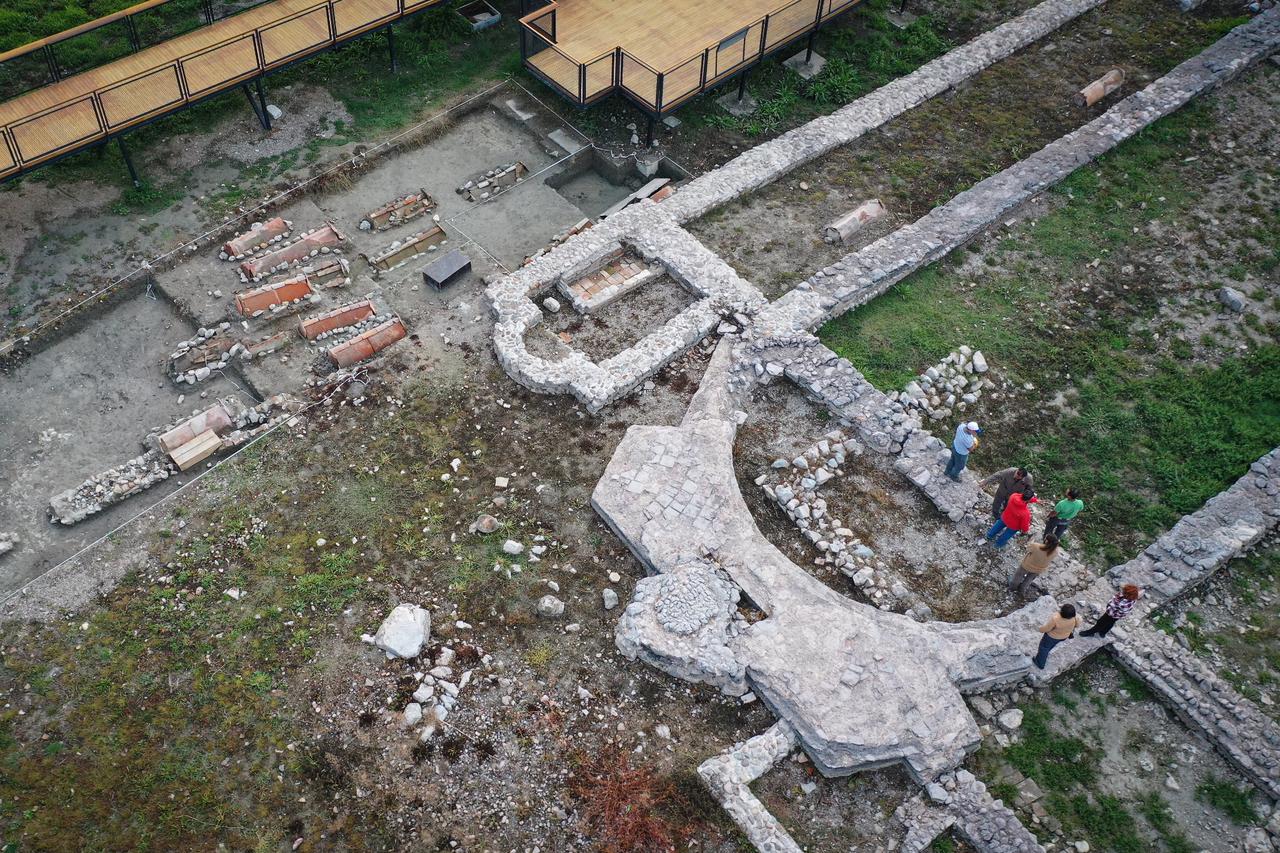
The Sunken Basilica of Saint Neophytos, once accessible only to archaeologists and trained divers, is today presented as a protected heritage zone where visitors can observe the structure from purpose-built platforms along the shoreline.
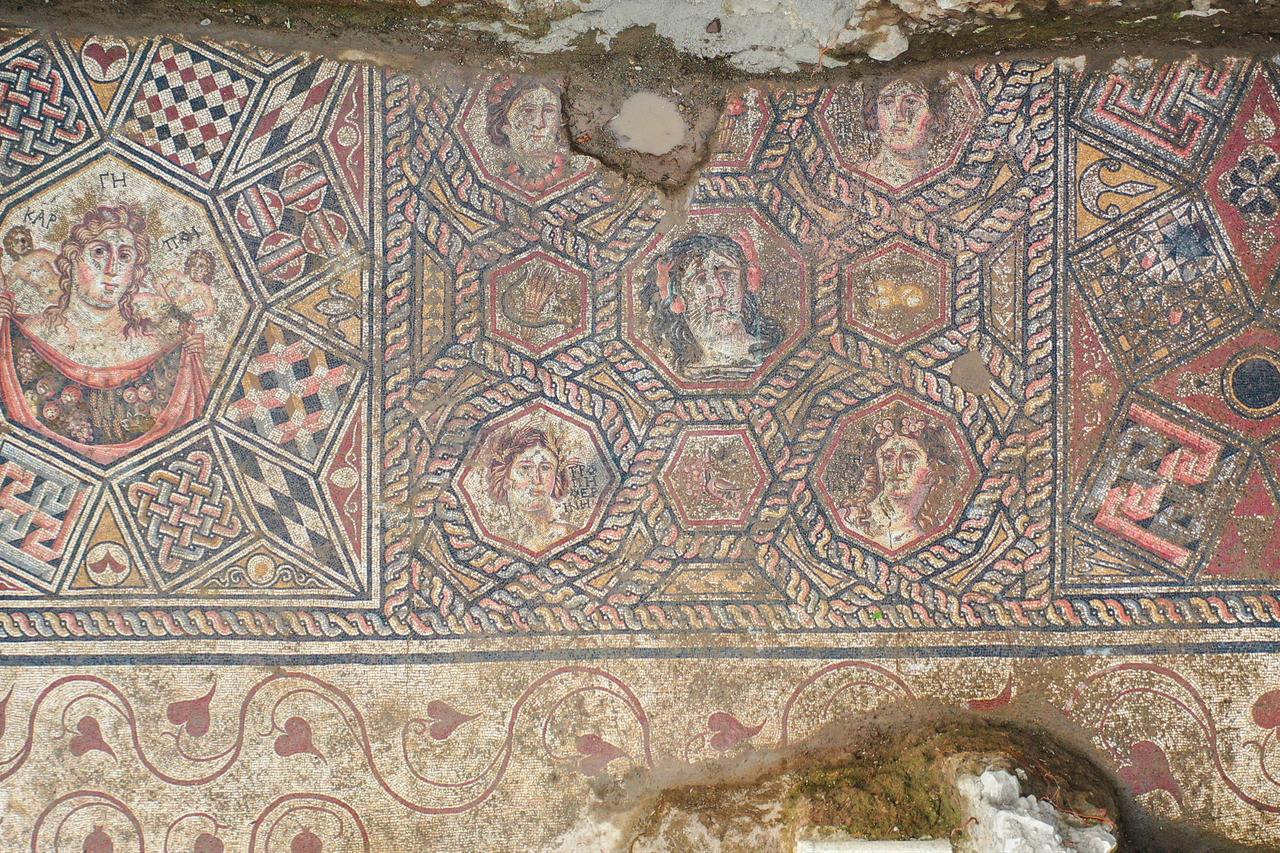
Divers mapping the site over the years revealed a three-aisled basilica with a prominent apse, sturdy longitudinal walls, floor pavements, and column bases still in place.
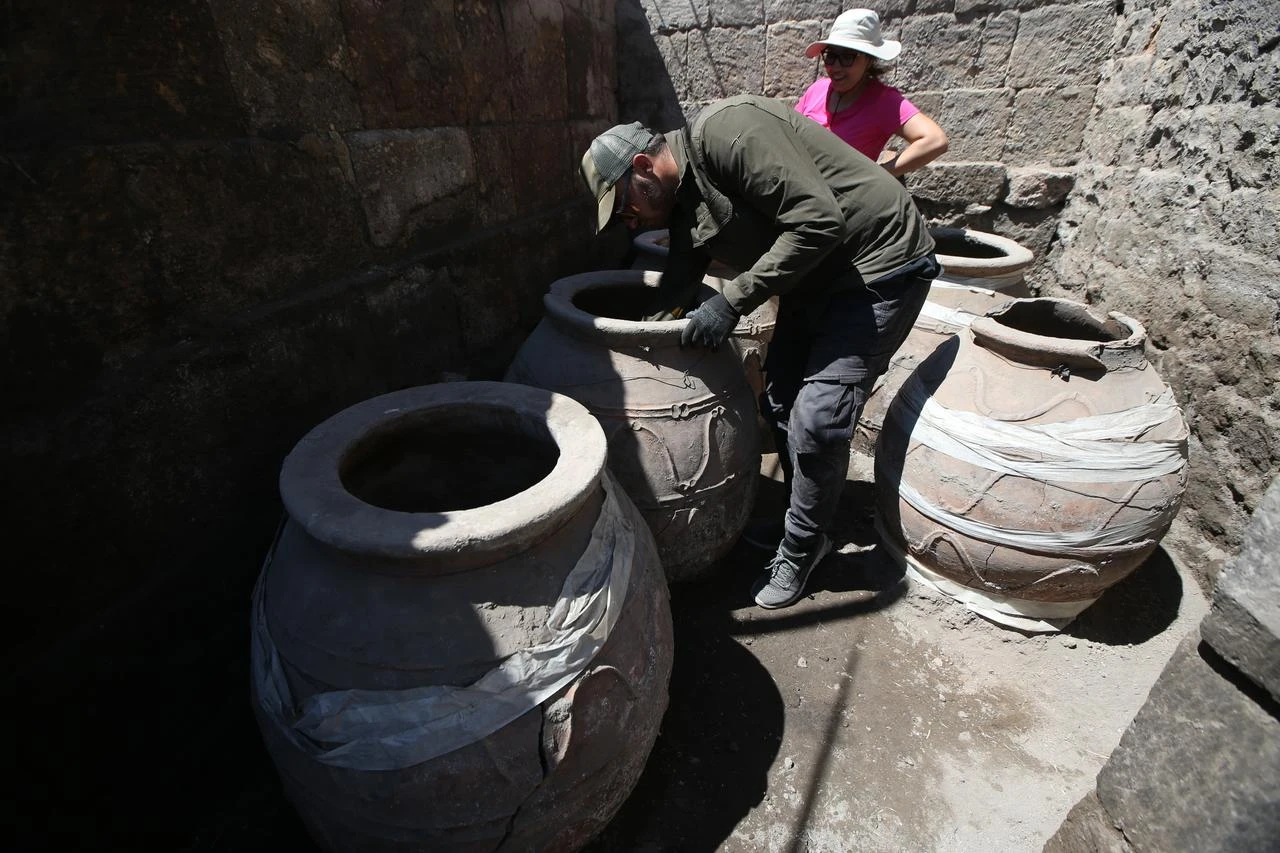
The team also documented 37 burials inside and around the church, understood as early Christian graves. These remains—including skeletons and sarcophagi—were carefully recorded and then preserved in situ, allowing the museum to display them exactly where they lay for more than a millennium.
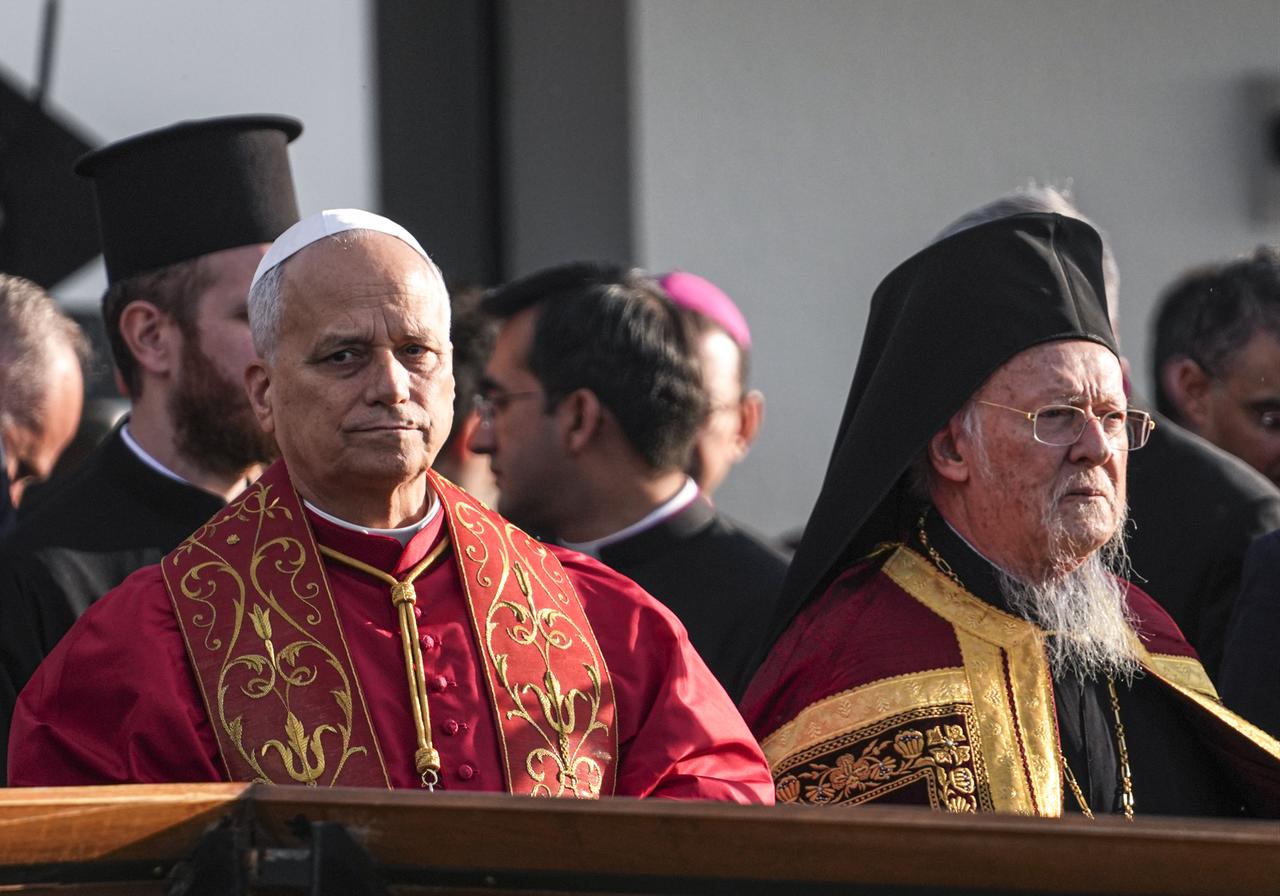
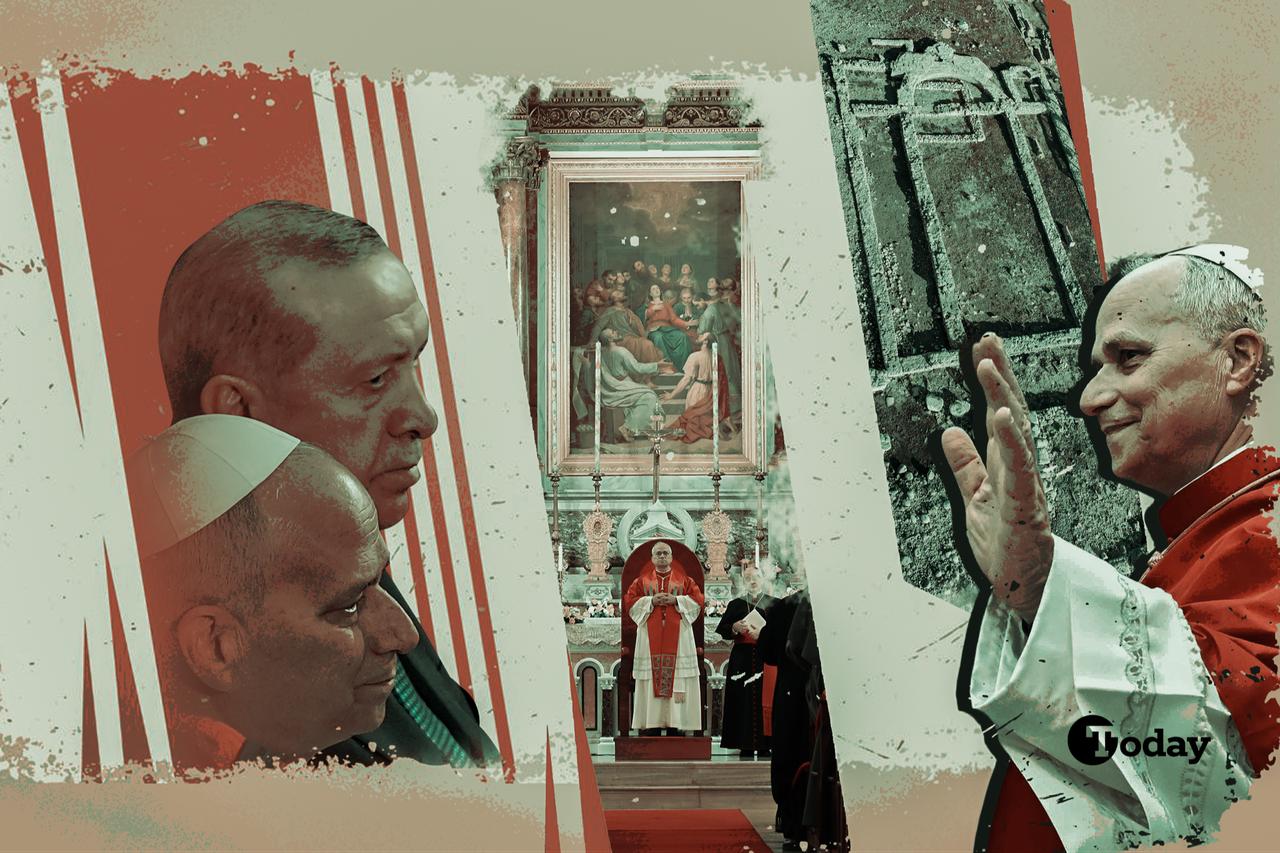
The debate over the basilica’s identity gained a new global dimension in 2025, the 1700th anniversary of the council. Newly elected Pope Leo XIV, described as the first American pope, chose the Iznik commemoration as the destination for his first trip abroad after his election in September.
At the end of November, the pope travelled to Iznik by helicopter under tight security, in what observers noted was the first papal visit in history to the city of the council and its presumed meeting place.
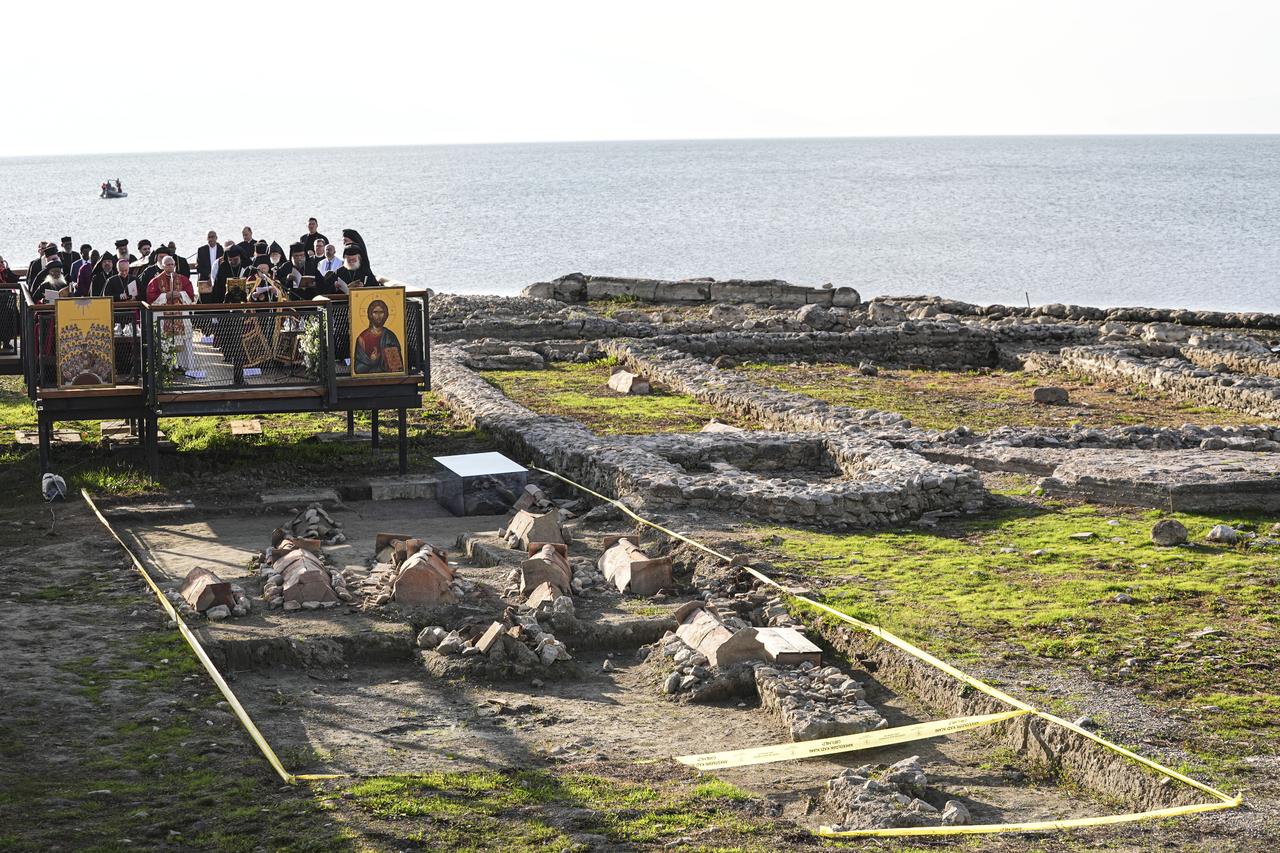
Pope Leo walked onto the platform together with Patriarch Bartholomew of Constantinople, accompanied by other church leaders representing Catholic, Orthodox, and Protestant communities. Icons depicting Prophet Jesus and the Council of 325 were carried ahead of them, while choirs chanted hymns.
The leaders lit symbolic lamps beside the icons and then joined in an ecumenical prayer service over the submerged basilica.


 Set as preferred source
 Set as preferred source


 1 min read
 1 min read