Newsletters


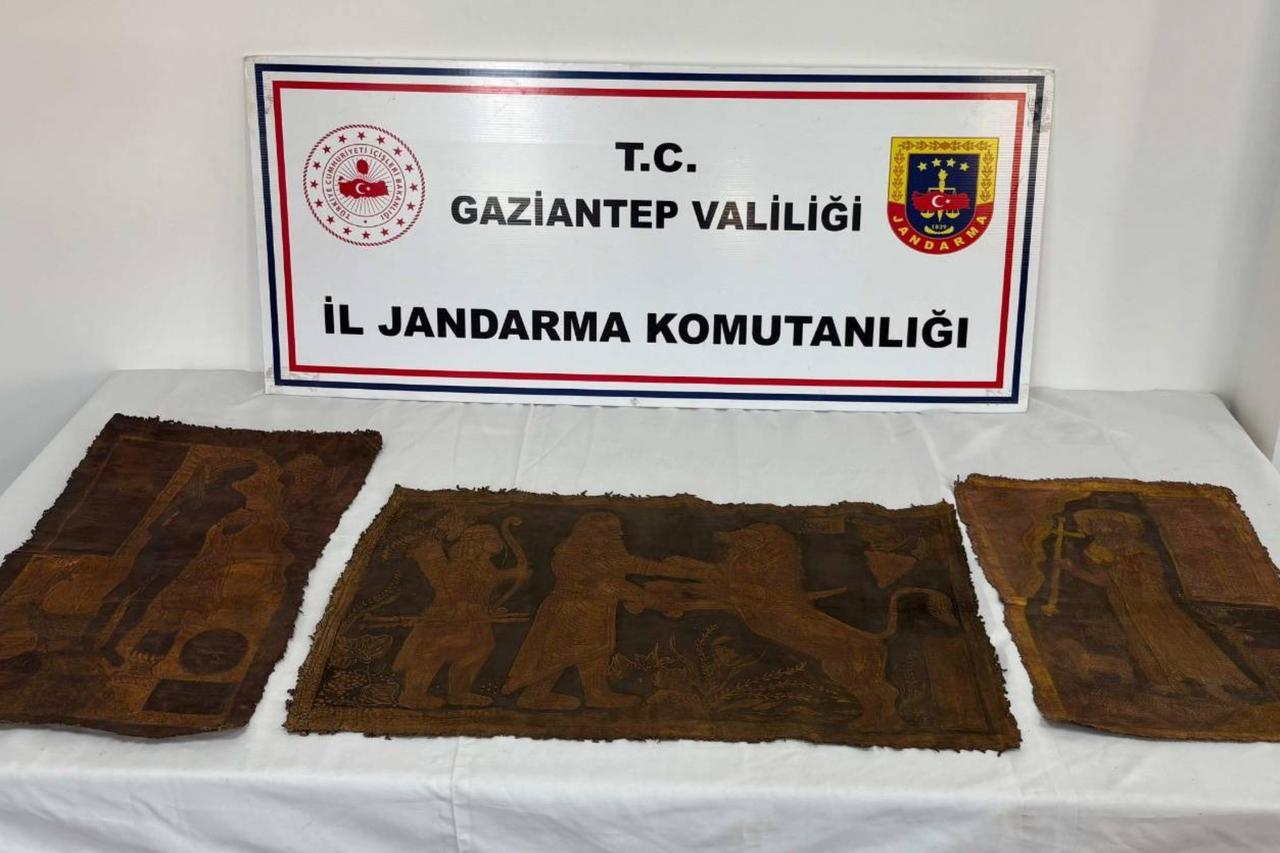


Turkish security forces have seized several items described as historical artifacts carrying Hebrew, Syriac or Arabic-Hebrew inscriptions since January, with the latest operation taking place in Gaziantep, where three unframed leather panels with gold Hebrew writing were recovered.
The latest seizure was carried out in the Nizip district of Gaziantep, according to a statement by the governorate. Provincial gendarmerie teams, a military law enforcement force responsible for security in rural areas, had been carrying out efforts to prevent fraud-related incidents.
Authorities determined that two suspects, identified by the initials E.C. and A.E., were allegedly looking for buyers for panels and objects considered to be historical artifacts. During searches on the suspects and in their vehicle, teams seized three unframed leather panels measuring 54x43, 70x45 and 86x49 centimeters.
The panels were described as being made of leather and carrying gold Hebrew inscriptions. The two suspects were taken into custody, and their procedures at the gendarmerie were reported to be ongoing.

The Gaziantep operation followed several similar cases reported in different provinces of Türkiye during the first months of 2026.
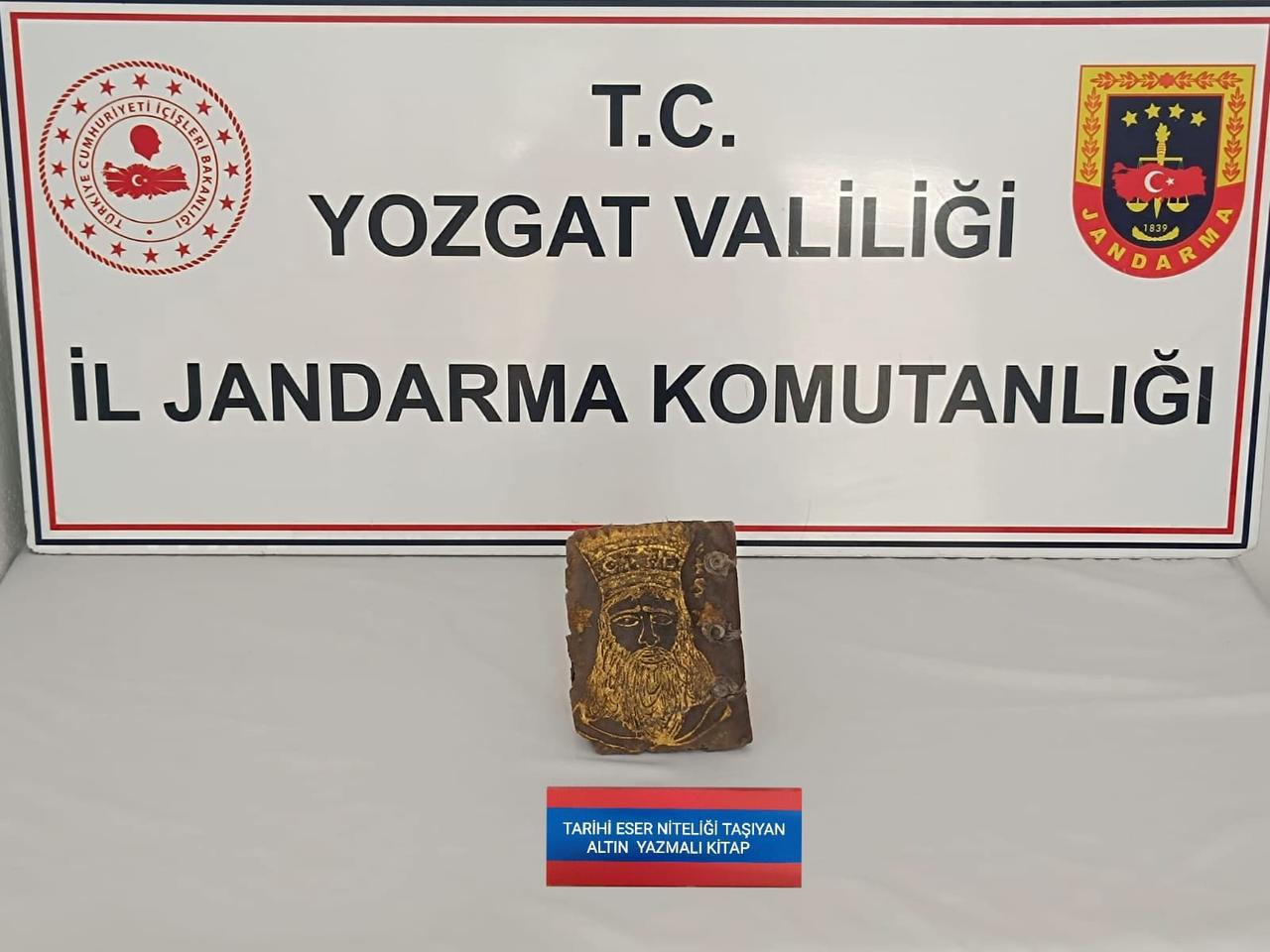
In Yozgat’s Sorgun district, three suspects were caught while allegedly trying to sell a priceless historical book written in gold. Authorities said the seized item included Syriac and Hebrew gold inscriptions, gold ornamentation and 13 pages containing information related to Christianity.
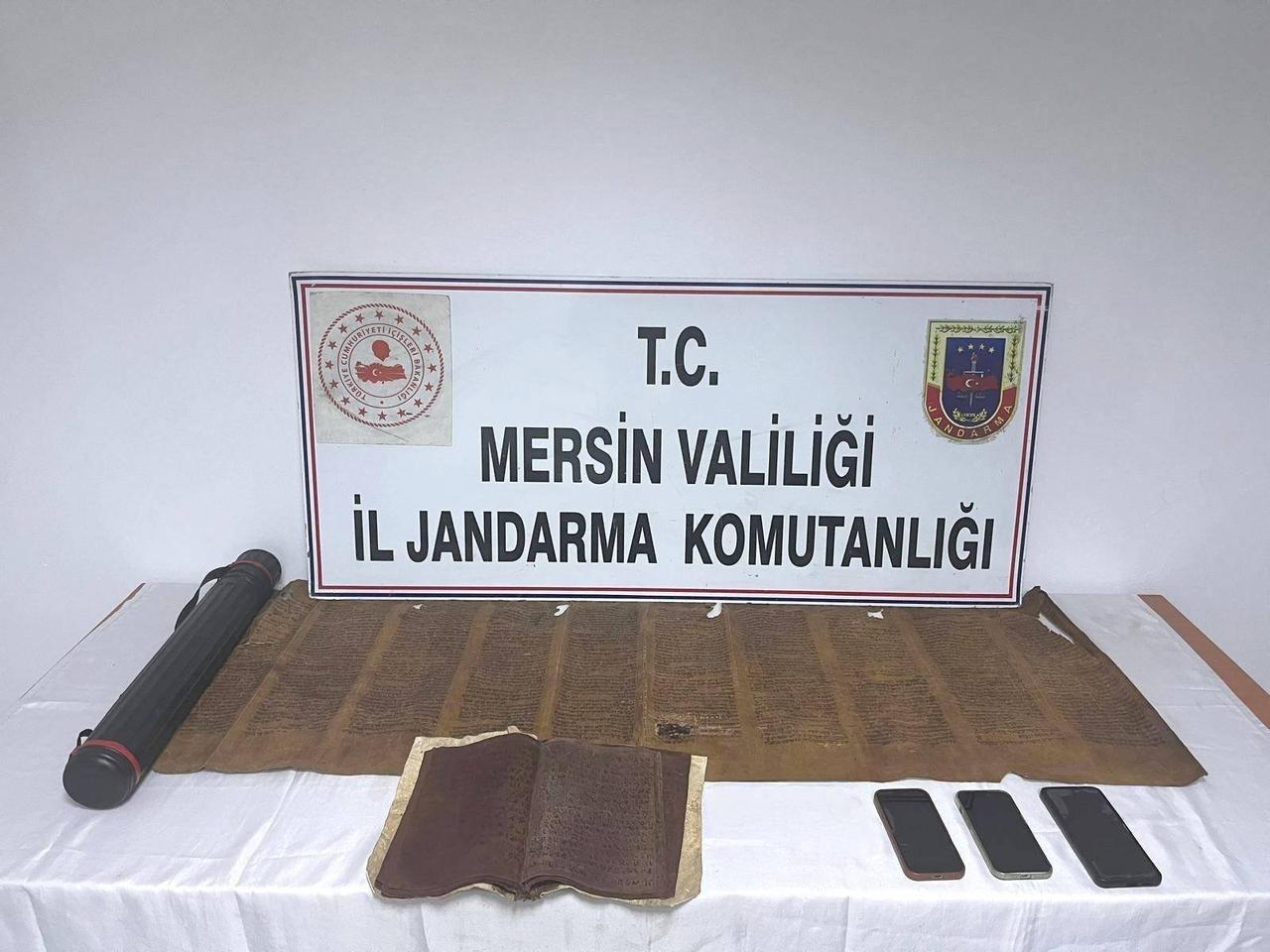
In Mersin’s Tarsus district, gendarmerie teams detained two suspects during an anti-smuggling operation. A 24-page Torah, a handwritten panel on leather and three mobile phones were seized from a vehicle.
The items were handed over to a museum for examination, while the suspects’ procedures continued.
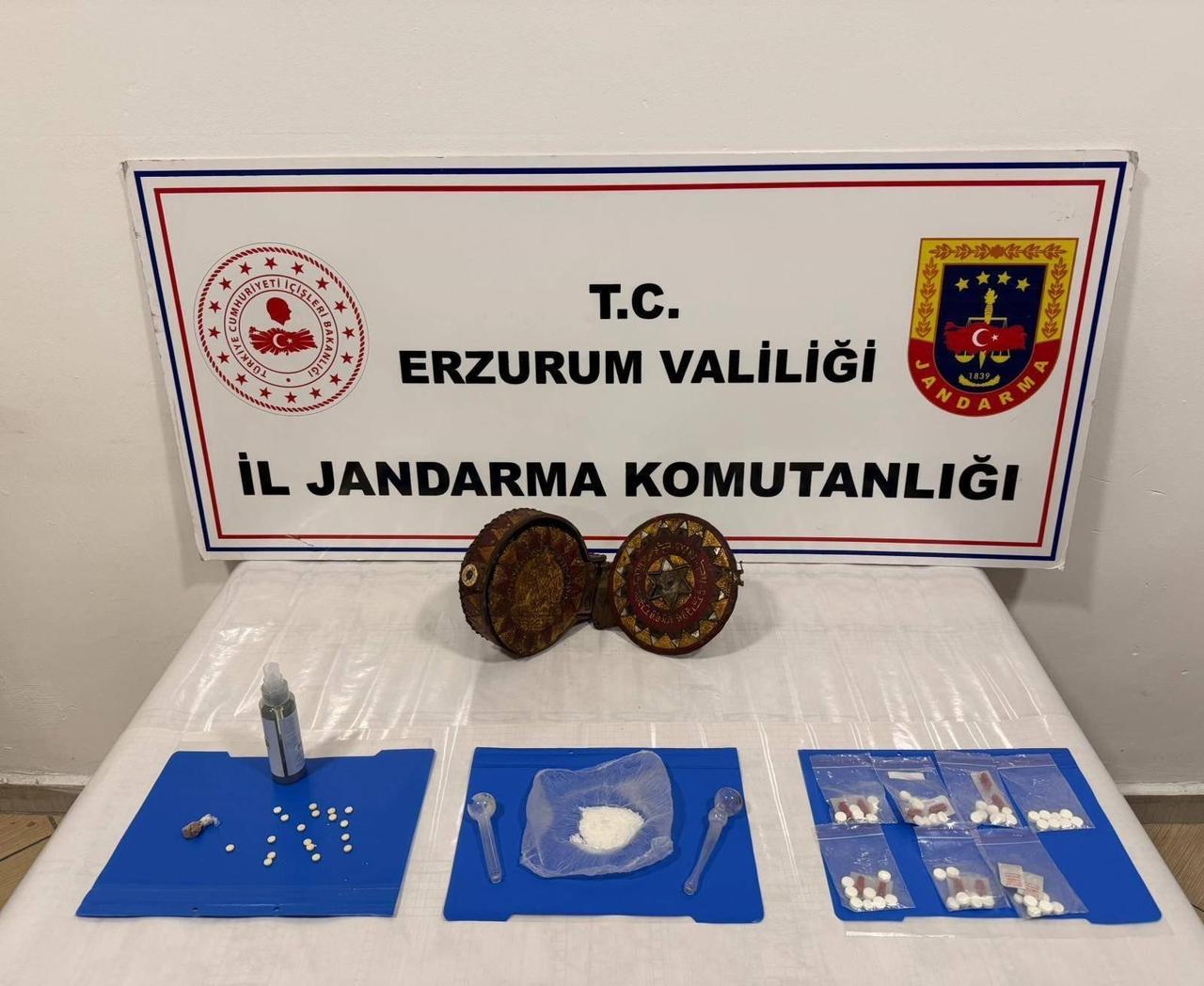
In Erzurum, gendarmerie teams stopped a vehicle at a road checkpoint in Cat district as part of an operation carried out in coordination with the local prosecutor’s office.
During searches, officers seized narcotics as well as a Torah written on gazelle skin with gold ornamentation. Two suspects were later arrested on drug trafficking charges.
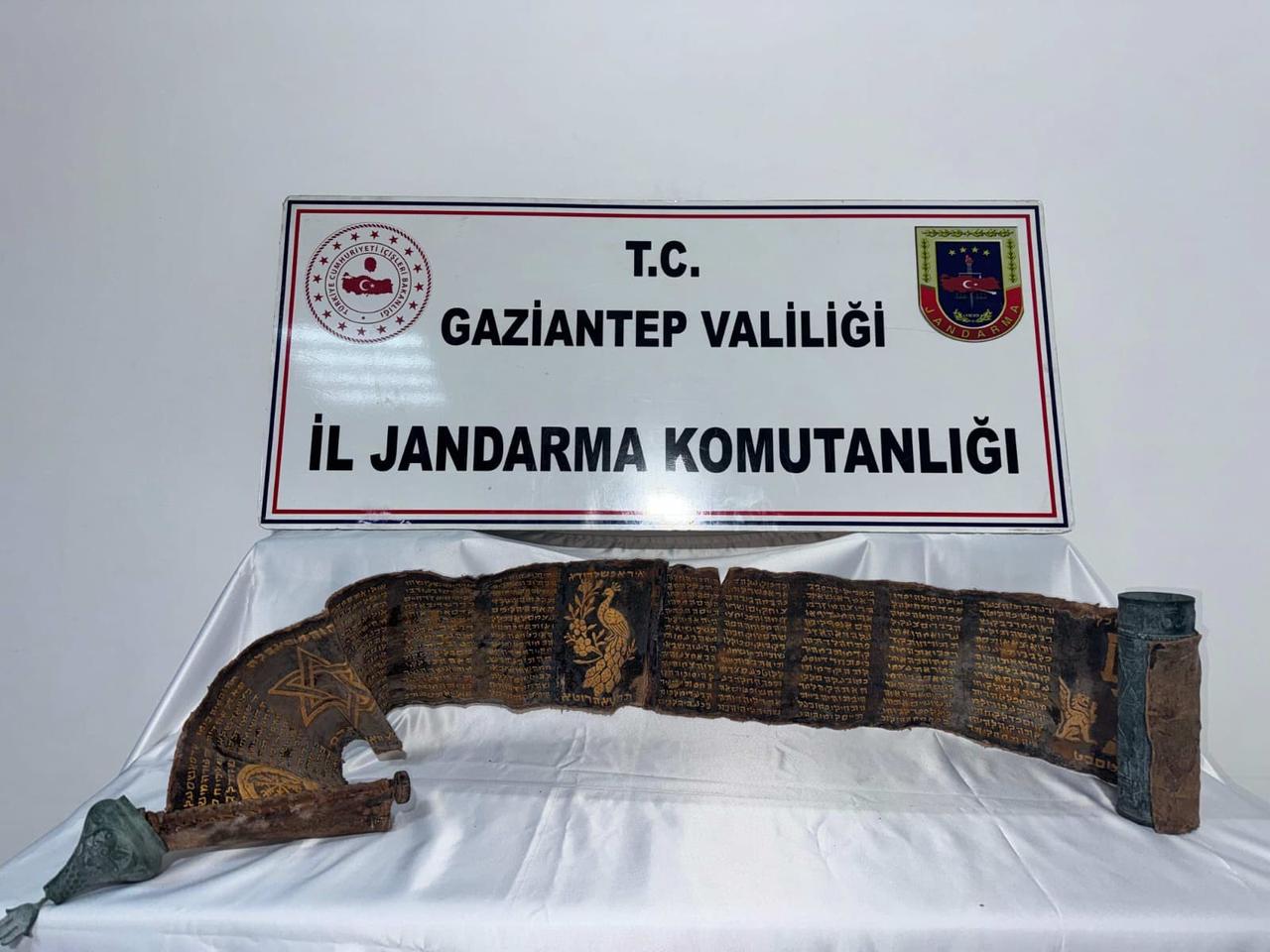
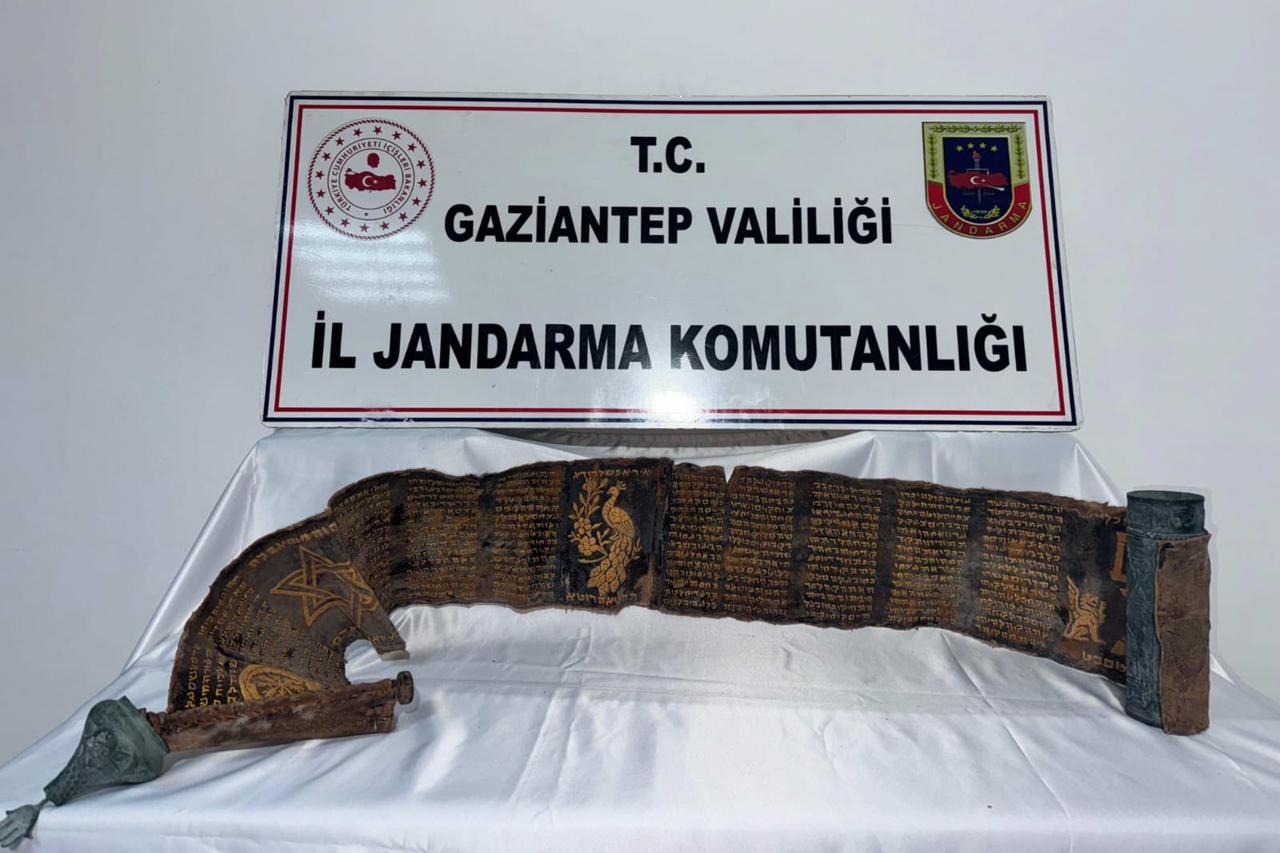
Gaziantep also saw another related operation in April. In Sehitkamil district, gendarmerie teams detained a foreign national identified as A.E. after determining that he was allegedly involved in illegal excavations and seeking buyers for a historical book and other objects.
Searches uncovered a roughly 2-meter-long book made of python skin with gold Hebrew writing, along with a copper case used to keep it rolled up.
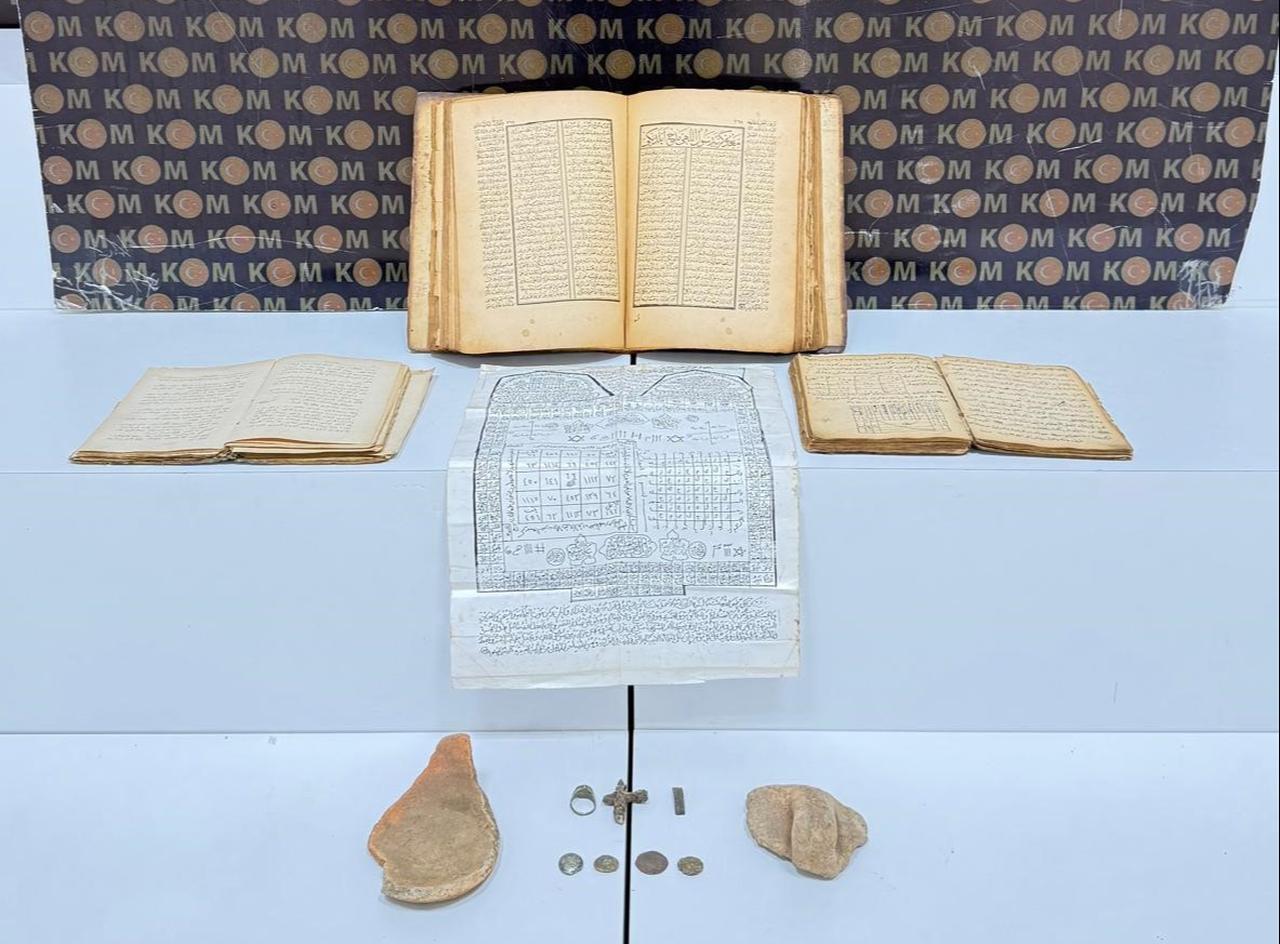
Another case was reported in Ordu’s Korgan district in January, when police teams carried out an anti-smuggling operation at a residence. Officers seized three books considered to be historical artifacts, one document believed to include Arabic-Hebrew inscriptions, a metal cross, three coins and five objects.
 1 min read
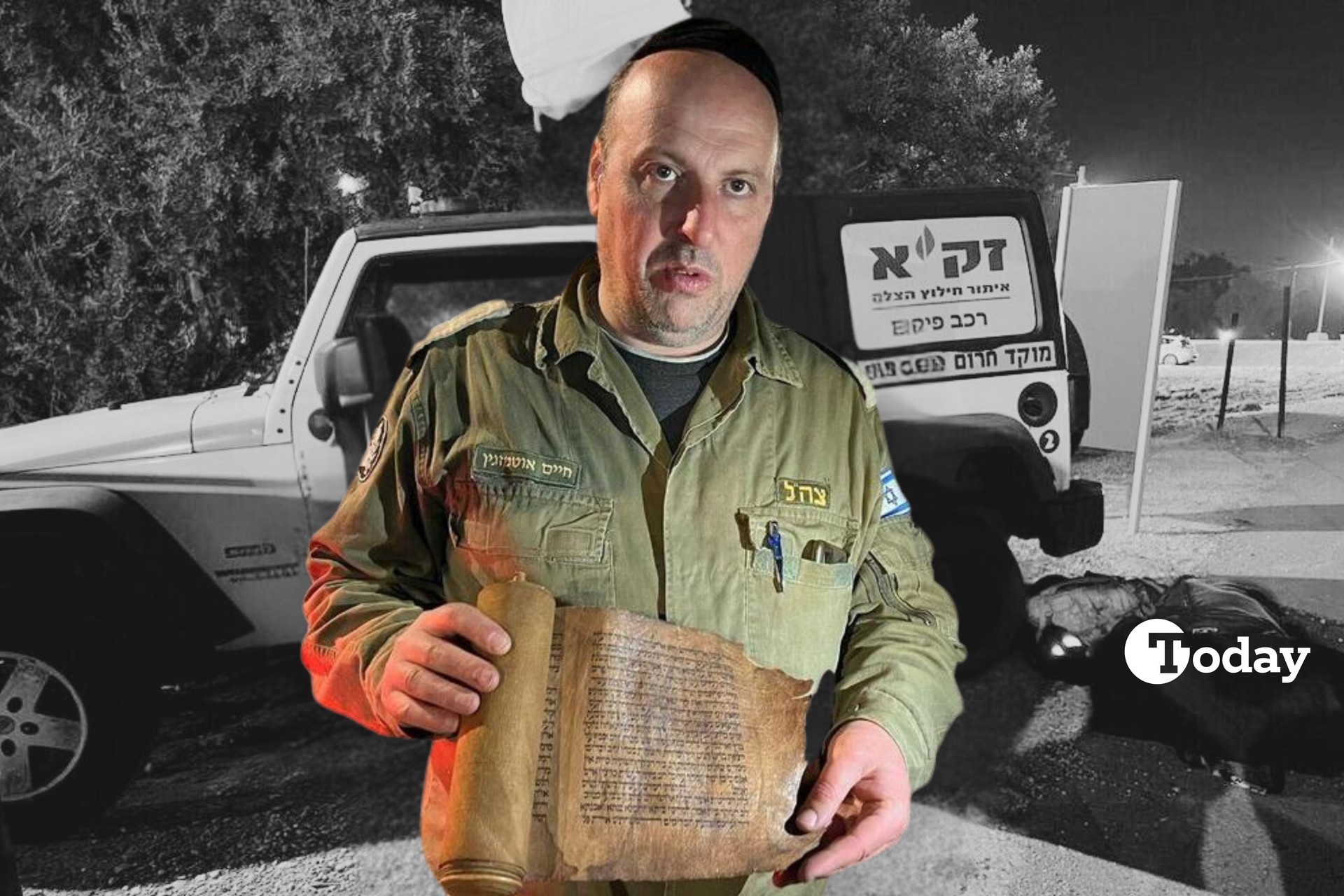
Experts say the repeated discovery of manuscripts, religious texts and inscribed objects reflects Anatolia’s long-standing role as a crossroads of civilizations, languages and faiths. They note that such items can carry cultural and historical value beyond their physical form, making their protection important for understanding the region’s shared past.
Recent operations across Türkiye also underline the continuing fight against artifact smuggling. Authorities aim to keep historically significant objects out of illegal markets and ensure that seized materials are examined through official institutions.


 Set as preferred source
 Set as preferred source


 1 min read