Newsletters


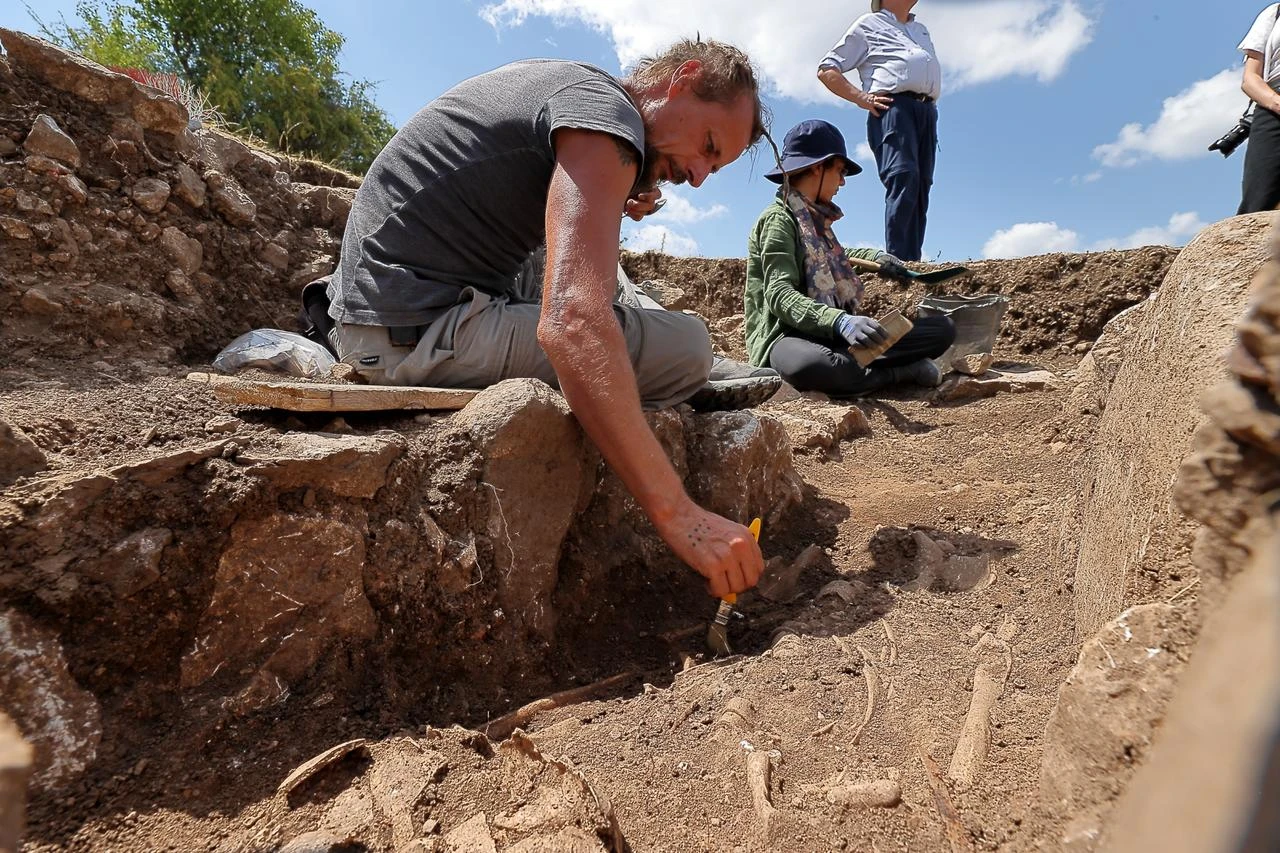
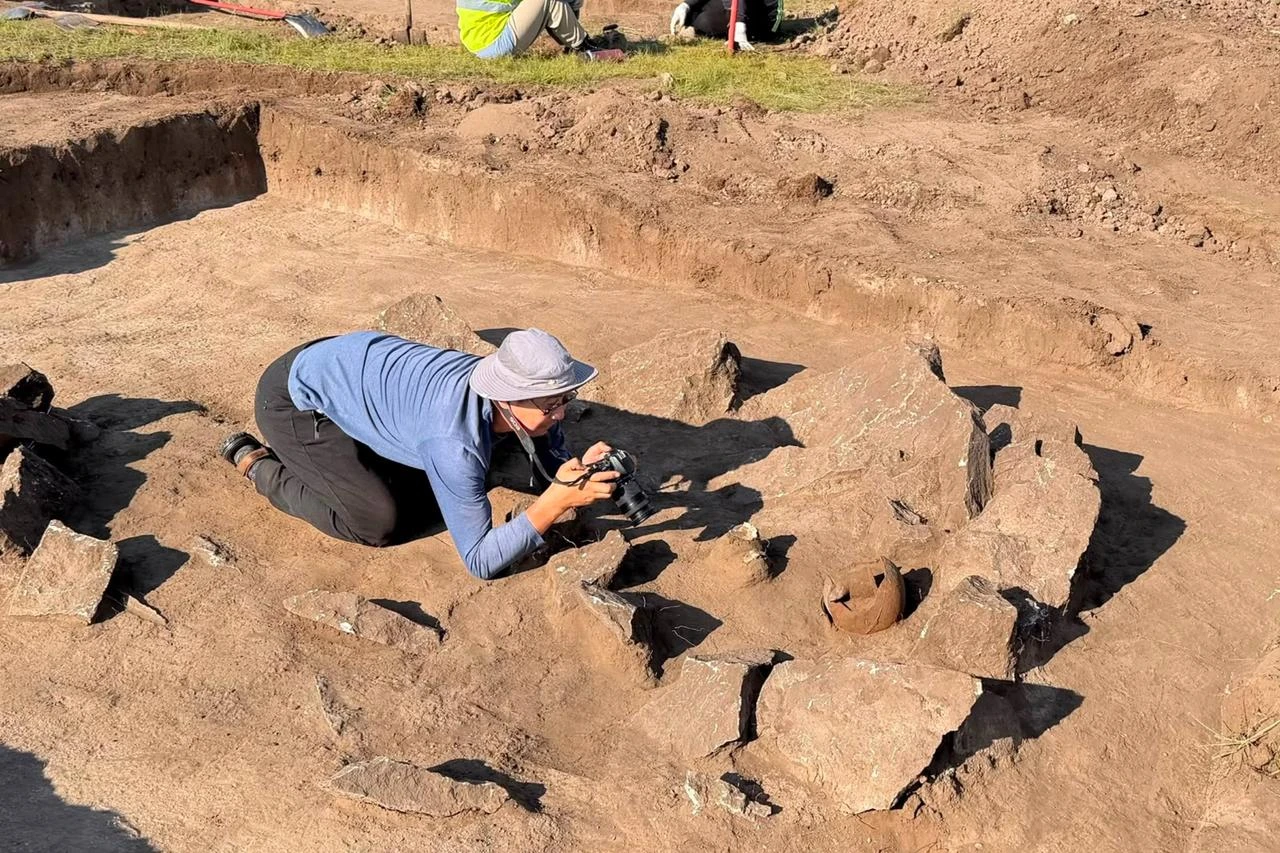
At the heart of the ongoing excavations at the Oymaagac Mound in Samsun, northern Türkiye, archaeologists have brought to light a striking underground spring linked to the ancient Hittite city of Nerik.
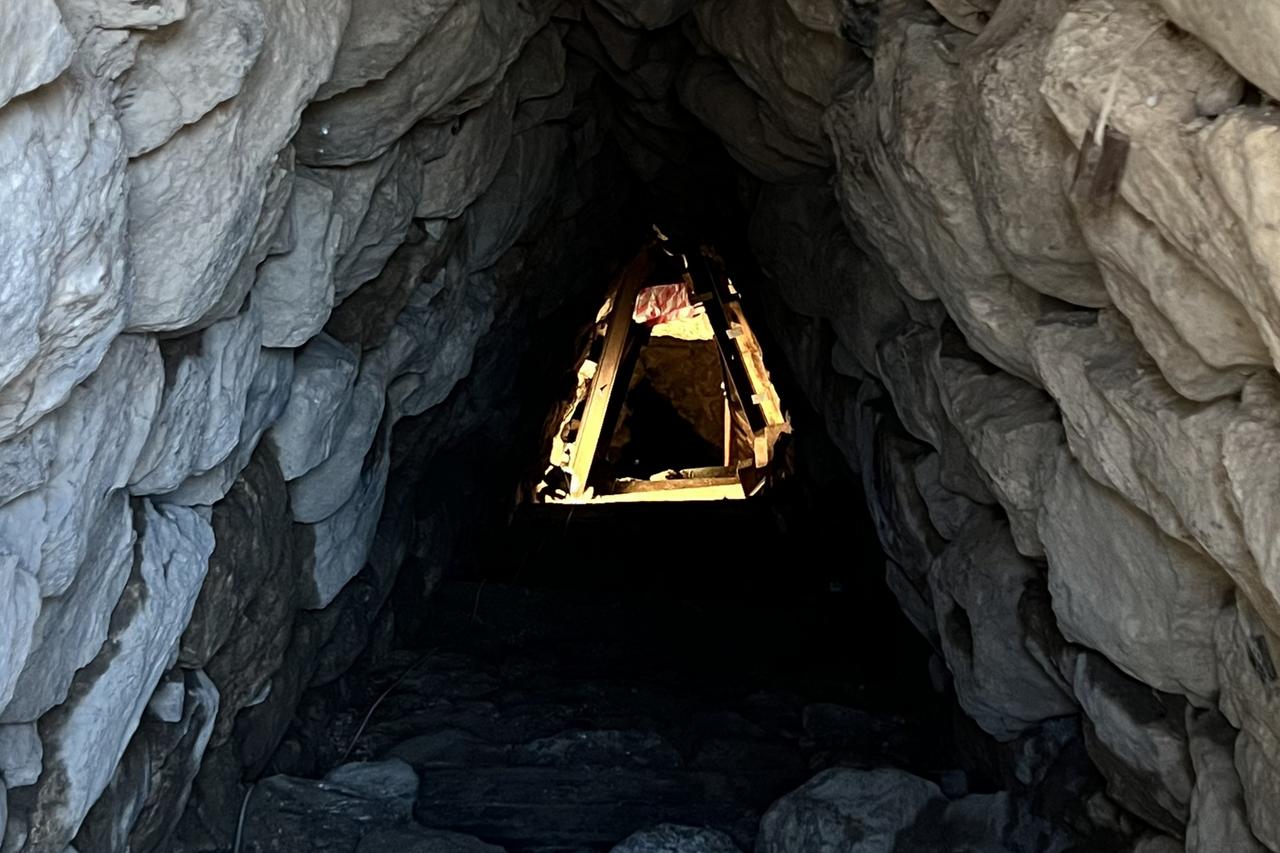
Reached through a tunnel descending 52 steps, the spring lies about eight meters below ground and stretches roughly 22 meters in length, offering a rare glimpse into ritual landscapes shaped over three millennia ago.
First identified in 2009 and fully excavated by 2019, the spring stands out not only for its architecture but also for its enduring presence.
Ancient texts describe it as “the beloved spring of the storm god,” referring to Teshub, one of the central deities in Hittite belief.

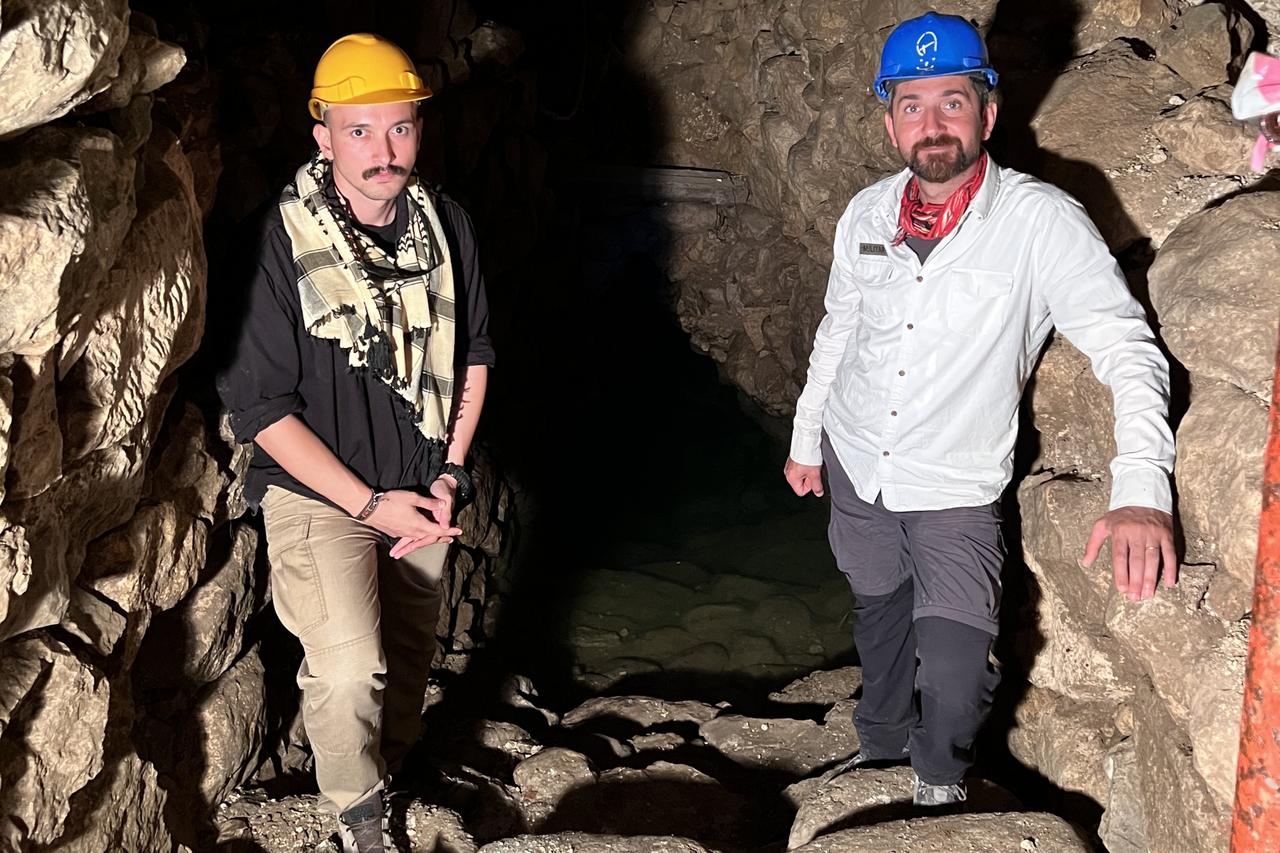
Speaking to Türkiye Today, Assoc. Prof. Mehmet Ali Yilmaz explained that the spring played a vital role in Hittite rituals, functioning as a key water source within a broader religious framework.
He noted that while the water today rises at a higher level, it had been more systematically channeled during the Hittite period, pointing to a controlled and intentional use of the resource.
Findings from within the water-filled structure further deepen its historical significance.
Wooden artifacts recovered from the muddy layers were radiocarbon dated to the late 10th century B.C., suggesting that the spring continued to be used well into the Iron Age, nearly 3,000 years ago. This continuity indicates that the site retained its importance even after the decline of the Hittite Empire.
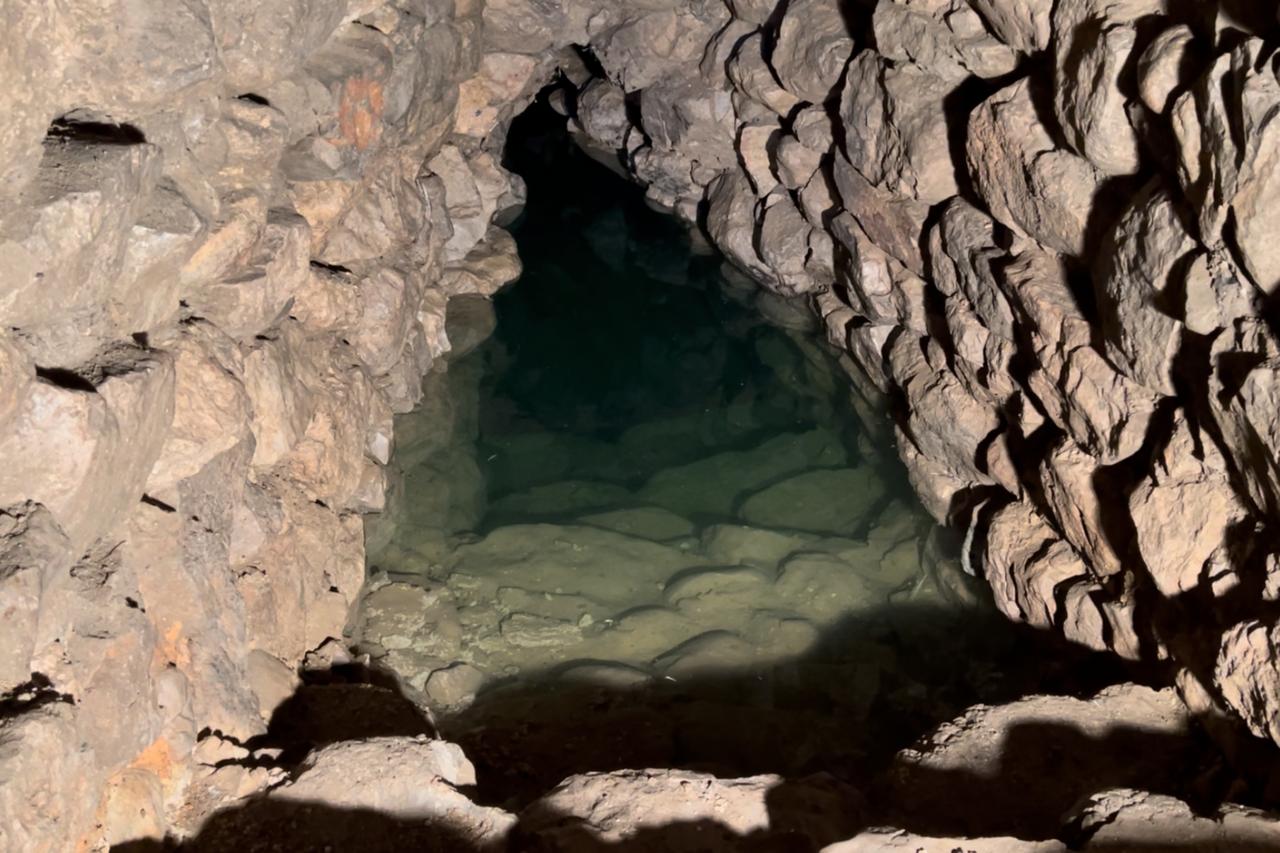
Yilmaz also underlined that the spring remains active today, with clear water continuing to rise and stabilize at its own level, even if the original architectural context behind the fountain has partly deteriorated. He described the structure as visually compelling, drawing attention not only through its design but also through the narratives attached to it.
Archaeologists currently see the spring through two main interpretations.
On one hand, it may have served as an emergency access point to water for the inhabitants of Nerik during times of danger.
On the other hand, and more likely, it functioned as a sacred space where rituals and ceremonies were held at specific times.
This interpretation aligns with Nerik’s status as a holy city within the Hittite world, where even the king is believed to have taken part in religious festivals.
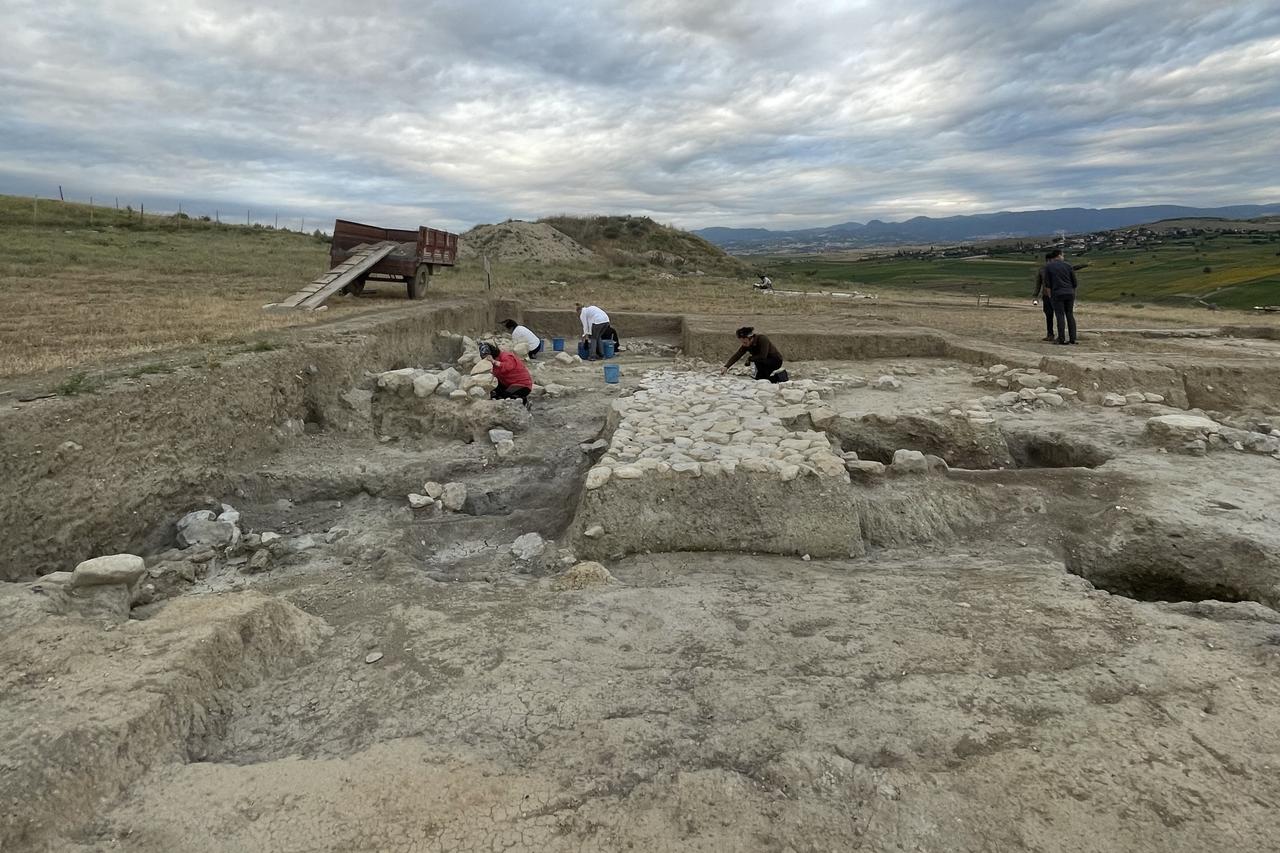
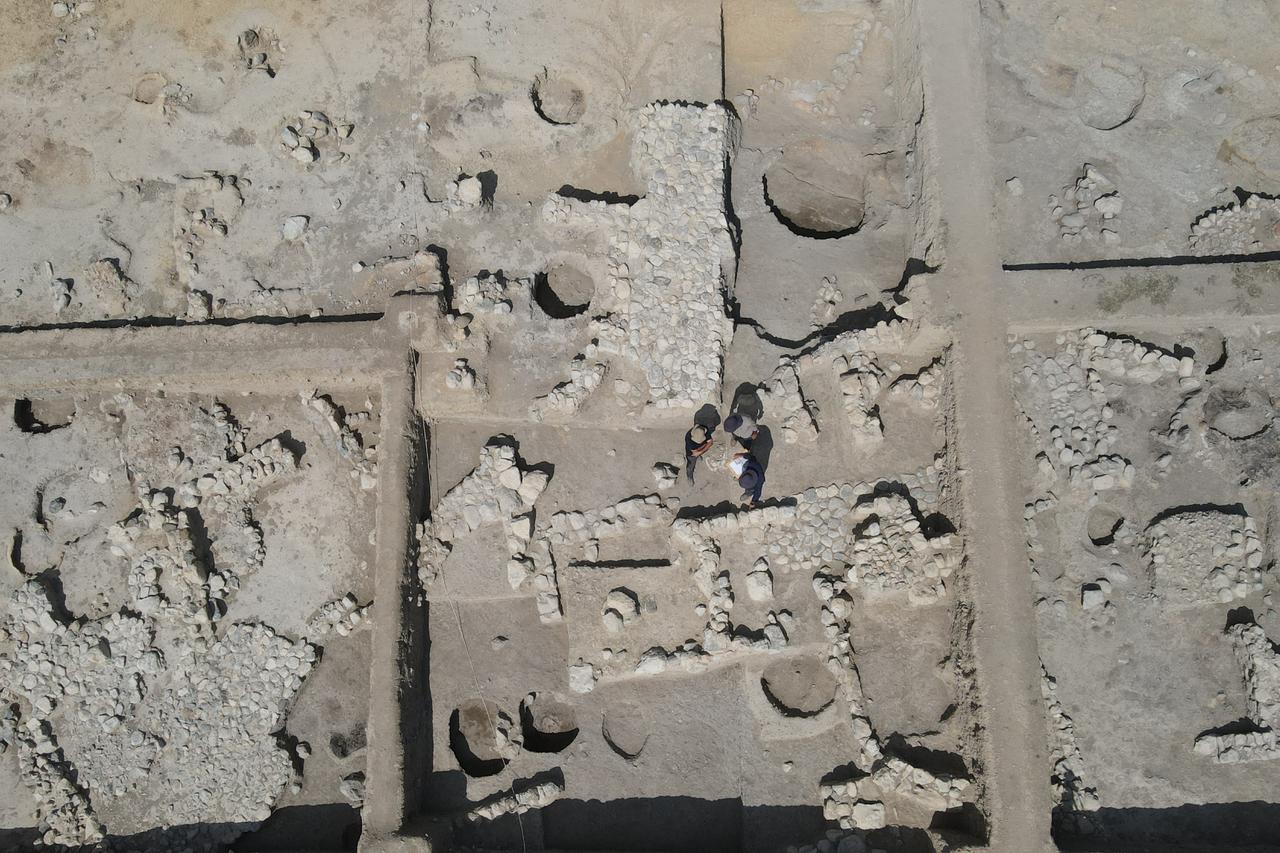
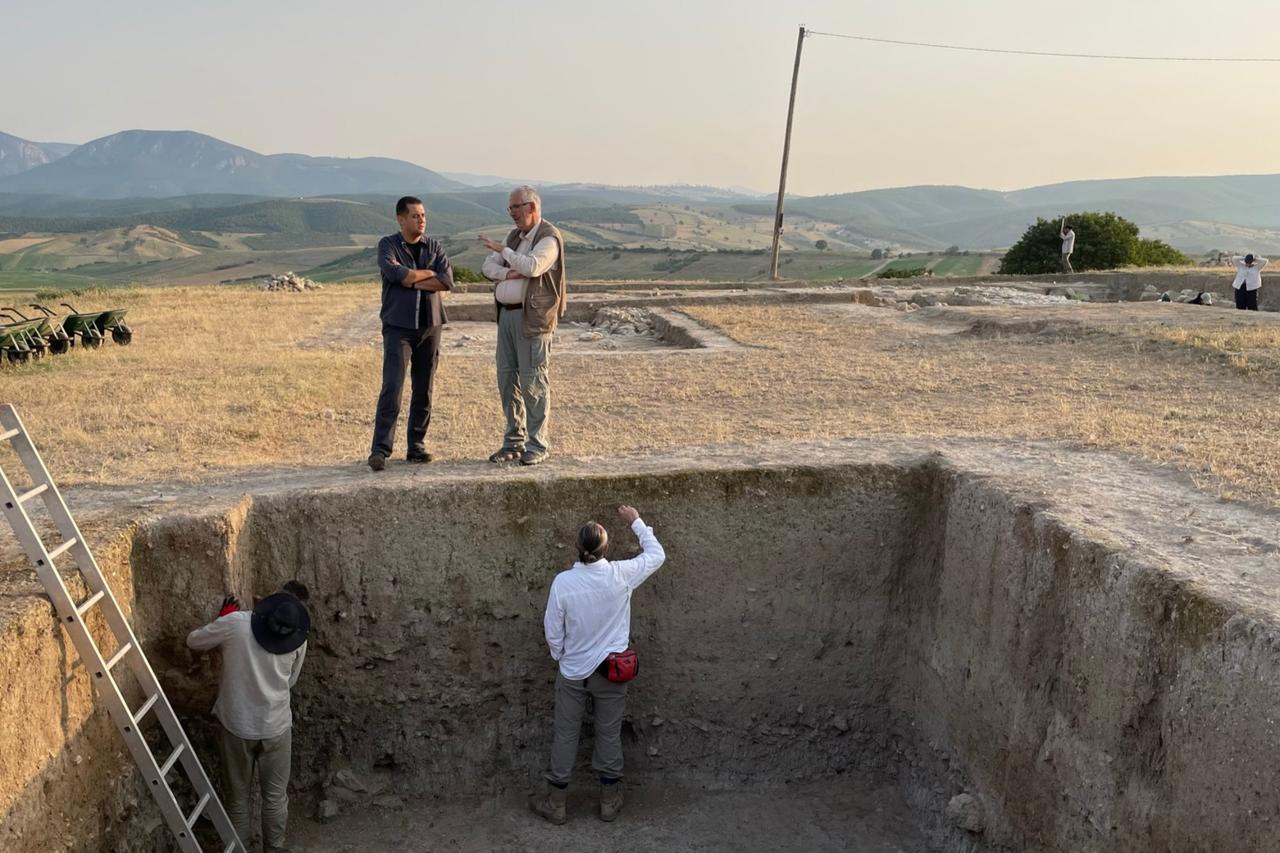
Excavations at the Oymaagac Mound are carried out with official permission from the General Directorate of Cultural Assets and Museums under Türkiye’s Ministry of Culture and Tourism.
The project is supported by regional authorities, including the Samsun Governorship and Vezirkopru Municipality, alongside academic contributions from Usak University and Ondokuz Mayis University.
Recent work at the spring has focused on conservation and accessibility, with teams putting up temporary protective roofing and installing lighting to help preserve the structure while making it easier to study.


 Set as preferred source
 Set as preferred source


 1 min read
 1 min read