

 Newsletters


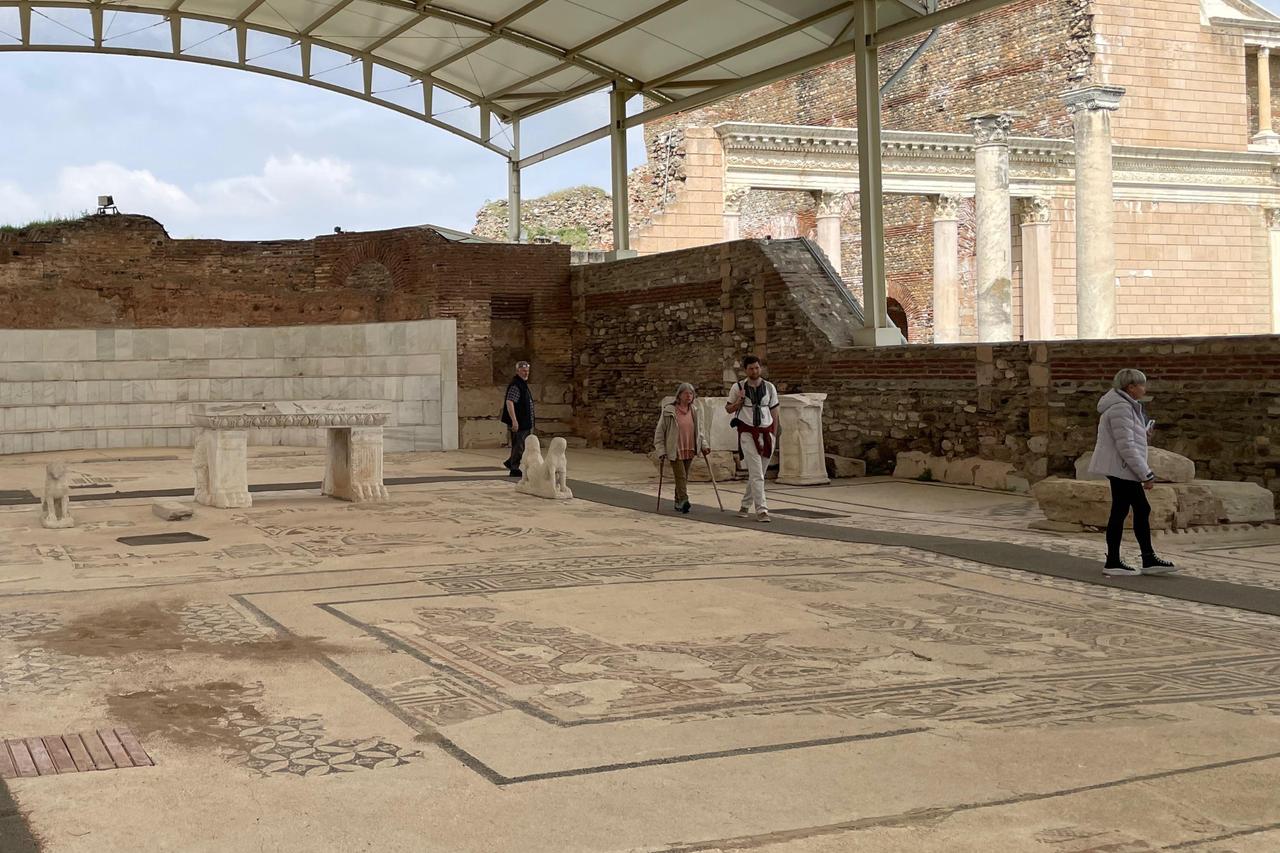


An ancient synagogue in Sardis, Manisa, one of the largest known synagogues from antiquity, stands out as a key marker of rich religious life in western Anatolia during the Late Roman period, according to Bahadir Yildirim, first assistant director of excavations at Sardis, who spoke to Türkiye Today from inside the monument itself.
Yildirim said the structure dates to the 4th and 5th centuries A.D. and that its main hall, where the interview took place, is covered with around 1,400 square meters of floor mosaics. He described the decoration as geometric rather than figural and pointed to an important marble table where the Torah would have been read after being brought out from shrines at the far end of the hall. He also said the elders likely sat in the apse behind the main ceremonial space, while a hand-washing area near the entrance points to the building’s ritual use.
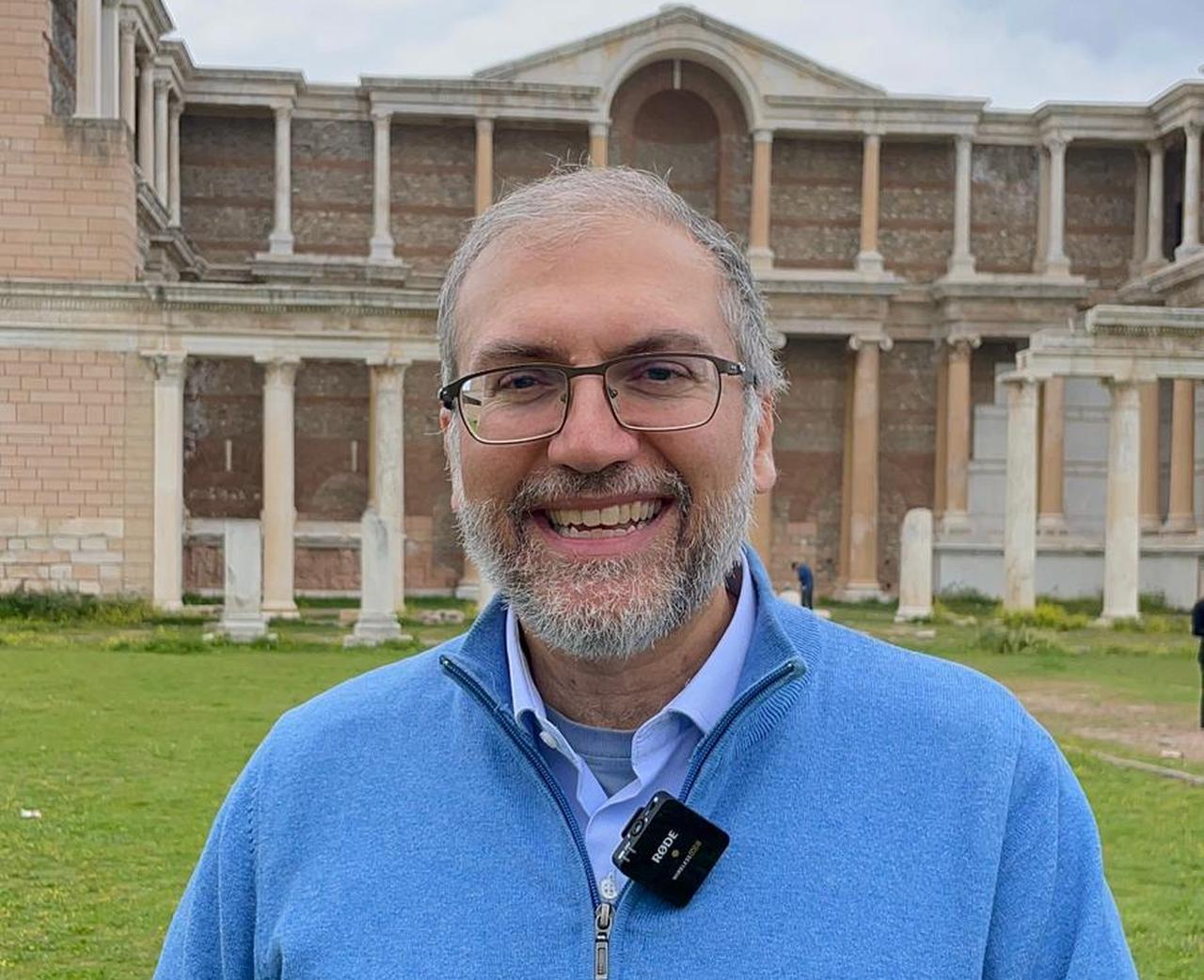

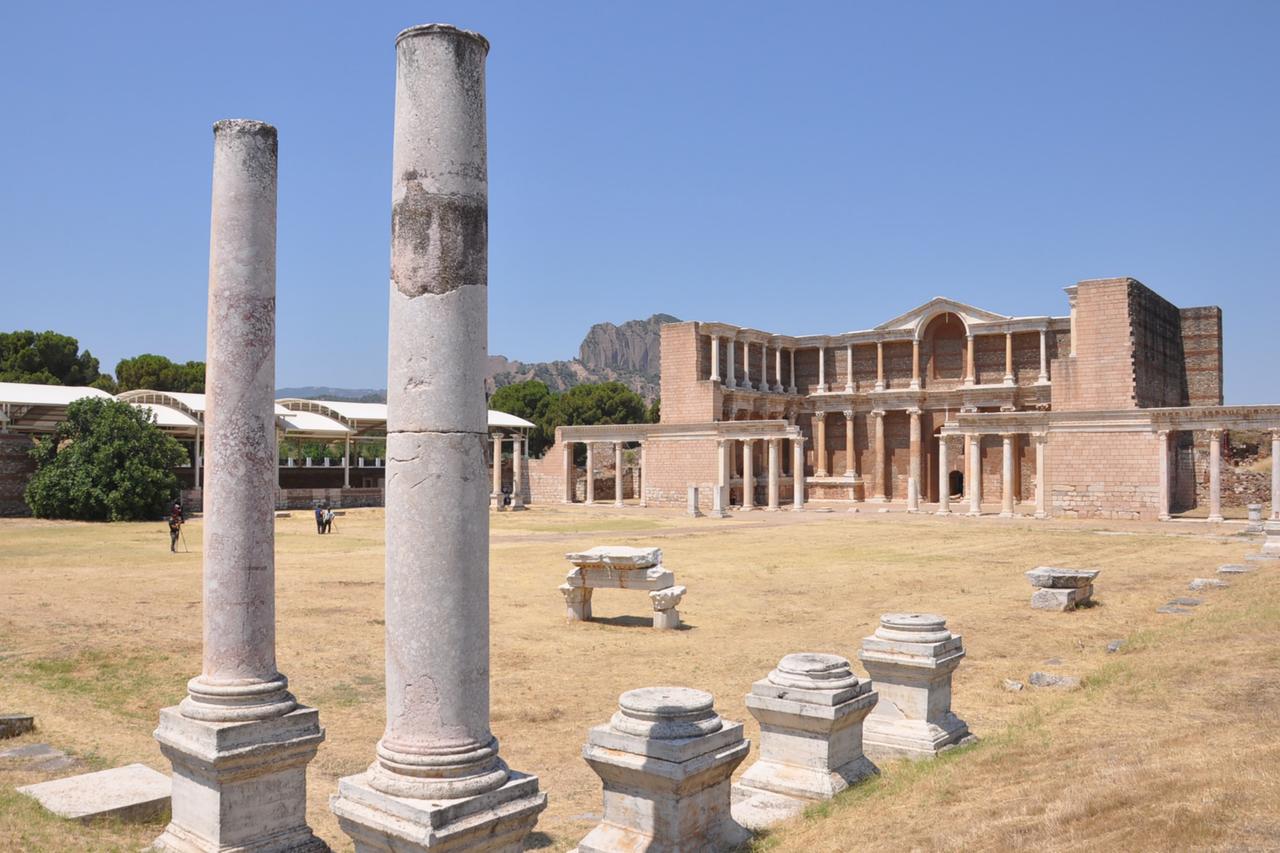
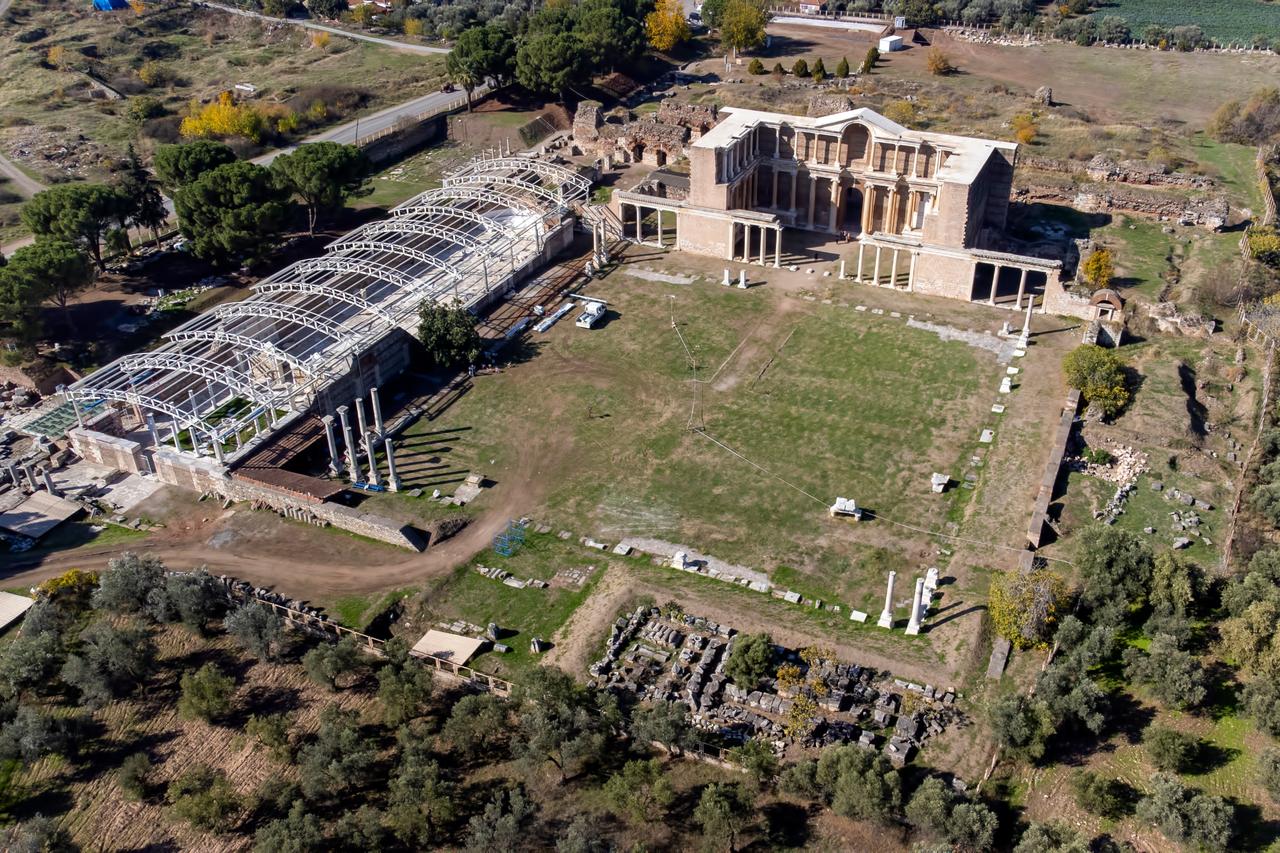
Discovered in 1962, the synagogue formed part of the corner of Sardis’ Roman bath-gymnasium complex, where part of a public building was turned into a Jewish house of worship. The building was entered from the east through a colonnaded forecourt, which was roofed along the sides but open to the sky at its center, before leading into a main hall more than 50 meters long and large enough to hold nearly a thousand people.
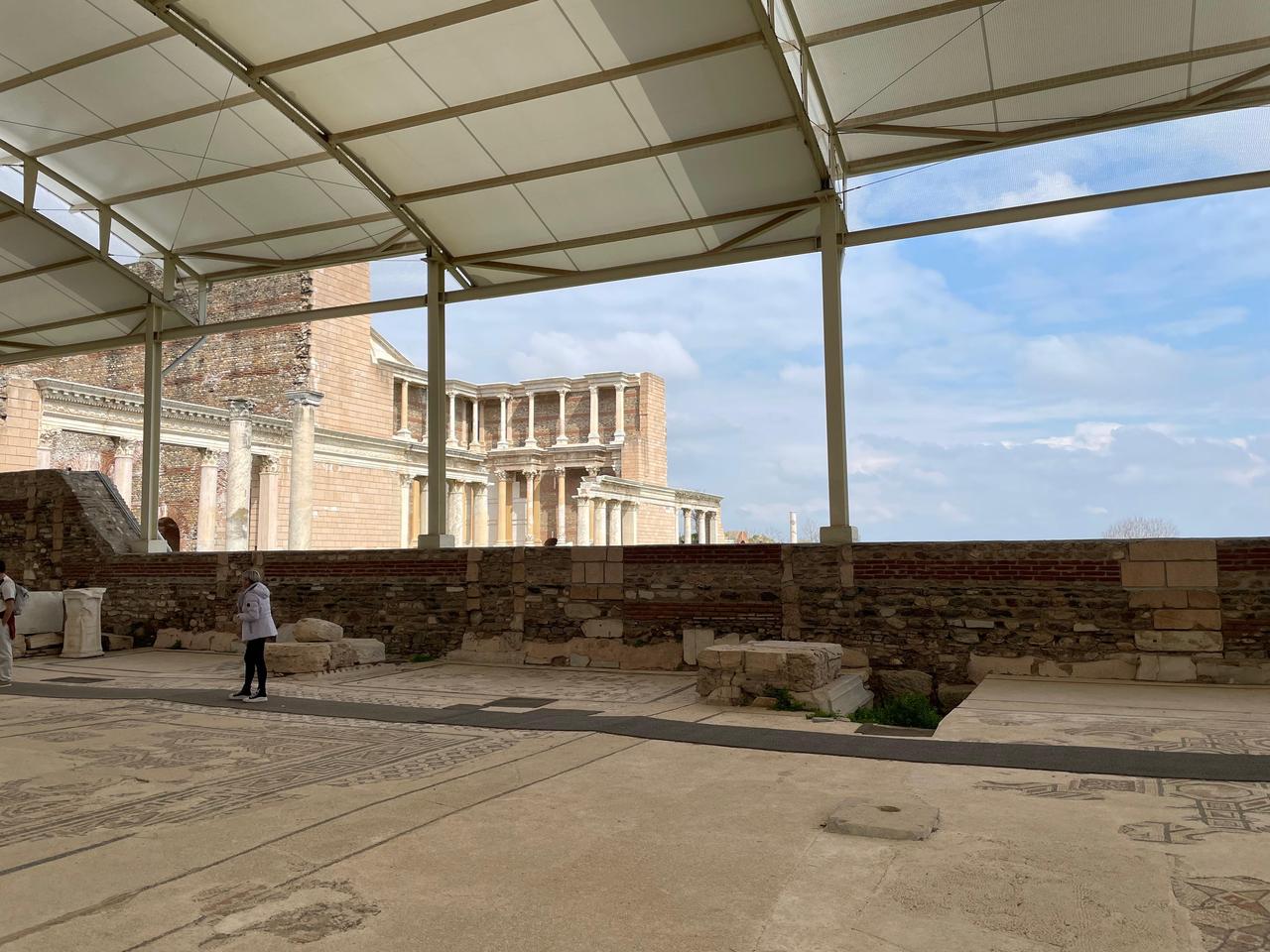
Massive stone piers once held up the roof of the main hall at a height of around 14 meters above the floor. Yildirim said those structural bays are still legible today and added that the modern roof now in place was built only to protect the mosaics rather than to recreate the ancient structure.
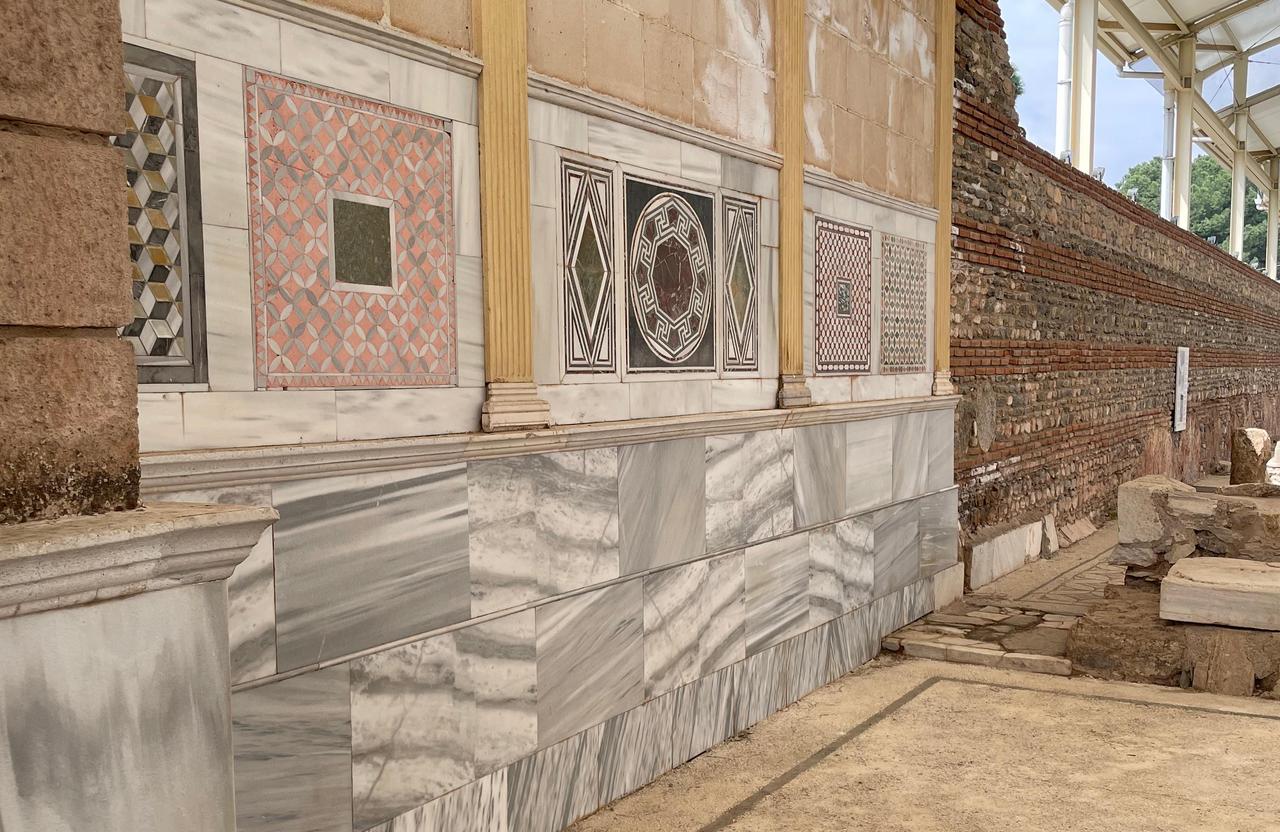
The synagogue’s surviving decoration was installed over time, with much of what remains dating to the fourth and fifth centuries. In the forecourt, a later marble wall revetment was added over painted plaster, while a large krater, or urn, stood at the center as a fountain where worshippers washed their hands before prayer. Water reached it through clay pipes under the floor.
Inside the main hall, marble wall decoration began in the 4th century and continued across generations. Donor inscriptions in Greek recorded gifts made by members of the local community, including individuals identified as city councilors and officeholders.
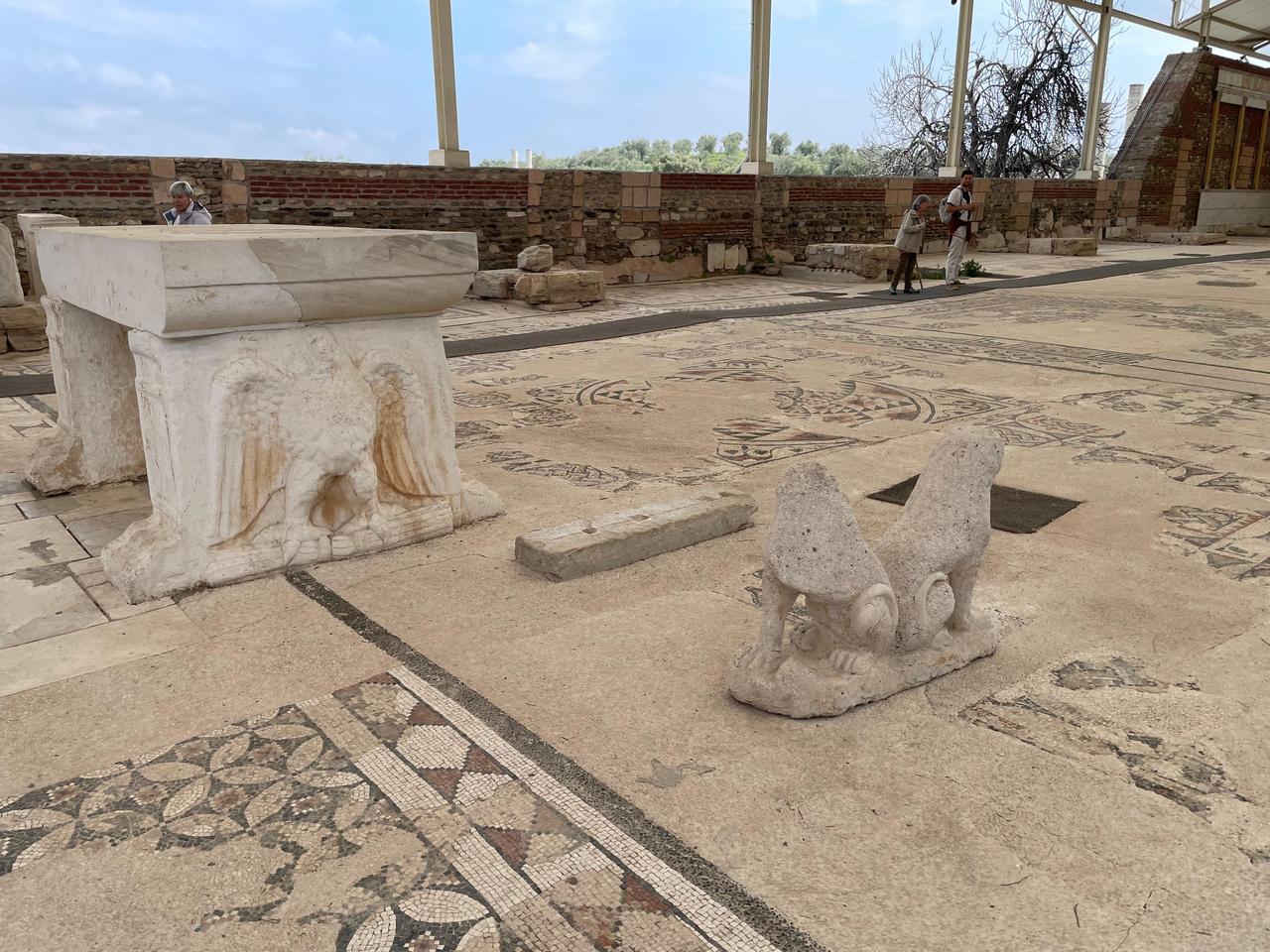
Excavations also brought to light inlay marble panels, Torah shrines flanking the central doorway, and the large marble table with lions that likely served during readings of the Torah scrolls.
A mosaic inscription in the center of the hall marked a place connected to a “priest and teacher of wisdom,” while the apse at the far end contained marble-covered benches that may have seated synagogue elders. The floor mosaics, which make up the largest surviving part of the decoration, were laid out across the structural bays of the hall and across the forecourt porticoes, with patterns made up almost entirely of geometric motifs.
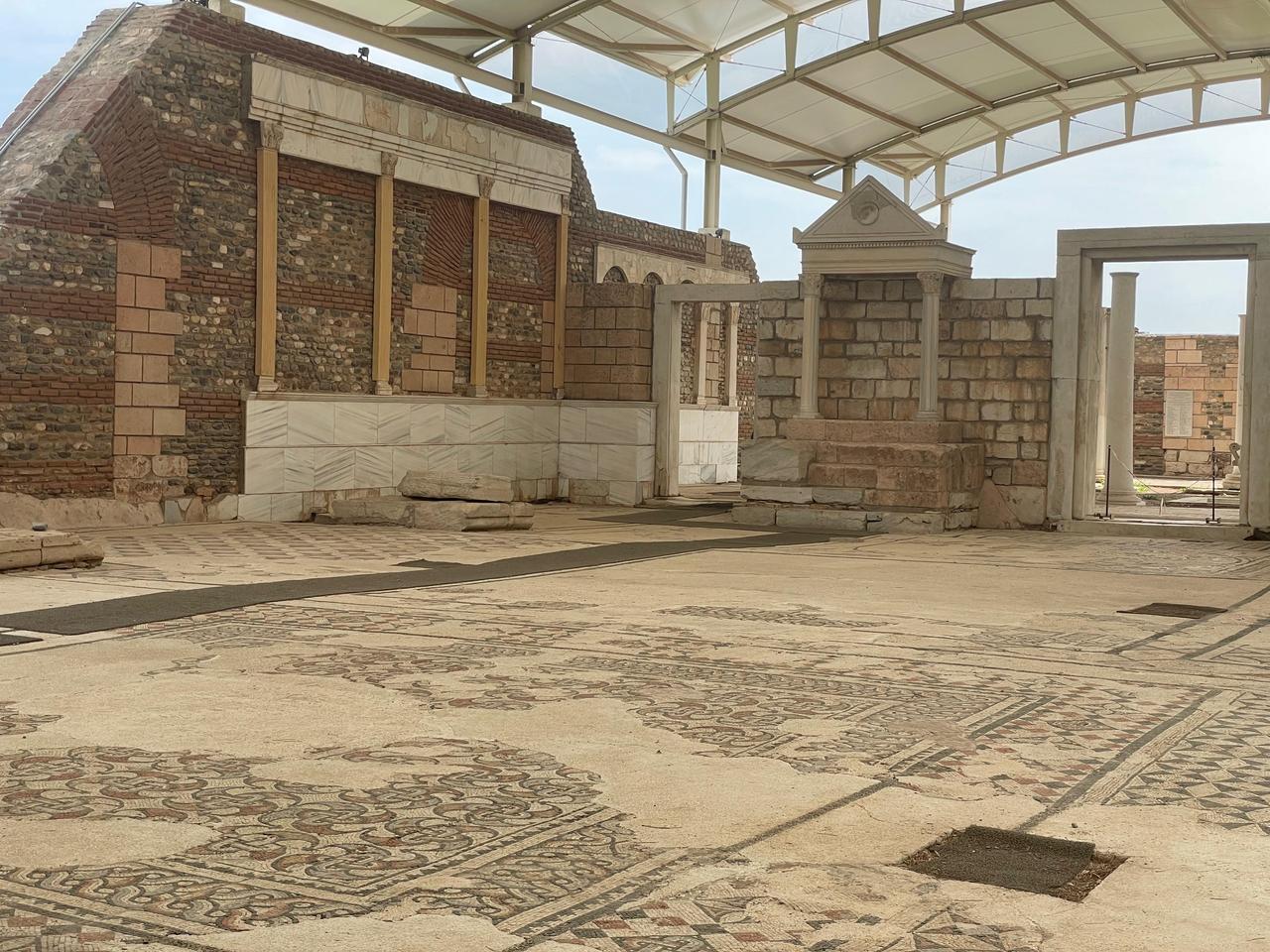
When the synagogue was excavated in the 1960s, it was too fragile to remain exposed, so the Sardis expedition and Turkish authorities moved ahead with a partial conservation and restoration campaign. Mosaics were lifted, backed with reinforced concrete panels, and then put back in place, while walls, columns, and decorative elements were partly rebuilt to give visitors a sense of the original setting.
That work was completed in 1973, but later exposure to rain and weather began to wear down the concrete bedding beneath the mosaics. After further study, a lightweight protective shelter was built in 2021 with official permission in order to shield the monument, improve visitor access, and allow restoration work to keep going.
Yildirim said conservation is still continuing bay by bay and stressed that the current shelter is there to protect the mosaic floors. The synagogue, abandoned after an earthquake in the early seventh century along with much of the city, now remains one of the rare ancient buildings where visitors can still stand directly on preserved mosaics inside a sacred space.
 1 min read
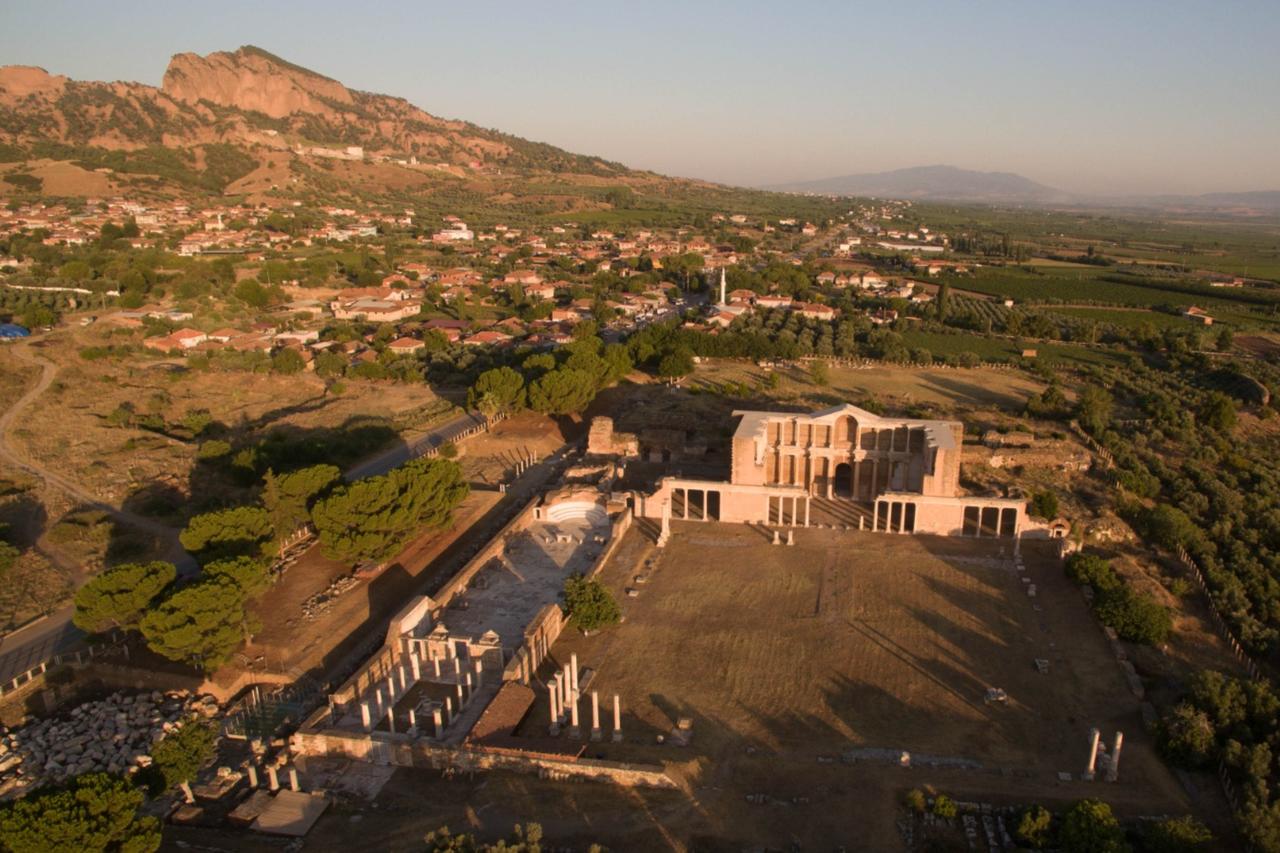
Located in western Anatolia near the Hermus plain and the Tmolus mountains, Sardis rose to prominence as the capital of the Lydian kingdom and later remained important under Persian, Hellenistic, and Roman rule. The city is also known as one of the Seven Churches of Asia.
Within that wider urban history, the Sardis synagogue stands out not only for its scale but also for what it reveals about a large and visible Jewish community living within a major Late Roman city. As Yildirim put it, the building was at the center of communal life, and its architecture, mosaics, and marble furnishings still help bring that world back into view.


 Set as preferred source
 Set as preferred source


 1 min read


