Newsletters


Konya, in the heart of Türkiye, once again drew international attention as ceremonies marking the 752nd anniversary of the passing of Mevlana Jalaluddin Rumi came to a close on Dec. 17. The 11-day commemoration, held under the theme “Time for Serenity,” brought together visitors from across Türkiye as well as from the United States, Japan, Europe, and beyond, highlighting the enduring global appeal of the revered Islamic scholar, poet, and Sufi mystic.
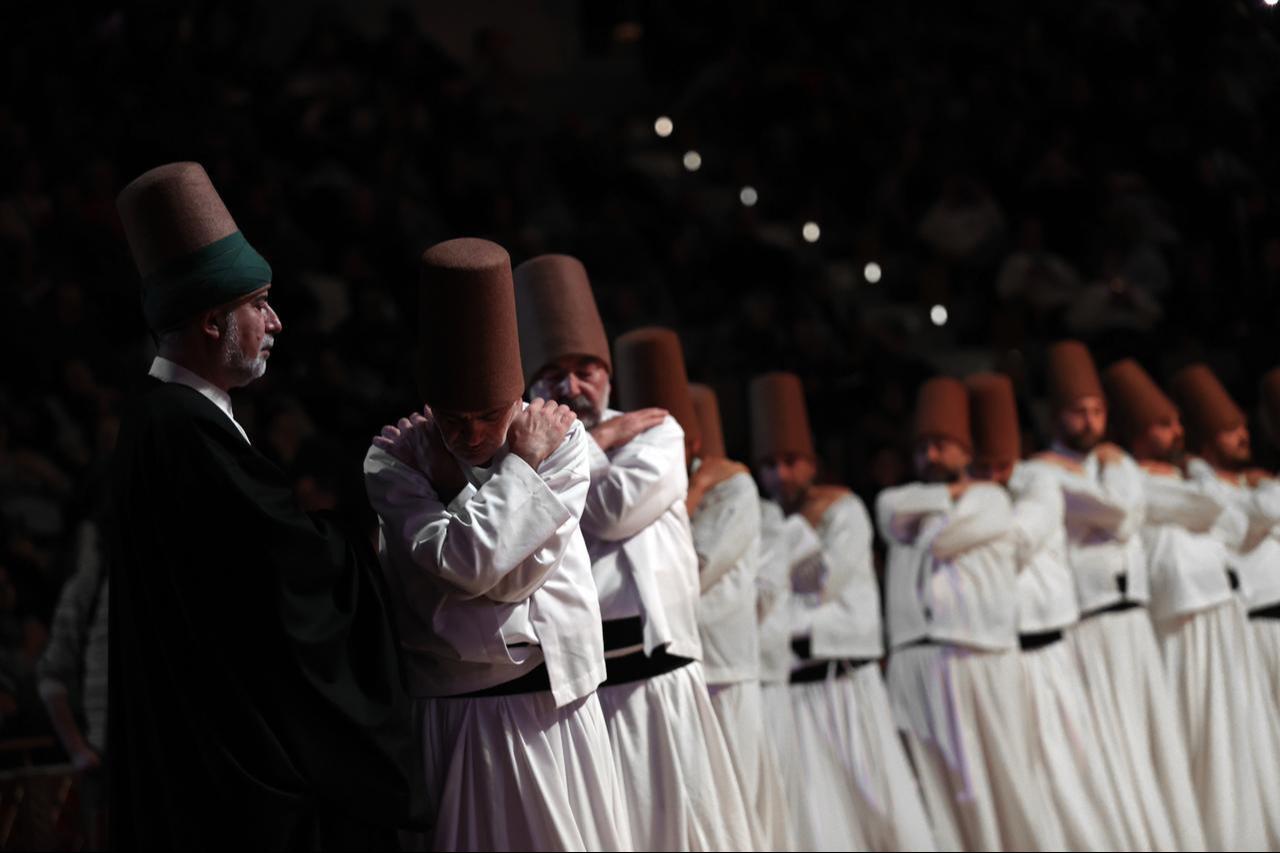

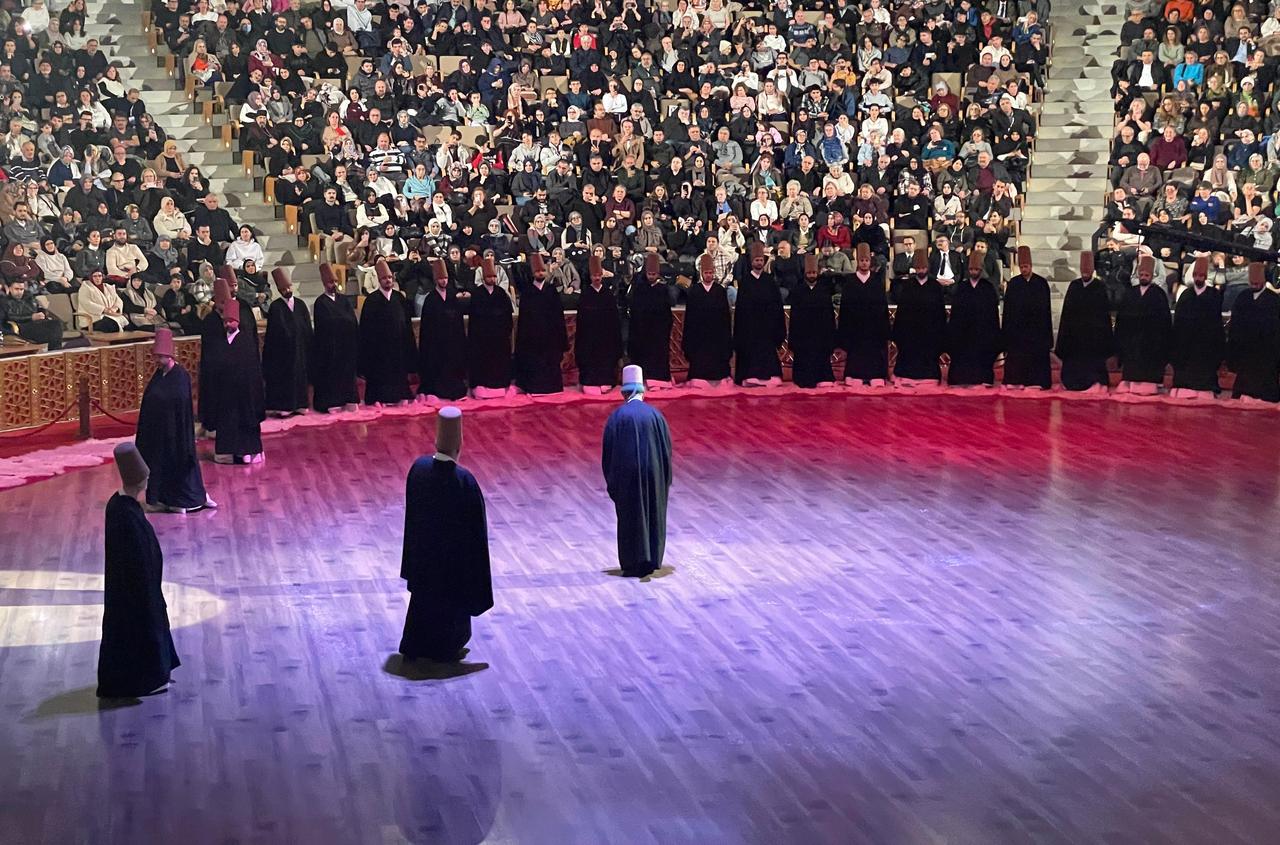
The commemorations began on Dec. 7 with the Seb-i Arus ceremony, a term meaning “the night of union,” which refers to Rumi’s reunion with Allah. The closing at the Mevlana Culture Center was shaped by poetry, prayer, and reflection, setting a contemplative tone that continued through the closing events 10 days later.
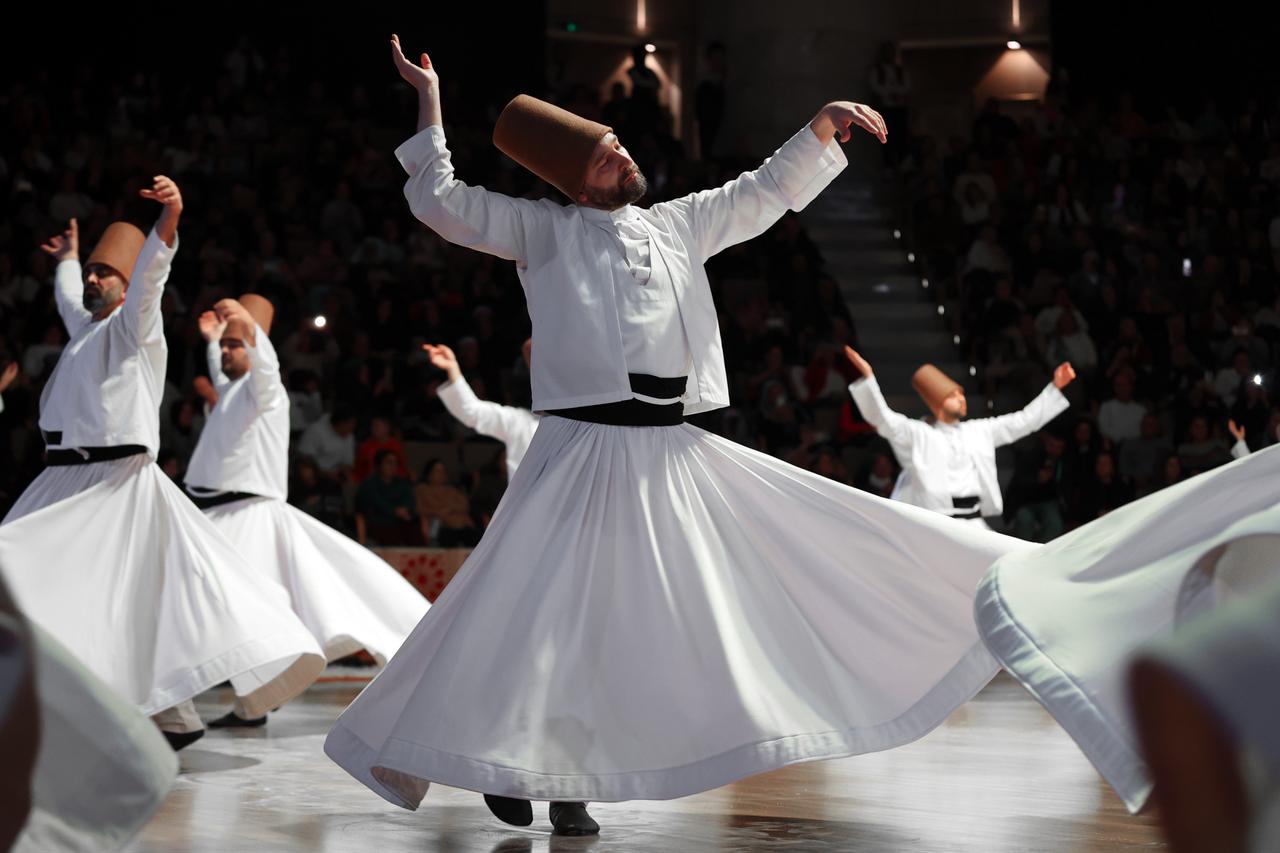
At the center of both the opening and the conclusion stood the Sema ritual, the devotional whirling ceremony of the Mevlevi order founded after Rumi’s passing in 1273. For international audiences, the Sema is a structured act of worship rather than a performance. It begins with the Nat-i Serif, a poetic praise of Prophet Muhammad (pbuh), followed by the entrance of semazens, or whirling dervishes, with arms crossed to symbolize spiritual humility. As the ritual unfolds, the dervishes remove their waistcoats to represent leaving the ego behind before beginning the whirl, a movement understood as a spiritual ascent toward truth. The ceremony closes with greetings of peace and a recitation from the Holy Quran.
In 2008, UNESCO recognized the Sema as a “Masterpiece of the Oral and Cultural Heritage of Humanity,” underscoring its significance beyond national borders.
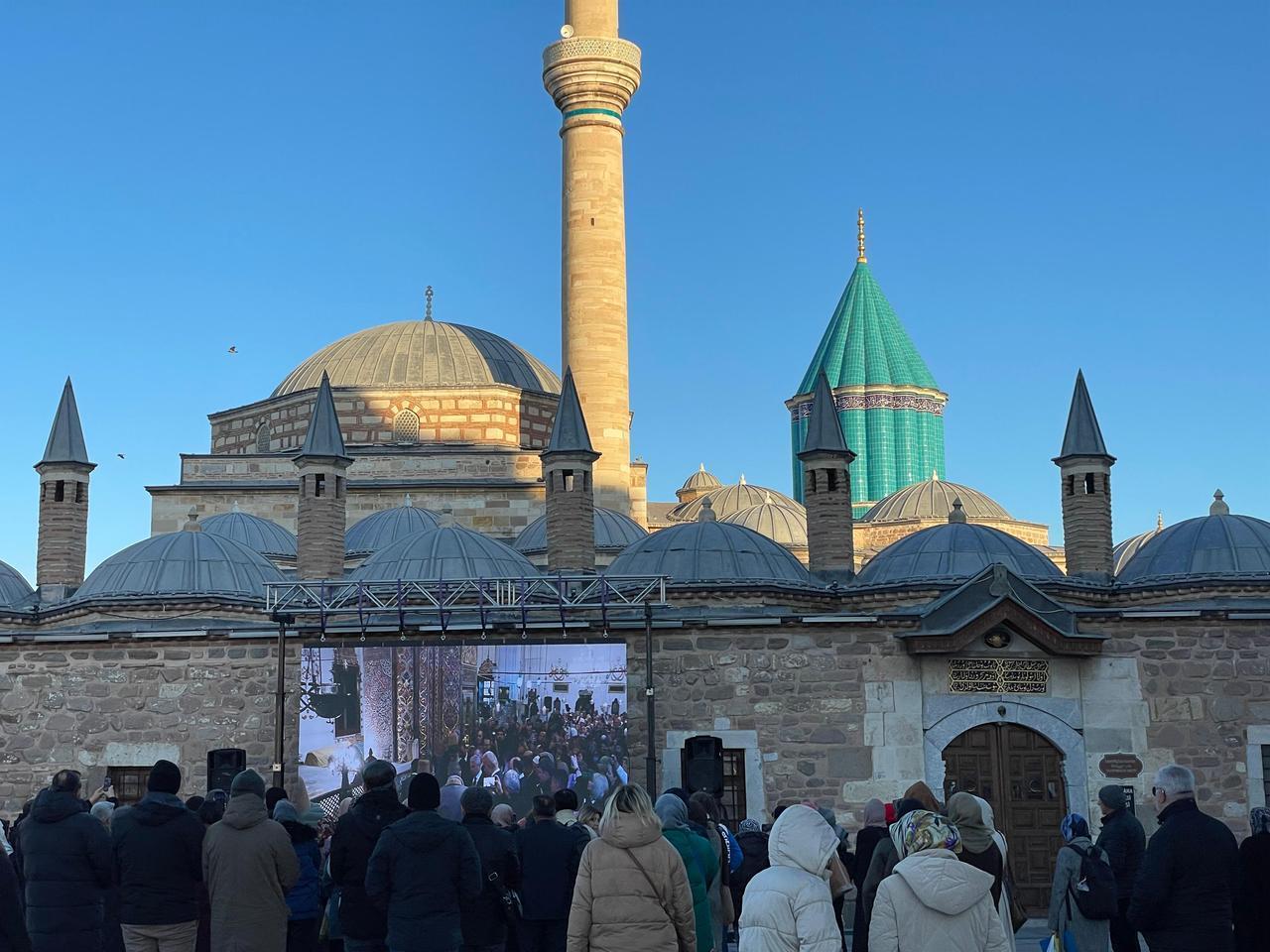
Speaking during the events, Turkish Culture and Tourism Ministry Fine Arts Director General Omer Faruk Belviranli said the spiritual tradition shaped on these lands by generations of scholars and “friends of the heart” continues to illuminate the present day. He described Konya as a city defined by luminous scholars and deep-rooted spiritual identity, noting that the anniversary of Rumi’s vuslat, a term meaning reunion with the Divine, offers a moment for renewed spiritual connection.
Belviranli underlined that the ministry had prepared the extensive program specifically for those drawn to Mevlana’s teachings, adding that Konya consistently attracts visitors from distant countries eager to witness the Sema and engage with Sufi thought through leading artists and scholars.
The commemorations were also marked by statements from senior figures. Culture and Tourism Minister Mehmet Nuri Ersoy stressed that Mevlana, the Masnavi, and the Sema should not be reduced to poetry, literature, or dance alone, saying efforts to distort these values would not succeed and that Türkiye would continue to protect and share them with humanity.
President Recep Tayyip Erdogan, in a message marking the anniversary, said Rumi’s timeless advice continues to guide the vision of unity and solidarity shaping the “Century of Türkiye.” Meanwhile, the head of the Directorate of Religious Affairs, Safi Arpagush, delivered a Mevlevi sohbet, or spiritual talk, at the Mevlana Culture Center, offering insights into Rumi’s teachings and the Mevlevi tradition during the international memorial events.
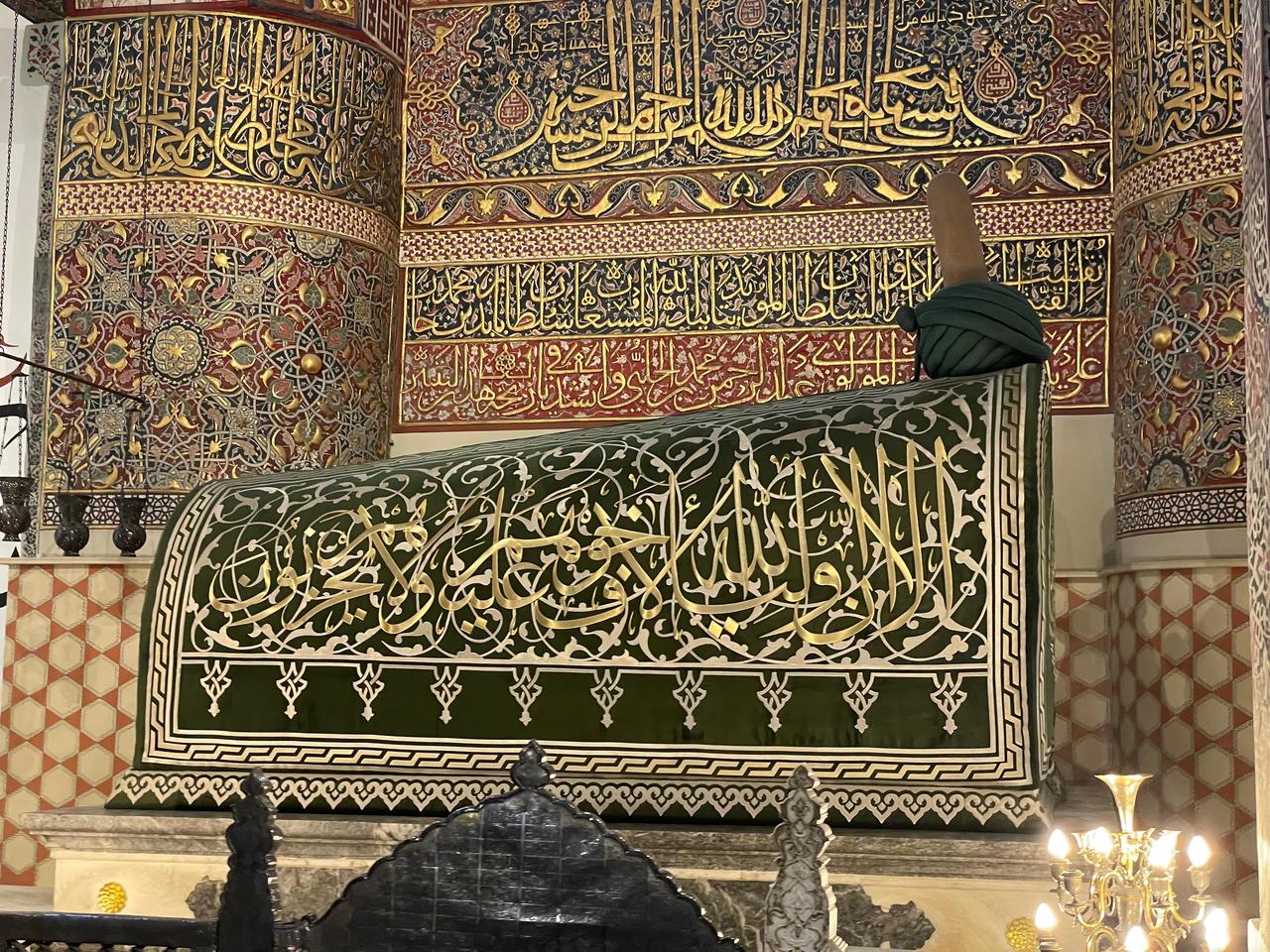
Known affectionately in Türkiye as Mevlana, meaning “our master,” Rumi remains one of the most widely read thinkers in the world. Born in 1207 to a Turkic family in what is now Afghanistan, his teachings on compassion, unity, and divine love continue to resonate across cultures and religions. His mausoleum in Konya attracts millions of visitors each year.
His major work, the "Masnavi," written after the loss of his mentor Shams Tabrizi, explores spiritual love, humility, and tolerance and helped shape a shared spiritual tradition stretching across Anatolia, Iran, Central Asia, and beyond. With more than 50,000 verses and translations into more than two dozen languages, it remains a cornerstone of Sufi literature. Rumi also authored the "Divan-i Kabir," a vast collection of lyrical poetry that further secured his place in world literature.


 Set as preferred source
 Set as preferred source


 1 min read

 1 min read