Newsletters


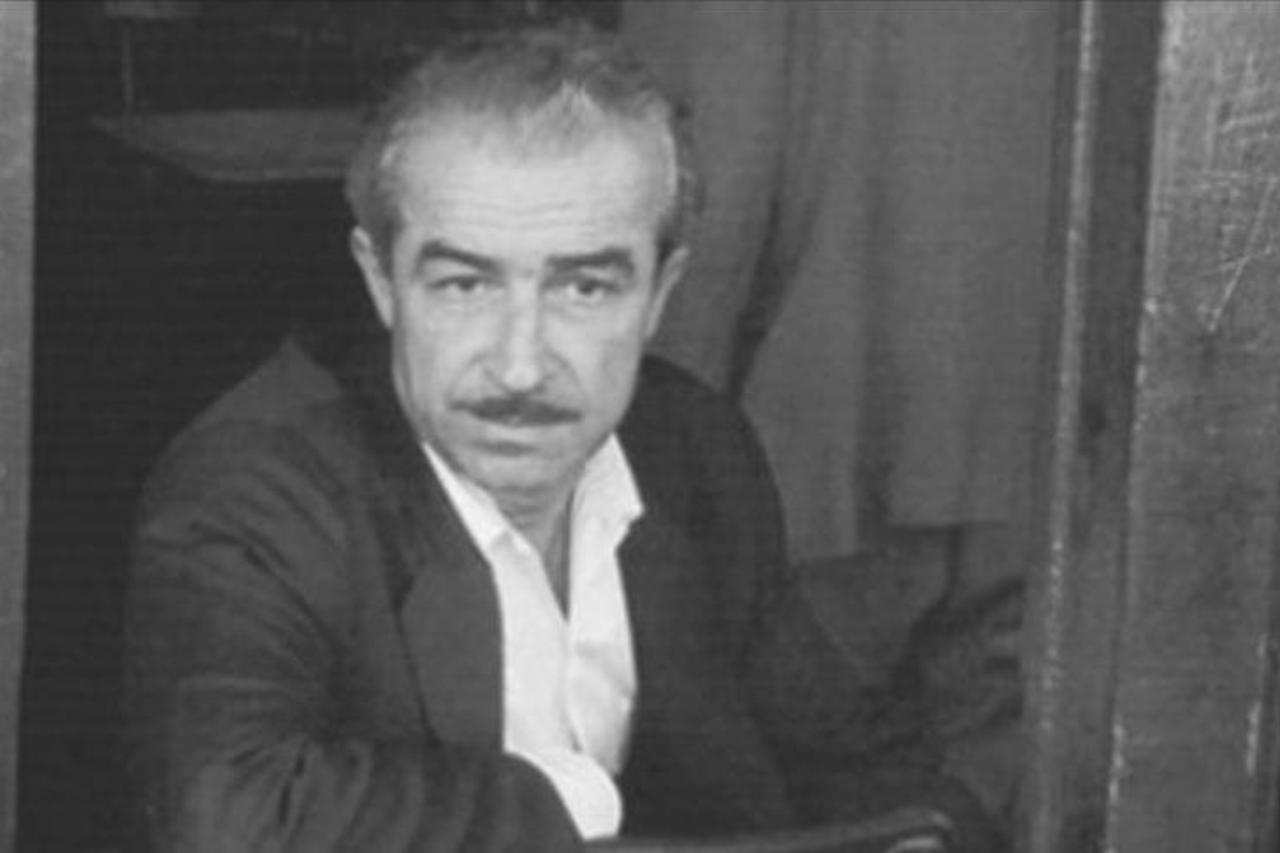


Fifty-six years have passed since the death of Orhan Kemal, one of Turkish literature's most productive voices in social realism.
A novelist, poet, and playwright, Kemal produced nearly 50 books in two decades. He drew on his experience of poverty, exile, and imprisonment to portray the lives of those on the margins of Turkish society.
Born Mehmet Rasit Ogutcu on Sept. 15, 1914, in Adana, Türkiye, Kemal was the son of Abdulkadir Kemali Bey, an artillery officer and lawyer, and Azime Hanim, a primary school teacher.
His early childhood in Adana ended with the French occupation after World War I. This forced the family to relocate to Nigde, then Konya, and finally Ankara after his father won a seat in the first Grand National Assembly as a member of parliament for Kastamonu.
The family's fortunes shifted in 1930, when his father founded the Liberal Republican Party (Ahali Cumhuriyet Firkasi), triggering events that led to their exile in Syria.
Kemal, then in his final year of middle school, abandoned his education. Upon returning to Adana, he worked as a farm laborer, weaver, warehouse clerk, and secretary.
On May 5, 1937, he married Nuriye Hanim, a worker at the Milli Mensucat textile factory. They had four children.
Kemal's literary path began with poetry. His first poem was published in 1939 under the pen name Resat Kemal. He later adopted Orhan Kemal as his pen name for his fiction.
During his military service, he was convicted under Article 94 of the penal code and served time in prisons in Kayseri, Adana, and Bursa.
At Bursa Prison, he befriended poet Nazim Hikmet. Their shared years behind bars became the subject of Kemal's memoir "Nazim Hikmet'le 3.5 Yil" (Three and a Half Years with Nazim Hikmet), published in 1965, two years after Hikmet's death.
The book documents their friendship and their views on literature and art.
Kemal cited Hikmet, a towering presence in Turkish poetry, as the reason he turned to fiction. He was also influenced by Romanian-French writer Panait Istrati and Russian author Maksim Gorki.
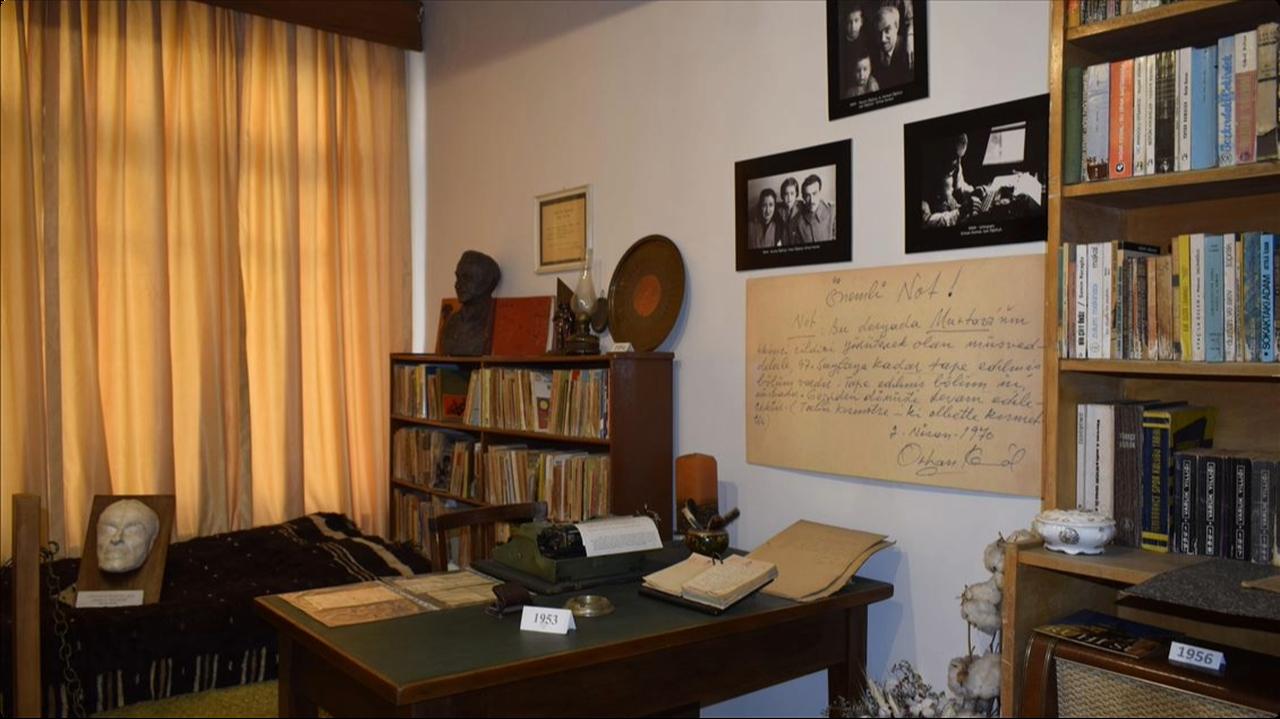

Kemal's debut book, "The Bread Struggle" (Ekmek Kavgasi), published in 1949, drew positive reviews from literary circles.
He moved to Istanbul in 1951 and continued writing serialized stories for various publications.
He used several pseudonyms, including Hayrullah Guclu, Rustu Ceyhun, and Orhan Rasit for prose, and Ulker Uysal and Yildiz Okur for screenplays.
Over the course of his career, Kemal worked across five literary forms: poetry, novels, short stories, plays and screenplays.
Titles such as "Fertile Lands" (Bereketli Topraklar), "The Junkman and His Sons" (Eskici ve Ogullari), and "Birds of Exile" (Gurbet Kuslari) are among his most recognized works.
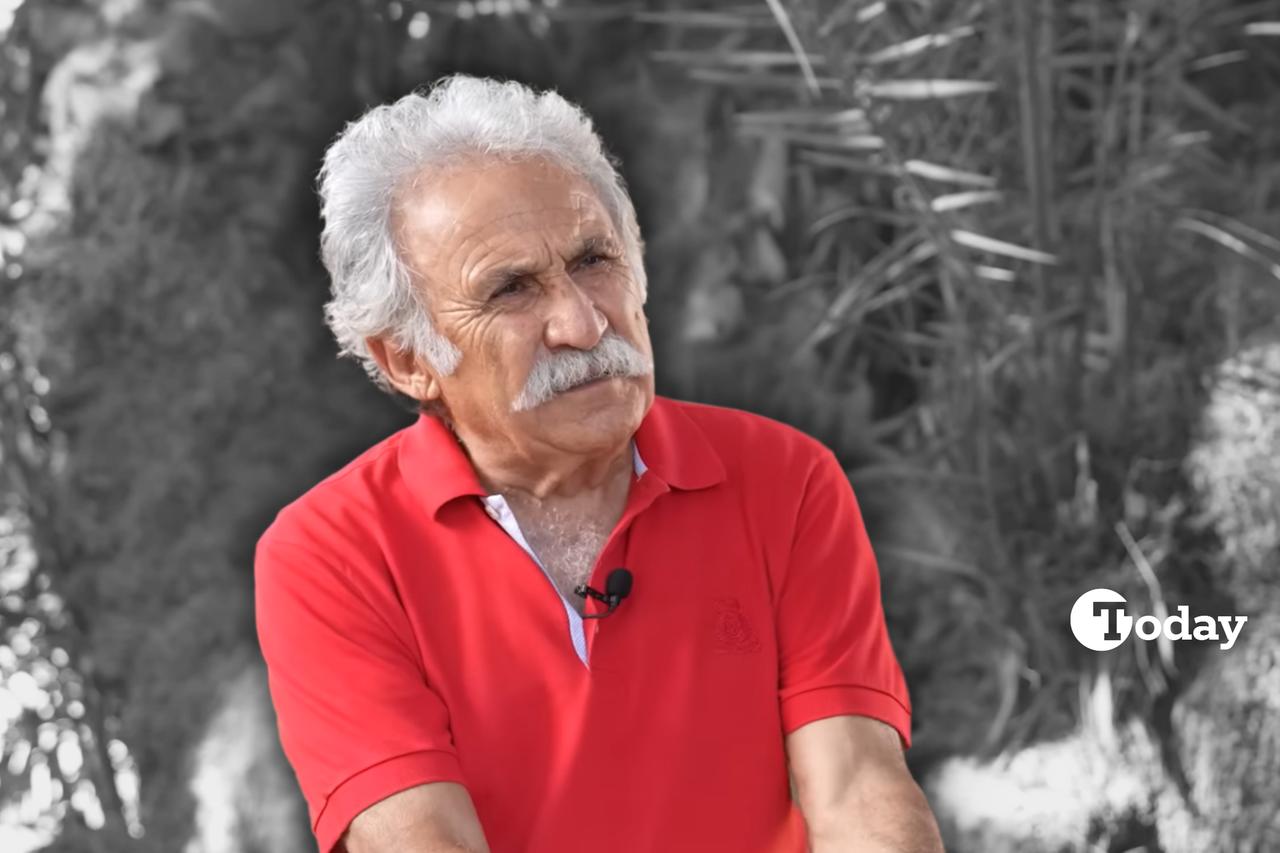
Writer Abdullah Harmanci described Kemal's literary identity as a "social realist," adding that Kemal specifically captured the social realism of the Cukurova region.
"Rural-to-urban and urban-to-urban migration appear throughout his literature," Harmanci said in an interview. He noted that financial pressures may have affected the consistency of Kemal's prose style across his prolific output.
Kemal articulated his view of the writer's responsibility, stating that an author must not reflect social realities superficially but must immerse themselves in the economic, social, and folkloric layers of society before reaching any conclusions.
 1 min read
Kemal received the Sait Faik Story Award twice–for "Kardes Payi" (Brother's Share) in 1958, and for "Bread First" (Once Ekmek) in 1969. The latter also won the Turkish Language Association's story award the same year.
His 1958 novel "The State Bird" (Devlet Kusu) was adapted into a three-act play titled "Goldfinches" (Ispinozlar), which was staged at the Istanbul Metropolitan Municipality City Theaters during the 1964–1965 season.
He also dramatized several other works, including "Ward 72" (72. Kogus), "Murtaza," "The Junkshop" (Eskici Dukkani) and "Brother's Share." The play "Ward 72" earned him the Best Playwright award from the Ankara Art Lovers Association in 1967.
In 1970, Kemal accepted an invitation from the Bulgarian Writers' Union and traveled to Sofia to research his family's Balkan roots for a planned work titled "Since '93" (93'ten Bu Yana).
While there, he suffered a heart attack and was hospitalized. He died on June 2, 1970, at the age of 56. His body was returned to Türkiye and he was buried at the Zincirlikuyu Cemetery in Istanbul on June 5.


 Set as preferred source
 Set as preferred source


 1 min read