Newsletters


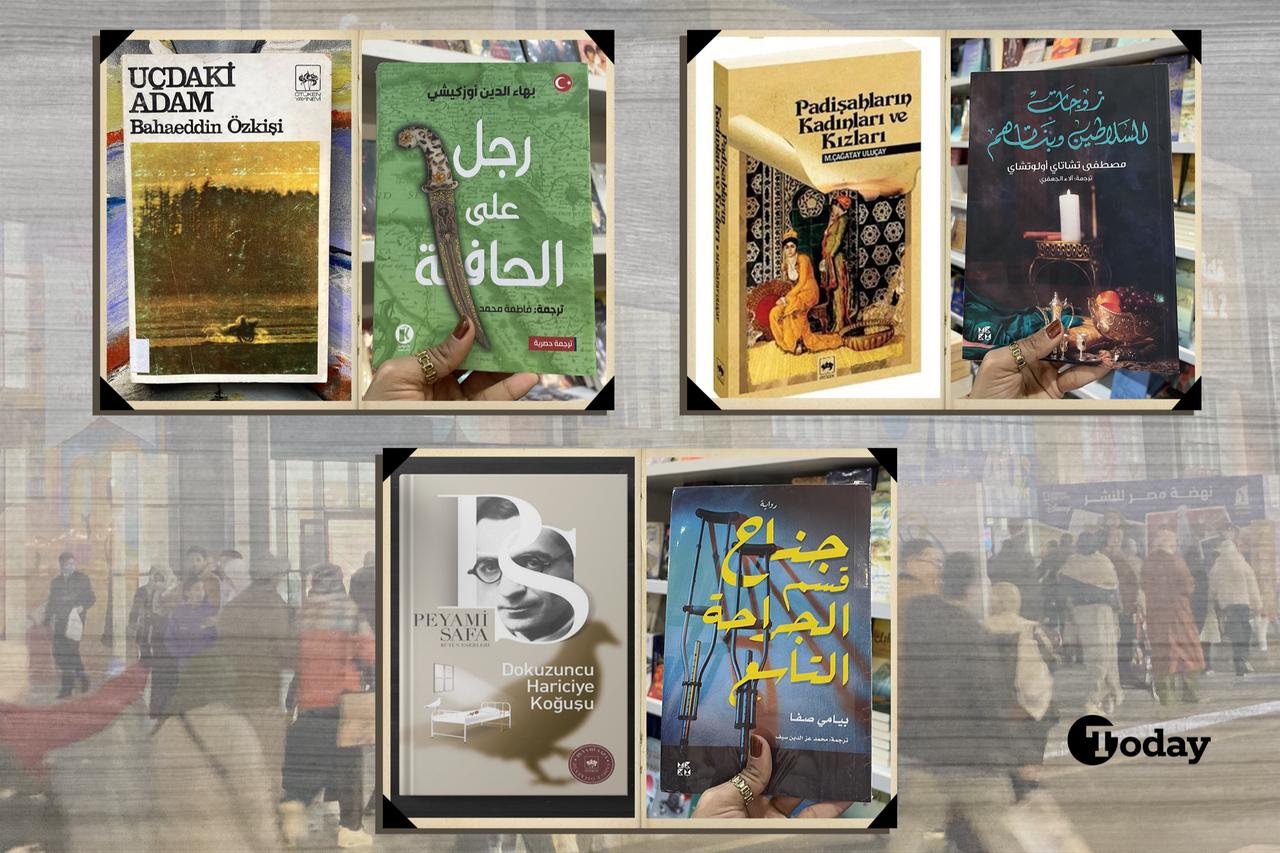


Beyond the massive crowds—over 3 million in the first week alone—the 57th Cairo International Book Fair is highlighting a specific literary boom. Tucked among the thousands of exhibits are 1,300 Turkish titles, now speaking the local language as demand for translated Turkish literature reaches a new high.
The fair, held at the Egypt International Exhibition Center from Jan. 21 to Feb. 3, has billed itself as the largest edition in its history in scale and programming, with organizers reporting unusually high early attendance.
Organizers said more than 690,000 visitors were recorded on the first day open to the public, and they expect attendance to surpass last year’s record figure of 5.5 million.

In this context, the TULIA project stands out as a documentation initiative aimed at identifying and studying Arab publishing houses that hold the rights to publish works of Turkish literature, by creating a database that compiles information on publishing entities and supports the circulation of these works and their introduction to the Arab world.
According to remarks attributed to the project’s director, Mohammed Agirakca, speaking with Türkiye Today, the movement of translation from Turkish into Arabic began on a regular basis in 2005 and has witnessed steady annual growth, with the volume of translation increasing each year compared with the previous one.
Agirakca estimates that 2025 represents a peak in this trajectory, recording the highest level of translation activity into Arabic, according to his assessment.
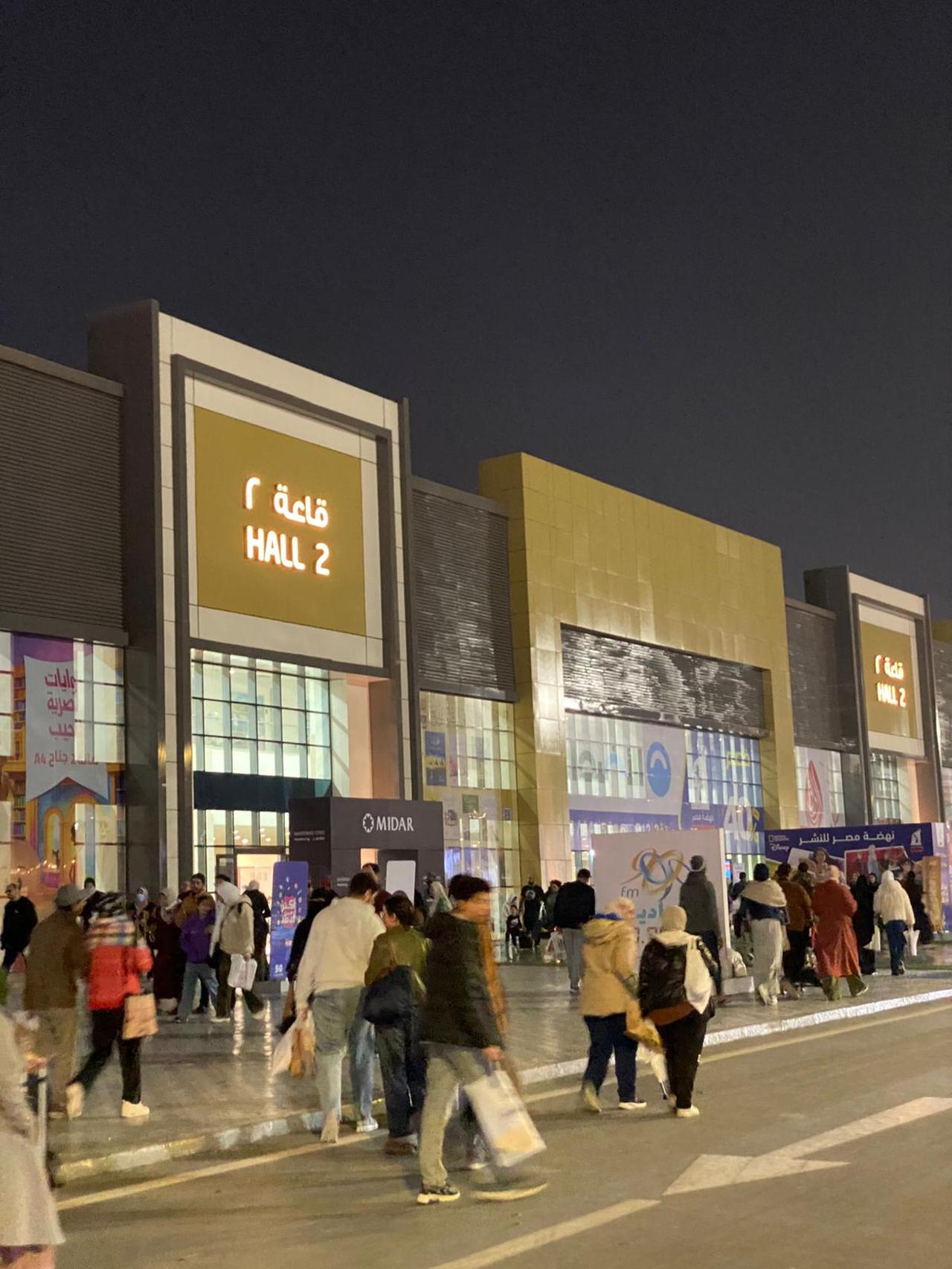
Agirakca says that the Cairo Book Fair stands out among other Arab exhibitions.
"It is seen as a distinct space for acquiring Turkish books translated into Arabic, as the presence of these titles is reflected through participating publishing houses that include works of Turkish literature in their catalogs," he said.
The fair attracts visitors of different ages and interests, alongside a program of intellectual and cultural events and book-signing sessions, which strengthens the exchange of experiences among writers and intellectuals from Türkiye and various countries around the world.
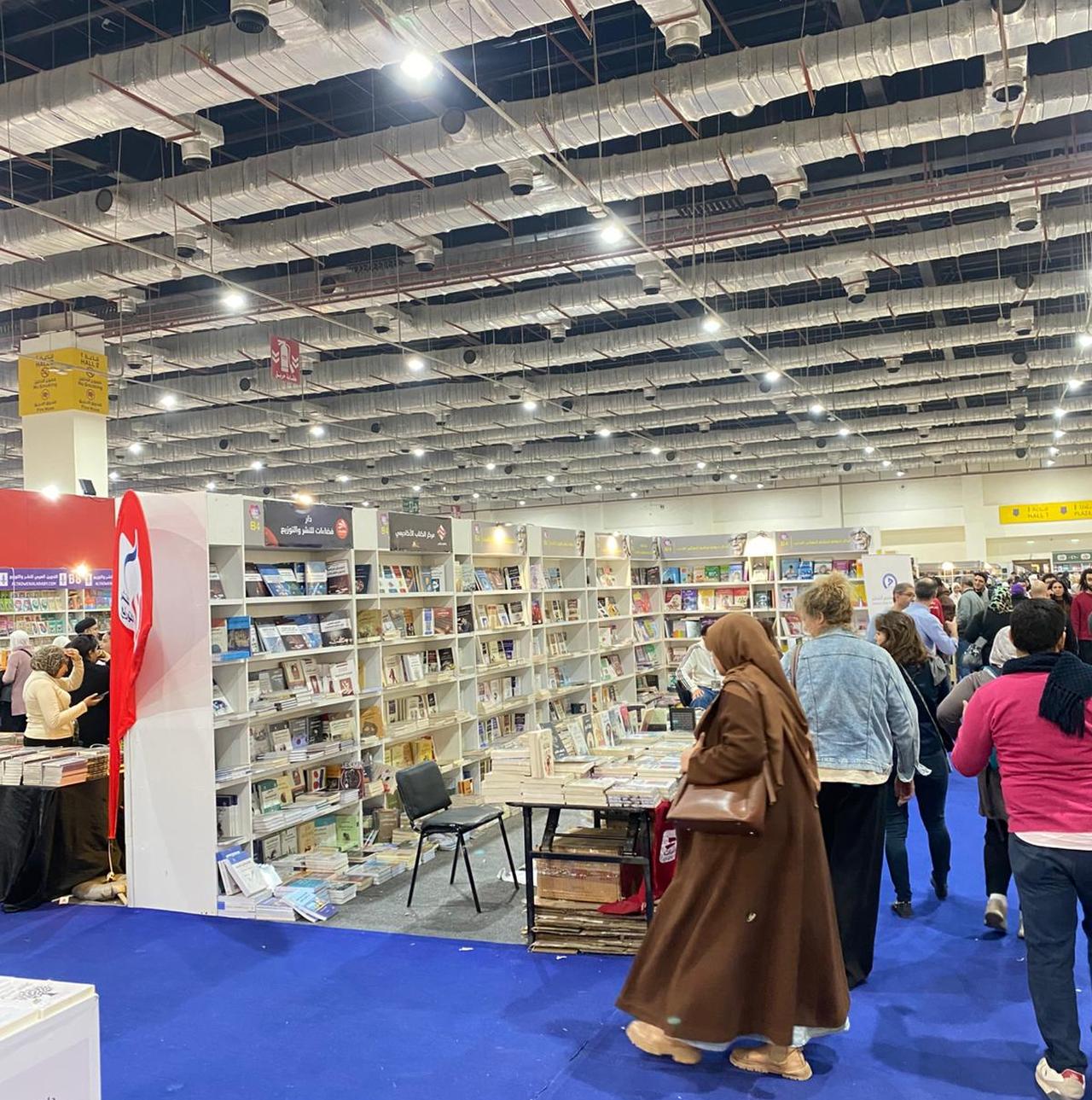
He indicates that the number of Turkish literary works translated into Arabic is estimated at around 2,000, noting that between 60% and 65% of these works can be found across the fair’s halls.
"About 60% of these publications fall under children’s literature," he added.
Agirakca also added that there was continued reader interest in novels as the most in-demand genre among Arab readers.
During the fair, Turkish literature titles are displayed through more than 50 publishing houses, allowing visitors to browse between 1,200 and 1,300 titles.
According to the information provided, Arab publishing houses handle the printing, publication, and distribution of the works through their own networks.
Interest is not limited to general literature and children’s books, the statement said, but also extends to politics, self-development, thought and religion, stressing that the display of these publications is not guided by ideological or intellectual considerations, but rather spans a wide spectrum of trends.
Among the most attractive topics, he pointed to a strong interest in history books, particularly Ottoman history, with these works posting high sales, according to the statement.
Agirakca said works that attack Ottoman history do not usually attract wide interest, while demand is increasing for objective history books or those offering a positive reading of the Ottoman experience and embracing the idea of cultural ties between peoples.
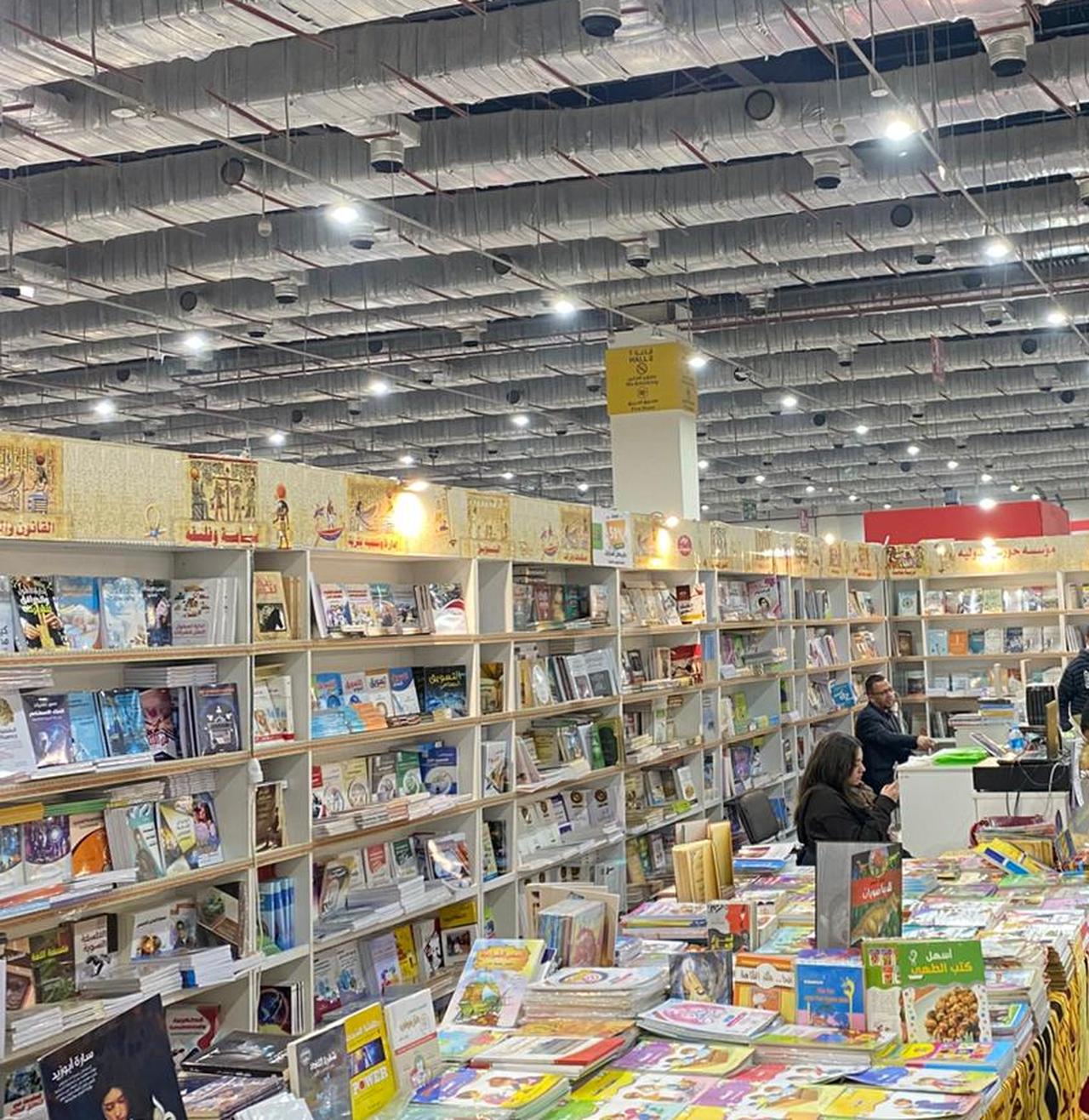
Across the booths, readers encounter well-known Turkish writers and public figures whose works have already built recognition in Arabic, including Nazim Hikmet, Aziz Nesin, Selahattin Demirtas, Ahmet Davutoglu, Ilber Ortayli, Orhan Pamuk, Elif Shafak and Bahadir Yenisehirlioglu.
Among the translated titles highlighted by participants are “The Ninth Ward Surgical Department” by Peyami Safa and “Women and Daughters of the Sultans” by Mostafa Cagatay Ulucay.
" Orhan Pamuk has been the most popular so far by a wide margin,” Agirakca pointed out, underscoring how internationally recognized fiction can anchor demand, even as children’s publishing dominates volume.


 Set as preferred source
 Set as preferred source


 1 min read
 1 min read