

 Newsletters


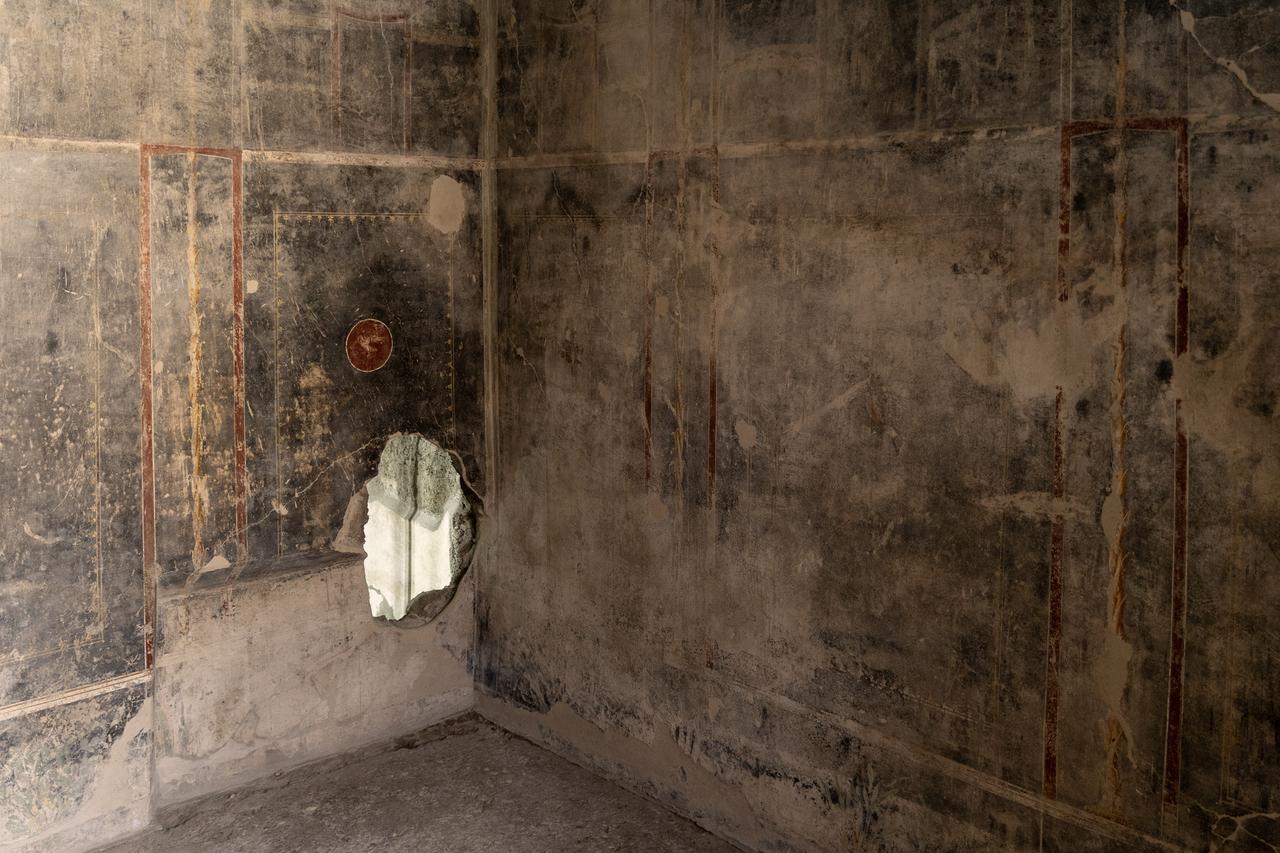


The Pompeii Archaeological Site in Italy opened several long-closed structures and sections to visitors as part of European Archaeology Days, offering the public rare access to areas that had remained off-limits for nearly two decades.
The event allowed visitors to move through parts of the ancient city that are usually closed, while also giving them a closer look at archaeological work, Roman-era objects and wall paintings preserved inside the site.
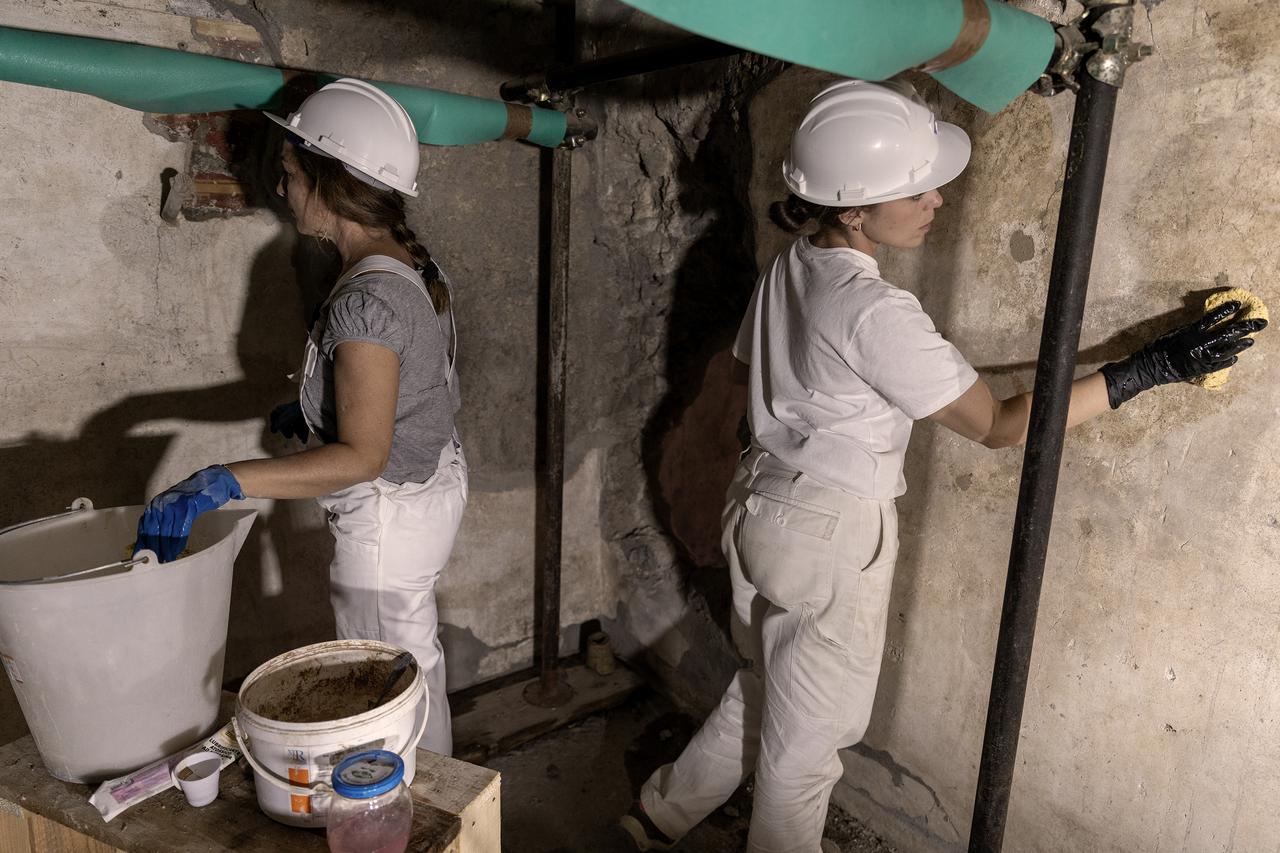

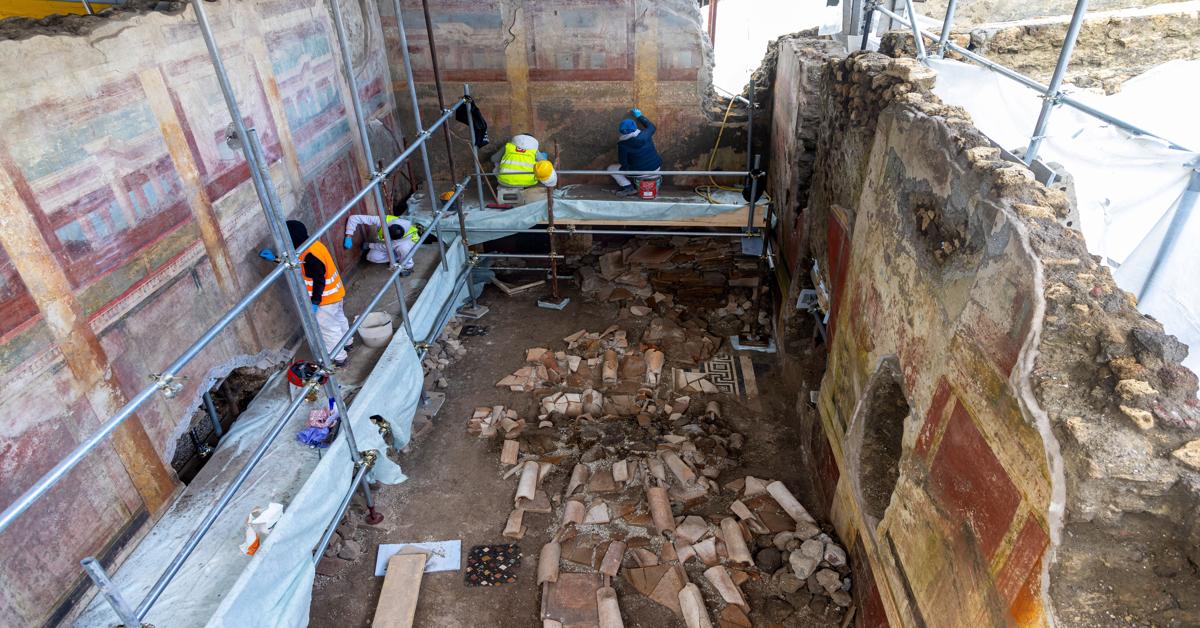
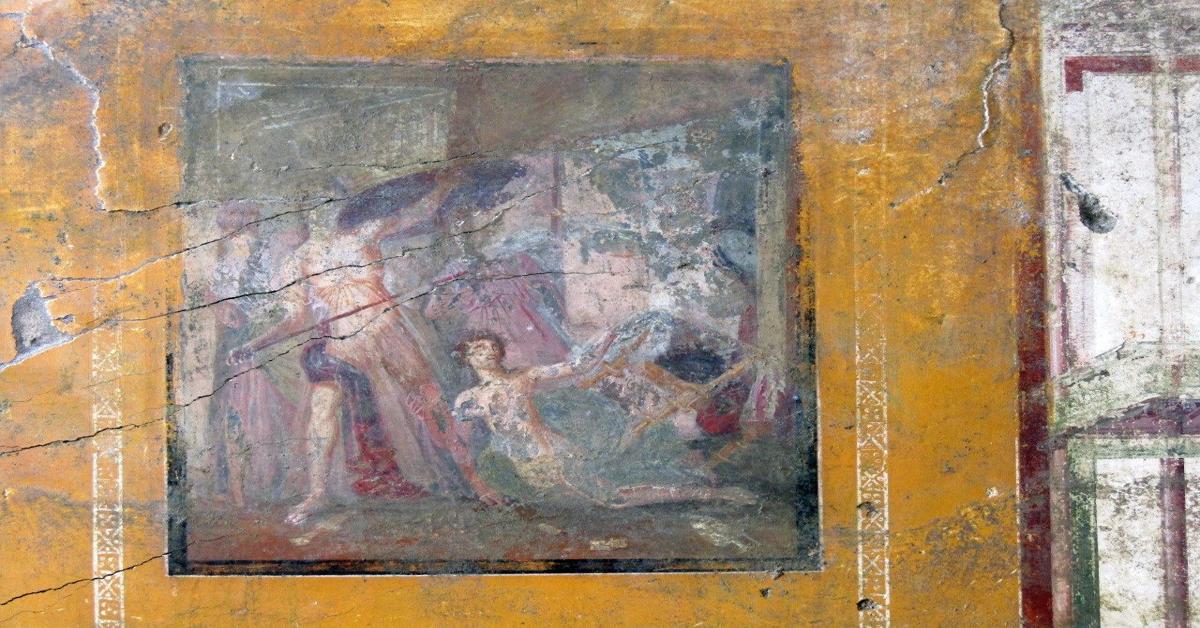
Among the areas opened during the event was the House of Julius Polybius, where visitors were able to see interior spaces, frescoes, a small model of the house and several archaeological finds.
The site also displayed equipment used by archaeologists, helping visitors understand how experts study, preserve and document the remains of the ancient Roman city.
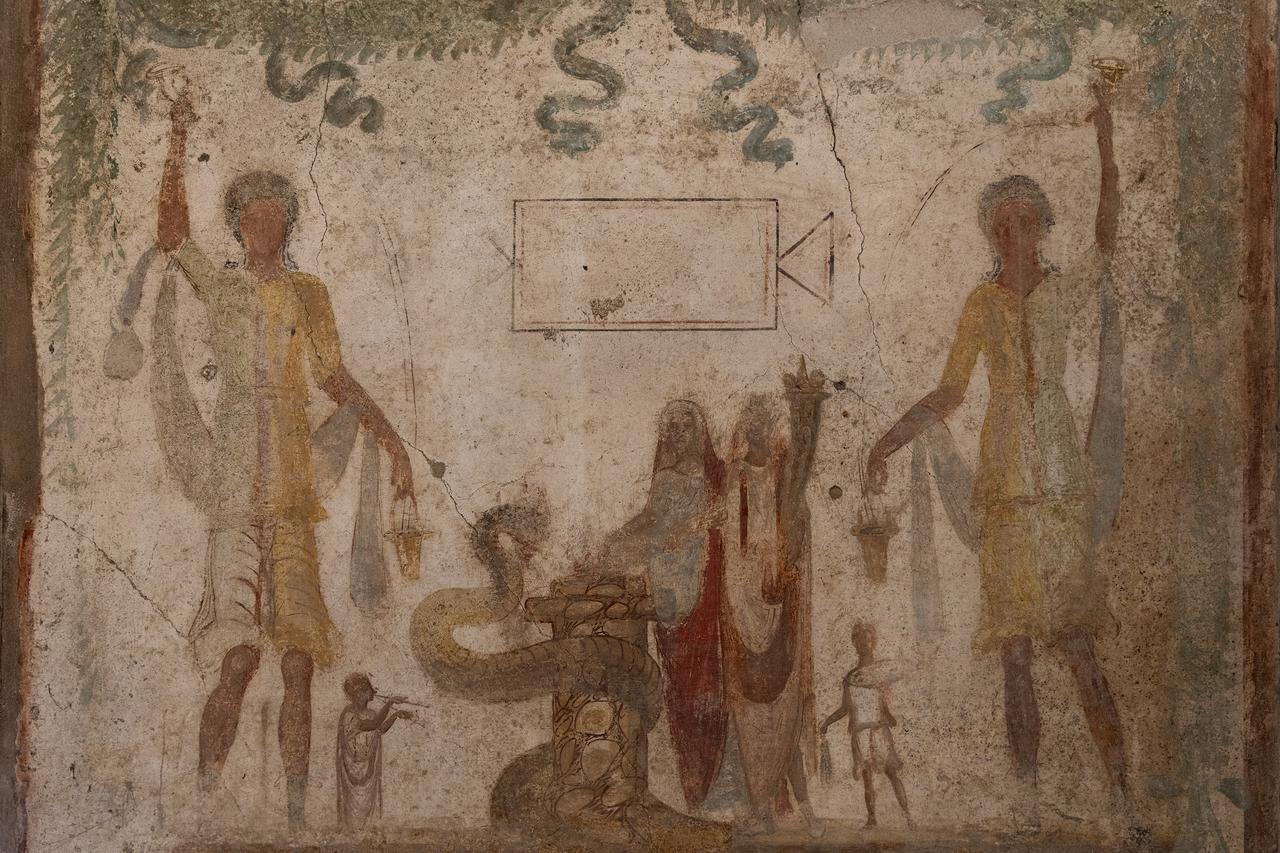
The visit included views of frescoes inside the House of Julius Polybius, including depictions of Athena and a lararium fresco. A lararium was a household shrine in ancient Roman homes, often connected to domestic worship and family rituals.
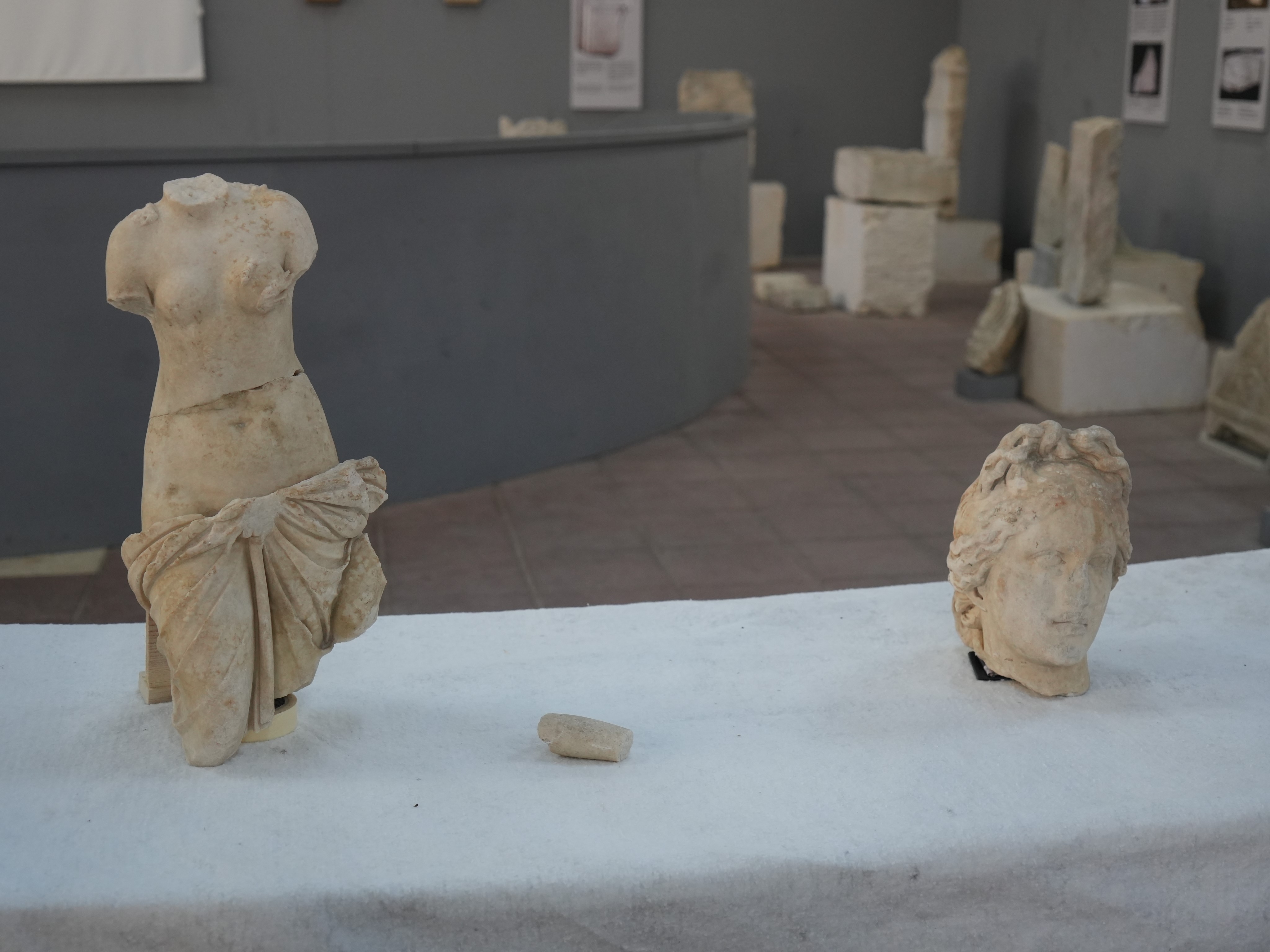
Visitors also saw vessels, clay pots, Roman-era oil lamps, decorative objects and sculptures introduced by staff at the site. Some historical artifacts remained covered, reflecting the controlled conditions required for conservation.
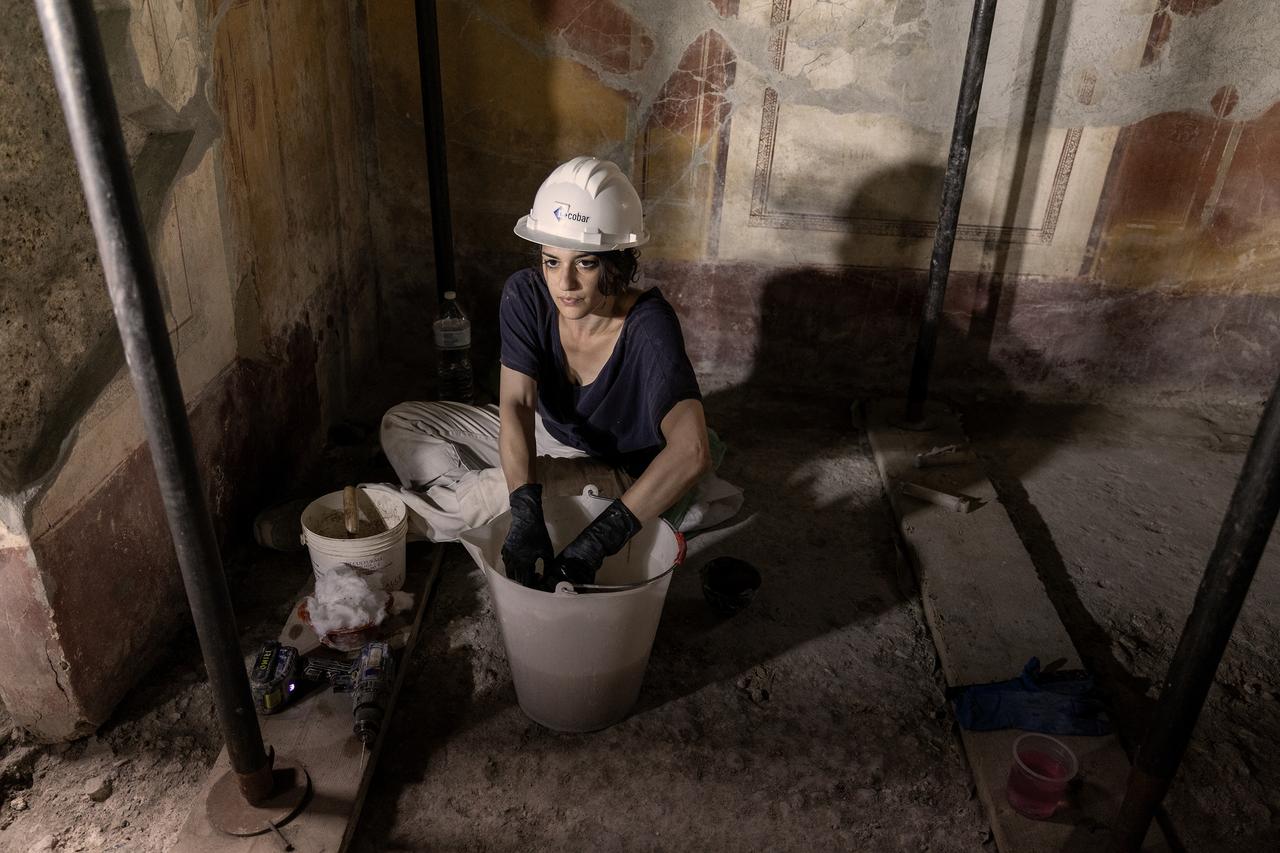
Archaeologists were also seen working on frescoes inside the House of Julius Polybius, allowing visitors to observe part of the conservation process in a setting usually reserved for specialists.
 1 min read
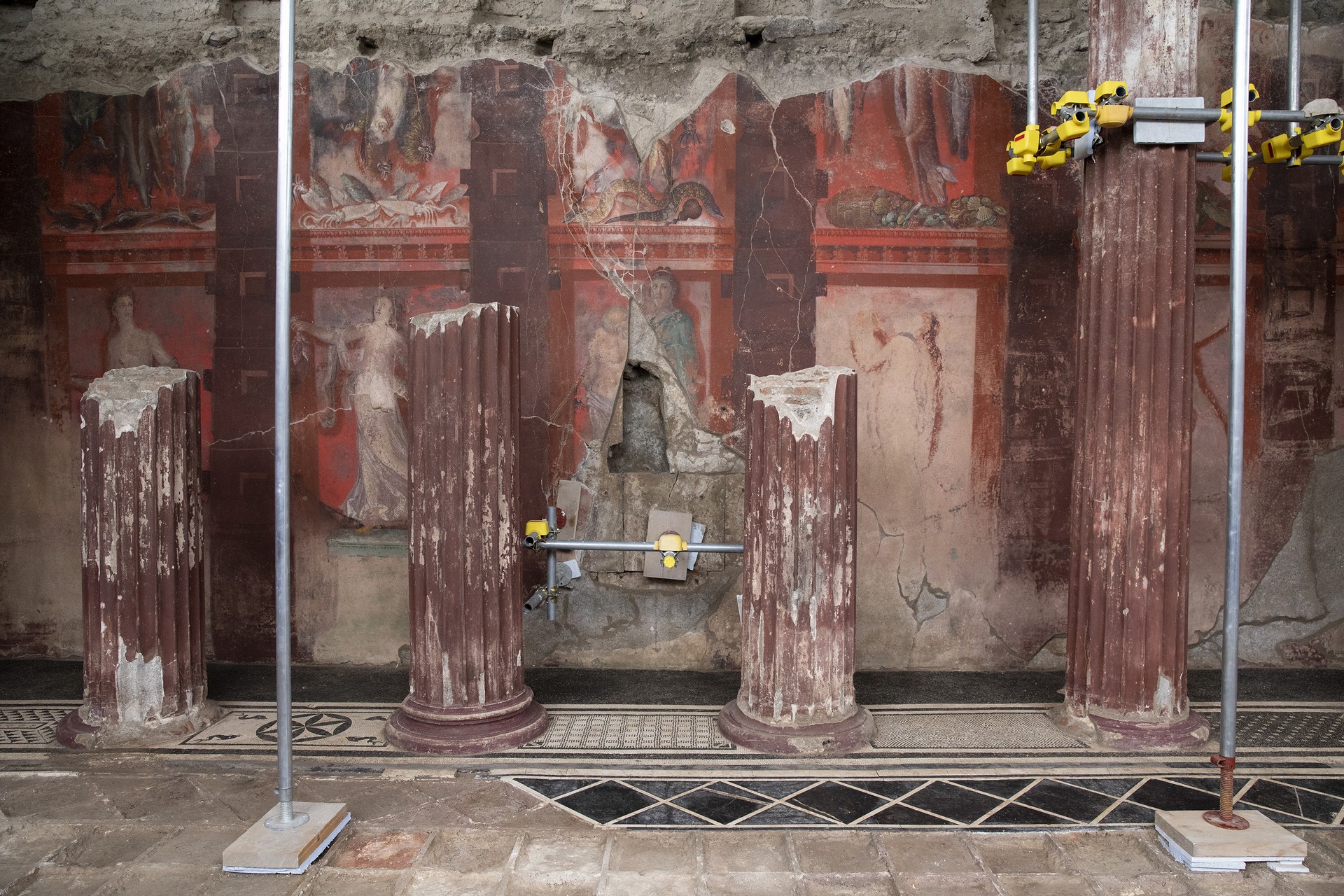
The reopening drew crowds to the archaeological area, where visitors toured the newly accessible spaces and followed the presentations prepared for European Archaeology Days.


 Set as preferred source
 Set as preferred source




 1 min read


