Newsletters


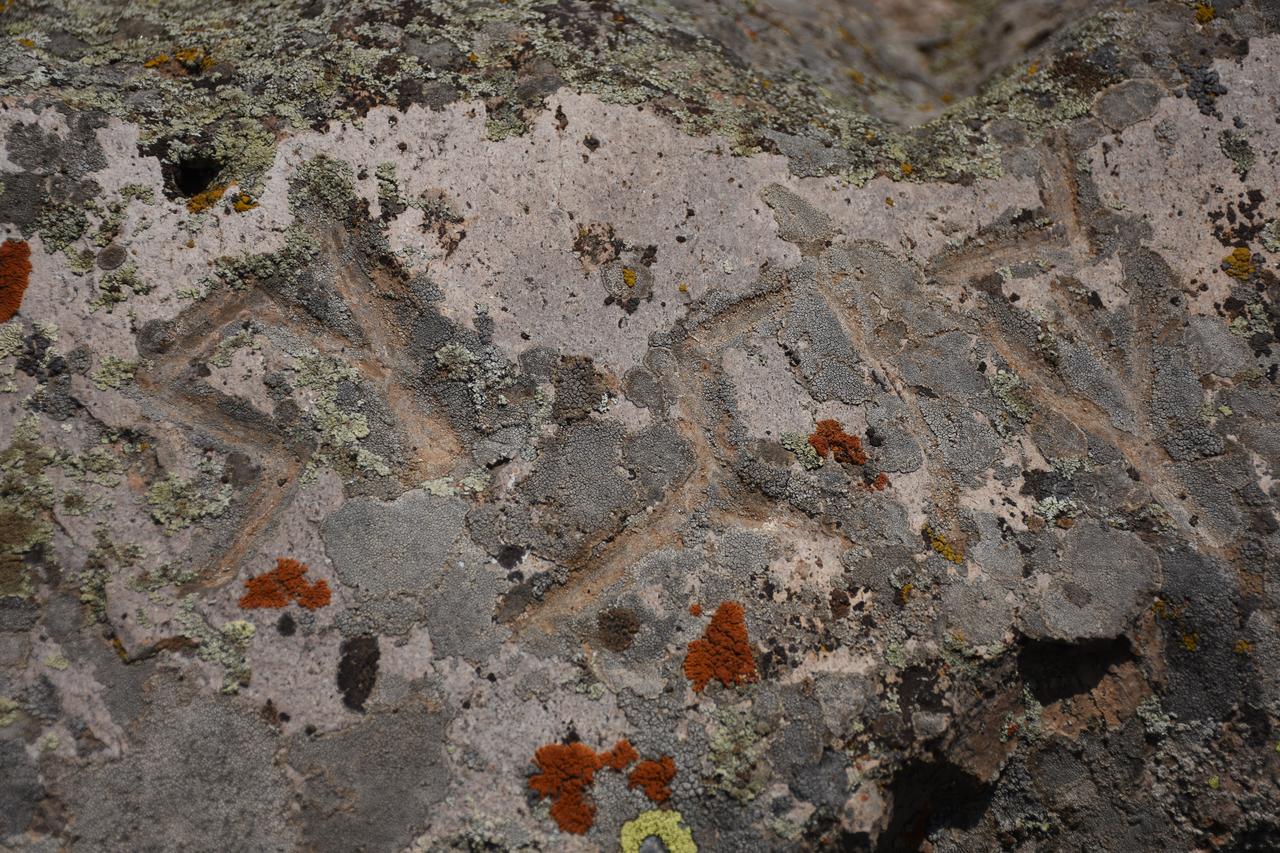


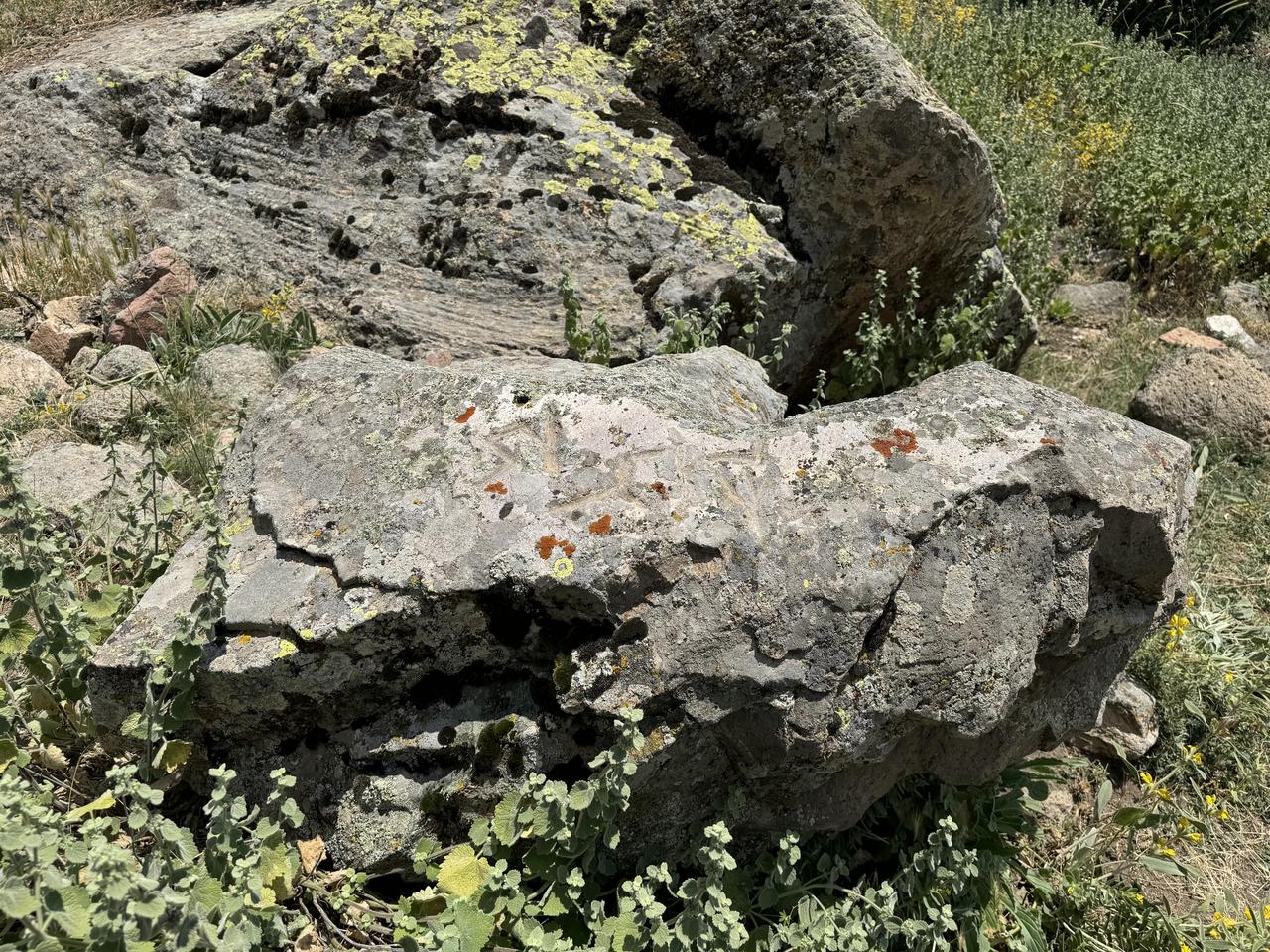
A runic inscription that may represent a mark belonging to a Turkic tribe has been identified on a rock block in the Binbirkilise area of Karadag, north of Karaman in central Türkiye.
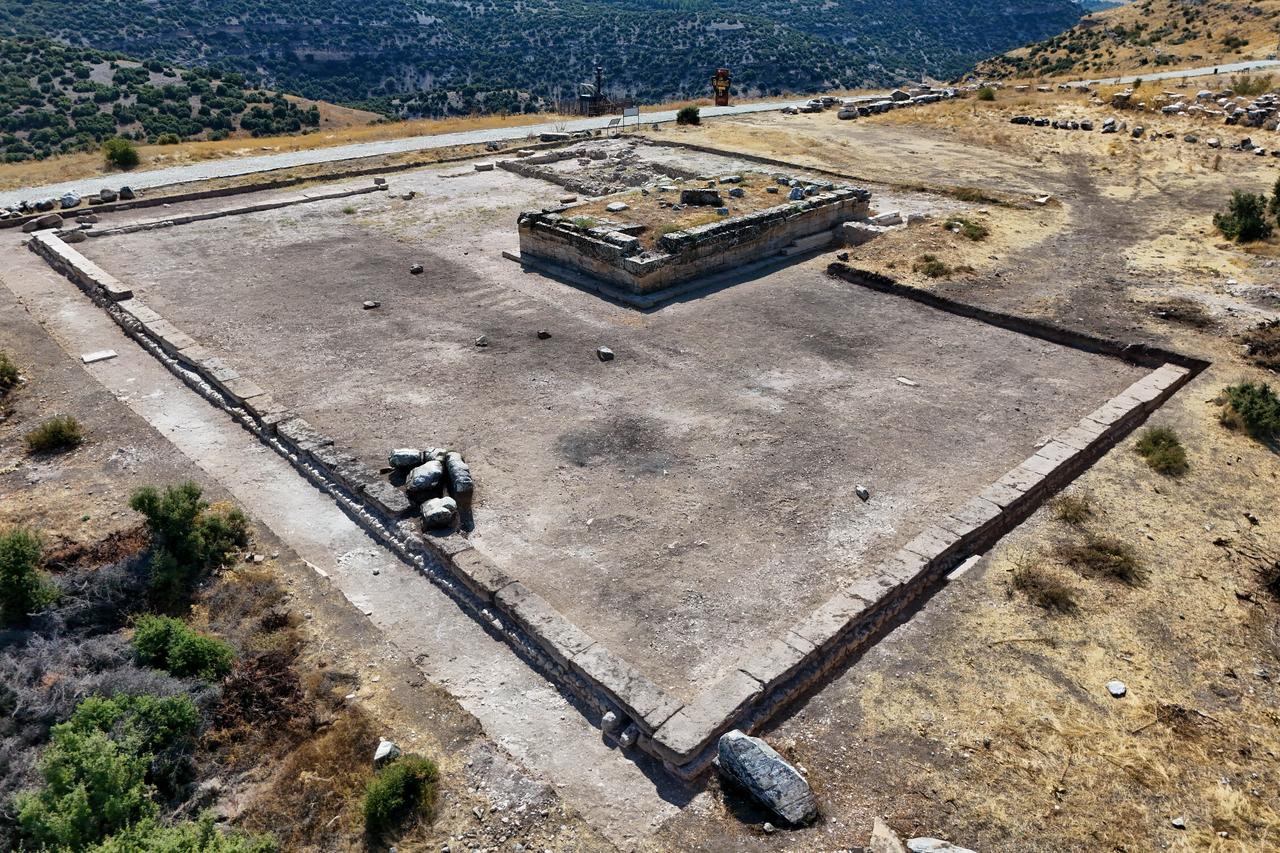
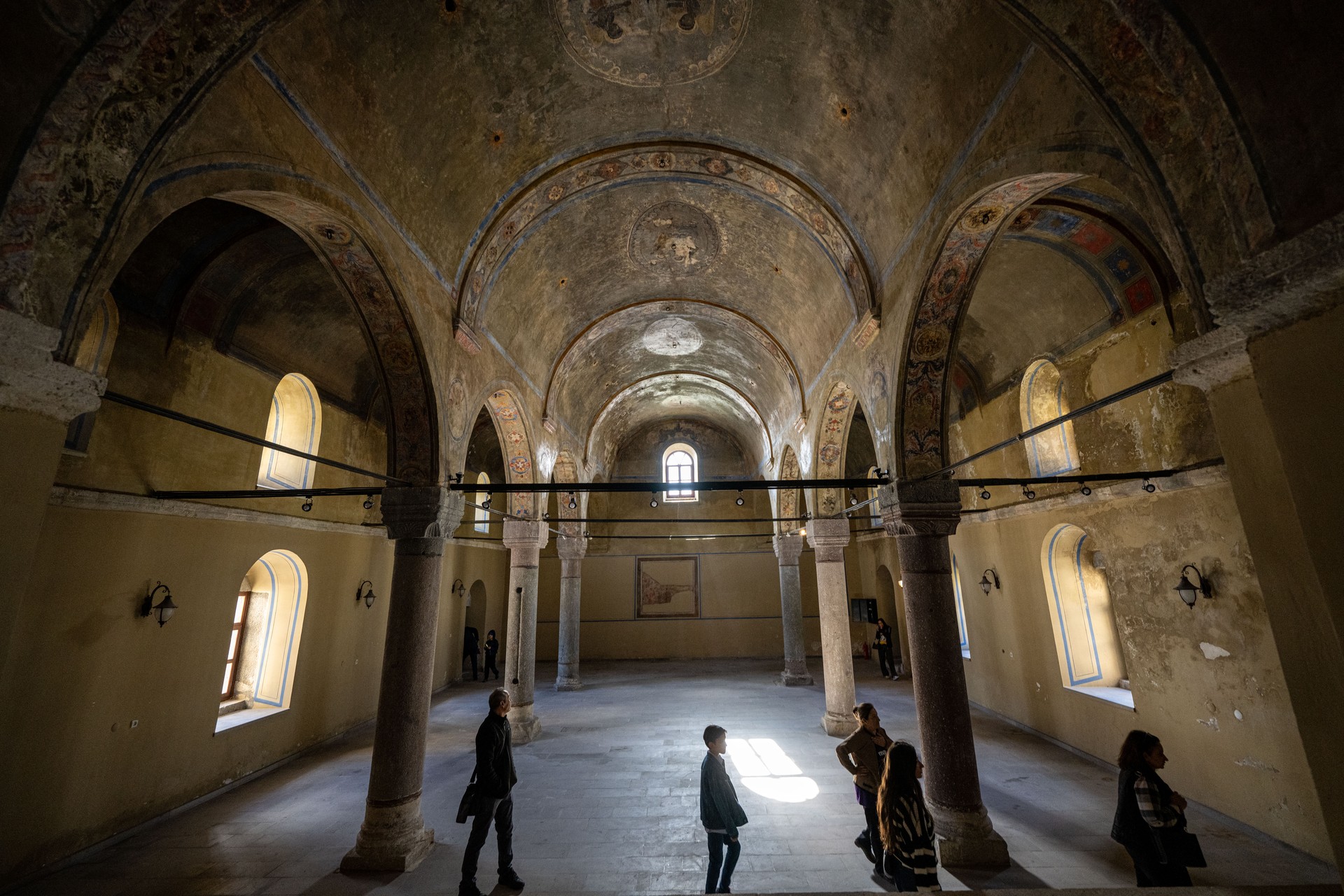
Binbirkilise, literally meaning "Thousand and One Churches," is known for its roughly 50 Byzantine church ruins, making it one of the region's notable religious and archaeological landscapes.
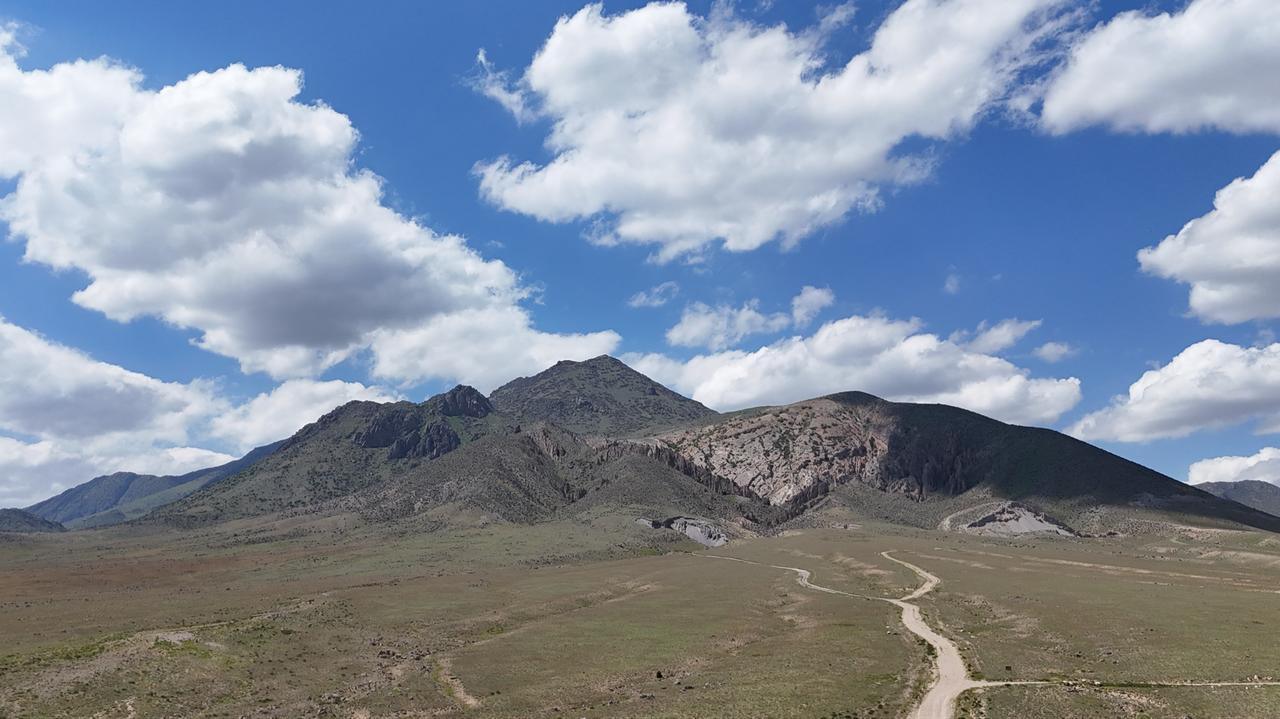

The discovery came during the third season of surface surveys carried out under the permission of the Culture and Tourism Ministry since 2024.
The work is led by Associate Professor Ilker Mete Mimiroglu, head of the Early Christian and Byzantine Arts Department at Necmettin Erbakan University's Faculty of Social Sciences and Humanities.
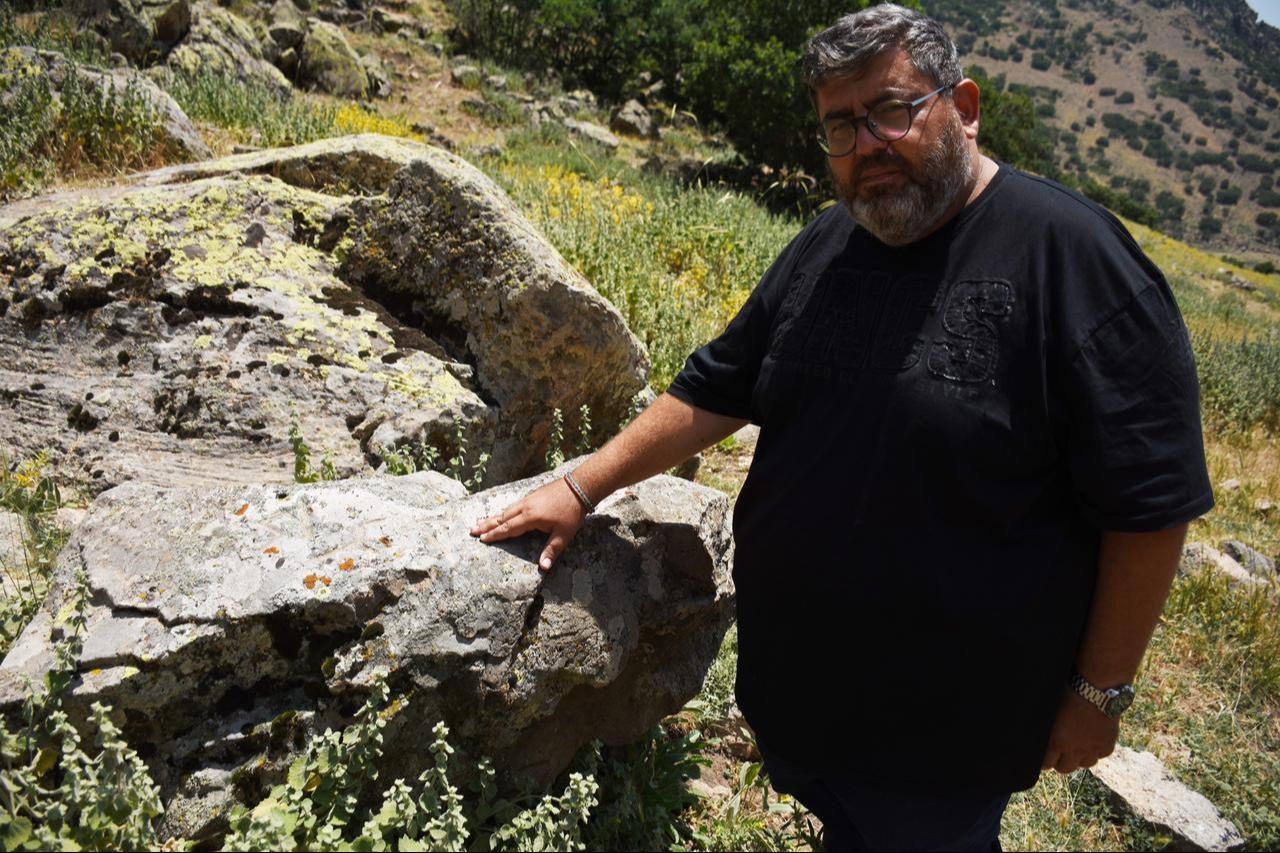
Mimiroglu said the latest findings were different from the graffiti uncovered in earlier seasons, as researchers identified runic letters on a rock block near a church.
Runic letters refer here to an ancient writing system used by early Turkic communities in Central Asia, often marked by straight and angular lines.
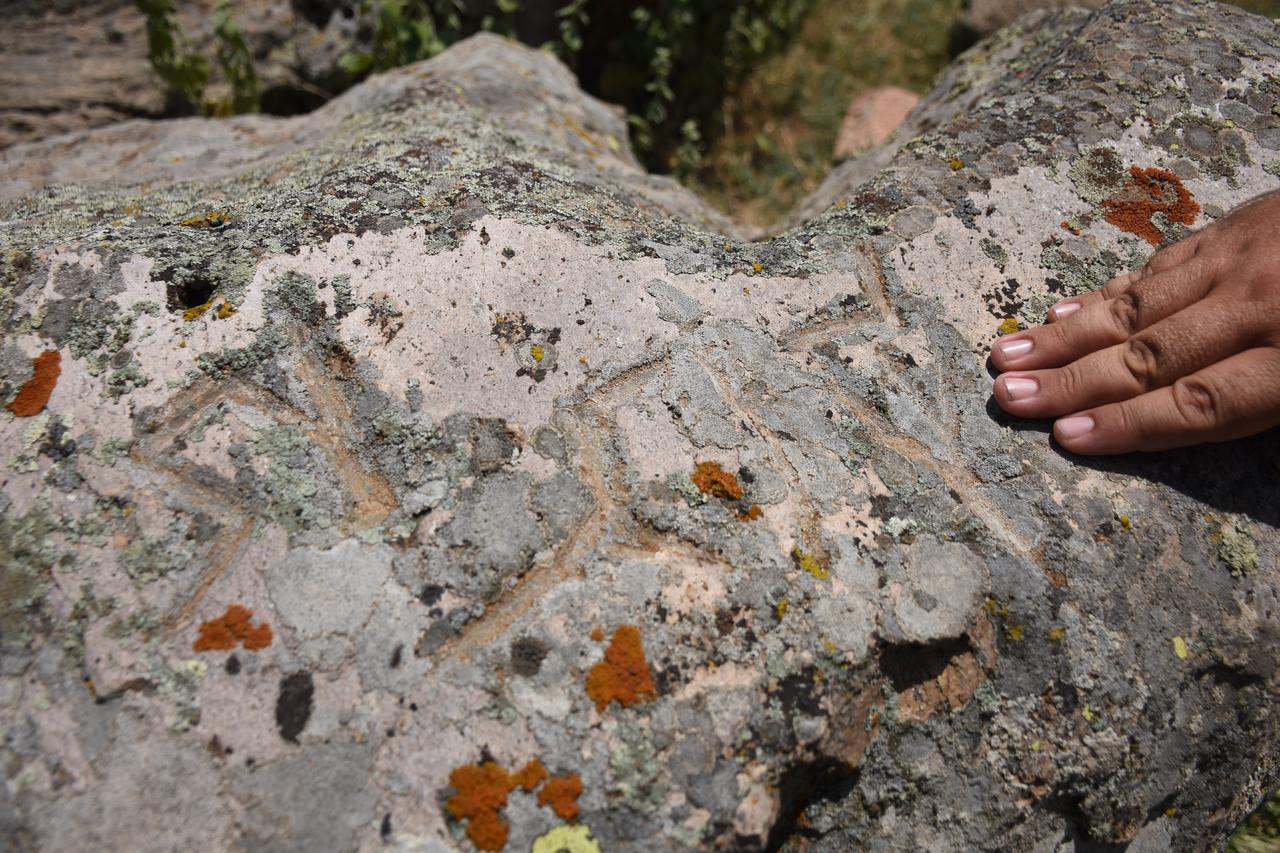
According to preliminary expert assessments, the inscription may include a mark, or damga, linked to more than one Turkic tribe.
Mimiroglu said the writing appears to have a probable connection with a nearby church and may point directly to Central Asian links in the region.
He added that scientific research is still underway, while initial evaluations suggest that the inscription is of Central Asian origin and could belong to Turkic tribes.
The Binbirkilise area is home to a dense group of church remains, suggesting that the small settlement once carried both religious and military importance.
Researchers also identified a settlement last year near the Roman Pool in Karadag, where nearly 10 churches and chapels were found. Mimiroglu said this settlement may have been closely connected with the rock block where the inscription was recorded.
Among the structures in the area, an 11th-century building planned as an inscribed Greek cross points to active use during the Middle Byzantine period and close to the Seljuk era.
Mimiroglu said the team is considering different explanations for why the marks were made and how they came about.
He noted that the area was a location where Turkish raiders settled after 1071, and that the nearby pool would have been important for horses, which held a central place in mounted Turkish military and social life.


 Set as preferred source
 Set as preferred source


 1 min read
 1 min read