Newsletters


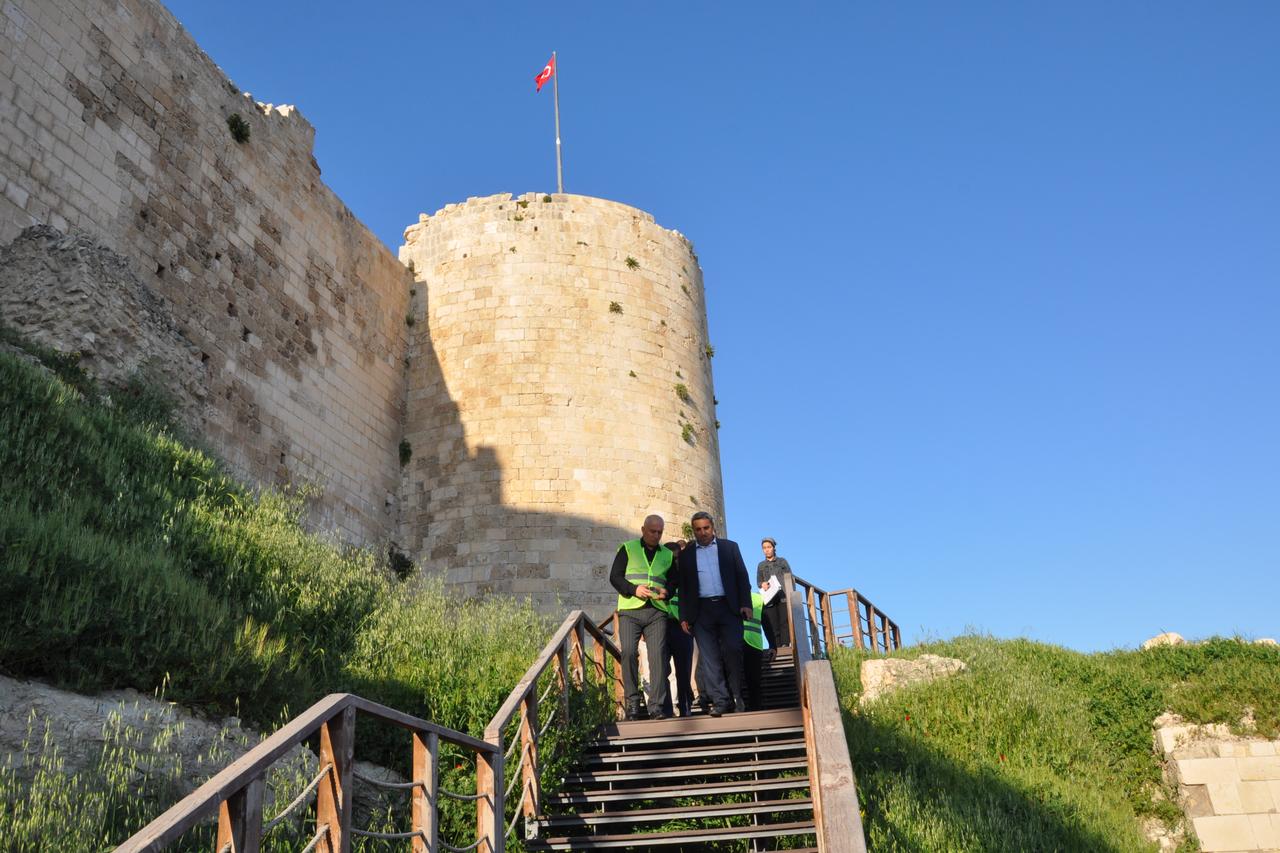


Silifke Castle in Mersin is planned to reopen to visitors in June after years of excavation and restoration, with new lighting to support night museum visits in one of southern Türkiye’s hottest coastal districts.
Located on a 185-meter-high hill in Silifke, the castle carries traces of Roman, Byzantine, Karamanid and Ottoman periods. Closed to visitors in 2015 for archaeological work, the site is being prepared for reopening after excavation, conservation, restoration and environmental arrangements are completed.
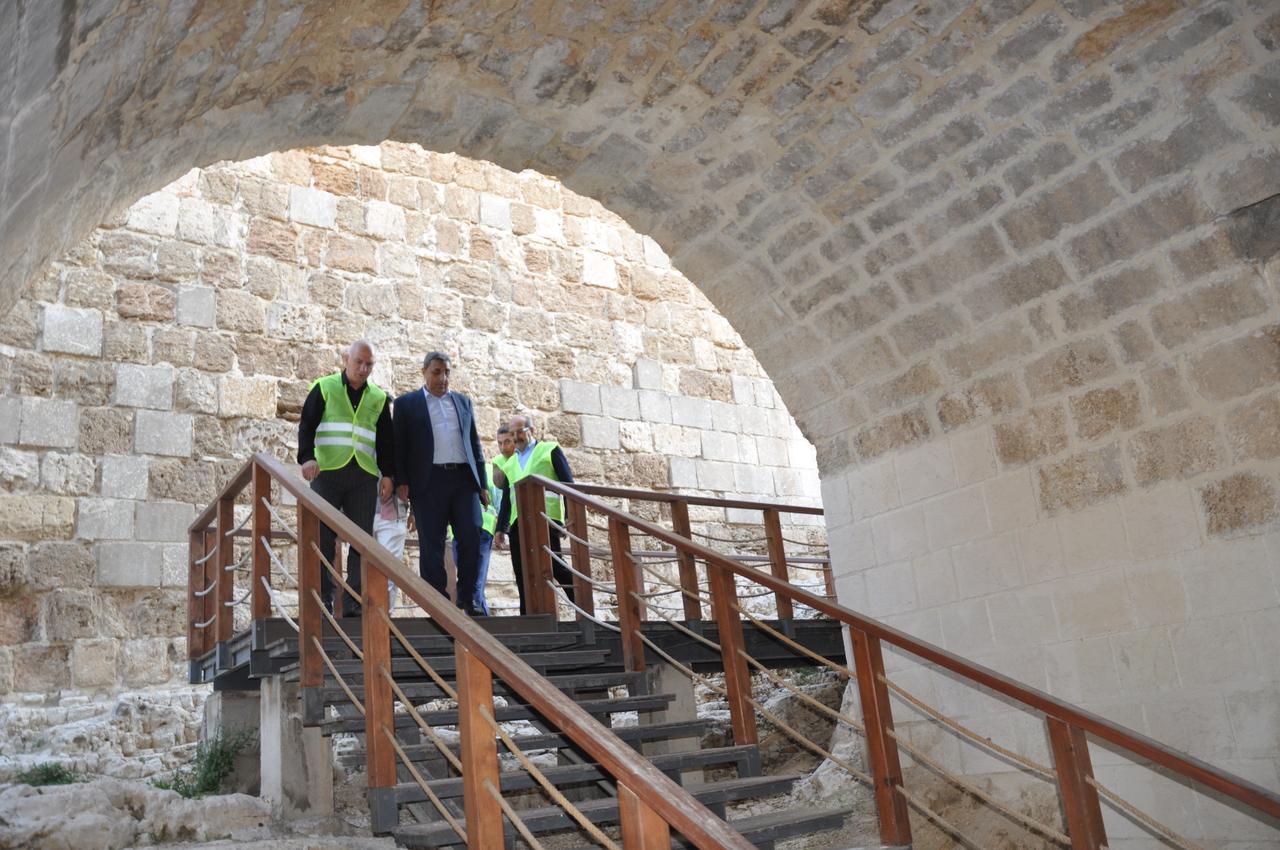

Excavation and restoration work at the castle began in 2011 under the leadership of Türkiye’s Ministry of Culture and Tourism. The project is supported through the ministry’s “Heritage for the Future” initiative and carried out by a team led by Prof. Ali Boran from Ankara Haci Bayram Veli University’s Department of Art History.
The castle had been continuously inhabited from the Roman period to the 20th century. Researchers are studying remains from several historical phases, including Roman traces, Byzantine walls and moats, Karamanid rebuilding based on a Turkish-Islamic model, and later Ottoman additions that gave the structure its final form.
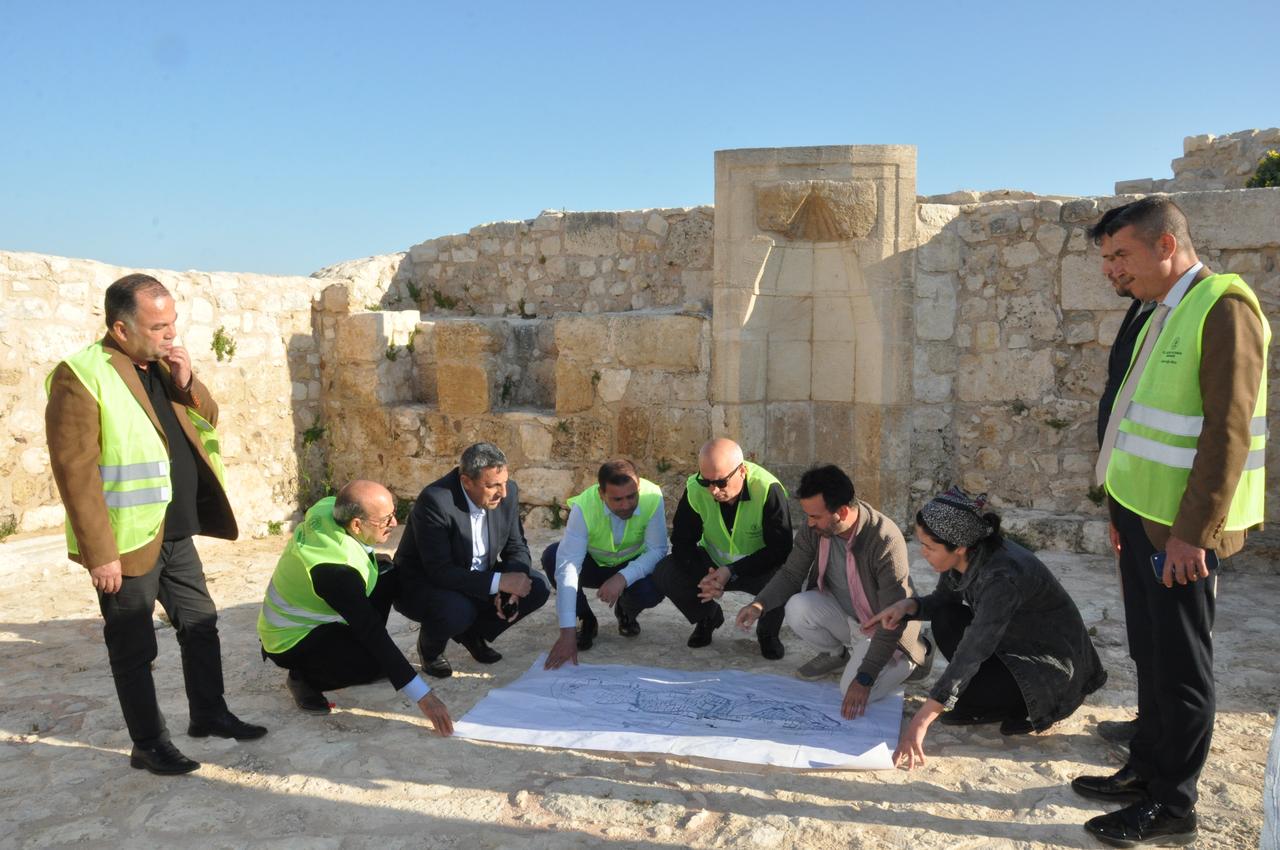
As part of the reopening process, protective fences will be installed around the site, while lighting will be added so visitors can tour the castle in the evening under Türkiye’s night museology practice.
Mersin Provincial Culture and Tourism Director Hakan Doganay said work had picked up pace following a sponsorship agreement between the governor’s office and a company.
He said the aim was to reopen the castle in June, unless the project faces any unexpected setback, and bring it back into Silifke and regional tourism.
He noted that summer temperatures in Silifke can reach 42 degrees Celsius (107.6 degrees Fahrenheit), adding that the lighting project is intended to help visitors cool off while also making the castle part of the district’s evening cultural life.


 Set as preferred source
 Set as preferred source


 1 min read
 1 min read